10 Best Organic Pest Control Methods for Sustainable Gardens

Pests can be the bane of a gardener’s existence! Fortunately, there are safe & effective ways to combat them. Here are 10 of the best organic pest control methods for home gardeners…
- Organic pest control uses natural sprays, living organisms, physical barriers, and planting strategies — no synthetic chemicals required to get real results.
- Neem oil, Bacillus thuringiensis (Bt), and insecticidal soap are among the most effective and widely available organic sprays for home gardens.
- Beneficial insects like ladybugs and parasitic wasps can eliminate pest populations faster than most sprays — and they work for free once established.
- Some organic methods take longer to show results than chemical pesticides, but they build long-term garden resilience rather than creating dependency.
- Combining multiple methods — like companion planting with row covers and neem oil — creates a layered defense that outperforms any single approach.
Chemical pesticides might kill the pests you see today, but they often create bigger problems tomorrow — and your vegetables pay the price.
Organic pest control is not just a feel-good alternative. It is a smarter, systems-based approach that works with your garden’s natural ecosystem instead of against it. When done right, organic methods protect your crops, preserve your soil health, and keep beneficial insects alive — the ones that pollinate your plants and hunt the pests you want gone!
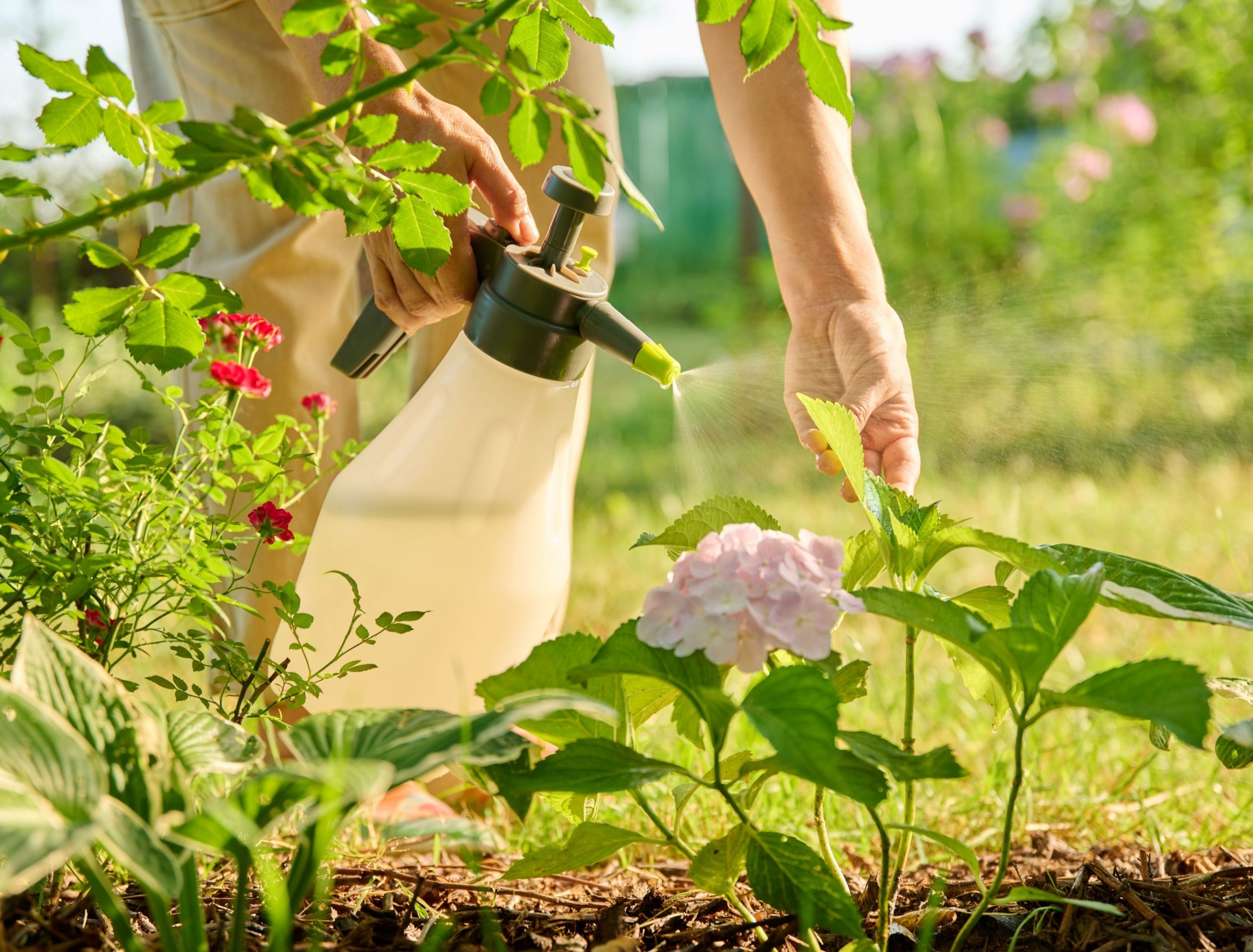
Image from www.backyardboss.net.
What Organic Pest Control Actually Means
Organic pest control is the use of naturally derived substances, biological agents, and physical or cultural practices to manage garden pests — without synthetic chemical pesticides. That includes everything from spraying neem oil on aphid-covered leaves to releasing beneficial nematodes into the soil to destroy grub populations underground.
What it does not mean is simply avoiding sprays altogether or hoping pests disappear on their own. Organic gardening is active, intentional, and strategic.
Quick Reference: Four Categories of Organic Pest Control
Category Examples Best Used For Natural Sprays Neem oil, insecticidal soap, Bt spray Active infestations on foliage Biological Control Beneficial nematodes, ladybugs, parasitic wasps Soil pests and soft-bodied insects Physical Barriers Floating row covers, copper tape, sticky traps Prevention before pests arrive Cultural Practices Crop rotation, companion planting, resistant varieties Long-term prevention and soil health
Chemical-Free vs. Truly Organic: What’s the Difference?
Not everything labeled “chemical-free” qualifies as organic. Pyrethrin, for example, is derived from chrysanthemum flowers and is approved for organic use — but it is still toxic to beneficial insects, fish, and aquatic life. Truly sustainable pest control prioritizes methods that are both naturally derived and ecologically responsible. Always check whether a product carries OMRI (Organic Materials Review Institute) listing if you want verified organic compliance.
Remember that prevention is always the best place to start, and that begins with building healthy soil, growing healthy plants, and protecting your plants using barrier methods first whenever possible. Sprays (even organic ones) should be used as a last resort.
Why Organic Methods Protect Beneficial Insects Too
Broad-spectrum synthetic pesticides do not discriminate. They kill aphids, yes — but they also kill the ladybugs hunting those aphids, the ground beetles patrolling your soil, and the bees visiting your squash blossoms. Using organic pesticides as a last resort, especially targeted ones like Bt spray or neem oil applied in the early morning or evening, can help reduce that collateral damage. A garden full of beneficial insects is a garden that largely manages itself!
Here’s where to start with your organic pest control efforts:
1. Companion Planting
Companion planting is one of the oldest pest management strategies in agriculture, and it works on multiple levels simultaneously. Certain plants repel pests through scent, others attract beneficial predatory insects, and some act as trap crops — drawing pests away from your vegetables and concentrating them in one sacrificial area where they are easier to manage.
Plants That Naturally Repel Common Garden Pests
The repellent power of companion plants comes primarily from volatile organic compounds released through their leaves, stems, and roots. Pests navigate using scent, and strong aromatic plants essentially jam those signals. Marigolds — specifically Tagetes erecta (African marigold) — release alpha-terthienyl from their roots, which suppresses nematodes and deters whiteflies and aphids. Basil planted near tomatoes repels thrips and aphids while also improving tomato flavor (according to some gardeners). Nasturtiums work brilliantly as a trap crop for aphids, pulling them away from nearby vegetables. Catnip contains nepetalactone, which research has shown to be highly effective at repelling aphids, squash bugs, and Colorado potato beetles.
How to Layout a Companion Planting Strategy
Effective companion planting is about intentional spacing and placement, not just scattering aromatic plants randomly throughout your beds. Border plantings of marigolds, basil, or catnip around the perimeter of vegetable beds create a scent barrier that discourages pests from entering. Interplanting — alternating rows or blocks of companion plants between your vegetables — breaks up the visual and chemical cues that attract pests to large monoculture plantings.
A classic and proven layout is the Three Sisters method: corn, beans, and squash planted together. The corn provides structure, the beans fix nitrogen, and the sprawling squash leaves shade the soil and deter pests with their rough, spiny leaf texture. For modern raised bed gardens, try planting one basil plant for every two to three tomato plants, with a border of African marigolds around the entire bed perimeter.
2. Beneficial Insects
The fastest, most self-sustaining form of organic pest control is not something you spray — it is something you attract or release! Beneficial predatory insects hunt pest species with remarkable efficiency, and a single established population can eliminate infestations faster than repeated spray applications.
Ladybugs, Lacewings, and Parasitic Wasps: What They Do
- Ladybugs (Hippodamia convergens): Both adults and larvae are voracious aphid predators. A single ladybug can consume up to 5,000 aphids over its lifetime, along with mites, scale insects, and small caterpillars.
- Green lacewings (Chrysoperla rufilabris): The larvae — often called “aphid lions” — are aggressive generalist predators that consume aphids, thrips, whiteflies, leafhoppers, and small caterpillars at high rates.
- Parasitic wasps (Trichogramma spp.): Tiny, stingless wasps that lay their eggs inside pest eggs and larvae, including cabbage worms, corn earworms, and tomato hornworms. The wasp larvae consume the pest from the inside, preventing it from ever developing.
- Ground beetles (Carabidae family): Nocturnal hunters that patrol the soil surface and consume slug eggs, cutworms, and other ground-dwelling pests.
- Minute pirate bugs (Orius insidiosus): Fast-moving generalist predators effective against thrips, spider mite eggs, and small aphid populations.
What makes these insects so powerful is that they do not just kill one pest at a time — they reproduce within your garden and continue hunting season after season if conditions support them! Released populations, however, tend to disperse quickly if food sources or habitat are not available, which is why attracting them naturally is more effective than buying and releasing them.

Image from townandcountryhaddam.com.
Purchased ladybugs are a common impulse buy at garden centers, but most will fly away within 48 hours of release unless your garden already has the habitat and food sources they need. Focus on habitat creation first, then consider purchased beneficial insects as a supplement during heavy infestations rather than a standalone strategy.
How to Attract Beneficial Insects to Your Garden
Beneficial insects need three things to establish in your garden: food, water, and shelter. Most predatory insects also feed on nectar and pollen as adults, even if their larvae are pure carnivores. Planting a diverse mix of flowering plants that bloom across the entire growing season gives adult beneficials the energy they need to reproduce and stay close to your vegetables.
The most effective plants for attracting beneficial insects include members of the carrot family (Apiaceae) like dill, fennel, cilantro allowed to bolt, and yarrow — their flat-topped flower clusters are accessible to small parasitic wasps and predatory flies. Phacelia, sweet alyssum, and buckwheat are equally powerful attractors that can be interplanted throughout vegetable beds as living mulch and insectary plants.
Reduce or eliminate pesticide use entirely, including organic sprays, in areas where you want beneficials to establish — even neem oil applied broadly will deter or harm the insects you are trying to attract. Leave some areas of bare, undisturbed soil for ground-nesting beneficial insects, and provide a shallow water source like a dish with pebbles and water to keep populations hydrated during dry periods.
3. Floating Row Covers
Floating row covers are one of the most underrated tools in organic pest management. Made from lightweight polypropylene fabric or netting, they create a physical barrier that insects cannot penetrate — no sprays, no timing, no waiting for results. You lay them over crops and secure the edges with soil, rocks, or garden staples, and pests are locked out from day one.

Image from www.growingagreenerworld.com.
Best Crops to Protect With Row Covers
Row covers are especially valuable for crops that face intense, predictable pest pressure. Brassicas like cabbage, broccoli, kale, and Brussels sprouts are prime targets for cabbage moths and imported cabbageworms — covering them at transplanting prevents any egg-laying before it starts. Carrots and other root vegetables benefit from row cover protection against carrot rust flies, while squash and cucumbers can be covered early in the season to block cucumber beetles and squash vine borers before populations peak. The fabric also provides mild frost protection, extending your growing season at both ends.
When to Remove Row Covers for Pollination
Here is the critical trade-off: row covers that block insects also block pollinators. For crops that require insect pollination — squash, cucumbers, melons, and peppers — you need to remove the covers once flowering begins, or your plants will produce no fruit regardless of how pest-free they are!
Non-fruiting crops like leafy greens and most brassicas can stay covered longer. For crops that need pollinators, remove covers during peak pollinator hours in the morning, then replace them in the evening if pest pressure is still active. Alternatively, hand-pollinate using a small paintbrush to transfer pollen between flowers, which lets you keep the covers in place throughout the season.
4. Beneficial Nematodes
Beneficial nematodes are microscopic roundworms that live in soil and actively hunt pest larvae and grubs. They are living organisms, not chemicals — which means they reproduce and continue working in your soil long after the initial application.
The most commonly used species for garden pest control are Steinernema feltiae, effective against fungus gnats and thrips larvae, and Heterorhabditis bacteriophora, which targets deeper-dwelling grubs like Japanese beetle larvae and black vine weevil. These nematodes enter host insects through natural body openings, release symbiotic bacteria that kill the host within 24 to 48 hours, and then reproduce inside the carcass before moving on to new targets.
How to Apply Beneficial Nematodes in Soil
Nematodes are living organisms, so application technique matters significantly. Purchase them fresh from a reputable supplier like Arbico Organics or NaturesGoodGuys, and apply them as soon as possible after receiving them. Mix the nematodes with cool, dechlorinated water according to package instructions — typically one package treats 1,600 to 3,200 square feet — and apply using a watering can, hose-end sprayer, or backpack sprayer with the filter screen removed so the nematodes pass through freely.
Soil conditions directly impact their survival. Apply in the early morning or evening when soil temperatures are between 42°F and 95°F, ideally when the soil is already moist. Water the area thoroughly before and after application to drive them deeper into the soil. UV light kills nematodes quickly, so never apply in direct midday sun. Reapply every 4 to 6 weeks during active pest pressure for consistent control.
Which Soil-Dwelling Pests Nematodes Target
Beneficial nematodes work underground, which makes them uniquely effective against pests that live in the soil during part or all of their life cycle — the exact zone where most sprays cannot reach at all.
- Japanese beetle grubs
- Fungus gnat larvae
- Black vine weevil larvae
- Cutworms
- Flea larvae
- Sod webworm
- Root aphids
- Armyworm pupae
Different nematode species target different pests at different soil depths, so matching the right species to your specific pest problem is critical. Heterorhabditis bacteriophora is your best choice for deep-dwelling grubs like Japanese beetle larvae, while Steinernema carpocapsae works better near the soil surface for cutworms and armyworms.
5. Bacillus Thuringiensis (Bt) Spray
Bacillus thuringiensis, almost always shortened to Bt, is a naturally occurring soil bacterium that produces proteins toxic to specific insect larvae. It is one of the most targeted organic pest controls ever developed — and it has been used in agriculture for decades.

Image from www.gardeningknowhow.com.
What makes Bt remarkable is its precision. Different strains target different insects. Bt kurstaki (Btk) is the strain used most often in home gardens and is deadly to caterpillar larvae, while being completely harmless to mammals, birds, earthworms, and adult insects – including bees.
When a caterpillar ingests Bt-treated plant tissue, the bacterial proteins activate in its alkaline gut and create pores in the gut wall. The caterpillar stops feeding within hours and dies within 1 to 3 days. Adults (moths and butterflies) that have already passed the larval stage are unaffected.
Bt Strain Comparison
Bt Strain Target Pest Common Product Bt kurstaki (Btk) Caterpillar larvae (cabbage worms, tomato hornworm) Bonide Thuricide Bt israelensis (Bti) Mosquito and fungus gnat larvae Mosquito Dunks Bt tenebrionis (Btt) Colorado potato beetle larvae Trident Bt
What Makes Bt Safe for Humans and Pets
Bt toxins only activate in the highly alkaline digestive systems of susceptible insect larvae. Human and animal digestive systems are acidic, which means the proteins are simply broken down like any other dietary protein. The EPA classifies Bt as a reduced-risk pesticide, and it is approved for use on certified organic farms without any pre-harvest interval restrictions for most crops.
You can spray Bt on your vegetables and even harvest them the same day without concern. That is not something you can say about most synthetic pesticides.
Which Caterpillar Pests Bt Eliminates
Bt kurstaki is the go-to solution for some of the most destructive caterpillar pests in the vegetable garden. Timing is everything — apply Bt when larvae are young and actively feeding for maximum effectiveness, since older larvae are harder to kill.
- Imported cabbageworm (Pieris rapae)
- Cabbage looper (Trichoplusia ni)
- Tomato hornworm (Manduca quinquemaculata)
- Diamondback moth larvae (Plutella xylostella)
- Corn earworm (Helicoverpa zea)
- European corn borer (Ostrinia nubilalis)
6. Diatomaceous Earth
Diatomaceous earth (DE) is a powder made from the fossilized shells of microscopic aquatic organisms called diatoms. It looks like a fine white dust, but under magnification its particles are razor-sharp — and that is exactly what makes it effective against crawling insects.
How Diatomaceous Earth Kills Insects Without Toxins
DE works entirely through physical action, not chemistry. When an insect crawls through diatomaceous earth, the sharp silica particles scratch and puncture its waxy outer cuticle — the protective coating that prevents moisture loss. The insect then dehydrates and dies, typically within 24 to 72 hours. Because the mechanism is physical rather than biochemical, insects cannot develop resistance to DE the way they can to chemical pesticides. Always use food-grade diatomaceous earth (such as Harris Food Grade Diatomaceous Earth) rather than pool-grade DE, which is processed differently and can be harmful to lungs if inhaled.
Where and How to Apply It Safely
Apply food-grade diatomaceous earth as a thin, even layer directly around the base of plants, along garden bed borders, and on soil surfaces where crawling pests travel. You can also dust it lightly on leaf surfaces to target pests like flea beetles and thrips — but apply sparingly and try to avoid blossoms, as heavy coating on flowers will harm visiting bees. DE loses all effectiveness when wet, so reapply after rain or overhead irrigation. Wear a dust mask during application to avoid inhaling the fine particles, which can irritate lungs with repeated exposure even though the product is food-safe.
7. Insecticidal Soap
Insecticidal soap is one of the fastest-acting organic contact sprays you can use. It works by penetrating the soft outer cuticle of small, soft-bodied insects and disrupting their cell membranes — essentially dehydrating them on contact. There is no residual effect after it dries, which makes it very safe for beneficial insects that visit later.
Which Pests Insecticidal Soap Works Best Against
Insecticidal soap is most effective against soft-bodied insects with thin outer coatings. It will not do much against hard-shelled beetles or caterpillars, so target it where it actually works.
- Aphids
- Spider mites
- Whiteflies
- Thrips
- Mealybugs
- Soft-bodied scale insects
Use a ready-to-use product like Safer Brand Insect Killing Soap or mix your own with 1 tablespoon of pure castile soap (not dish detergent with degreasers) per quart of water. Keep in mind that direct contact with the pest is essential — if you miss them, it does nothing.
8. Neem Oil Spray
Neem oil comes from the seeds of the Azadirachta indica tree and is one of the most versatile organic pest control tools available. It works as an insecticide, a fungicide, and a miticide — meaning it handles insects, fungal diseases like powdery mildew, and spider mites all in one bottle. However, there is some evidence that neem can be toxic to pets and even humans in large doses, so it’s wise to try and avoid using neem on the parts of plants you will be eating if possible. Always wash any fruits and vegetables treated with neem well before consuming.

Image from bonide.com.
How Neem Oil Disrupts Pest Life Cycles
The active compound in neem oil, azadirachtin, interferes with insect hormone systems. It prevents larvae from maturing into breeding adults, reduces feeding activity, and deters egg-laying. Unlike contact killers, it works gradually across the pest life cycle — which means you need to apply it consistently, not just once.
How to Mix and Apply Neem Oil Correctly
Mix 2 tablespoons of cold-pressed neem oil with 1 teaspoon of liquid castile soap and 1 quart of warm water. Shake well before and during application since oil and water separate quickly. Spray the mixture directly onto affected foliage, covering both the tops and undersides of leaves where pests hide and lay eggs. Apply in the early morning or evening to avoid leaf burn and to protect foraging bees.
Reapply every 7 to 14 days during active pest pressure, and always after rain. Neem oil degrades quickly in sunlight and water, which is actually what makes it safe — but it also means inconsistent application will let pests bounce back.
9. Crop Rotation
Crop rotation is the practice of moving plant families to different garden beds or sections each growing season. It is one of the most powerful long-term pest prevention strategies available — and it costs nothing to implement. Many soil-dwelling pests and pathogens are host-specific, meaning they target particular plant families. When you grow the same crop in the same spot year after year, you are essentially setting the dinner table for the same pests every season.
How Rotating Crops Breaks Pest Cycles in the Soil
Pests like the Colorado potato beetle, cabbage root maggot, and corn rootworm overwinter in the soil directly beneath the crops they fed on during the growing season. They emerge in spring expecting to find the same host plant directly above them. When you rotate crops so that a non-host plant family occupies that space, the emerging pests find nothing to eat and die before they can establish a new population. The key is rotating by plant family, not just by individual crop — moving tomatoes out and replacing them with peppers does not break the cycle because both belong to the Solanaceae family and share many of the same pest vulnerabilities.
A simple four-bed rotation system works well for most home gardens. Divide your beds into four groups: brassicas (cabbage, broccoli, kale), nightshades (tomatoes, peppers, eggplant), legumes (beans, peas), and roots or alliums (carrots, onions, garlic). Rotate each group one bed forward each season so that no plant family returns to the same bed for at least three to four years. Legumes are particularly valuable in the rotation because they fix atmospheric nitrogen back into the soil, reducing the need for additional fertilization in the following season.

Image from homesteadandchill.com.
(Keep in mind that for flying pests, you may need to use temporal rotation rather than spatial, as discussed in this post.)
10. Disease-Resistant Plant Varieties
Choosing disease and pest-resistant plant varieties is the simplest preventative step you can take in organic pest management — and it happens before a single seed goes into the ground. Plant breeders have developed varieties that naturally withstand common pest and disease pressures through genetic resistance, thicker leaf tissue, or chemical compounds that deter feeding. Starting with resistant varieties dramatically reduces how much intervention your garden needs throughout the season.
How Resistant Varieties Reduce the Need for Intervention
Resistant varieties do not eliminate pests entirely, but they significantly reduce the severity of infestations and the resulting plant damage. A tomato variety with resistance to root-knot nematodes, for example, still encounters nematodes in the soil — but its root system mounts a cellular defense response that prevents nematodes from establishing feeding sites, keeping the plant productive while a susceptible variety in the same soil might collapse entirely. This built-in resistance gives organic growers a foundational advantage that makes every other pest control method more effective.
Best Resistant Varieties for Common Vegetable Gardens
When reading seed catalogs or plant tags, look for resistance codes listed after the variety name. For tomatoes, the codes V, F, N, T, and A indicate resistance to Verticillium wilt, Fusarium wilt, nematodes, Tobacco mosaic virus, and Alternaria stem canker respectively. For example, Celebrity and Mountain Magic tomatoes carry broad-spectrum resistance. Marketmore 76 cucumber offers strong resistance to cucumber mosaic virus and powdery mildew. For squash, Butternut Waltham shows better tolerance to squash vine borers than many other varieties. In brassicas, Murdoc cabbage has demonstrated strong clubroot resistance — one of the most devastating soil-borne diseases for brassica growers.
Organic Pest Control Starts Before You Plant a Single Seed
The most important insight in all of organic pest management is this: the best time to control pests is before they arrive! Healthy soil grows vigorous plants with strong immune responses. Diverse gardens with flowering insectary plants attract the predators that do your pest control work for free. Physical barriers applied at transplanting prevent infestations that would otherwise require repeated spray interventions. Resistant varieties, smart crop rotation, and intentional companion planting layouts create a garden that is fundamentally inhospitable to pest outbreaks — not because you applied something, but because the system itself is balanced. Every spray, every purchased beneficial insect, every row cover becomes more effective when it is part of a whole-garden strategy rather than a reactive emergency measure.

Image from rodaleinstitute.org.
Frequently Asked Questions
Organic pest control raises a lot of practical questions — especially for gardeners making the switch from conventional pesticides who want to know whether natural methods can genuinely keep up with the pest pressure they have been managing chemically for years.
The short answer is yes, they can — but the mindset shift matters as much as the methods themselves. Conventional pesticides are designed for rapid knockdown of visible pest populations. Organic methods are designed to build a resilient system where damaging pest populations rarely reach crisis levels in the first place. Here are the most common questions gardeners ask when getting started with organic garden pest control.
Is Organic Pest Control as Effective as Chemical Pesticides?
Organic pest control is absolutely effective, but it works differently than synthetic pesticides. Chemical pesticides typically deliver faster visible results because they are designed for immediate knockdown. Organic methods like Bt spray, neem oil, and insecticidal soap can also act quickly on active infestations, but the greater power of organic systems lies in prevention — making it difficult for pest populations to build to damaging levels at all.
Long-term, organic systems often outperform chemical approaches because they preserve the beneficial insect populations that provide natural pest suppression. Chemical-intensive gardens frequently experience pest resurgence after treatment because the predatory insects that would have controlled those pests were eliminated along with them. Organic gardens, by contrast, build biological resilience over time rather than degrading it.
Can You Combine Multiple Organic Pest Control Methods at Once?
Not only can you combine organic methods — you should. Layering multiple approaches creates what pest management specialists call Integrated Pest Management (IPM), a systems-based strategy that uses the right tool for each situation while minimizing unnecessary intervention. Using companion planting as a baseline deterrent, row covers for physical exclusion during vulnerable early growth stages, neem oil for active foliar infestations, and beneficial nematodes for soil pest control simultaneously is far more effective than relying on any single method.
One important exception: be careful combining broad-spectrum organic sprays like neem oil or pyrethrin with active beneficial insect populations. Even organically approved sprays can harm predatory and parasitic insects if applied without targeting. When beneficial insect populations are established and working in your garden, scale back spray use to spot treatments on heavily infested plants only rather than blanket applications across the entire garden.
How Long Does It Take for Organic Pest Control Methods to Work?
It depends entirely on the method. Insecticidal soap kills soft-bodied insects on contact within minutes, making it one of the fastest-acting organic options available. Bt spray stops caterpillar feeding within hours, with death occurring within one to three days. Neem oil disrupts pest development gradually over several days to two weeks, meaning you will not see an immediate dramatic reduction in pest numbers after the first application, but with consistency, you should see results over time.
Biological methods like beneficial nematodes begin working within 24 to 48 hours of contacting a host insect but take one to two weeks to noticeably reduce soil pest populations at a garden scale. Cultural methods like crop rotation and companion planting operate on a seasonal timeline — their benefits accumulate over multiple growing seasons rather than delivering immediate results in the current one. Patience and consistency are genuinely required when managing pests organically.
Are Organic Pest Control Methods Safe Around Children and Pets?
Most organic pest control methods are significantly safer around children and pets than synthetic chemical pesticides — but “organic” does not automatically mean “harmless.” Food-grade diatomaceous earth, Bt spray, beneficial nematodes, and row covers carry minimal to no risk. Neem oil and insecticidal soap should be kept away from eyes and should not be ingested, and children and pets should be kept out of treated areas until sprays have dried completely. Always read product labels regardless of organic certification status, and store all pest control products out of reach of children even when the active ingredients are naturally derived.
What is the Most Effective Organic Pest Control for Vegetable Gardens?
No single method is universally the most effective — the right answer depends on which pests you are dealing with and at what stage. That said, if forced to identify the highest-impact starting points for most vegetable gardens, neem oil combined with insecticidal soap covers the broadest range of common foliar pests, while beneficial nematodes address the soil-dwelling pests that sprays cannot reach at all.
For long-term effectiveness, companion planting with strong aromatic deterrents like African marigolds and basil, combined with a consistent crop rotation schedule, will reduce overall pest pressure year over year more than any spray program can achieve on its own. The goal is not to react to every pest you see — it is to build a garden where damaging infestations become genuinely rare events rather than a recurring seasonal battle.
Featured Image from www.openaccessgovernment.org.

Related Posts
-
 Bad Bugs: Organic Japanese Beetle Control Methods & Natural Solutions
- [Infographic] How to Plant a Naturally Pest-Resistant Garden
- [Video] The Best Way to Kill Garden Weeds Naturally
- How to Get Rid of Pill Bugs Naturally: 3 Easy Organic Methods
- 7 Common Garden Problems & How to Fix Them
- [Infographic] Natural Garden Pest Control Remedies from Your Kitchen


