5 Best Methods to Preserve Zucchini & Summer Squash: Top Tips & Recipes

Summer squash can overwhelm you with its bounty – so why not preserve it for the winter months? Here are some of the best methods to preserve zucchini & summer squash for future use.
Key Takeaways:
- Freezing zucchini and summer squash is the quickest preservation method, but proper preparation prevents soggy results.
- Dehydrating creates versatile shelf-stable products including chips, powder, and leather that last up to a year.
- While standard canning of plain zucchini isn’t recommended by the USDA, pickled and relish preparations offer safe alternatives.
- Blanching before freezing helps maintain color, flavor, and nutrient content in most preservation methods.
- Harvest Keeper’s vacuum sealing systems can extend the shelf life of preserved squash by up to five times compared to conventional storage methods.
Why Your Garden’s Bounty Shouldn’t Go to Waste
The notorious summer squash avalanche has arrived! One day you’re admiring lovely yellow blossoms, and seemingly overnight, you’re drowning in zucchini the size of baseball bats. Rather than leaving anonymous bags of squash on neighbors’ porches under cover of darkness (it has happened), mastering preservation techniques transforms this abundant harvest into year-round culinary potential. Properly preserved summer squash delivers garden-fresh flavor to winter soups, stews, breads, and sides when grocery store options lack flavor and come with hefty price tags.
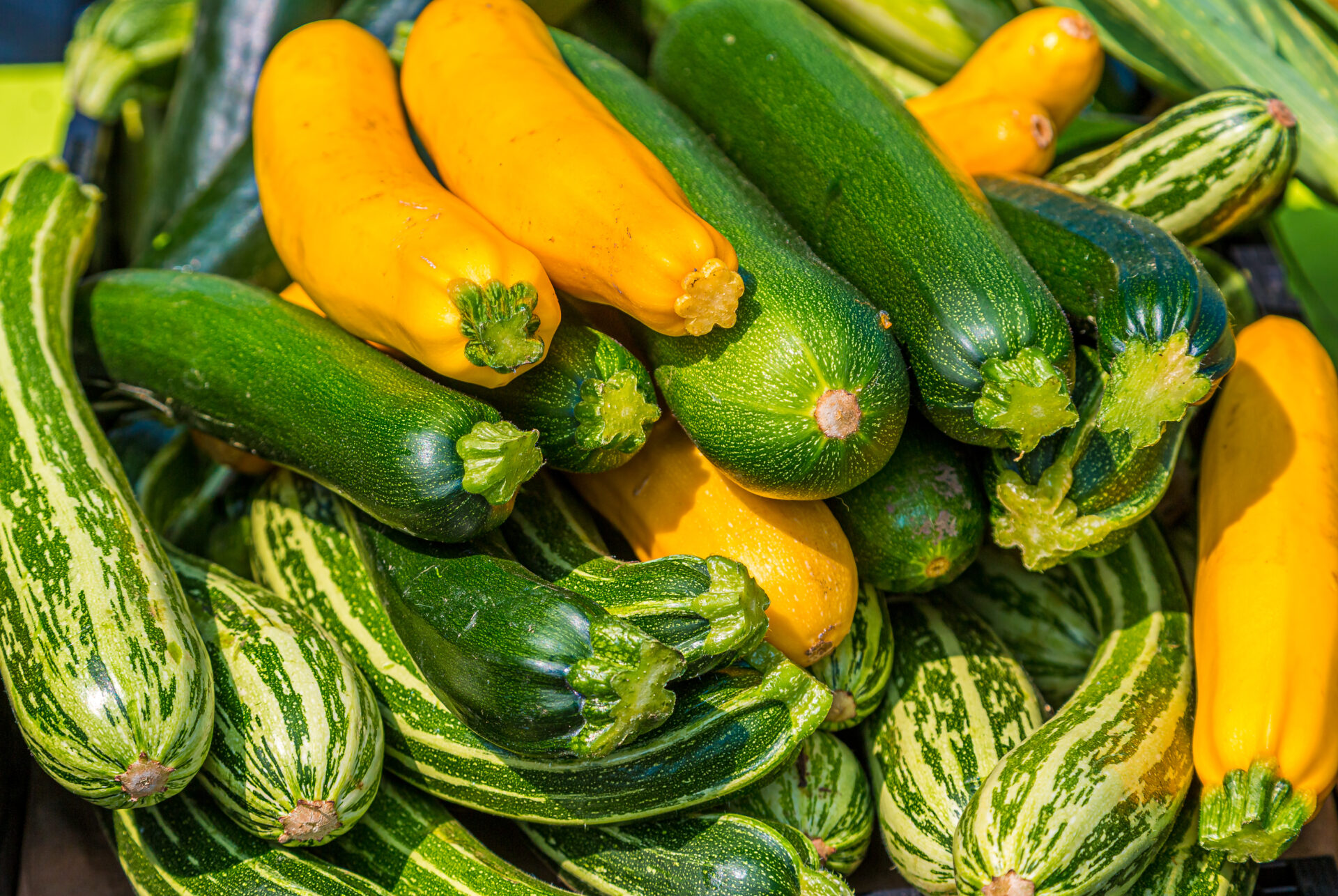
Image from cayugahealth.org.
Summer squash varieties like zucchini, yellow crookneck, and pattypan contain high water content and delicate flesh that makes them both challenging and rewarding to preserve. Unlike their hard-skinned winter squash cousins that store naturally for months on the pantry shelf, summer varieties require intervention to prevent spoilage. The good news is that these vegetables are incredibly versatile when it comes to preservation methods.
At Sustainable Gardening News, we understand the importance of preserving your garden’s bounty efficiently and safely. Our food preservation tips are designed to help home gardeners maximize their harvest and minimize waste, ensuring you can enjoy your homegrown zucchini and summer squash throughout the year!
5 Proven Methods to Preserve Zucchini and Summer Squash
When faced with mountains of summer squash, having multiple preservation strategies ensures nothing goes to waste. Each method offers distinct advantages depending on your time constraints, equipment availability, and how you plan to use the preserved product later. The perfect approach often involves combining several techniques to create a diverse pantry of preserved options.
Before diving into specific methods, remember that quality preservation starts with selecting peak-condition vegetables. Choose firm, unblemished squash with tender skin and small seeds for best results. Oversized zucchini with large seeds and tough skins are better candidates for stuffing, baking into bread, or shredding for casseroles than for most preservation techniques – although you can scoop out the seeds and shred the flesh for freezing as described below.
1. Freezing: The Quickest Preservation Method
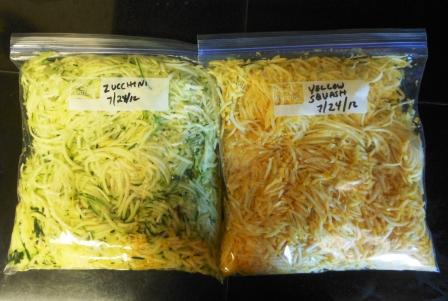
Image from myculturedpalate.com.
Freezing stands out as the most accessible preservation method requiring minimal specialized equipment. In just an afternoon, you can process pounds of summer squash that will maintain good quality for 8-12 months in a properly maintained freezer. The key to successfully frozen squash lies in proper preparation and packaging to prevent the dreaded freezer burn and mushy texture that disappoints many first-time preservers.
While simple, freezing does require some strategic decisions: whether to blanch first, which shape to freeze (slices, chunks, or shreds), and how to package for maximum freshness. These choices should align with your intended future uses—shredded for baking, sliced for casseroles, or chunked for soups and stews. For more budget-friendly preservation tips, check out The Thrifty Gardener’s Guide to Food Preservation.
2. Dehydrating: Create Versatile Squash Chips and Powder
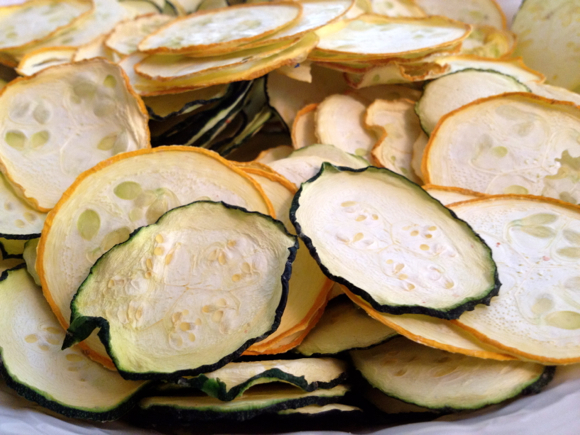
Image from traditionalcookingschool.com.
Dehydration transforms water-rich summer squash into concentrated flavor bombs that take up minimal storage space. Unlike freezing, which maintains the vegetable’s structure but requires electricity for storage, dehydrated squash products can be stored in airtight containers at room temperature for 6-12 months. This preservation method truly shines when storage space is limited or during extended power outages when frozen foods risk thawing.
The versatility of dehydrated summer squash extends beyond simple reconstitution. Crisp squash chips make tasty and nutritious snacks when seasoned before drying, while powder created from fully dehydrated squash adds stealth nutrition to winter soups, sauces, and even smoothies. Perhaps most impressive is vegetable leather—pureed squash combined with fruits like apples or berries and dried into portable, nutritious snacks! (Be sure to season judiciously as the squash flesh will shrink substantially while drying, concentrating the flavor of any seasonings you add. We ended up with inedibly salty chips the first time we tried making them.)
3. Pickling: Tangy and Crisp Preserved Squash
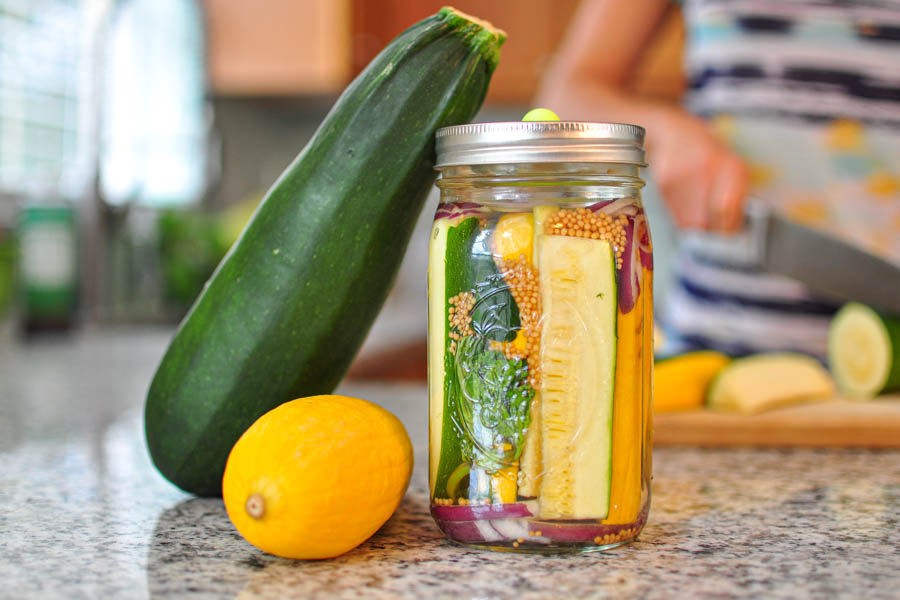
Image from fermentationadventure.com.
Pickling introduces an entirely different dimension to summer squash preservation, transforming mild-flavored vegetables into tangy, flavor-packed condiments. The high acid environment created by vinegar solutions not only enhances flavor but also creates a preservation environment hostile to harmful bacteria. Both quick refrigerator pickles and properly processed shelf-stable pickles offer excellent ways to preserve summer abundance.
The beauty of pickled summer squash lies in its versatility and quick preparation. Refrigerator pickles can be ready to enjoy in as little as 24 hours, though flavors develop more fully after several days. For those willing to process jars in a water bath canner, shelf-stable pickled squash products can be safely stored at room temperature for 12-18 months, providing a burst of summer brightness during the darkest winter days! For more ideas, check out six ways to preserve zucchini.
4. Fermenting: Probiotic-Rich Preserved Squash
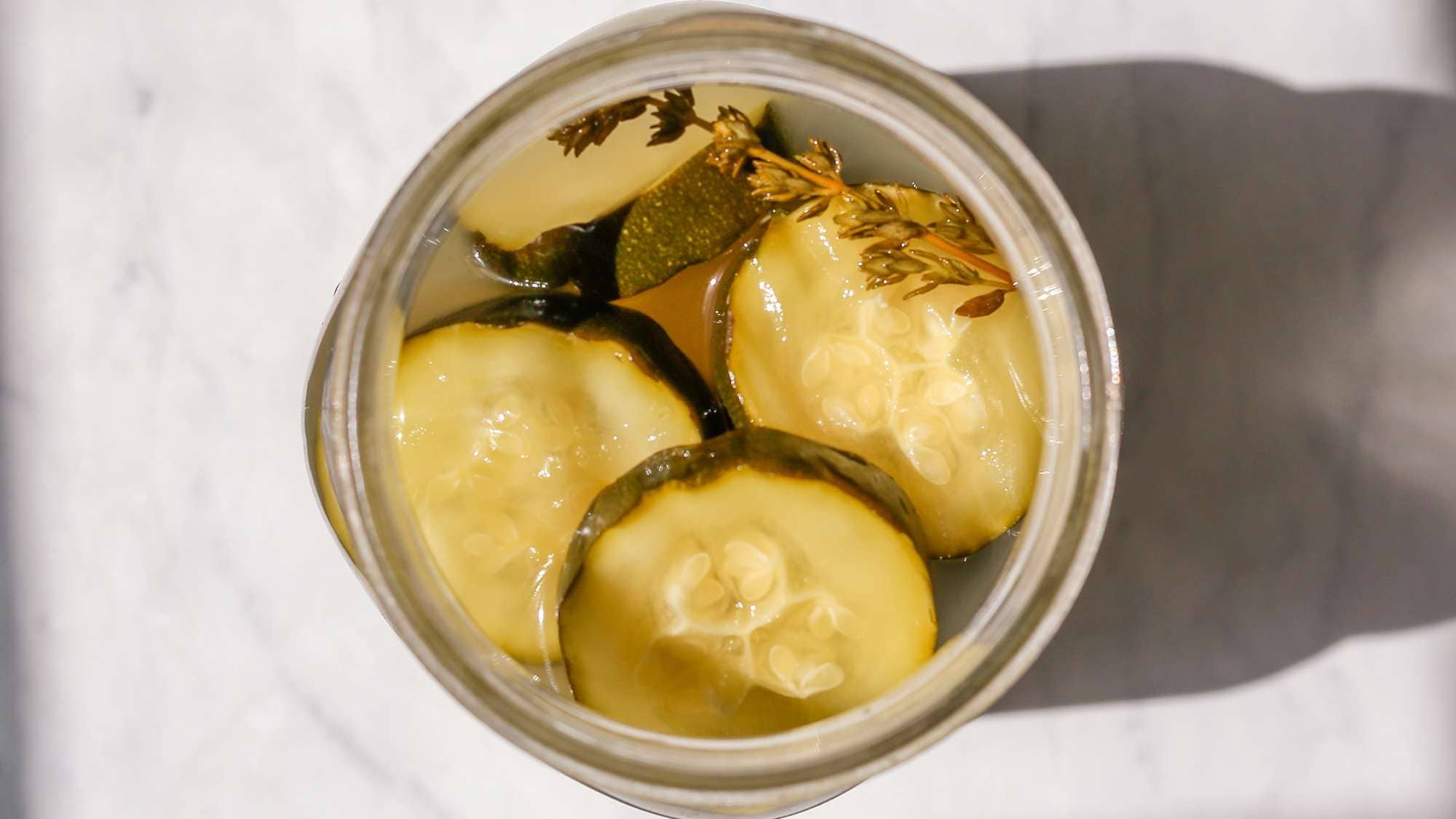
Image from cultured.guru.
Fermentation stands out as both the most ancient and most biologically complex (though technically simple) preservation technique for summer squash. Unlike other methods that prevent bacterial growth, fermentation harnesses beneficial bacteria to transform vegetables through lacto-fermentation. The process not only preserves summer squash but enhances its nutritional profile by creating probiotics and increasing vitamin bioavailability.
Despite its traditional roots, fermentation has experienced a modern renaissance as health-conscious cooks rediscover its benefits. The tangy, complex flavors developed during fermentation add depth to meals while supporting gut health. Plus, properly fermented vegetables can last months in cold storage without losing quality. And they are extremely easy to make, typically requiring only salt, water, and a glass container with a lid for fermenting.
5. Canning: Safety Considerations and Methods

Image from www.allrecipes.com.
When it comes to canning summer squash, safety must be your primary concern. The USDA specifically recommends against pressure canning zucchini and summer squash as plain vegetable products due to their density and unpredictable heat penetration. This can create dangerous environments where botulism toxins might develop undetected.
However, this doesn’t mean you can’t preserve squash using canning methods. Safe alternatives include pickled squash products as discussed above, relishes, and specific tested recipes where squash is an ingredient rather than the main component. For these preparations, the high acid environment prevents botulism concerns, making water bath canning a safe option. (See below for some tasty squash recipes which can be canned.)
Now, let’s take a closer look at some of our favorite ways to preserve zucchini and summer squash.
Dehydrating Squash: Techniques for Perfect Results
Dehydration removes moisture from zucchini and summer squash, concentrating flavors while creating shelf-stable products that require no refrigeration. The process transforms watery vegetables into versatile ingredients that can be reconstituted or used as-is in countless applications. Success comes from understanding the principles of even, consistent drying with proper air circulation.
For best results, slice squash uniformly—typically 1/8 to 1/4 inch thick—to ensure even drying throughout. Too thick, and pieces may not dry completely; too thin, and they become fragile wisps. Remove excess moisture by laying sliced squash on paper towels and lightly salting before dehydrating, which accelerates the drying process and enhances flavor.
Properly dehydrated squash should be brittle or leathery depending on your intended use. Pieces that remain bendable without breaking cleanly likely contain too much moisture for safe long-term storage and should be dried further to prevent mold growth during storage.
Using Food Dehydrators vs. Oven Methods
Dedicated food dehydrators offer the most consistent results through precise temperature control (typically 125-135°F) and engineered airflow. Their design eliminates hot spots and maintains the ideal drying environment for hours without supervision. Modern units with timers and adjustable temperature settings make the process nearly foolproof, though basic models without these features still perform admirably.
Conventional ovens can substitute when a dedicated dehydrator isn’t available, though with some limitations. Set your oven to its lowest temperature (ideally below 200°F), prop the door open slightly using a wooden spoon to allow moisture escape, and place squash slices on parchment-lined baking sheets. Oven drying typically requires more attention and rotation of trays for even results, and drying times may vary significantly compared to dedicated equipment.
Creating Zucchini Chips: Seasonings and Thickness
Zucchini chips transform humble garden overflow into crave-worthy snacks through proper thickness, pre-treatment, and creative seasonings. Slice squash 1/8-inch thick for crispy chips, sprinkle lightly with salt to draw out moisture, and pat dry before applying your chosen seasonings. Ranch, barbecue, salt and vinegar, or simple salt and pepper all create distinctive flavor profiles that showcase summer squash’s versatility! For those interested in growing their own ingredients, check out this organic summer squash growing guide for sustainable tips and techniques.

Image from www.aspicyperspective.com.
Making Vegetable Powder from Dehydrated Squash
Vegetable powder represents the ultimate space-saving preservation technique, reducing bulky squash to concentrated flavor dust that enhances countless dishes! Start with fully dehydrated squash pieces that snap cleanly when bent, then process in a high-powered blender or dedicated spice grinder until a fine powder forms.
- Add to soups, stews, and sauces for thickening and nutrition boost
- Mix into breading mixtures for extra vegetable content
- Blend into smoothies for hidden vegetable servings
- Incorporate into homemade pasta dough (or bread dough) for color and flavor
- Use as a salt-free seasoning base for dips and dressings
Store powder in small, airtight containers rather than one large container to minimize moisture exposure during use. Adding a food-grade desiccant packet helps extend shelf life by absorbing any residual or introduced moisture. For maximum versatility, consider creating both plain powder and pre-seasoned blends tailored to your favorite cuisines!
Powder yields vary significantly based on variety and growing conditions, but generally, a pound of fresh summer squash yields approximately 1-2 ounces of powder. This concentrated form allows you to incorporate substantial vegetable nutrition into winter meals with minimal storage space requirements. For more tips on preserving zucchini and summer squash, check out this guide to preservation methods.
Storage Solutions for Dehydrated Products
Proper storage determines whether your dehydrated squash lasts for weeks or months. Glass jars with tight-sealing lids provide the best protection, particularly when stored in cool, dark locations. Vacuum sealing extends shelf life further by removing oxygen that contributes to flavor degradation and potential spoilage.
Pickling Summer Squash: Beyond Cucumbers
Pickling transforms mild summer squash into vibrant, tangy preserves that brighten winter meals and complement rich dishes. The crunch and zippy acidity of properly pickled zucchini and yellow squash make them perfect accompaniments to sandwiches, charcuterie boards, and hearty winter braises. Unlike cucumbers, summer squash absorbs pickling flavors rapidly while maintaining structural integrity, resulting in quick-preparation options and diverse flavor possibilities.
Quick Refrigerator Pickles in 30 Minutes
Refrigerator pickles offer the fastest path to enjoying preserved summer squash with no specialized equipment required. Simply slice young, tender squash into uniform pieces (coins, spears, or ribbons), pack into clean jars with your favorite herbs and spices, and cover with a hot vinegar brine. Unlike shelf-stable pickles, these require refrigeration but reward with bright, fresh flavor and excellent texture.
The basic ratio for quick pickle brine is equal parts vinegar and water, plus 1-2 tablespoons of salt per quart. Heat this mixture just until the salt dissolves, then pour over prepared vegetables. White vinegar produces the cleanest flavor, while apple cider vinegar adds fruity notes that complement summer squash particularly well. Allow pickles to cool completely before refrigerating, where they’ll keep for 2-3 months while developing deeper flavor over time.
Bread and Butter Squash Pickles Recipe
This sweet-tangy recipe transforms summer squash into a classic bread and butter pickle that pairs beautifully with sandwiches, burgers, and cheese boards. The balance of sweetness with warm spices creates a versatile condiment that converts even skeptics into squash enthusiasts! For those interested in growing their own, consider this organic zucchini growing masterclass to ensure a fresh supply for pickling.
Bread and Butter Summer Squash Pickles
2 pounds mixed zucchini and yellow squash, sliced 1/4-inch thick
1 large sweet onion, thinly sliced
2 tablespoons kosher salt
2 cups apple cider vinegar
1 cup white sugar
1 tablespoon mustard seeds
1 teaspoon celery seeds
1/2 teaspoon turmeric
1/4 teaspoon ground clovesToss squash and onion with salt in a large bowl. Cover with ice water and let stand 2 hours. Drain thoroughly and pack into clean jars. Combine remaining ingredients in a saucepan, bring to a boil, and pour hot over vegetables. Seal jars and refrigerate at least 24 hours before serving. For shelf-stable pickles, process filled jars in a boiling water bath canner for 10 minutes.
Spicy Pickled Squash Variations
Heat-loving gardeners often grow abundant chile peppers alongside summer squash, creating perfect pickling partners! Adding fresh or dried chilies to pickled squash preparations creates complexity that balances the natural sweetness of summer squash. Combine thinly sliced jalapenos, a splash of hot sauce, or red pepper flakes with traditional pickling spices for a versatile condiment that elevates winter meals with summer brightness and warming heat.

Image from www.thespruceeats.com.
Fermenting Zucchini and Summer Squash
Fermentation harnesses beneficial bacteria to transform summer squash into probiotic-rich preserved vegetables with complex flavor development. Unlike vinegar pickling, fermentation creates acidity naturally through bacterial action on vegetable sugars. The result is a living food with enhanced nutritional value and unique flavor profiles that change and develop during storage.
The science behind fermentation sounds complex, but the process remains remarkably straightforward. Salt creates an environment where harmful bacteria cannot thrive while beneficial lactic acid bacteria flourish. These good bacteria consume sugars in the vegetables, producing lactic acid that both preserves the food and creates the characteristic tangy flavor that makes fermented foods so distinctive.
Basic Fermentation Equipment Needed
Successful fermentation requires minimal equipment but benefits from tools specifically designed to maintain anaerobic conditions. At minimum, you’ll need wide-mouth glass jars, non-iodized salt, and weights to keep vegetables submerged below the brine. Purpose-made fermentation weights, water-sealed crocks, or simply specialized lids with airlocks prevent oxygen exposure while allowing carbon dioxide to escape during active fermentation.
- Glass or ceramic fermentation vessels (never metal or plastic)
- Weights to keep vegetables submerged (glass, ceramic, or food-grade plastic)
- Airlock system or regular burping schedule to release pressure
- Non-iodized salt (kosher, sea salt, or pickling salt all work fine)
- Clean workspace and utensils to prevent contamination
Simple Lacto-Fermented Squash Recipe
Begin your fermentation journey with this straightforward recipe that showcases summer squash’s versatility. Slice 2 pounds of mixed zucchini and yellow squash into uniform pieces, then combine with 1 tablespoon of non-iodized salt and massage gently until moisture begins to release. Pack tightly into clean jars, add optional aromatics like garlic, dill, or mustard seeds, then top with brine (1 tablespoon salt dissolved in 2 cups filtered water) if needed to fully submerge vegetables. Weight vegetables below brine level, cover with an airlock lid to allow gas escape, and ferment at room temperature (65-75°F) for 3-7 days, tasting occasionally until desired flavor develops.
Troubleshooting Common Fermentation Issues
Mold growth indicates oxygen exposure—scrape away surface mold if minimal, ensure vegetables remain fully submerged, and consider using an airlock system for future batches. Soft or slimy texture usually results from too little salt or too high fermentation temperature; increase salt slightly in future batches and find a cooler location. Unpleasant odors beyond normal fermentation smell (which should be tangy but not putrid) suggest contamination; when in doubt, discard the batch and start fresh with thoroughly sanitized equipment.
Creative Ways to Use Your Preserved Squash
The true test of preservation success comes when winter arrives and you begin incorporating your summer bounty into meals. Well-preserved summer squash transitions seamlessly into cold-weather cooking, even performing better than its fresh counterparts in certain applications. The concentrated flavors achieved through preservation often enhance winter dishes when fresh produce lacks seasonal vibrancy.
Planning how you’ll use preserved squash should actually begin before you preserve it. Consider your family’s favorite meals and how different preservation methods might best serve those dishes. This forward-thinking approach ensures you’ll preserve your harvest in forms you’ll actually use rather than experimental methods that might languish unused.
Adding Frozen Squash to Soups and Sauces
Frozen summer squash shines brightest in cooked applications where its softer texture becomes an advantage rather than a limitation. Add frozen squash chunks directly to simmering soups and stews without thawing for best texture results. For creamy vegetable soups, frozen squash provides body and nutrition while blending smoothly with other ingredients. When making tomato-based pasta sauces, stir in thawed and drained shredded zucchini during the final minutes of cooking for added nutrition that virtually disappears while thickening the sauce.
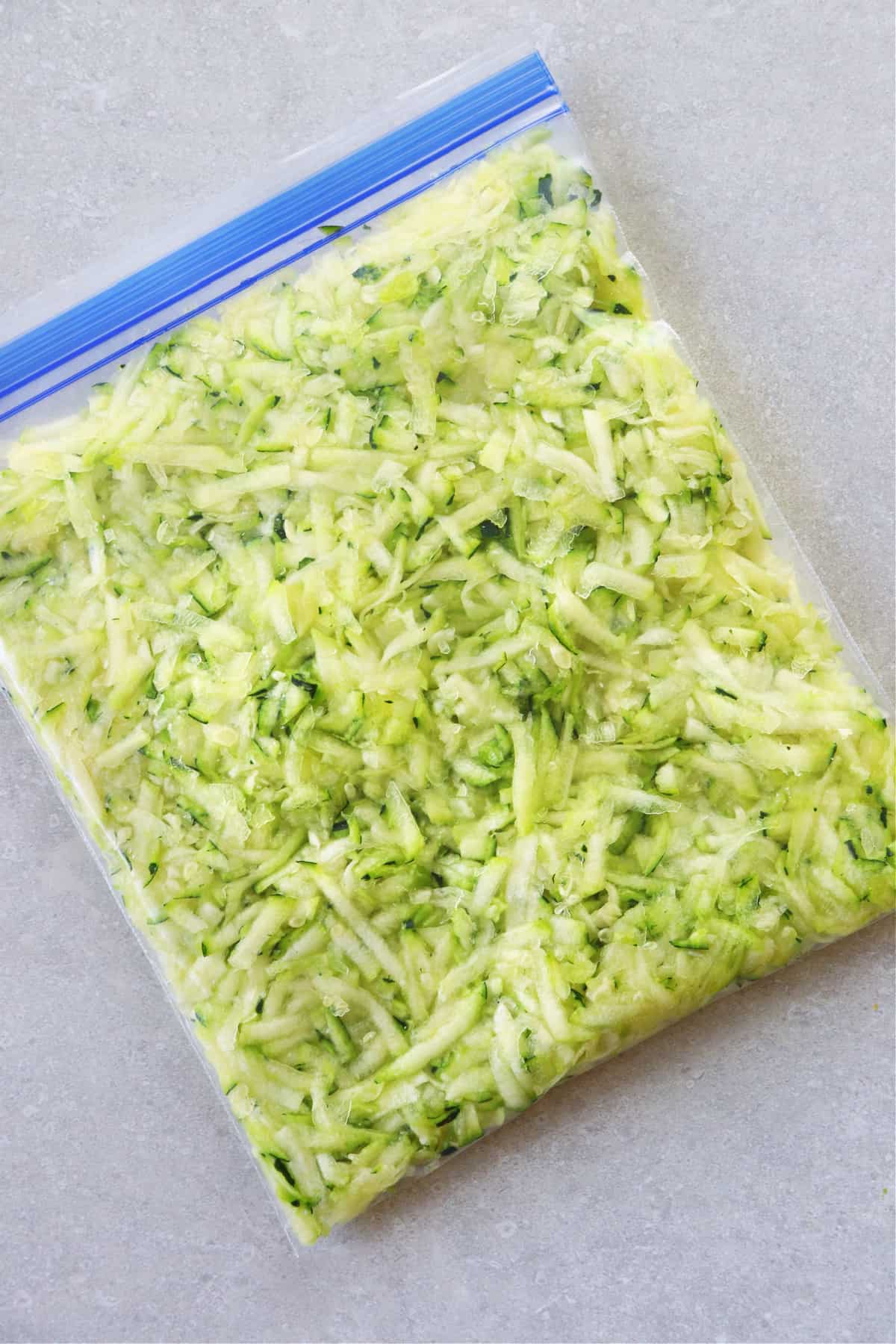
Image from www.crunchycreamysweet.com.
Baking with Dehydrated Zucchini
Dehydrated zucchini transforms baked goods through both texture and nutrition enhancement. Rehydrate dried zucchini pieces in warm water for 10-15 minutes before adding to muffins, quick breads, and savory scones—the mild flavor complements both sweet and savory applications while adding moisture. For cookies and crackers, finely ground zucchini powder incorporates seamlessly without changing texture while boosting nutritional content. Unlike frozen zucchini, dehydrated products don’t introduce excess moisture to baked goods, making them ideal for recipes where water content critically affects texture.
Quick Meals Using Pickled and Fermented Squash
Pickled and fermented summer squash elevate simple meals to memorable experiences through their bright flavors and textural contrast. Layer pickled zucchini into grilled cheese sandwiches, chop and stir into tuna or chicken salad, or add to grain bowls for acidic balance. Fermented squash adds probiotic benefits and complex flavor to winter salads, grain dishes, and alongside rich meats where their acidity cuts through fatty richness.
For almost-instant meals, combine pickled squash with pantry staples like canned beans, olive oil, and herbs for a vibrant bean salad, or toss with cooked pasta, olive oil, and Parmesan for a light yet satisfying dinner! The acidic brightness of preserved squash often eliminates the need for additional dressing or sauce, simplifying meal preparation while maximizing flavor. Here are a few more tasty ideas:
- Dice pickled squash and fold into deviled egg filling for tangy contrast
- Blend fermented squash into hummus for probiotic-enhanced dip
- Layer thinly sliced pickled zucchini over pizza just before serving
- Chop fermented summer squash into grain salads for complexity
- Incorporate pickled squash into vinaigrettes for a built-in acid component
The versatility of preserved summer squash extends to unexpected applications that showcase its chameleon-like ability to adapt. For example, finely chop pickled squash and incorporate into compound butter for instant flavor enhancement to steamed vegetables or grilled meats. Puree fermented squash with olive oil and herbs for a probiotic-rich sauce that transforms simple grilled proteins into restaurant-worthy meals.
Even sweet applications can benefit from preserved squash’s versatility! Candy pickled squash slices by simmering in simple syrup until translucent for an unusual condiment that pairs beautifully with cheese plates or desserts. The natural sweetness of summer squash concentrates during preservation, creating unexpected versatility that spans culinary boundaries.
Solving Common Preservation Problems
Even experienced food preservers occasionally encounter challenges when working with summer squash. The high water content and delicate texture that make these vegetables delicious fresh can create obstacles during preservation. Understanding the science behind common issues helps troubleshoot problems and improve future preservation efforts.
Most preservation failures stem from a handful of common causes: improper preparation, inadequate processing, contamination, or inappropriate storage conditions. Identifying exactly where things went wrong allows targeted adjustments rather than abandoning a preservation method entirely.
Remember that even “failed” preservation attempts often remain usable in alternative applications. Overly soft frozen squash might disappoint in stir-fries but blend beautifully into soups. Chips that didn’t crisp properly in the dehydrator can be pulverized into powder for seasoning blends. Adaptability prevents waste while teaching valuable lessons for future preservation efforts.
Preventing Soggy Frozen Squash
The cell structure of summer squash breaks down during freezing, releasing water upon thawing that creates the soggy texture many find disappointing. Counteract this by blanching properly (exactly 3 minutes for slices, 2 for shreds), then shocking in ice water to halt cooking before thoroughly draining. Pat blanched squash completely dry before freezing, as excess surface moisture forms ice crystals that accelerate cell rupture.
For recipes where texture matters most, consider alternative preparation methods like breading and par-frying slices before freezing—this creates a protective coating that maintains better structure during freezing and reheating. Flash-freezing individual pieces on baking sheets before packaging also minimizes damage by allowing faster freezing and preventing pieces from sticking together in a solid mass.
Fixing Leathery Dehydrated Chips
Dehydrated squash should have consistent texture throughout—either completely crisp for chips or uniformly pliable for pieces intended for rehydration. Leathery chips with moisture variations indicate uneven drying, often from slices cut at inconsistent thickness or inadequate rotation during the drying process. Resolve this by returning chips to the dehydrator until completely dry throughout, rotating trays, and separating pieces to ensure adequate air circulation.
Maintaining Pickle Crispness
The secret to crisp pickled summer squash lies in proper vegetable selection and preparation techniques. Choose young, firm squash harvested before seeds develop fully, and always trim blossom ends which contain enzymes that promote softening. Adding calcium chloride (sold as Pickle Crisp) at 1/8 teaspoon per pint maintains cell structure during processing, while including tannin-rich grape leaves can provide natural crispness enhancement through traditional methods.
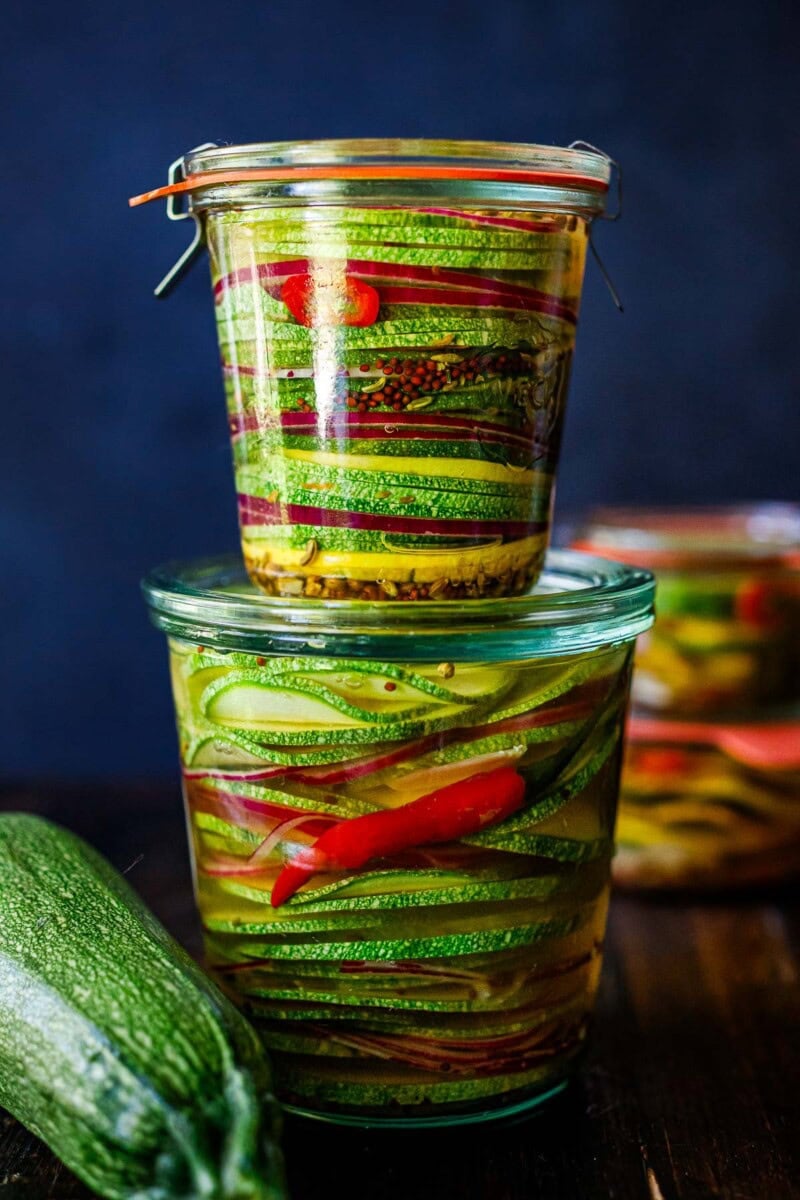
Image from www.feastingathome.com.
Make the Most of Your Summer Harvest Year-Round
Mastering multiple preservation methods for summer squash transforms seasonal abundance from overwhelming to empowering. By approaching your harvest strategically—freezing some, dehydrating others, pickling unique varieties, and fermenting experimental batches—you create a diverse pantry that enhances meals throughout the year while honoring the effort invested in growing these versatile vegetables!
Frequently Asked Questions
Summer squash preservation generates many questions as gardeners and cooks navigate the unique challenges these vegetables present. These frequently asked questions address common concerns while providing solutions based on food science principles and tested techniques.
Can you freeze zucchini without blanching it first?
Yes, you can freeze zucchini without blanching, particularly when preserving shredded zucchini for baking applications where texture changes won’t matter. Simply shred, measure into recipe-ready portions, and pack in freezer bags with excess air removed. Expect unblanched zucchini to develop more pronounced texture changes, color darkening, and potential enzyme activity that affects flavor over longer storage periods.
For sliced zucchini intended for savory cooking where texture matters more, blanching remains strongly recommended. The brief heat treatment deactivates enzymes that would otherwise cause quality deterioration during freezer storage, preserving better color, flavor, and nutritional value for up to 9-12 months versus just 3-4 months for unblanched products.
If you’re determined to skip blanching for convenience, compensate with excellent packaging techniques. Vacuum sealing removes oxygen that contributes to quality degradation, while ensuring packages are thin and flat (or flash freezing) promotes rapid freezing that minimizes cell damage.
- Unblanched zucchini works best in: quick breads, muffins, fritters, and pancakes
- Always blanch when preserving for: stir-fries, casseroles, side dishes, and roasting
- Compromise option: Salt and drain shredded zucchini before freezing to remove excess moisture
- Storage duration: Use unblanched within 3-4 months for best quality
How long does dehydrated summer squash last in storage?
Properly dehydrated and stored summer squash remains good for 6-12 months under optimal conditions. Maximum shelf life depends on several factors: completeness of dehydration (pieces should be brittle, not bendable), storage container quality (airtight glass jars ideal), storage location conditions (cool, dark, and dry), and humidity exposure during storage. For extended storage approaching the 12-month mark, consider adding oxygen absorbers to storage containers and implementing vacuum sealing techniques that substantially reduce oxidation and potential moisture reabsorption.
Why can’t I water bath can plain zucchini?
Water bath canning requires high-acid foods with pH below 4.6 to prevent botulism spore germination. Summer squash is a low-acid vegetable with pH typically between 5.8-6.5, making it unsafe for water bath canning unless acidified. Additionally, the dense texture of summer squash creates heat penetration challenges even in pressure canning, which is why the USDA removed recommendations for pressure canning plain zucchini in the 2015 guidelines.
- Unsafe: Water bath canning plain zucchini or summer squash
- Safe alternatives: Pickled squash products with sufficient vinegar
- Safe alternatives: Zucchini relish, chutney, and salsa with tested recipes
- Safe alternatives: Tomato sauce mixtures with added acid ingredients and limited squash percentages
- When in doubt: Freeze instead of experimenting with untested canning recipes
This safety concern doesn’t reflect processing temperature inadequacy but rather the vegetable’s density and tendency to pack tightly, creating potential cold spots during processing. While historical canning books might include recipes for pressure-canned summer squash, current safety standards recognize the unpredictable nature of heat penetration in this particular vegetable.
If you encounter online recipes claiming to safely water bath can plain zucchini, approach with extreme caution. Food preservation safety standards evolve based on scientific research, and botulism—while rare—presents severe health risks that make adherence to current guidelines essential.
What’s the best way to use frozen shredded zucchini?
Frozen shredded zucchini performs best in recipes where moisture contribution benefits the final product or where thorough cooking integrates it into the overall texture. Simply thaw in a colander to drain excess liquid before adding directly to zucchini bread, muffin, or pancake batters—the remaining moisture actually improves these baked goods. For savory applications, press thawed shredded zucchini between paper towels to remove excess water before adding to casseroles, frittatas, pasta sauces, or grain dishes where it practically disappears while adding nutrition and subtle vegetable flavor. For more tips on growing and using zucchini, check out our Organic Summer Squash Growing Guide.
Can I pickle different types of summer squash together?
Absolutely! Combining yellow crookneck, zucchini, patty pan, and other summer squash varieties creates visually stunning pickled products with complementary textures. The key to successful mixed pickles lies in selecting varieties with similar density and water content, then cutting pieces to uniform sizes that ensure consistent brine penetration and texture development. This approach not only maximizes harvest preservation but creates unique color combinations that make home-preserved products visually distinctive and gift-worthy.
For the most attractive mixed pickles, select contrasting colors—deep green zucchini, bright yellow crookneck, and pale green patty pan—and cut into similar shapes and sizes. The slightly different flavors and textures between varieties create more interesting preserved products than single-variety options, while the consistent pickling process ensures food safety regardless of variety combination.
Featured Image from petersfoodadventures.com.

Related Posts
-
 11 Fruits & Veggies To Store For Winter – No Preservation Needed!
- Your To-Do List for September
- Keeping Carrots Crisp: Post-Harvest Techniques for Long-Lasting Freshness
- [Video] How to Harvest & Cure Winter Squash for Storage
- How to Store Winter Vegetables In the Garden
- Harvest Guide: Best Techniques & Tips for Preserving Asparagus


