5 Best Plant Stands for Small Spaces

These plant stands for small spaces offer function & design for displaying your indoor plants without taking up your living room…
Key Takeaways:
- Vertical multi-tier plant stands maximize your plant collection while minimizing floor space usage in small apartments and homes
- Wall-mounted options completely eliminate floor footprint while still beautifully displaying your greenery
- Multi-functional plant stands with storage capabilities offer practical solutions for extremely limited spaces
- Tribesigns offers specialized plant stands designed specifically for small-space dwellers with space-saving features
- The right plant stand can transform a cramped space into a lush indoor garden without sacrificing precious square footage
Living in a small space doesn’t mean you have to sacrifice your love for plants. In fact, the right plant stand can transform even the tiniest apartment into a verdant sanctuary. The challenge lies in finding stands that maximize vertical space while maintaining a small footprint.
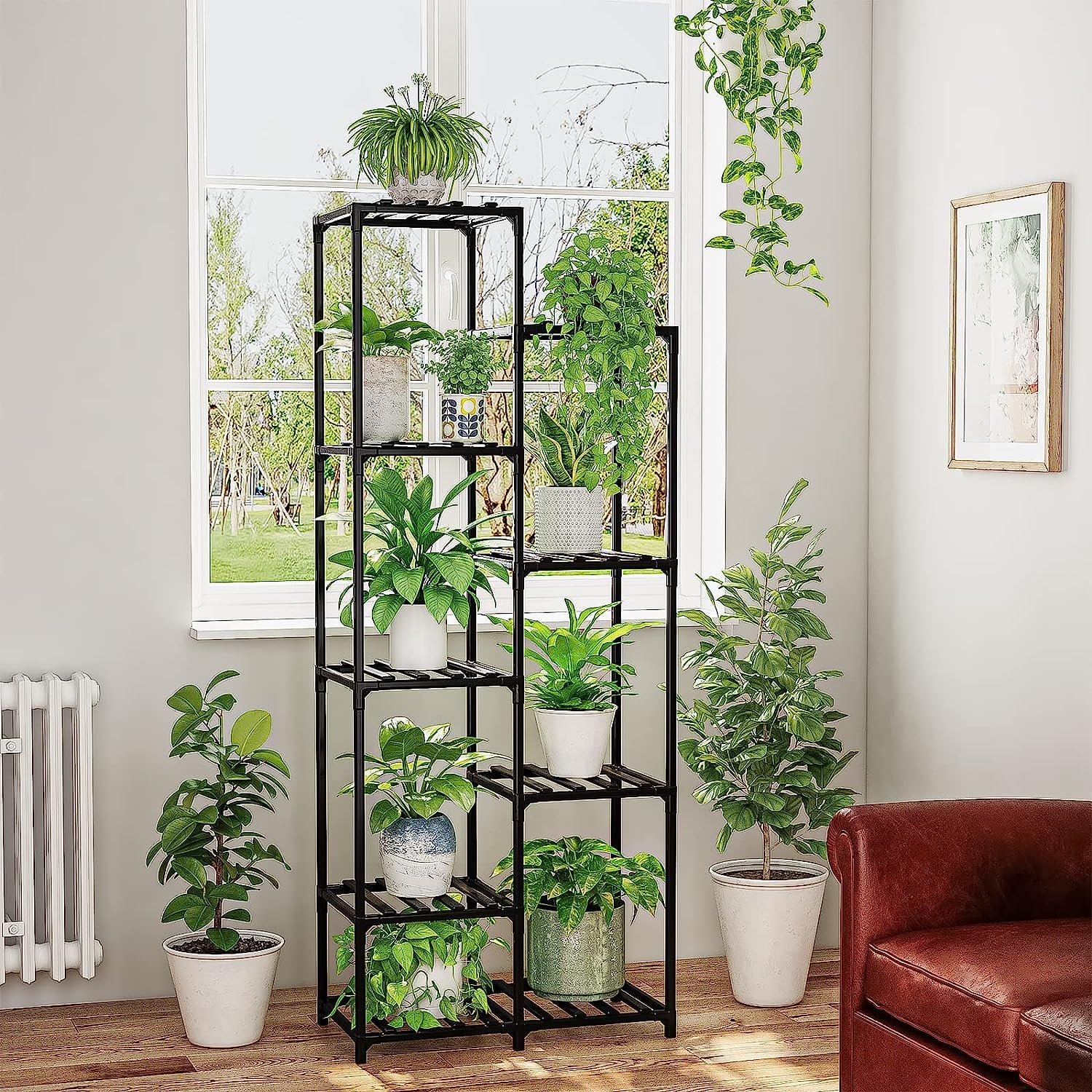
Image from www.walmart.com.
From corner-hugging vertical designs to wall-mounted solutions, today’s options are both practical and stylish. For example, Tribesigns offers a number of beautiful and space-conscious plant stand options that combine durability with space-saving design, perfect for urban dwellers looking to bring more greenery indoors without sacrificing precious floor space.
Let’s explore the best plant stands for small spaces that will help you display your botanical beauties without making your home feel cramped or cluttered.
1. Vertical Multi-Tier Plant Stands for Maximum Plant Display
When floor space is at a premium, going up is your best strategy. Vertical multi-tier plant stands allow you to display multiple plants while taking up minimal floor space. These stands typically feature 3-7 tiers of shelving, creating homes for numerous plants in the footprint of just one large pot.
The beauty of vertical stands lies in their versatility. You can place different-sized plants on various levels, creating visual interest and allowing each plant to receive appropriate light. Some models feature adjustable shelves, letting you accommodate plants of varying heights as they grow.
For extremely tight spaces, look for corner-shaped multi-tier stands. These triangular designs fit perfectly into unused corner spaces, transforming dead space into a flourishing plant display.
- A-frame designs work well against flat walls
- Spiral or S-shaped stands add architectural interest
- Ladder-style stands can double as room dividers
- Corner units maximize otherwise unused space
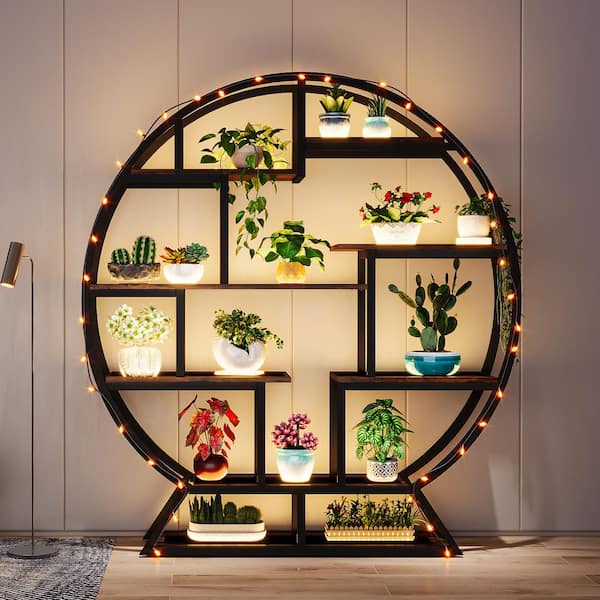
Image from www.homedepot.com.
Why Vertical Plant Stands Are Perfect for Apartments
Apartment dwellers face unique challenges when creating indoor gardens. Limited floor space, rental restrictions, and often inadequate natural light make traditional plant arrangements difficult. Vertical plant stands address these challenges elegantly.
By stacking plants vertically, you can position shorter plants at the bottom and taller varieties at the top, ensuring each gets appropriate light exposure even with limited window access. This arrangement also improves air circulation between plants, reducing pest problems and fungal issues common in crowded plant collections.
The mobility factor is another key advantage for renters. Unlike built-in shelving or wall installations that might violate lease agreements, free-standing vertical plant stands can move with you from apartment to apartment, requiring no permanent modifications to your space.
Tiered Bamboo Corner Plant Stand
Among the most efficient designs for small spaces is the tiered corner bamboo plant stand. This triangular stand slides perfectly into unused corners, creating a stunning vertical garden in previously wasted space. The bamboo construction offers natural beauty while being surprisingly durable and moisture-resistant.

Image from www.amazon.com.
Best Placement Options for Tall Plant Stands
Strategic placement of your tall plant stand can make all the difference in small spaces. The most obvious location is near a window where plants receive adequate light, but consider unexpected spots too. The dead space beside a refrigerator or next to a TV console often provides perfect dimensions for a slender plant stand.
In studio apartments, consider using a tall plant stand as a subtle room divider between living and sleeping areas. This creates visual separation without blocking light or making the space feel closed off. For bathrooms with adequate light, a narrow vertical stand can utilize empty wall space while creating a spa-like atmosphere with humidity-loving plants.
Always ensure your plant stand has at least 6 inches of clearance on all sides to allow for proper airflow and easy maintenance. This prevents mold issues and makes watering less likely to damage walls or nearby furniture.
2. Wall-Mounted Shelving Units That Free Up Floor Space
When floor space is virtually non-existent, look upward and consider wall-mounted plant shelving. These installations take advantage of vertical wall space that would otherwise go unused. The greatest advantage of wall-mounted options is their zero-footprint design—they don’t consume any valuable floor space at all.
Modern wall-mounted plant shelves come in countless designs, from minimalist floating shelves to elaborate grid systems. Materials range from industrial metal to warm wood tones, allowing you to match your existing décor. Some systems even include built-in grow lights for plants in darker corners of your home.
Installation complexity varies widely between designs. Some require significant wall anchoring for heavier plants, while lightweight options may need only minimal hardware. Always check weight limits before loading shelves with plants and pots, which can become surprisingly heavy when watered.
IKEA Skådis Pegboard System for Plant Displays
The IKEA Skådis pegboard system has become a favorite among small-space plant enthusiasts for its incredible versatility. Originally designed for office organization, this affordable wall-mounted grid system can be customized with various accessories perfect for displaying small to medium plants.

Image from www.livingetc.com.
The pegboard base attaches securely to walls, while modular shelves, containers, and hooks can be rearranged endlessly as your plant collection evolves. Small pots can sit directly on shelves, while trailing varieties look stunning suspended from hooks in hanging planters. The system’s flexibility allows you to create a living wall that’s both functional and visually striking.
What makes this system particularly perfect for renters is how easily it can be removed and reinstalled in a new location. The entire display can be dismantled without significant wall damage, making it ideal for those who move frequently but want to maintain an impressive plant display.
Floating Corner Shelves for Sunny Windows
Corner floating shelves maximize those awkward 90-degree angles that typically go unused in small apartments. These triangular shelves fit snugly into corners, creating perfect platforms for plants without protruding far into the room. When installed near windows, they provide ideal conditions for sun-loving plants while keeping them safely off limited counter and floor space.
For the most polished look, choose a tiered installation with progressively smaller shelves as they ascend the wall. This creates a natural visual pyramid that draws the eye upward, making ceilings appear higher while showcasing plants of different sizes. To prevent water damage, look for shelves with slight lips or apply clear silicone barriers to contain minor spills during watering.
Installation is relatively simple with proper anchors, making these a feasible option even for renters (with landlord permission). The best part? When properly installed, each shelf can typically support between 15-25 pounds—enough for most medium-sized potted plants. For more ideas on how to utilize plant stands in tight areas, check out these tips for small spaces.
3. Multi-Functional Plant Stands with Storage
In extremely limited spaces, every piece of furniture must earn its keep by serving multiple purposes. Modern plant stands have evolved beyond simple display surfaces to incorporate valuable storage features. These hybrid pieces might include drawers for gardening tools, shelves for books, or even hidden compartments for electronics.
The beauty of multi-functional stands lies in their space-efficiency. Rather than dedicating precious square footage to a single-purpose plant display, you’re consolidating furniture needs! This approach not only saves space but creates a more cohesive look by reducing the total number of furniture pieces competing for attention in your small room. For more ideas on how to maximize your space, check out these plant stand inspirations.
The Tribesigns Plant Stand with Built-in Bookshelf
Tribesigns has revolutionized small-space plant displays with their ingenious plant stand/bookshelf hybrid. This thoughtfully designed piece features graduated shelving that accommodates plants of different sizes while incorporating traditional bookshelf compartments. The clever arrangement provides optimal light exposure for plants while keeping books and decorative items accessible but protected from water damage.

Image from tribesigns.com.
The construction quality exceeds expectations for the price point, with water-resistant finishes that withstand occasional spills during plant care. The sleek modern design works in virtually any décor scheme, from minimalist to bohemian. What makes this stand particularly valuable is its slim profile—at just 11 inches deep, it can fit in tight spaces where standard bookcases would be too intrusive.
How to Style Multi-Purpose Plant Furniture
Styling multi-purpose plant furniture requires a thoughtful approach to balance functionality with aesthetics. Begin by placing your largest statement plants at varying heights to create visual rhythm. Reserve middle shelves for medium-sized plants with interesting foliage patterns, while smaller plants and trailing varieties work beautifully on upper levels.
Consider color coordination between your pots and the furniture itself. For wood-toned stands, terracotta and ceramic pots in earth tones create a cohesive look, while metal stands pair beautifully with concrete or monochromatic planters! Avoid overcrowding by leaving negative space between plants—this not only looks more intentional but provides better air circulation for plant health.
Integrate non-plant items sparingly to enhance the multi-functional aspect without creating clutter. Small art pieces, a few select books, or decorative objects that complement your plants’ colors can tie the entire display together while maximizing the furniture’s utility.
Weight Capacity Considerations
When selecting multi-functional plant stands, weight capacity becomes critically important. Most high-quality stands support between 25-50 pounds per shelf, but this varies widely based on construction materials and design. Plants become substantially heavier after watering, and ceramic pots add significant weight compared to plastic alternatives.
For safety and furniture longevity, distribute weight evenly across multiple shelves rather than concentrating heavy plants on a single level. Place your heaviest plants on lower shelves to maintain stability and prevent tipping. If you’re unsure about weight limits, start with lighter plants and gradually introduce heavier specimens while monitoring for any signs of stress on the structure.
Pro Tip: To estimate the total weight of your potted plants, weigh them immediately after watering when they’re at their heaviest. This ensures you’ll never exceed your furniture’s weight capacity, even on watering day.
4. Rolling Plant Caddies for Flexible Arrangements
For ultimate flexibility in small spaces, rolling plant stands deliver functionality that static options can’t match. These mobile platforms allow you to easily reposition plants to follow sunlight patterns throughout the day or quickly rearrange your space for entertaining. The mobility factor makes plant maintenance easier too—simply roll plants to the sink for watering rather than struggling with watering cans in tight spaces.
Modern rolling plant stands come in various configurations from simple single-plant wheeled platforms to elaborate multi-tiered rolling carts. Look for models with locking wheels that provide stability when positioned but release easily when movement is desired. The ability to relocate plants without heavy lifting is particularly valuable for larger specimens that would otherwise be difficult to reposition as seasonal light changes.

Image from www.archiexpo.com.
When to Move Plants for Optimal Sunlight
Understanding when to reposition your plants is key to maximizing the benefits of rolling stands. Most houseplants thrive with consistent light conditions, but seasonal changes significantly alter sunlight patterns. During winter months when daylight hours shorten, mobile stands allow you to position light-loving plants directly in front of windows during peak sun hours, then roll them back to their decorative positions later.
Pay attention to your plants for signs they need repositioning—leaning stems reaching toward light sources indicate insufficient exposure, while scorched leaves suggest too much direct sun. The ideal schedule varies by plant variety and window orientation, but generally, spring and fall require the most frequent adjustments as daylight angles shift dramatically. With rolling stands, these adjustments become effortless daily rituals rather than major furniture-moving operations.
5. Hanging Plant Displays for Zero Floor Space Usage
For the ultimate space-saving solution, hanging displays eliminate floor space requirements entirely. These suspended systems transform empty air into valuable plant real estate, particularly useful in micro-apartments where every square inch of floor space is precious. Hanging displays create visual interest at eye level and above, drawing attention upward and making rooms feel larger.
Modern hanging options extend far beyond the traditional macramé plant hangers of the 1970s (though these have made a stylish comeback as discussed below). Today’s systems may include tension rods, ceiling tracks, suspended shelving units, and elaborate pulley systems that allow you to lower plants for watering. The key advantage is versatility—hanging displays can be installed almost anywhere there’s overhead support, from ceiling joists to curtain rods or even repurposed clothing racks!
Macramé Plant Hangers for Window Areas
Macramé plant hangers have experienced a remarkable renaissance in contemporary interior design, evolving far beyond their bohemian origins. Today’s macramé pieces range from intricate traditional designs to sleek modern interpretations featuring clean lines and minimalist patterns. These textile plant holders create visual texture while suspending plants at various heights, creating dimension without consuming valuable surface area.

Image from onelittleproject.com.
Window areas offer ideal placement for macramé hangers, allowing plants to receive abundant light while remaining safely suspended above furniture and walkways. For renters concerned about ceiling mounting, tension rods installed inside window frames provide secure hanging points without permanent installation. Multiple hangers at staggered heights create a living curtain effect that provides privacy while maintaining natural light flow.
Ceiling-Mounted Plant Systems for Studio Apartments
Studio apartments present unique challenges where every square foot serves multiple functions. Ceiling-mounted plant systems offer an ingenious solution by utilizing the one space that’s guaranteed to remain unused—the ceiling! Modern ceiling track systems allow plants to be suspended anywhere across a room’s expanse, not just near walls or windows. Some advanced systems even incorporate curved or branching tracks that create organic, tree-like arrangements of hanging plants.
The most practical ceiling systems for renters are tension-mounted designs that install without permanent hardware. These systems use adjustable poles that press against opposing walls or ceiling and floor, creating secure mounting points without damaging surfaces. For plant accessibility, look for systems with pulley mechanisms that allow you to lower plants for watering and maintenance without needing a ladder.
Best Plants for Hanging Displays
Not all houseplants thrive in hanging environments, so selection becomes crucial for successful aerial gardens. Trailing varieties naturally adapt to hanging positions, with their cascading growth habit creating dramatic visual impact as they mature. Spider plants, pothos, string of pearls, and various philodendron varieties excel in hanging displays, with some specimens developing impressive lengths of 6 feet or more when properly maintained.
Beyond appearance, consider weight and water requirements when selecting hanging plants. Lightweight species that prefer to dry out between waterings minimize structural stress and reduce dripping concerns. Avoid plants requiring frequent rotation (like fiddle leaf figs) as access can be challenging in ceiling-mounted systems.
For beginners, heartleaf philodendron offers the perfect combination of visual impact, lightweight structure, and forgiving water requirements. These adaptable plants produce glossy heart-shaped leaves along trailing vines that can reach impressive lengths even in less-than-ideal conditions.
Create Your Own Green Sanctuary No Matter How Small Your Space
Transforming your small space into a thriving indoor garden doesn’t require sacrificing precious square footage—it simply demands thoughtful plant stand selection. By thinking vertically, embracing wall space, choosing multi-functional pieces, incorporating mobility, and utilizing hanging systems, you can surround yourself with greenery regardless of spatial limitations! The psychological benefits of living among plants—reduced stress, improved air quality, and enhanced mood—make these space-conscious solutions well worth implementing.

Image from belleze.com.
Frequently Asked Questions
Plant stands for small spaces generate many questions as people try to balance their plant passion with spatial constraints. Here are answers to the most common inquiries I receive from clients working with limited square footage.
How much weight can a typical plant stand hold?
Weight capacity varies significantly based on construction materials and design. Most quality wooden plant stands support 25-50 pounds per shelf, while metal stands typically handle 50-75 pounds per shelf. Hanging systems generally support less weight, with most rated for 10-15 pounds maximum. Always check manufacturer specifications, as exceeding weight limits can cause dangerous collapses.
Remember that plants become substantially heavier after watering. A medium-sized plant in a 10-inch pot might weigh 2-3 pounds when dry but 7-8 pounds immediately after thorough watering. For safety, always estimate based on maximum wet weight rather than dry weight when calculating load. For more tips on selecting the right plant stand, check out these 5 tips to buy plant stands.
| Plant Stand Type | Average Weight Capacity | Best For |
|---|---|---|
| Multi-tier Wood | 25-50 lbs per shelf | Medium-sized collections, mixed plants |
| Metal Utility Stand | 50-75 lbs per shelf | Large plants, heavy ceramic pots |
| Floating Wall Shelf | 15-25 lbs total | Small plants, lightweight pots |
| Hanging System | 10-15 lbs maximum | Trailing plants, plastic containers |
For collections of especially heavy plants, consider distributing weight across multiple stands rather than concentrating them on a single piece. This approach not only prevents structural failure but creates more interesting visual arrangements throughout your space.
What’s the best plant stand material for humidity-prone areas like bathrooms?
For bathrooms and other high-humidity environments, metal stands with powder-coated finishes offer the best moisture resistance and longevity. Stainless steel and aluminum options resist rust even in the steamiest conditions. If you prefer the warmth of wood, look for teak or cedar stands specifically treated for moisture resistance—these woods naturally contain oils that repel water and prevent rot. Avoid particleboard, MDF, or untreated pine stands, which quickly deteriorate in humid conditions.
Can I use outdoor plant stands inside my apartment?
Outdoor plant stands can work beautifully indoors, often providing more durability and moisture resistance than indoor-specific designs. Metal and weather-resistant wood stands transition seamlessly to indoor use and typically offer excellent weight capacity. The main consideration is size—outdoor stands sometimes feature wider footprints designed for patios and yards, so measure carefully before purchasing. Also check for rough edges or unfinished surfaces that might damage indoor flooring.
How do I prevent water damage to my floors from plant stands?
Protecting floors from water damage requires a multi-layered approach. Start by using saucers under every pot to catch excess drainage, but don’t stop there. Place clear plastic drip trays beneath plant stands to catch spills and overflows that might bypass saucers. For wood or carpet floors, add furniture-grade silicone or felt pads under stand feet to create a protective barrier against moisture. Consider grouping plants on waterproof mats in watering zones, then returning them to decorative stands once excess water has drained.
Are there plant stands specifically designed for succulents and cacti?
Yes, specialized plant stands for succulents and cacti feature designs that accommodate these plants’ unique needs. Look for tiered stands with shallow shelving that showcase the architectural qualities of these plants. Many succulent-specific stands include enhanced drainage features and are constructed from materials that resist mineral deposit buildup from hard water. The best designs provide excellent air circulation around plants to prevent rot issues common when succulents are placed too close together in humid conditions.
- Pedestal designs elevate individual statement succulents
- Grid-pattern shelving allows excellent airflow between small specimens
- Stepped designs create desert landscape-inspired arrangements
- Wall-mounted geometric stands showcase rare varieties at eye level
Regardless of which plant stand style you choose, remember that thoughtful selection allows you to enjoy the benefits of indoor plants without sacrificing precious space. The right stand transforms houseplants from space-consuming collections into architectural features that enhance your home’s beauty and your quality of life.
Indoor plants provide numerous health benefits, from improved air quality to reduced stress levels. With today’s innovative plant stand options, even the smallest studio apartment can accommodate a thriving collection of houseplants! By thinking vertically and selecting space-conscious displays, you’ll create a refreshing oasis that makes your limited square footage feel more expansive and alive.
When you’re ready to transform your small space into a verdant retreat, Tribesigns offers plant stands specifically engineered for compact urban living. Their space-saving designs combine style with practicality, helping you maximize your plant collection while minimizing spatial impact.
Tribesigns stands out for their commitment to small-space solutions that don’t compromise on quality or aesthetic appeal. Visit their collection to discover plant stands that will elevate both your greenery and your living environment!
Featured Image from www.amazon.com.

Related Posts
-
 Frost Protection Blankets: Essential Weather Defense for Container Gardens
- [Infographic] How to Build a Living Wall
- High-Yield Compact Plants: Best Varieties & Tips for Small Space Gardening
- 6 Things to Know About Wicking Garden Beds
- [Video] How To Maximize Your Garden Space
- [Video] 2-Minute Vertical Gardening Tip: Trellis Training


