5 Best Sustainable Fertilizer Options for Container Gardens

Give your container garden a bountiful boost with these sustainable fertilizer options…
Gardening is more than just a hobby; it’s a way to connect with nature and contribute to a healthier planet. Choosing sustainable fertilizers is one way to ensure that our gardening practices are environmentally friendly. In this article, we’ll explore some of the best sustainable fertilizer options for container gardens, helping you nurture your plants while being kind to the Earth.
Key Takeaways:
- Sustainable fertilizers are crucial for reducing environmental harm caused by chemical fertilizers.
- Organic compost is a versatile and nutrient-rich option for container gardens.
- Liquid seaweed fertilizer provides essential micronutrients and is easy to apply.
- Worm castings enhance soil structure and improve plant health.
- Fish emulsion offers a quick nutrient boost but should be used carefully to avoid over-fertilization.
Why Choose Sustainable Fertilizers for Container Gardens?
Most importantly, sustainable fertilizers help maintain a balance in the ecosystem. Unlike synthetic fertilizers, which can cause nutrient runoff and harm aquatic life, sustainable options are designed to break down naturally, providing long-term benefits to the soil and plants.
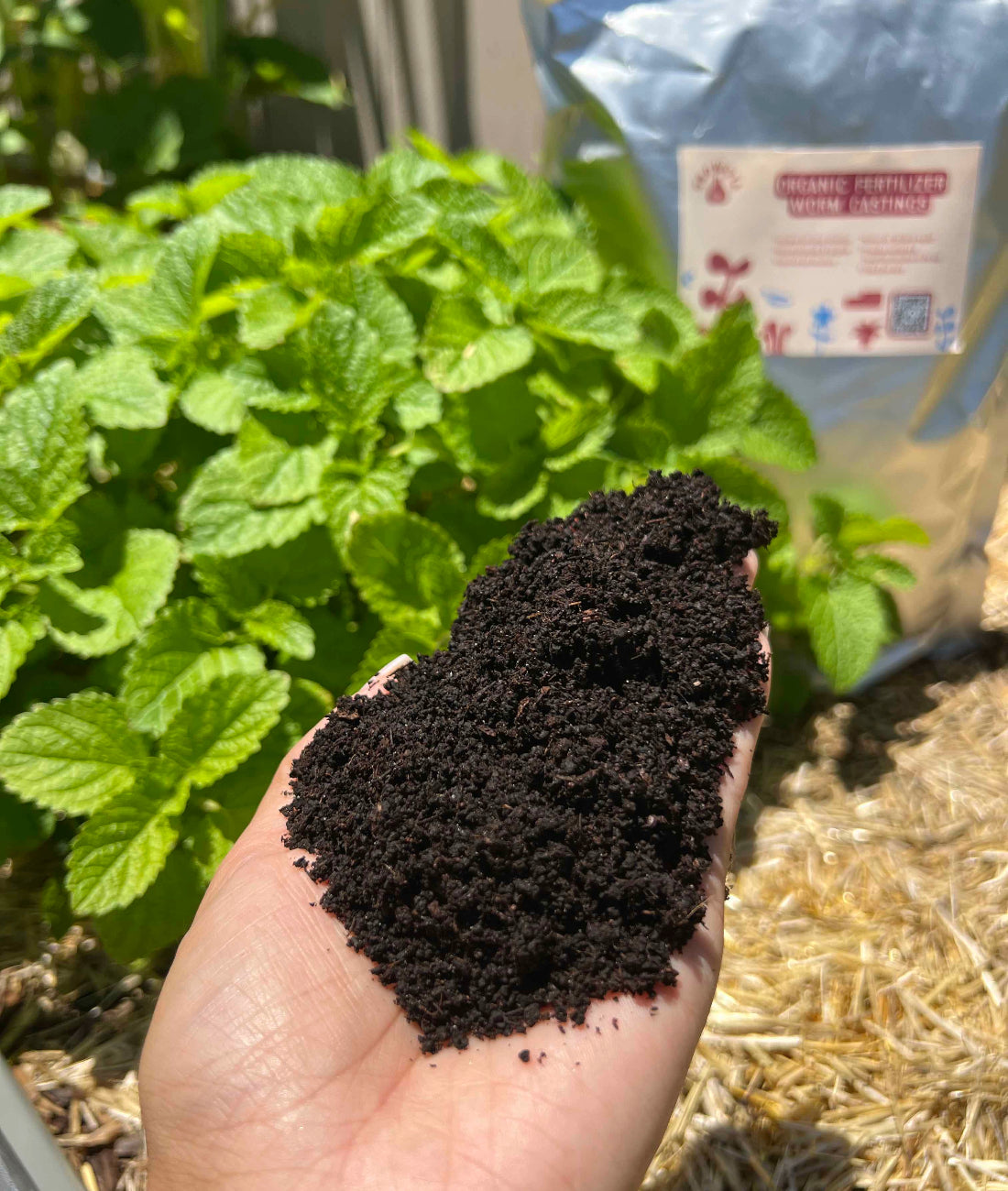
Image from www.fbpd.org
Environmental Impact of Traditional Fertilizers
Traditional fertilizers often contain chemicals that can leach into the water supply, causing pollution. This runoff can lead to problems like algal blooms, which deplete oxygen in water bodies and harm aquatic organisms. Besides that, the production of chemical fertilizers is energy-intensive and contributes to greenhouse gas emissions.
For instance, nitrogen-based fertilizers can emit nitrous oxide, a potent greenhouse gas, during their production and use. By opting for sustainable fertilizers, we can significantly reduce these environmental impacts.
Benefits of Sustainable Fertilizers
Sustainable fertilizers offer numerous benefits that go beyond just feeding your plants. They improve soil structure, promote beneficial microbial activity, and enhance water retention. This not only leads to healthier plants but also reduces the need for frequent watering and fertilization.
Moreover, sustainable fertilizers are often derived from natural sources, such as plant or animal waste, making them a renewable resource. They release nutrients slowly, providing a steady supply of essential elements to plants over time.
Top 5 Sustainable Fertilizer Options for Container Gardens
Let’s dive into the top five sustainable fertilizers that can make your container garden flourish while keeping it eco-friendly.
1. Organic Compost
Organic compost is a gardener’s best friend. It’s made from decomposed plant material and is rich in nutrients that plants need to thrive. Compost improves soil structure, aeration, and moisture retention, making it an ideal choice for container gardens.
To use compost effectively, mix it with your potting soil at a ratio of about one part compost to three parts soil. This ensures that your plants get the right balance of nutrients without overwhelming them. You can also top-dress your containers with a thin layer of compost throughout the growing season to give your plants an extra boost.

Image from mortonarb.org.
2. Liquid Seaweed Fertilizer
Liquid seaweed fertilizer is a powerhouse of micronutrients, including potassium, magnesium, and calcium. It’s made from seaweed extract, which is rich in trace elements that promote plant growth and resilience.
This type of fertilizer is particularly beneficial for container gardens because it can be easily absorbed by plant roots and leaves. To apply, dilute the liquid seaweed fertilizer according to the package instructions and water your plants with it every two to four weeks. This will help your plants develop strong roots and vibrant foliage.

Image from thehorticult.com.
4. Fish Emulsion
Fish emulsion is a liquid fertilizer made from fish waste, and it’s packed with nutrients that plants love! It’s especially high in nitrogen, which promotes lush, green growth. Because of its liquid form, fish emulsion is quickly absorbed by plants, making it an excellent choice for a rapid nutrient boost.
When using fish emulsion, be mindful of the concentration. It’s potent and can burn plants if applied too heavily. Dilute it according to the manufacturer’s instructions, usually mixing about one tablespoon per gallon of water. Apply it every three to four weeks to keep your container garden thriving.

Image from www.thespruce.com.
5. Chicken Manure Pellets
Chicken manure pellets are another fantastic sustainable fertilizer option. They are rich in nitrogen, phosphorus, and potassium, which are essential for plant growth. Additionally, chicken manure improves soil structure and boosts microbial activity, which can enhance plant health over time.
These pellets are easy to use. Simply scatter them on the surface of the soil and water them in. They break down slowly, providing a steady release of nutrients. It’s important to note that fresh chicken manure can be too strong for plants and should be composted first or used in pellet form.
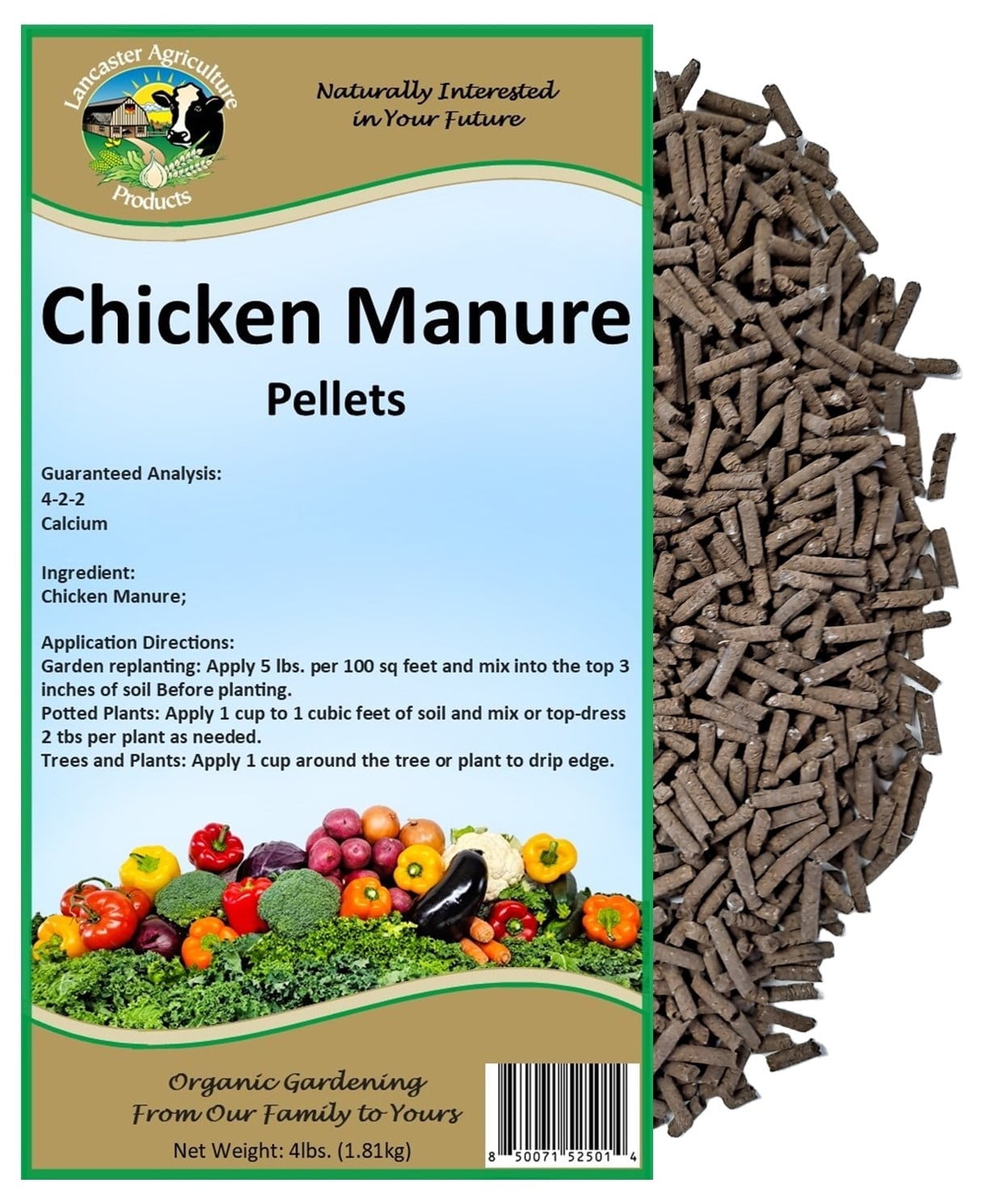
Image from www.walmart.com.
Applying Sustainable Fertilizers to Container Gardens
Applying fertilizers correctly is crucial for the health of your container plants. Over-fertilization can harm plants, while under-fertilization can stunt their growth. Therefore, understanding the right application techniques is essential.
Frequency and Quantity Recommendations
The frequency and quantity of fertilizer application depend on the type of fertilizer you’re using and the needs of your plants. Generally, organic compost and chicken manure pellets should be applied once at the beginning of the growing season and then supplemented as needed.
Liquid fertilizers like seaweed and fish emulsion can be applied more frequently, usually every two to four weeks. Always follow the instructions on the fertilizer package and adjust based on your plants’ response. It’s better to under-fertilize slightly than to overdo it.
Choosing the Right Fertilizer for Specific Plants
Different plants have different nutrient needs. Leafy greens, for example, benefit from nitrogen-rich fertilizers like fish emulsion, which promotes lush foliage. Flowering plants, on the other hand, may require more phosphorus to encourage blooms.
Consider the specific needs of your plants when choosing a fertilizer. If you’re unsure, a balanced organic fertilizer that contains equal parts nitrogen, phosphorus, and potassium is a safe bet for most container gardens.
Mixing and Application Techniques
When mixing fertilizers, always adhere to the recommended ratios to avoid nutrient burn. For liquid fertilizers, use a watering can or sprayer to ensure even distribution. For granular options like compost or manure pellets, mix them into the top layer of soil or scatter them evenly across the surface.
Remember to water your plants after applying fertilizers, especially granular ones, to help them begin breaking down and releasing nutrients. This also prevents any potential fertilizer burn on plant leaves.

Image from www.crescentgarden.com.
Long-term Benefits of Sustainable Fertilizers
Using sustainable fertilizers offers numerous long-term benefits that extend beyond immediate plant health. They contribute to a more resilient garden ecosystem and improve soil quality over time.
“Sustainable fertilizers not only nourish plants but also foster a thriving soil ecosystem, leading to healthier and more productive gardens.” – Gardening Expert
By improving soil structure and microbial activity, sustainable fertilizers enhance nutrient availability and retention, reducing the need for frequent applications. This leads to a more sustainable and cost-effective gardening practice.
Soil Health Improvement
Healthy soil is the foundation of a thriving garden. Sustainable fertilizers enrich the soil with organic matter, which improves its texture and ability to hold moisture. This results in better root development and plant growth.
Moreover, organic matter in sustainable fertilizers provides a food source for beneficial soil organisms, such as earthworms and microbes. These organisms play a crucial role in breaking down organic material and releasing nutrients that plants can absorb. For those interested in learning more about sustainable gardening practices, check out these top liquid seaweed fertilizers for organic gardening.
By choosing sustainable fertilizers, you not only support your plants but also contribute to a healthier environment. This practice helps maintain the delicate balance of our ecosystem, ensuring that future generations can enjoy the beauty and benefits of gardening!
Nutrient Retention and Plant Growth
One of the standout benefits of using sustainable fertilizers is their ability to improve nutrient retention in the soil. These fertilizers release nutrients slowly, ensuring that plants receive a steady supply over time. This gradual release is particularly beneficial for container gardens, where soil volume is limited and nutrients can be quickly depleted.
Moreover, sustainable fertilizers enhance plant growth by promoting a healthy root system. A strong root system allows plants to absorb more nutrients and water, leading to robust growth and higher yields. For instance, using worm castings in your container garden can significantly improve root development, thanks to the beneficial microbes and nutrients they introduce into the soil.
Environmental Sustainability and Ecosystem Balance
Choosing sustainable fertilizers is a proactive step towards environmental conservation. Unlike chemical fertilizers, which can disrupt local ecosystems, sustainable options work in harmony with nature. They support beneficial soil organisms and contribute to a balanced ecosystem, reducing the risk of nutrient runoff and pollution.

Image from foodiegardener.com.
This approach not only benefits your garden but also has a positive impact on the wider environment. By opting for fertilizers that are derived from renewable resources, you help reduce the carbon footprint associated with gardening. This commitment to sustainability ensures that our natural resources are preserved for future generations.
Frequently Asked Questions
Gardening with sustainable fertilizers can be a rewarding experience, but it’s natural to have questions. Here are some common queries and their answers to help you get started on the right foot.
Can I use multiple types of sustainable fertilizers together?
Yes, you can use multiple types of sustainable fertilizers together. In fact, combining different fertilizers can provide a more comprehensive range of nutrients for your plants. For example, you might use organic compost for its rich nutrient content and supplement with liquid seaweed fertilizer for its trace minerals. Just be mindful of the application rates to avoid over-fertilizing.
How do I store organic fertilizers?
Proper storage of organic fertilizers is essential to maintain their effectiveness. Most organic fertilizers should be kept in a cool, dry place, away from direct sunlight. Ensure that they are stored in airtight containers to prevent moisture and pests from getting in. This helps preserve their nutrient content and prevents any unpleasant odors.
Are sustainable fertilizers more expensive than traditional ones?
While the initial cost of some sustainable fertilizers may be higher than traditional ones, they often prove to be more cost-effective in the long run. This is because they improve soil health and reduce the need for frequent applications. Additionally, many sustainable fertilizers, like compost and worm castings, can be made at home, further reducing costs.
Can organic fertilizers be used for indoor plants?
Absolutely! Organic fertilizers are safe and effective for indoor plants. Just be sure to use them sparingly, as indoor plants typically require less fertilization than those grown outdoors. Liquid seaweed fertilizer is an excellent choice for indoor plants, as it provides essential nutrients without the risk of over-fertilization.
What are the signs that my plants need fertilization?
Plants often show clear signs when they need fertilization. Common indicators include yellowing leaves, stunted growth, and poor flowering or fruiting. If you notice these symptoms, it might be time to apply a sustainable fertilizer. However, always assess the specific needs of your plants and consider other factors like watering and light before deciding on fertilization.
Featured Image from www.lyngsogarden.com.

Related Posts
-
 What Qualifies As Organic Gardening?
- [Video] How Propagate Strawberry Plants for a Continuous Harvest
- Mastering the Art of Composting: Tips and Tricks for Effective Compost Bins
- Best Vertical Gardening Kits for Year-Round Growing
- The Best Way to Support Tomato Plants
- Urban Permaculture Guide: Benefits, Principles & Examples for Urban Gardens


