5 Best Types of Mulch for An Organic Vegetable Garden

Mulch is one of the most important allies in your gardening adventure, with numerous benefits for your garden. Here are some of the best types of mulch to use in an organic vegetable garden…
Mulching is a cornerstone of organic gardening, providing numerous benefits that help create a thriving vegetable garden. By understanding the best types of organic mulch, you can enhance your garden’s health and productivity. Let’s explore the world of organic mulches and discover how they can transform your gardening experience!
Key Takeaways
- Organic mulch helps retain soil moisture, which is crucial for plant health and reducing water usage.
- Mulch suppresses weeds, minimizing the need for chemical herbicides.
- As organic mulch decomposes, it enriches the soil with nutrients, promoting plant growth.
- Straw, grass clippings, leaves, and wood chips are among the most effective organic mulches for vegetable gardens.
- Applying mulch correctly involves choosing the right type for your plants and maintaining the appropriate thickness.
Now that we’ve highlighted the key benefits and types of organic mulch, let’s explore how you can incorporate these into your garden effectively.

Image from www.nytimes.com.
Introduction to Organic Mulching in Vegetable Gardens
In the realm of gardening, mulch is akin to a protective blanket, safeguarding the soil and plants beneath. Organic mulching, specifically, involves using natural materials to cover the soil, offering a plethora of benefits that synthetic options simply can’t match. Whether you’re a seasoned gardener or just starting, understanding the nuances of organic mulch can significantly elevate your gardening game.
Importance of Mulch
“Mulch is the unsung hero of the garden. It not only beautifies but also protects and nourishes the soil, making it a must-have for any serious gardener.”
Mulch serves multiple purposes, from conserving soil moisture to regulating soil temperature. By acting as a barrier, it reduces water evaporation and keeps roots cool in the summer and warm in the winter. This temperature regulation is vital for root health and, consequently, plant growth. Furthermore, mulch acts as a physical barrier against weeds, drastically reducing their growth and the need for weeding.
Beyond these immediate benefits, organic mulch decomposes over time, adding organic matter to the soil. This decomposition process enriches the soil, improving its structure and nutrient content, which is essential for healthy plant growth.
Overview of Organic Mulch Options
When it comes to organic mulches, there’s a rich tapestry of options to choose from, each with its unique set of benefits. From straw and hay to grass clippings and wood chips, each type of mulch has specific characteristics that make it suitable for different gardening needs. Let’s explore these options in more detail to help you decide which is best for your garden.
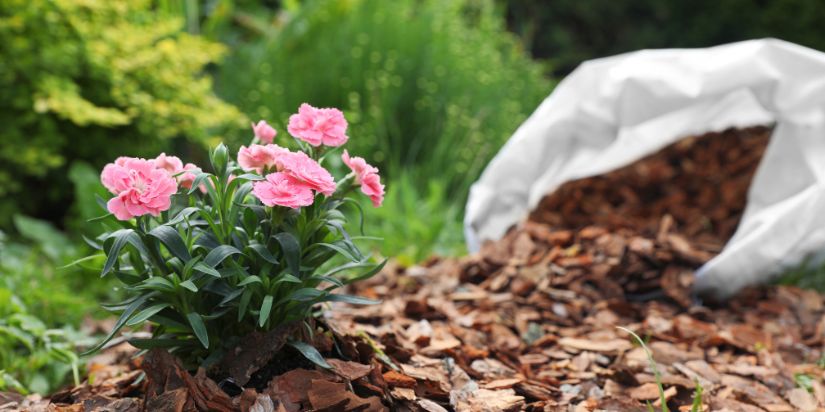
Image from lumberjax.com.
Straw and hay are popular choices due to their lightweight nature and ease of application. They are excellent for suppressing weeds and retaining moisture. Grass clippings, on the other hand, are readily available and rich in nitrogen, which can boost plant growth. However, they should be used with caution to avoid issues like matting and excess heat.
Wood chips and bark are another fantastic option, particularly for pathways and perennial beds. They decompose slowly, providing long-term benefits to the soil. Compost, while not traditionally thought of as mulch, can also serve this purpose, adding nutrients directly to the soil as it breaks down.
Benefits of Mulching in Organic Gardens
The advantages of using organic mulch in your garden are numerous, ranging from practical benefits like moisture retention to more nuanced ones like nutrient enrichment. Understanding these benefits can help you make informed decisions about the best mulching practices for your garden.
Moisture Retention and Soil Health
One of the primary benefits of mulch is its ability to retain soil moisture. By covering the soil, mulch reduces evaporation, ensuring that plants have access to the water they need, especially during dry spells. This not only helps plants thrive but also conserves water and reduces work, making your garden more sustainable.
Weed Suppression
Weeds are the bane of every gardener’s existence, but mulch offers a simple solution. By creating a barrier between the soil and sunlight, mulch prevents weed seeds from germinating. This reduces the need for manual weeding or chemical herbicides, keeping your garden organic and healthy.
Nutrient Enrichment as Mulch Decomposes
As organic mulch breaks down, it releases nutrients into the soil. This natural process enriches the soil, improving its structure and fertility. Over time, this leads to healthier plants and more bountiful harvests, making mulch an invaluable component of any organic garden. For additional ways to boost your garden’s yield, consider using worm castings as a natural fertilizer.
Top Organic Mulch Types for Vegetable Gardens
With a clear understanding of the benefits of mulching, let’s explore the top organic mulch types in detail. Each type has its strengths, so consider your garden’s specific needs when choosing the right mulch.
1. Straw and Hay
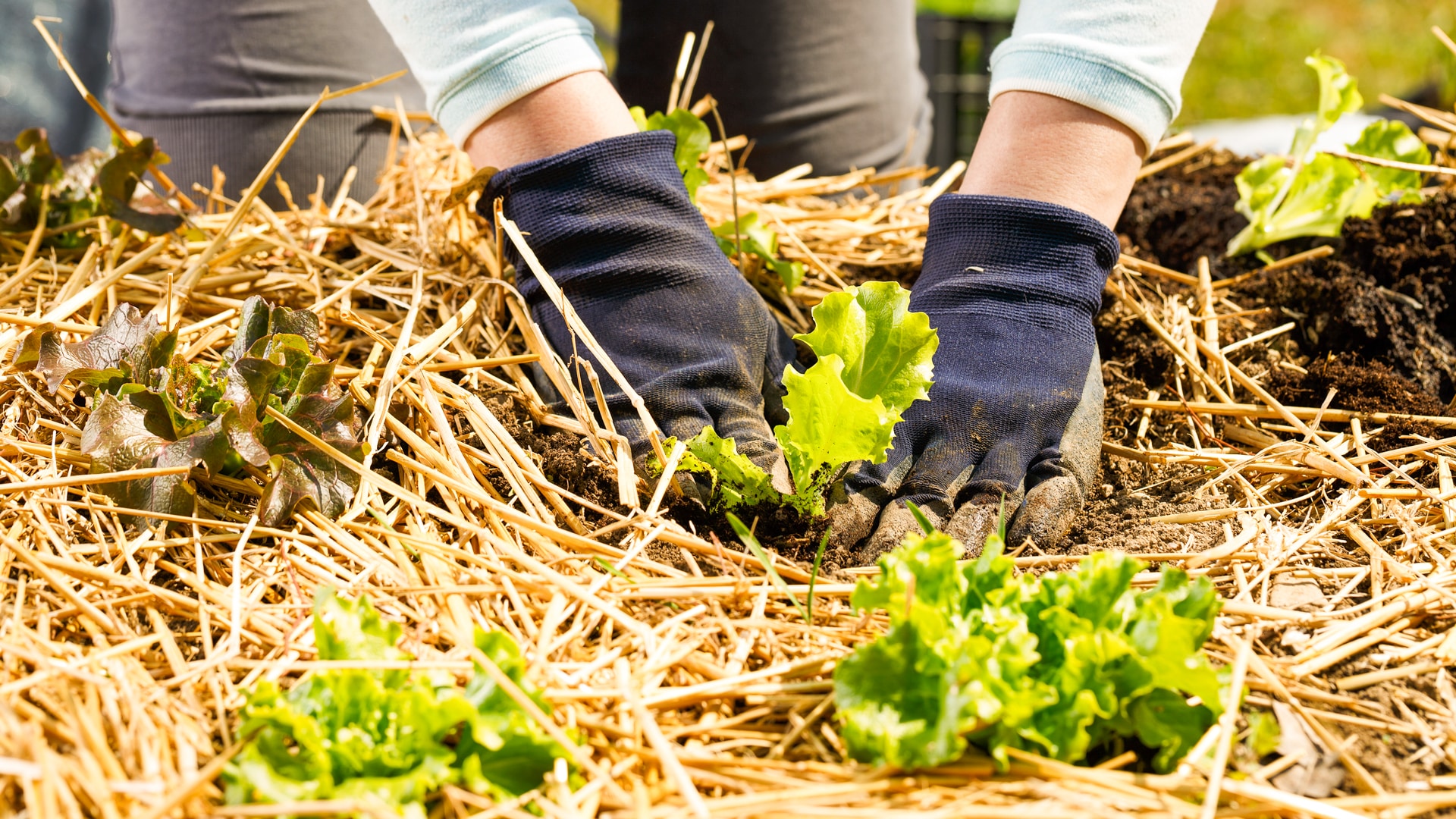
Image from www.bluemountainhay.com.
Straw and hay are often the go-to choices for vegetable gardens. They are light, easy to spread, and effective at suppressing weeds. Most importantly, they decompose relatively quickly, adding organic matter to the soil. Many gardeners opt for straw over hay, as hay can contain seeds that might introduce unwanted plants into your garden. However, in some cases, hay can be easier to come by, and may contain fewer seeds that you might expect, depending on the type of hay and when it was harvested. Hay is also more dense, and may add more nutrients and suppress weeds better than straw.
2. Grass Clippings: Benefits and Precautions

Image from www.senior-gardening.com.
Grass clippings are a convenient and nutrient-rich mulch option. They are high in nitrogen, which can give plants a growth boost. However, it’s crucial to use them properly to avoid potential issues. Here are a few tips for using grass clippings effectively:
- Ensure they are free from pesticides and herbicides.
- Allow them to dry before applying to prevent matting.
- Apply in thin layers to avoid excessive heat buildup.
By following these guidelines, you can harness the benefits of grass clippings without the drawbacks.
3. Wood Chips and Bark
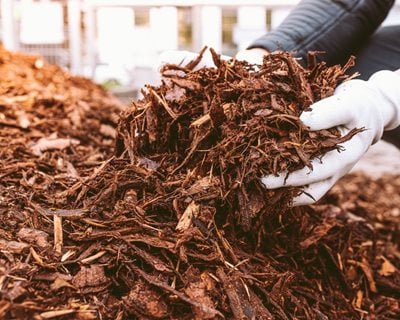
Image from www.gardendesign.com.
Wood chips and bark are excellent mulch options, particularly for perennial beds and pathways. They provide a clean, natural look while effectively suppressing weeds and retaining moisture. One of the standout benefits of wood chips is their slow decomposition rate. This means they provide long-term benefits, breaking down gradually to improve soil structure and fertility. However, it’s important to note that wood chips can sometimes tie up nitrogen in the soil as they decompose. To counter this, only use them as a top dressing in garden pathways or around shrubs or trees, and avoid turning them into the soil.
4. Compost as a Nutrient-Rich Option
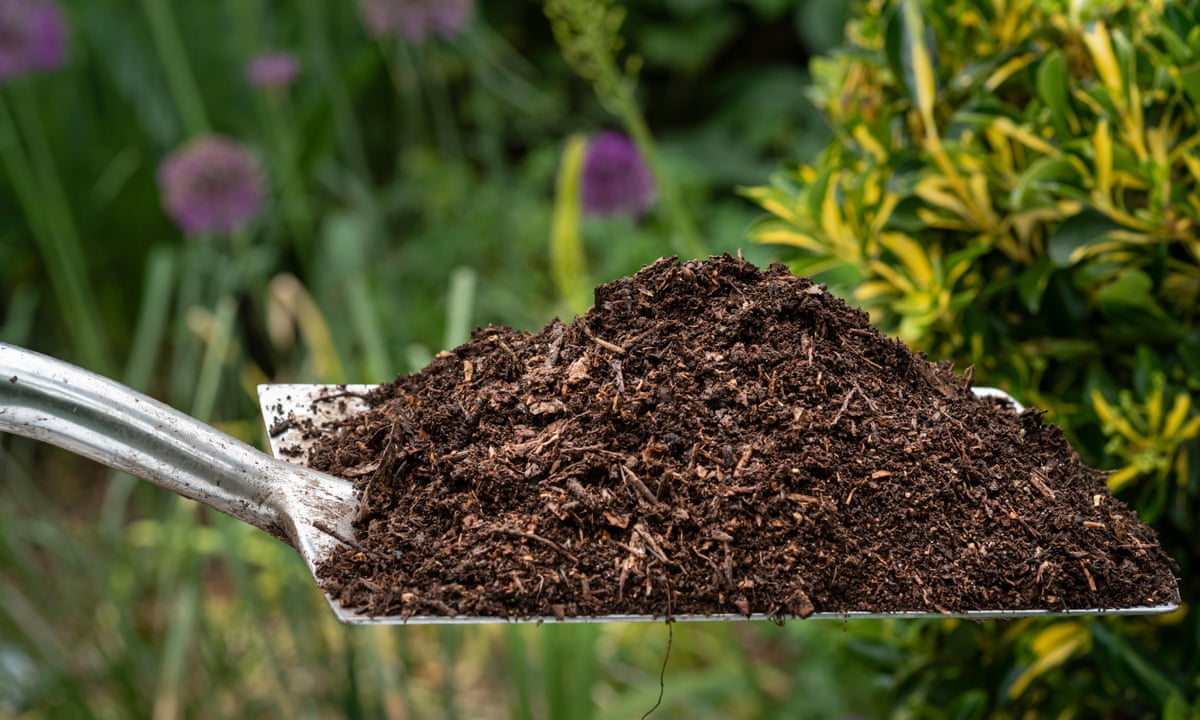
Image from www.theguardian.com.
Compost is a powerhouse of nutrients, making it an excellent choice for enriching garden soil. As a mulch, it not only provides nutrients but also improves soil structure and encourages beneficial microbial activity. When using compost as mulch, it’s crucial to apply it in a layer that’s thick enough to suppress weeds but thin enough to prevent waterlogging.
For vegetable gardens, compost can be particularly beneficial as mulch. It supports healthy plant growth and boosts yields by providing essential nutrients like nitrogen, phosphorus, and potassium. Moreover, compost is often readily available if you’re already composting your kitchen scraps and yard waste, making it a cost-effective option. If you’re interested in learning more, here’s a video on how to make fast, easy compost.
One thing to keep in mind is that compost can sometimes contain weed seeds if not properly heated during the composting process. To avoid this, ensure your compost reaches adequate temperatures to kill off any unwanted seeds, and when making your own compost, avoid adding weeds that are blooming or have seed heads on them.
5. Leaves: Free and Abundant

Image from joegardener.com.
Leaves are one of the most accessible and cost-effective mulches available. In the fall, they are abundant and can often be collected from your yard or neighborhood. Leaves decompose a bit slower than some other mulch options, suppressing weeds and adding organic matter to the soil while improving its structure. They are particularly useful in vegetable gardens where soil health is paramount.
When using leaves as mulch, it’s best to shred them first. Whole leaves can mat together, creating a barrier that blocks water and air from reaching the soil. Shredded leaves, on the other hand, allow for better water penetration and air circulation. You can easily shred leaves using a lawn mower or leaf shredder.
6. Alternative Organic Mulch Options

Image from www.amazon.com.
Besides the common mulches discussed above, there are several alternative organic options worth considering. These may not be available everywhere, but they offer unique benefits when they are accessible. Pine straw, for instance, is excellent for acid-loving plants like blueberries and azaleas. It is lightweight, easy to spread, and decomposes slowly.
Seaweed is another fantastic option, particularly for coastal gardeners. It provides a rich source of nutrients and trace elements while also improving soil structure. Sheep’s wool is gaining popularity as a mulch due to its ability to retain moisture and suppress weeds. It’s biodegradable and adds nitrogen to the soil as it decomposes. Lastly, rice hulls are a sustainable byproduct of rice production and can be used as a light, airy mulch that helps improve soil aeration. You may be able to purchase bags of rice hulls at some garden stores or nurseries.
Guidelines for Effective Mulching
To maximize the benefits of organic mulch, it’s essential to apply it correctly. This involves choosing the right type of mulch for your specific plants and maintaining the appropriate thickness.
Applying the Correct Mulch Thickness
The thickness of your mulch layer can significantly impact its effectiveness. Generally, a mulch layer of 2 to 4 inches is ideal for most gardens. This thickness is sufficient to suppress weeds, retain moisture, and regulate soil temperature. However, it’s important not to pile mulch directly against plant stems or tree trunks, as this can lead to rot and pest issues.
Choosing the Right Mulch for Specific Vegetables
Different vegetables have varying needs, so it’s crucial to select the appropriate mulch type for each plant. For instance, straw is excellent for strawberries and other fruiting plants, while compost is ideal for leafy greens that benefit from extra nutrients. Understanding these nuances can help you create a more productive and healthy garden.
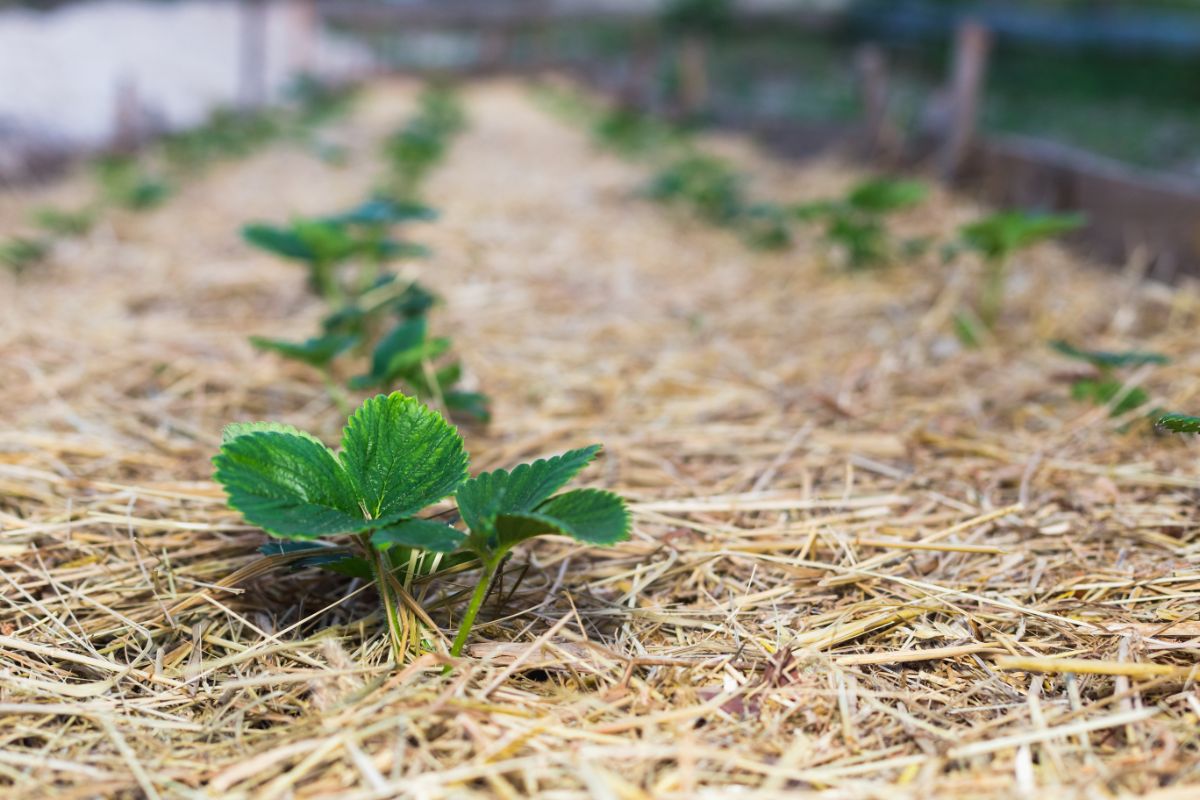
Image from strawberryplants.org.
Moreover, consider the pH requirements of your plants. Pine straw, for example, is suitable for acid-loving plants, while wood chips can be used for a broader range of plants and trees due to their neutral pH. By tailoring your mulch choices to your garden’s specific needs, you can enhance plant growth and health.
Maintaining and Reapplying Mulch
Over time, organic mulch breaks down and loses its effectiveness. Regularly check your mulch layers and replenish them as needed to maintain the desired thickness. This is particularly important after heavy rain or strong winds, which can displace mulch. By keeping your mulch well-maintained, you ensure that your garden continues to reap its many benefits.
Challenges of Organic Mulching
While organic mulching offers numerous benefits, it also comes with its challenges. Understanding these challenges can help you mitigate potential issues and make the most of your mulching efforts.
One common challenge is the potential for pest attraction. Some mulches, like straw and hay, can harbor pests if not properly managed. To reduce this risk, avoid using mulch that contains seeds or is too thick, which can create a haven for pests.
Pest Management
Pests are an inevitable part of gardening, but mulch can both attract and deter them. To minimize pest issues, use clean, weed-free mulch and avoid piling it directly against plant stems. Additionally, consider incorporating companion planting and other organic pest control methods to keep your garden healthy.
For instance, planting marigolds alongside your vegetables can help deter nematodes and other pests. Similarly, introducing beneficial insects like ladybugs and lacewings can naturally control pest populations.
Potential for Disease or Growth Impairment with Certain Mulches
While mulch generally promotes healthy growth, some types can introduce diseases or inhibit growth if not used correctly. For example, mulch that is too dense or wet can create an environment conducive to fungal diseases. To prevent this, ensure your mulch is well-aerated and not overly compacted.
Additionally, be cautious when using mulch from unknown sources, as it may contain contaminants or pathogens. Always source your mulch from reputable suppliers and, when possible, create your own using composted materials from your garden.

Image from journeywithjill.net.
Cost-Effectiveness and Availability
When selecting mulch for your garden, cost and availability are significant factors to consider. Organic mulches like straw, grass clippings, and leaves are often readily available and inexpensive, especially if you have access to these materials in your local environment. However, certain mulches like pine straw or seaweed might be more challenging to find, depending on your location. It’s essential to balance the cost with the benefits each type of mulch offers to ensure you’re making the most out of your investment in your garden’s health.
Final Thoughts on Selecting the Best Mulch
Choosing the right mulch for your organic vegetable garden can make a significant difference in your garden’s productivity and health. By understanding the benefits and challenges of each type of mulch, you can make informed decisions that align with your gardening goals. Remember, the best mulch for your garden is one that meets your specific needs, whether it’s moisture retention, weed suppression, or nutrient enrichment.
Mulching is more than just a gardening task; it’s an investment in your garden’s future! With the right mulch, you can create a thriving, sustainable environment that yields bountiful harvests and promotes biodiversity.
Balancing Cost, Availability, and Benefits
When choosing mulch, it’s crucial to weigh the cost against the benefits it provides. Consider the long-term impact of your choice on soil health and plant growth. While some mulches may require a higher upfront investment, their benefits often outweigh the costs over time. Additionally, sourcing local and readily available mulches can reduce costs and support sustainable gardening practices.
Encouraging Biodiversity in Your Garden
Mulch plays a pivotal role in promoting biodiversity within your garden. By providing a habitat for beneficial insects and microorganisms, mulch supports a healthy ecosystem that can naturally control pests and diseases. Furthermore, diverse mulch materials can enhance soil structure and fertility, creating an environment where a variety of plants can thrive.

Image from restonfarm.com.
Encouraging biodiversity through mulching not only benefits your garden but also contributes to a healthier planet! By using organic mulches, you’re supporting sustainable practices that reduce reliance on synthetic fertilizers and pesticides.
Frequently Asked Questions
As you explore the world of organic mulching, you may have some questions. Here are answers to some common inquiries that can help guide your mulching practices.
What is the best time to apply mulch in my garden?
The ideal time to apply mulch is in the spring, after the soil has warmed up but before the heat of summer sets in. This timing helps retain moisture and suppress weeds during the growing season. Fall is also a good time to apply mulch, as it helps insulate the soil and protect plant roots during the winter months.
How thick should the mulch layer be?
“For most gardens, a mulch layer of 2 to 4 inches is recommended. This thickness effectively suppresses weeds, retains moisture, and regulates soil temperature. However, avoid piling mulch directly against plant stems to prevent rot and pest issues.”
Maintaining the appropriate mulch thickness is crucial for maximizing its benefits. Regularly check your mulch layer and replenish it as needed to ensure consistent coverage.
When applying mulch, spread it evenly across the soil surface, being careful not to bury plant stems or trunks. This practice helps prevent moisture buildup and pest attraction, ensuring your plants remain healthy and robust.
Can I use mulch from my local environment?
Yes, using locally sourced mulch is an excellent way to reduce costs and support sustainable gardening practices. Leaves, grass clippings, and even small branches can be collected from your yard and used as mulch. Just ensure these materials are free from pesticides and herbicides to maintain your garden’s organic integrity.
Local materials not only reduce transportation costs and environmental impact but also support the local ecosystem. By using what’s available around you, you contribute to a more sustainable and self-sufficient gardening practice.
- Leaves: Shred them before use to prevent matting.
- Grass clippings: Allow them to dry to avoid heat buildup.
- Wood chips: Use them for pathways and perennial beds.
How often should I replace the mulch in my garden?
Organic mulch breaks down over time, so it’s essential to replenish it regularly. Typically, you’ll need to add new mulch once or twice a year, depending on the type of mulch and your local climate conditions. Regularly check the mulch layer and add more as needed to maintain the desired thickness.
Is there a mulch type that works for all types of plants?
While no single mulch is perfect for every plant, some options like compost and shredded leaves are versatile and suitable for a wide range of plants. Compost provides nutrients and improves soil structure, making it an excellent choice for most vegetables. Shredded leaves are readily available and enhance soil health, benefiting a variety of plants.
Ultimately, the best mulch for your garden depends on your specific needs and the plants you’re growing. By understanding the benefits and limitations of each mulch type, you can select the most appropriate option for your garden, ensuring a healthy and productive growing environment.

Related Posts
-
 [Video] Heirloom vs. Hybrid Seeds: Why Saving Our Gardening Heritage Matters
- [Video] 12 Top Crops to Grow In Dry Climates
- 5 Simple Tips for a Super Sustainable Garden
- Neptune’s Harvest Seaweed Plant Food Review
- [Video] How to Create An Efficient Irrigation Plan
- [Video] 6 Fun & Interesting Ways to Re-Use Plant Pots


