5 Top-Rated Container-Friendly Trellises for Vining Plants

Maximize your garden space with these container-friendly trellises for growing vining or climbing plants!
Key Takeaways:
- Using trellises in container gardening maximizes vertical space and improves plant health.
- Choose trellises based on material, size, and design to suit your specific plant needs.
- Metal trellises are durable but may require more maintenance than wood or plastic options.
- Proper positioning and maintenance of trellises ensure optimal sunlight and growth for vining plants.
- Popular trellis options include the Amagabeli Garden Trellis and the Gardman Blacksmith Obelisk Trellis.
The Importance of Container Trellises for Vining Plants
When it comes to container gardening, especially with vining plants, using trellises is a game-changer. They allow plants to grow upwards, saving valuable space and promoting healthier growth. Imagine your garden as a canvas, and trellises as the framework that lets your plants paint the sky with vibrant greens and colorful blooms!
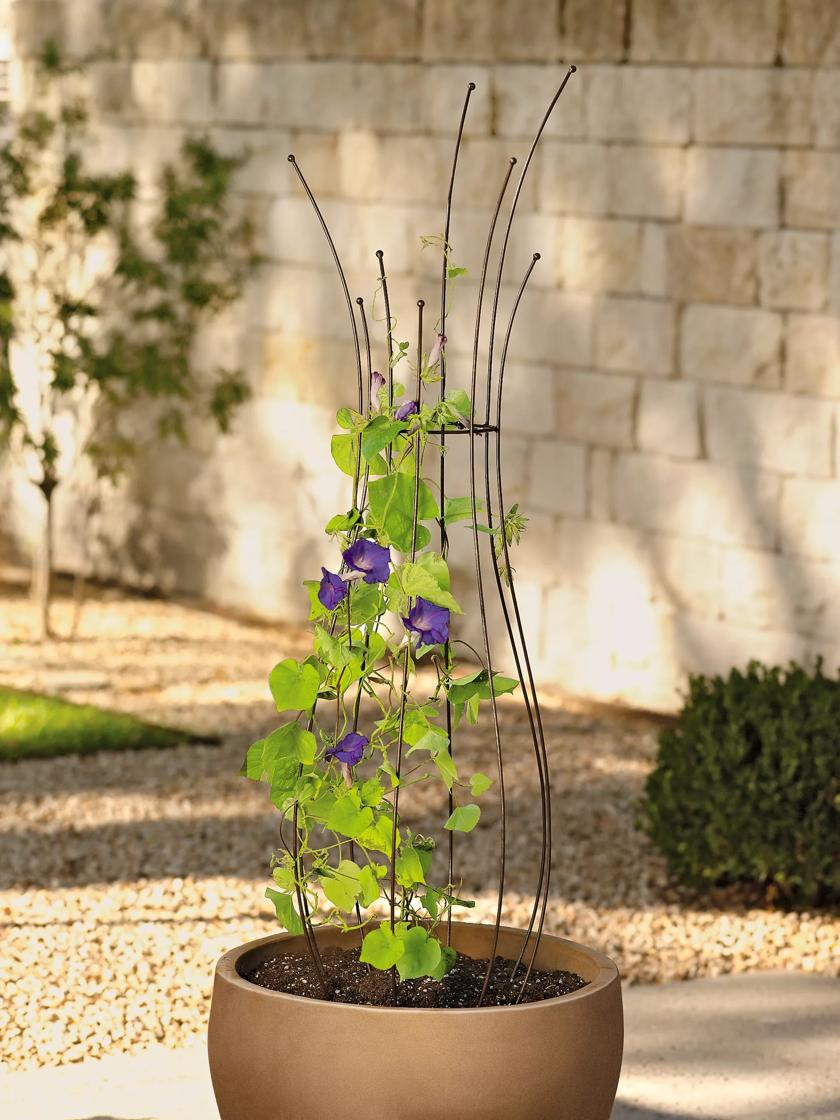
Image from www.gardeners.com.
Why Use Trellises with Containers?
Most importantly, trellises offer structural support for vining plants, which tend to sprawl if left unchecked. By guiding their growth upwards, trellises prevent plants from tangling and competing for sunlight. This is especially crucial in small spaces where every inch counts.
Besides that, trellises add an aesthetic element to your garden. They come in various designs, from simple to ornate, and can transform a plain container into a focal point. A well-chosen trellis not only supports your plants but also enhances your garden’s overall beauty!
Benefits for Plant Health and Growth
Vining plants, like tomatoes, cucumbers, and peas, thrive when they have something to climb. Trellises help improve air circulation around the plants, reducing the risk of fungal diseases. They also make it easier to harvest fruits and vegetables, as the produce hangs away from the soil, keeping it clean and less prone to pests.

Image from www.terratrellis.com.
Moreover, using trellises encourages stronger root development. When plants grow vertically, they can focus energy on root growth rather than sprawling stems. This results in healthier plants that are more resilient to environmental stressors.
Space-Saving Solutions for Gardeners
For those with limited space, container gardening with trellises is a smart solution. Vertical gardening allows you to maximize your area, whether it’s a small balcony or a compact backyard. By using height, you can grow more plants without expanding your footprint.
This approach is also versatile. You can move containers around to catch the best sunlight or create a living privacy screen. The flexibility of container gardening with trellises means you can adapt your garden to your lifestyle and needs. For inspiration on growing plants in small spaces, check out these secrets to growing pole beans in balcony gardens.
Factors to Consider When Choosing a Trellis
Choosing the right trellis involves more than just picking the prettiest design. You need to consider several factors to ensure it meets your plants’ needs and complements your gardening style.
Material: Metal, Wood, or Plastic
Trellises come in various materials, each with its pros and cons. Metal trellises are sturdy and durable, making them a long-lasting choice. However, they may require regular maintenance to prevent rust. Wood trellises offer a natural look and blend seamlessly with the garden environment. They may not be as durable as metal but are easier to customize in terms of design and size.
Plastic trellises are lightweight and often more affordable. They resist weathering and require minimal upkeep, making them a practical option for beginners. However, they might not be as strong as metal or wood, and they may degrade over time and end up in a landfill so consider the weight of your plants as well as the sustainability factor before choosing plastic.

Image from www.homedepot.com.
Size and Height for Your Plants
When selecting a trellis, consider the mature height of your plants. A trellis should be tall enough to support your plant throughout its growth cycle. For instance, if you’re growing pole beans, which can reach 8 to 10 feet, opt for a taller trellis to accommodate their full height.
It’s also important to consider the width of the trellis. Ensure it fits well within (or around) your container without overwhelming it. A well-sized trellis provides ample support without overshadowing your plants.
Ease of Setup and Maintenance
Setting up a trellis in your container garden doesn’t have to be a daunting task. Most trellises are designed for easy assembly, often requiring no more than a few basic tools. Look for trellises that come with clear instructions and all necessary hardware. This ensures a smooth setup process, allowing you to focus more on planting and less on construction.
Once your trellis is in place, maintenance is key to its longevity and effectiveness. Regularly inspect your trellis for signs of wear, such as rust on metal parts or rot in wooden structures. Additionally, check that your plants are securely attached and adjust ties or clips as needed to support their growth.
Top-Rated Container-Friendly Trellises
Choosing the right trellis can transform your container garden into a thriving vertical jungle! Here are some top-rated options that many gardeners swear by for their effectiveness and aesthetic appeal.
Amagabeli Garden Trellis
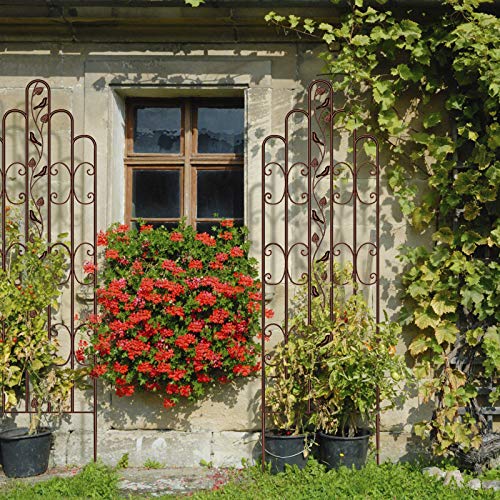
Image from www.amagabeli.com.
The Amagabeli Garden Trellis is a popular choice among gardeners for its robust design and elegant look. Made from durable metal, this trellis can withstand the elements, making it ideal for outdoor use. Its height is perfect for supporting a variety of vining plants, from roses to cucumbers. The classic design adds a touch of sophistication to any garden setting.
Ucan TERRA Trellis

Image from www.amazon.com.
The Ucan TERRA Trellis stands out with its innovative design and eco-friendly materials. This trellis is made from recycled plastics, offering a more sustainable option for environmentally conscious gardeners. It’s lightweight yet sturdy, making it easy to move and position as needed. The Ucan TERRA Trellis is particularly well-suited for small spaces, where its compact design can support climbing flowers and vegetables without taking up too much room.
Another advantage of the Ucan TERRA Trellis is its modular design. You can connect multiple units to create a larger support structure, adapting to your garden’s evolving needs. This flexibility makes it a versatile choice for gardeners who like to experiment with different plant arrangements.
Moreover, its simple assembly process means you can have it up and ready in no time! The trellis comes with clear instructions and requires no special tools, making it accessible even for novice gardeners.
UWIOFF Trellis for Potted Plants

Image from www.amazon.com.
For those who prefer a minimalist approach, the UWIOFF Trellis for Potted Plants offers a sleek and modern solution. Crafted from high-quality metal, this trellis is both stylish and functional. It’s designed specifically for potted plants, providing support without overshadowing your containers.
The UWIOFF Trellis is easy to install and adjust, allowing you to accommodate different plant sizes and growth patterns. Its compact design makes it perfect for indoor use, where space is often limited. Whether you’re growing ivy, pothos, or philodendrons, this trellis can enhance your indoor garden’s beauty and functionality.
Gardman Blacksmith Obelisk Trellis

Image from www.amazon.com.
The Gardman Blacksmith Obelisk Trellis is a favorite for gardeners looking to add a dramatic vertical element to their container gardens. Its tall, slender design is perfect for creating a striking focal point, whether in a patio pot or garden bed. Made from powder-coated steel, this trellis is built to last, resisting rust and weather damage.
With its classic obelisk shape, the Gardman Trellis provides excellent support for climbing plants like clematis, pole beans, and morning glories. Its elegant design complements a variety of garden styles, from traditional to contemporary. The trellis is also easy to assemble, with parts that fit seamlessly together for a sturdy structure.
Panacea Products A-Frame Trellis
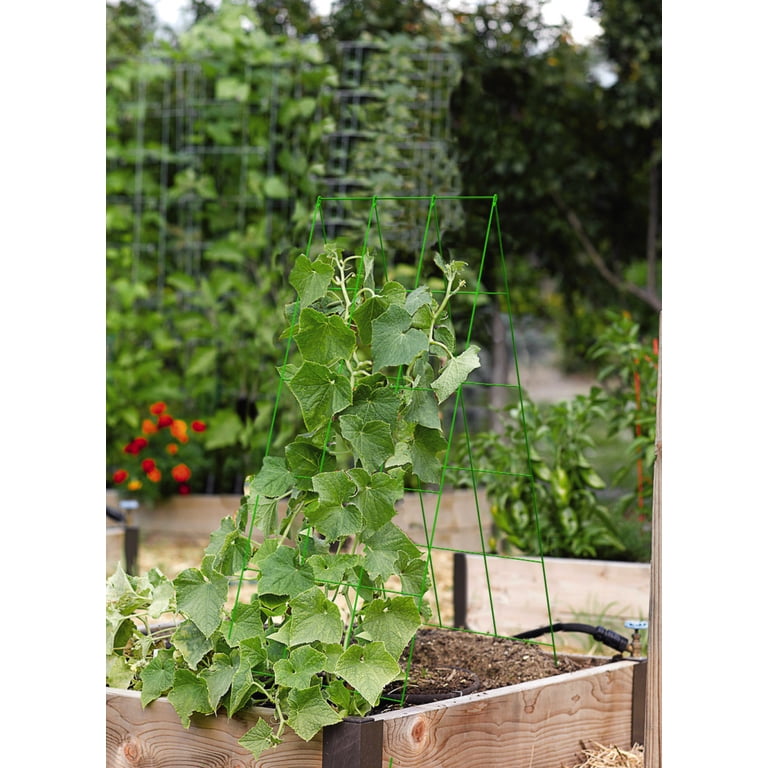
Image from www.walmart.com.
If you’re looking for versatility, the Panacea Products A-Frame Trellis offers a practical solution. This trellis is perfect for supporting heavier vining plants, such as squash or melons, thanks to its robust A-frame design. It’s made from durable powder-coated steel, ensuring it can handle the weight of large fruits without bending or breaking.
The A-frame design also makes it easy to fold and store during the off-season, saving space in your garden shed. It’s an excellent choice for gardeners who want a functional, space-saving trellis that can adapt to different planting needs.
Tips for Maximizing Trellis Use
To get the most out of your trellis, it’s essential to use it effectively. Here are some tips to help you maximize your trellis’s potential and ensure your plants thrive.
First, always position your trellis in a location that receives ample sunlight. Most vining plants require plenty of light to grow and produce flowers or fruits. If your garden is shaded, consider using a movable container to adjust the trellis’s position throughout the day.
Positioning for Optimal Sunlight
Positioning your trellis correctly can make a significant difference in your plants’ health and productivity. Place your trellis on the south or west side of your garden to capture the most sunlight. This orientation ensures your plants receive the light they need for photosynthesis, promoting vigorous growth. You can also explore these tips for maximizing sunlight in compact garden spaces.
Additionally, ensure your trellis is stable and secure. A well-anchored trellis can withstand wind and weather, preventing damage to your plants. Use stakes or weights if necessary to keep your trellis upright and in place.
Training and Securing Vines
Training your vining plants to climb a trellis is a straightforward process that pays off with healthier and more productive plants. Start by gently guiding the main stem towards the trellis. Use soft plant ties or clips to secure the vine without damaging it. As the plant grows, continue to attach new growth to the trellis, ensuring even distribution and support.
Be patient and check your plants regularly. Vines can grow quickly, and regular adjustments help prevent tangling or overcrowding. Remember, the goal is to support the plant, not to restrict its natural growth patterns.

Image from growfully.com.
Regular Maintenance and Checks
Maintaining your trellis is essential for its longevity and effectiveness. Regularly inspect the structure for signs of wear or damage. Check for rust on metal trellises and rot on wooden ones. A quick wipe with a damp cloth can keep your trellis clean and free from debris.
Additionally, monitor your plants for any signs of stress or disease. Healthy plants are more likely to thrive on a trellis. Prune any dead or damaged leaves and ensure your plants are receiving adequate water and nutrients. For those with limited space, consider exploring these compact composters to further optimize your urban garden’s health.
Frequently Asked Questions
Container gardening with trellises raises several common questions. Here are some answers to help you get the most out of your vertical garden.
What types of plants are best suited for container trellises?
Many vining plants thrive with the support of a trellis. Popular options include tomatoes, cucumbers, peas, beans, and climbing flowers like clematis and morning glories. Choose plants that naturally vine or climb, as they will benefit most from the added support and vertical growth space.
How do I secure a trellis to a container?
Securing a trellis to a container is crucial for stability – especially for larger plants. Use sturdy ties or clips to attach the trellis to the container’s rim. For larger containers, consider anchoring the trellis with stakes driven into the soil. This ensures the trellis remains upright, even in windy conditions.
Can trellises be used indoors?
Yes, trellises can be used indoors, provided you have sufficient space and light. Indoor trellises are ideal for supporting houseplants like pothos, ivy, and philodendrons. Ensure your indoor trellis is lightweight and easily adjustable to accommodate your plant’s growth.
Besides that, consider using a grow light if natural sunlight is limited. This ensures your indoor vining plants receive the necessary light for healthy growth.
How often should I check and maintain my trellis?
Regular maintenance is key to a successful trellis system. Inspect your trellis and plants weekly, adjusting ties and checking for any signs of wear or damage. This routine ensures your trellis remains secure and your plants are well-supported throughout their growth cycle.
What is the average lifespan of a garden trellis?
The lifespan of a garden trellis depends on its material and maintenance. Metal trellises can last many years with proper care, while wooden trellises may require more frequent replacement due to weathering. Plastic trellises offer durability and longevity, often lasting several seasons with minimal upkeep.
Container gardening is a versatile and rewarding way to grow a variety of plants, even in limited spaces. Whether you’re cultivating flowers, vegetables, or herbs, the right trellis can make all the difference! Choose a trellis that suits your plants’ needs and enjoy the beauty and productivity of your container garden.
Featured Image from smartpots.com.

Related Posts
-
 Vevor Versus Grow1 Deep Water Culture Hydroponic Systems Comparison
- [Video] The Easiest Way to Compost In Limited Space
- Noncomposting: The Secret To Great Garden Soil?
- 7 Simple Steps to Starting Seeds Indoors
- Organic Pest Control for Balcony Gardens: Neem Oil Application & Benefits
- [Video] Using Grow Lights to Start Healthy Seedlings


