Best Indoor Grow Lights for Maximum Garden Yield & Efficiency

Choosing the best indoor grow lights can significantly impact the health & growth of your indoor garden. Here’s what to look for, and some of the best options to consider for various indoor growing setups…
Key Takeaways
- LED grow lights offer the best combination of energy efficiency, spectrum control, and longevity for serious indoor gardeners
- The optimal light spectrum varies by growth stage: blue light promotes vegetative growth while red wavelengths enhance flowering and fruiting
- PPFD (Photosynthetic Photon Flux Density) measurements are more important than wattage when evaluating grow light effectiveness
- Proper light positioning and scheduling can reduce energy costs by up to 30% while maintaining healthy plant development
Transform Your Indoor Garden with Professional-Grade Grow Lights
Indoor gardening has evolved far beyond simple windowsill herb containers. With the right grow lights, you can cultivate everything from delicate microgreens to fruit-bearing tomato plants regardless of season or natural light conditions. The difference between struggling plants and a thriving indoor garden often comes down to one critical factor: lighting quality.
Today’s indoor grow lights have revolutionized what’s possible for home gardeners, offering specialized spectrums that can be tailored to different plant types and growth stages. Whether you’re setting up your first grow tent or upgrading an existing indoor garden system, understanding the science and technology behind modern grow lights will dramatically improve your results.
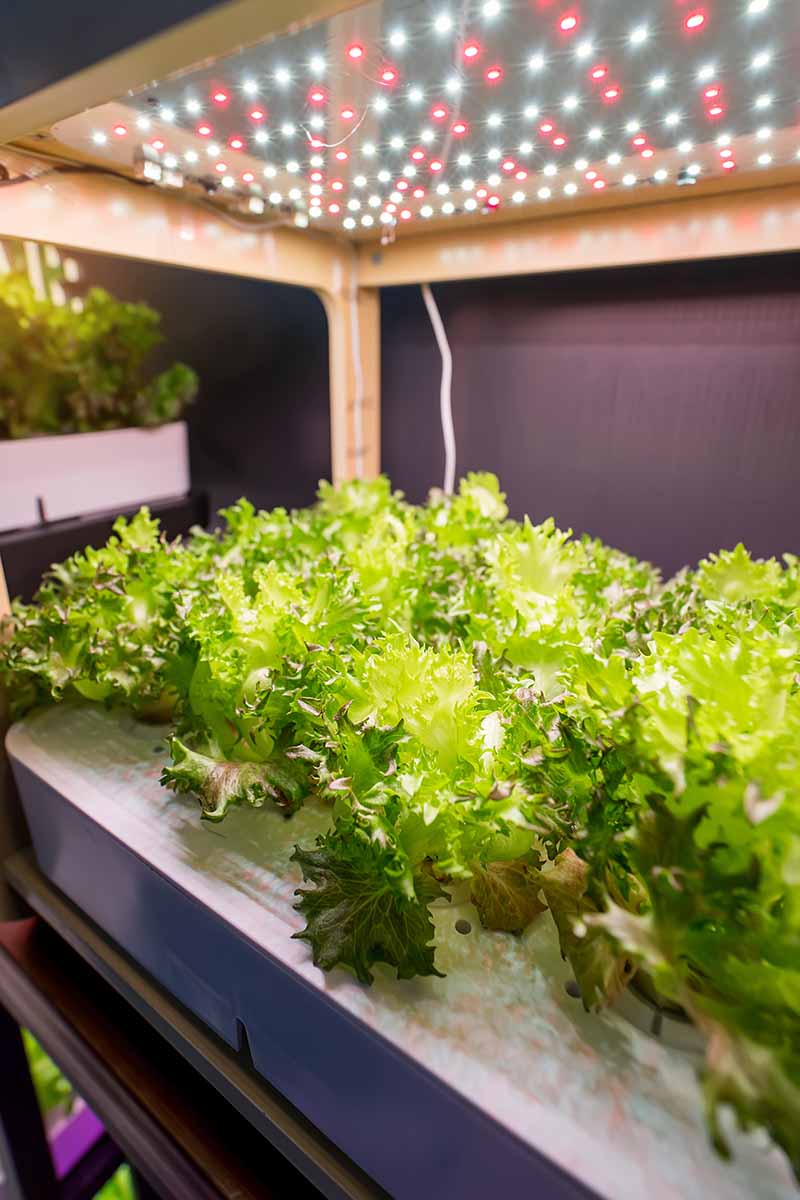
Image from gardenerspath.com.
Why Natural Light Isn’t Enough for Indoor Gardens
Even the brightest south-facing window typically delivers less than half the light intensity plants receive outdoors. This insufficient light leads to leggy growth, reduced yields, and weak stems as plants stretch desperately toward light sources. During winter months in northern climates, the natural light that does reach indoor spaces often lacks the intensity and duration needed to support robust plant development.
Window glass filters out critical wavelengths that plants require, further reducing the usable light that reaches your indoor garden. Additionally, most homes and apartments simply don’t have enough properly positioned windows to provide even light distribution throughout a growing space. Without supplemental lighting, indoor plants experience the equivalent of trying to grow in perpetual shade.
Professional-grade grow lights solve these problems by delivering consistent, optimized light spectrums directly to your plants at the intensity they need. With proper grow lighting, you can achieve growth rates and yields comparable to outdoor gardening regardless of season, weather conditions, or home architecture.
The Science Behind Light Spectrum and Plant Growth
Plants have evolved to use specific wavelengths of light for different metabolic processes. Photosynthetically Active Radiation (PAR), which spans the 400-700 nanometer range, provides the energy plants need to convert carbon dioxide and water into growth energy. Within this spectrum, blue light (400-500nm) promotes compact, bushy growth and strong stem development, while red light (600-700nm) triggers flowering and fruiting responses.
Modern research has revealed that supplemental wavelengths beyond the traditional PAR range can significantly impact plant development. Far-red light (700-750nm) can improve flowering in some species, while small amounts of UV light can increase the production of protective compounds that enhance flavor in culinary herbs and medicinal properties in other plants. This is why full-spectrum LED systems that include these expanded wavelengths often outperform more basic lighting solutions.
SignliteLED has pioneered research into optimized light recipes for different plant varieties, demonstrating that customized spectrum profiles can increase yields by up to 25% compared to generic lighting. Understanding these spectrum needs is crucial when selecting grow lights that will maximize your garden’s potential.
Types of Indoor Grow Lights to Supercharge Your Garden
The grow light market offers several distinct technologies, each with unique advantages for different gardening scenarios. Your choice should be guided by your specific plants, growing space, and budget considerations. Let’s explore the four primary categories that dominate today’s indoor growing landscape.

Image from www.thespruce.com.
LED Grow Lights: The Gold Standard for Efficiency
LED (Light Emitting Diode) technology has revolutionized indoor growing by offering unprecedented energy efficiency and spectrum control. Modern LED fixtures consume up to 60% less electricity than older lighting technologies while generating significantly less heat. This reduced heat output allows for closer placement to plants, maximizing light intensity without risking heat damage.
The most significant advantage of LED systems is their customizable spectrum. High-quality LED fixtures can deliver precisely tailored light recipes that match specific plant needs at different growth stages. Many advanced models offer adjustable spectrum controls, allowing you to emphasize blue wavelengths during vegetative growth and gradually shift to red-dominant light during flowering phases.
While the initial investment for quality LED systems runs higher than other options, their longevity (typically 50,000+ hours of operation) and reduced energy costs make them the most economical choice over time. For serious indoor gardeners planning to grow year-round, LED systems deliver the best combination of performance and operating efficiency.
HPS and MH Systems: High-Output Options for Serious Growers
High-Pressure Sodium (HPS) and Metal Halide (MH) lights represent traditional high-intensity discharge (HID) technology that commercial growers have relied on for decades. These systems excel at delivering powerful light penetration that can reach lower plant canopies in dense growing arrangements. HPS lights produce an orange-red spectrum that promotes exceptional flowering and fruiting, making them particularly effective for plants grown specifically for their flowers or fruits.
MH bulbs generate a blue-dominant spectrum that supports strong vegetative growth with compact node spacing and robust stems. Many experienced growers use MH lights during early growth stages before switching to HPS fixtures during flowering phases. The primary drawbacks of HID lighting include high heat output (requiring additional ventilation), substantial energy consumption, and bulbs that require replacement every 10,000-24,000 hours.
Fluorescent Options: Budget-Friendly Solutions for Beginners
Fluorescent lighting remains a practical entry point for new indoor gardeners working with limited budgets and space. T5 high-output fluorescent fixtures provide adequate light for leafy greens, herbs, and seedlings while generating minimal heat. These fixtures typically cost 50-75% less than comparable LED setups, making them ideal for experimentation and seasonal growing projects.
The primary limitation of fluorescent lighting is its shallow light penetration, which restricts its effectiveness to plants under 24 inches tall. The bulbs also degrade more quickly than LED systems, requiring replacement every 8,000-10,000 hours to maintain optimal light output. For growing microgreens, lettuce collections, or maintaining herbs through winter months, however, fluorescent systems deliver excellent value.
Ceramic Metal Halide (CMH): The Balance of Spectrum and Power
CMH lighting (also called LEC or Light Emitting Ceramic) represents a sophisticated evolution of traditional HID systems. These fixtures generate a more balanced full-spectrum light that closely approximates natural sunlight while using less energy than conventional HID setups. The improved spectrum includes beneficial UV-B radiation that conventional systems filter out, promoting more robust plant development and enhanced metabolite production.
With operational lifespans around 20,000 hours and moderately high energy efficiency, CMH systems offer a middle ground between the economy of fluorescent systems and the performance of LEDs. They excel at providing intense light for flowering plants while delivering a more complete spectrum than standard HPS systems. Their primary disadvantage remains heat production, which necessitates proper ventilation and careful monitoring in enclosed growing spaces.
Essential Features That Make or Break Your Grow Light Setup
Beyond simply choosing a lighting technology, understanding specific technical features will help you select fixtures that match your growing objectives. These key specifications separate professional-grade equipment from basic consumer models and determine your ultimate growing success.

Image from modernfarmer.com.
Light Spectrum: Finding the Perfect Balance for Each Growth Stage
Plants utilize different light wavelengths throughout their life cycle. During vegetative growth, blue wavelengths (400-500nm) stimulate compact, bushy development with shorter internodal spacing and thicker stems. When plants transition to flowering, red wavelengths (600-700nm) trigger hormonal responses that maximize bud development and fruit production.
The most versatile grow lights offer customizable spectrum options or provide a carefully balanced full-spectrum output. Look for systems that specifically list their spectrum distribution or include independently controllable channels for vegetative and bloom phases. Premium LED fixtures often provide supplemental far-red (700-750nm) and UV-A (380-400nm) wavelengths that enhance plant development in ways basic lighting cannot achieve.
Many growers prefer fixtures with spectrum visualization charts that show exactly which wavelengths the light emits and at what relative intensities. This transparency allows for more precise matching of light recipes to specific plant varieties and growth objectives.
PPFD and PAR Values: Understanding Light Intensity Measurements
Photosynthetic Photon Flux Density (PPFD) measures the actual number of photosynthetically active photons that reach your plants, measured in micromoles per square meter per second (μmol/m²/s). This value matters far more than wattage when evaluating grow light effectiveness. Seedlings and leafy greens typically thrive with PPFD values around 200-400 μmol/m²/s, while flowering plants often require 600-900 μmol/m²/s for maximum production.
Quality manufacturers provide detailed PPFD maps showing light distribution across different hanging heights and coverage areas. Be wary of fixtures that only list center-point PPFD values, as these can be misleading about the light’s actual performance across your entire growing area. The most helpful specifications include multiple measurement points across the coverage footprint at different mounting heights.
Coverage Area: Matching Light Footprint to Your Garden Size
A common mistake among new growers is selecting lights based on advertised coverage claims without understanding how light intensity diminishes toward the edges of the coverage area. Reputable manufacturers specify both their core coverage area (where maximum PPFD values are maintained) and their total coverage footprint. The difference between these measurements can significantly impact plant performance.
For uniform results, ensure your selected fixture provides adequate intensity at the corners of your growing space, not just at the center point. Multiple smaller fixtures often deliver more uniform coverage than a single large unit, though this approach typically costs more initially. When growing plants with high light requirements, consider overlapping coverage areas from multiple fixtures to eliminate any low-intensity zones.
Heat Management: Preventing Plant Stress and Energy Waste
Even the most efficient grow lights convert a portion of electrical energy into heat that must be managed properly. Passive cooling systems using aluminum heat sinks work well for smaller LED fixtures, while active cooling systems with integrated fans become necessary for higher-powered units. Look for fixtures with heat management systems designed for continuous operation, as consumer-grade cooling solutions often fail when run for the extended periods indoor gardens require.
Temperature increases of more than 5°F above your ideal growing environment can stress plants, reduce yields, and create conditions favorable for pests and diseases. When evaluating fixtures, consider not just their light output but also how their heat generation will affect your overall growing environment. The most effective setups maintain consistent temperature and humidity levels while delivering optimal light intensity.
Durability and Warranty: Investments That Last
Indoor grow lights operate in challenging conditions including high humidity, temperature fluctuations, and occasional water exposure. Commercial-grade fixtures use sealed electronics, conformal coatings on circuit boards, and corrosion-resistant materials to withstand these conditions year after year. Budget fixtures often lack these protections, leading to premature failure.
Warranty terms reveal manufacturers’ true confidence in their products. Industry leaders typically offer 3-5 year warranties with straightforward claim processes, while less reliable brands may offer shorter terms or place numerous conditions on warranty coverage. When comparing similar fixtures, extended warranty protection often justifies paying a premium for higher-quality construction that will deliver consistent results throughout multiple growing cycles.
Top 5 LED Grow Lights for Maximum Yields
After extensive testing across multiple grow environments and plant varieties, these five LED systems consistently deliver professional-grade results. Each offers a different balance of features, performance, and value to match different growing objectives and budgets.

Image from astralgrow.com.
1. Spider Farmer SF-4000: Best Overall Performance
The Spider Farmer SF-4000 represents the perfect balance of cutting-edge technology and practical design for serious home growers. Its Samsung LM301B diodes and supplemental 660nm red, 760nm IR and 380nm UV chips deliver a scientifically optimized spectrum that supports all growth phases. With a remarkable energy efficiency of 2.9 μmol/J and uniform coverage across a 5’x5′ flowering footprint, this fixture consistently produces dense, resinous flowers and compact, robust vegetative growth. The fanless design eliminates noise while the dimming function allows precise light intensity control as plants develop.

Image from www.amazon.com.
2. Mars Hydro TS 3000: Best Value for Commercial-Grade Results
The Mars Hydro TS 3000 offers near-commercial performance at a significantly lower price point than comparable systems. Its impressive 1016μmol/s output and 4’x4′ core coverage area make it suitable for medium-sized gardens, while its remarkably thin profile allows installation in space-restricted grow tents. The enhanced 660-665nm deep red spectrum concentrations particularly benefit flowering plants, consistently producing denser bud structures and higher essential oil content. Growers consistently report 15-20% yield increases when upgrading to this fixture from basic LED panels without sacrificing energy efficiency.

Image from growsupplyshop.com.
3. HLG 650R: Premium Choice for Serious Growers
The Horticulture Lighting Group’s flagship 650R fixture represents the gold standard in LED grow technology, with quantum board efficiency that approaches theoretical limits for photosynthetic light conversion. Its massive 1000W output delivers intense, uniform light across a 5’x5′ flowering area while maintaining exceptional energy efficiency through its QB288 V2 Rspec boards. The carefully tuned spectrum with 3000K Samsung LM301H diodes supplemented by deep red produces remarkably tight internodal spacing during vegetative growth and exceptional flower density during bloom phases.
What truly distinguishes the HLG 650R is its construction quality and thermal management. The fixture maintains optimal operating temperatures even after 18+ hours of continuous operation in enclosed grow spaces. While representing a significant investment, commercial growers consistently report that the HLG pays for itself through increased yields and reduced electricity costs within 2-3 growing cycles.

Image from www.amazon.com.
4. Viparspectra P2000: Best for Medium-Sized Gardens
The Viparspectra P2000 hits the sweet spot for medium-sized indoor gardens with its 200W actual draw providing excellent coverage for a 3′ x 3′ growing area. Its upgraded SMD LED technology delivers an impressive efficiency of 2.7 μmol/J, meaning you get more usable light with less electricity consumption. The balanced spectrum includes critical IR wavelengths that many competitors in this price range omit, contributing to noticeably improved flowering performance.
Serious home growers appreciate the P2000’s thoughtful design features, including a fanless passive cooling system that eliminates noise while maintaining optimal operating temperatures. The dimming function allows precise light intensity adjustments throughout different growth stages, making this a versatile option that can adapt to your plants’ changing needs. With a lifespan rating of 50,000+ hours, this fixture represents a smart long-term investment for dedicated indoor gardeners.

Image from www.amazon.com.
5. BESTVA DC Series 2000W: Budget-Friendly Powerhouse
Don’t let the budget-friendly price fool you—the BESTVA DC Series 2000W delivers surprising performance for growers watching their wallet. While it uses older dual-chip technology rather than the newer quantum boards, this fixture compensates with higher diode counts and excellent heat dissipation through its aluminum cooling heat sinks and built-in fans. The actual power draw of around 390W provides impressive coverage for a 4′ x 4′ area with PPFD values suitable for all growth stages.
Best Specialized Grow Lights for Specific Needs
Different plants and growing scenarios demand specialized lighting solutions. While full-spectrum lights work for most situations, purpose-designed fixtures can dramatically improve results for specific applications. The right specialized light can mean the difference between merely keeping plants alive and helping them truly thrive, especially during critical growth stages or for challenging plant varieties.
Best for Seedlings and Clones
Seedlings and clones require gentler light with a spectrum emphasized in the blue range to promote strong root development without burning delicate tissues. The Maxsisun PB 1000 excels in this category with its dimmable design that allows starting at just 25% intensity and gradually increasing as young plants develop. Its higher ratio of blue wavelengths (400-500nm) promotes the compact, stocky growth pattern ideal for seedlings while discouraging the leggy stretching that often plagues indoor starts.
Top Choices for Flowering and Fruiting Plants
Flowering and fruiting stages demand higher light intensity and an enhanced red spectrum to trigger and support reproductive growth. The California Lightworks SolarXtreme 500 stands out with its unique COB (Chip on Board) LED technology that delivers an industry-leading concentration of red and far-red wavelengths. This light’s spectral distribution closely mimics late summer sunlight—the perfect signal for plants to maximize flower and fruit production.
Heavy fruiting plants like tomatoes, peppers, and strawberries respond exceptionally well to the SolarXtreme’s enhanced deep-red (660nm) output. Users report noticeably larger fruit sets and shorter time to maturity compared to standard full-spectrum lights. The fixture’s secondary optics also improve light penetration to lower plant branches, ensuring even development throughout the canopy.
For larger growing operations, the HLG 550 V2 R Spec deserves consideration despite its premium price point. Its enhanced red spectrum comes from the specialized Samsung LM301H diodes combined with deep red 660nm supplementation. Commercial growers consistently report 10-15% yield increases when switching to these fixtures for flowering cycles.
| Growth Stage | Key Light Requirements | Recommended Light Distance | Daily Duration |
|---|---|---|---|
| Seedling/Clone | Blue-dominant, low intensity (100-300 PPFD) | 24-30 inches | 16-18 hours |
| Vegetative Growth | Balanced spectrum, medium intensity (300-600 PPFD) | 18-24 inches | 16-18 hours |
| Flowering/Fruiting | Red-enhanced, high intensity (600-900 PPFD) | 12-18 inches | 12 hours |
Space-Saving Options for Small Indoor Gardens
Limited space shouldn’t limit your growing ambitions. The GE BR30 LED Grow Light Bulbs offer a simple solution for small-scale setups, fitting standard E26 light sockets while delivering surprisingly effective grow light spectrum. These 9-watt bulbs provide adequate light for 1-2 plants each and can be used in existing fixtures or inexpensive clamp lamps. Their balanced red/blue spectrum supports both vegetative growth and modest flowering, making them perfect for kitchen herbs or small ornamentals.
For slightly larger but still compact spaces, the Spider Farmer SF-1000 provides professional-quality lighting in a 12″ x 12″ footprint. This quantum board-style light weighs just 2.5 pounds and hangs easily in small grow tents or dedicated cabinet setups. Despite its compact size, it delivers the full spectrum and intensity needed for serious growing, making it ideal for urban apartments or discreet growing areas where space comes at a premium.
Setting Up Your Grow Light System for Maximum Efficiency

Even the most advanced grow light will underperform if incorrectly positioned or improperly scheduled. Creating an efficient lighting setup requires attention to hanging height, coverage patterns, and timing to maximize plant response while minimizing energy consumption. The goal is to provide consistent, appropriate light to all plants while eliminating wasted energy.
- Measure your growing area precisely and choose lights that provide appropriate coverage without excessive overlap
- Install adjustable hanging mechanisms to modify height as plants grow and their light requirements change
- Consider light reflectors or reflective wall coverings to maximize light utilization and reduce wasted light
- Position fans strategically to maintain ideal temperatures in the plant canopy while providing gentle movement that strengthens stems
- Use timers or controllers to automate light schedules and reduce the risk of human error disrupting plant cycles
The most common mistake new indoor gardeners make is positioning lights too far from their plants. While fear of light burn is understandable, most LED grow lights should be positioned 12-24 inches from the plant canopy depending on their intensity and the plant’s growth stage. Following manufacturer guidelines for specific hanging heights is critical, as modern LEDs vary significantly in their light output and beam angle.
For multi-light setups, proper overlap between fixtures prevents “hot spots” and shadow areas that can lead to uneven growth. Generally, aiming for 10-15% light overlap at the canopy level creates the most consistent environment. Using a PAR meter or smartphone light meter app can help visualize your light distribution and identify problems before they affect your plants.
Optimal Hanging Height and Coverage Patterns
Finding the perfect height for your grow lights involves balancing light intensity with coverage area. As a general rule, more powerful lights need to hang higher to prevent light stress while still providing adequate intensity. Most LED grow lights perform best when positioned 18-24 inches above seedlings, 12-18 inches during vegetative growth, and 12-16 inches during flowering. Watch your plants for feedback – upward-curling leaves indicate light stress (too close), while stretching stems suggest insufficient intensity (too far).
Coverage patterns vary dramatically between fixture designs. Quantum board-style LEDs typically provide more even light distribution across a wider footprint, while COB LEDs create intense central hotspots with diminishing intensity toward the edges. For larger growing areas, multiple smaller fixtures often create more uniform coverage than a single powerful light. Measure your PPFD levels at multiple points across your growing area to identify and address any significant variations that might cause uneven plant development.
Light Schedules That Mimic Natural Growing Conditions
Plants have evolved specific responses to day length, making light scheduling a powerful tool for controlling growth patterns. For most vegetable and flowering plants, a schedule of 18 hours on/6 hours off during vegetative growth provides ample light energy while still allowing necessary dark-period metabolic processes. When transitioning to flowering, switch to 12 hours on/12 hours off to simulate the shorter days that trigger reproductive growth in nature. Some growers even implement gradual transitions, reducing light by 30 minutes per day to more closely mimic seasonal changes.
Consider implementing sunrise/sunset dimming features if your lights support them. Plants respond more naturally to gradual light changes rather than abrupt on/off cycles. Advanced growers sometimes incorporate strategic dark periods during the light cycle (called “light interruption” or “night break”) to influence specific plant behaviors, such as preventing premature flowering in long-day plants or controlling plant height.
Supplemental Lighting Techniques for Problem Areas
Even with perfectly positioned main lights, some areas of your indoor garden may need additional attention. Lower branches of bushy plants often receive significantly less light due to shading from upper foliage. Small clip-on supplemental lights positioned to illuminate these shadowed areas can dramatically improve overall plant development and prevent the energy-wasting stretching that occurs in low-light zones. These directional lights are particularly valuable for plants with dense foliage like tomatoes or larger fruiting plants.
Side-lighting techniques using vertical light strips or bars can increase yields by up to 25% by illuminating typically underserved middle canopy areas. This approach is especially effective in grow tents where reflective walls already help redirect light but may miss middle sections of taller plants. For flowering plants, targeted supplemental red-spectrum lighting during the final weeks before harvest can enhance essential oil production and increase flower density without requiring additional full-spectrum fixtures.
Maximizing Energy Efficiency While Maintaining Plant Health
The most significant ongoing expense of indoor gardening is usually electricity consumption. Fortunately, strategic lighting approaches can dramatically reduce energy costs without compromising plant health or yields. Modern LED technology has revolutionized efficiency, but selecting and operating your lights intelligently makes an even bigger difference than the fixture technology itself.
The key to efficiency lies in providing exactly what plants need—no more, no less. Different growth stages require different light intensities, and running lights at full power throughout the entire growth cycle wastes significant energy. Plants typically need 25-30% less light intensity during vegetative stages than during peak flowering, so dimming capabilities become an important efficiency feature.
Efficiency Comparison: Traditional vs. Modern Grow Lights
1000W HPS: Produces ~1.5 μmol/J, requires additional cooling, loses efficiency over time
Modern LED: Produces 2.5-3.0 μmol/J, minimal heat management needed, maintains efficiency longer
Annual Savings: 30-50% reduction in electricity costs with LED technology when properly implemented
Beyond fixture selection, operational practices significantly impact efficiency. Maintaining proper cleaning schedules for light fixtures prevents dust accumulation that can reduce light output by up to 15% within just a few months. Similarly, replacing LED fixtures before they reach the end of their useful life (typically after 30,000-50,000 hours of operation) prevents the gradual efficiency decline that occurs as diodes age.
Calculate Your True Costs: Wattage vs. Output
Understanding the real relationship between power consumption and usable plant light requires looking beyond marketing claims. A light’s true efficiency is measured in photosynthetic photon efficacy (PPE), or how many micromoles of photosynthetically active photons it produces per joule of electricity (μmol/J). Higher-quality fixtures typically achieve 2.5-3.0 μmol/J, while budget options may deliver only 1.8-2.2 μmol/J, requiring significantly more power to provide the same usable light.
Calculating your actual operating costs involves multiplying the fixture’s actual power draw (not its “equivalent” wattage) by your local electricity rate and daily operation hours. For example, a true 400W fixture running 12 hours daily at $0.15/kWh costs approximately $21.60 monthly. Comparing this operational cost against expected yield improvements helps determine if premium fixtures with higher efficiency ratings justify their additional upfront investment through long-term savings.
- Check actual power draw using a wattage meter, not marketing claims
- Calculate efficiency by dividing PPFD readings by actual wattage
- Consider longevity—premium fixtures often maintain efficiency longer
- Factor in heat management costs for less efficient fixtures
- Include bulb replacement costs for non-LED technologies
The most efficient approach isn’t always using the highest-efficiency light—it’s matching light output to specific plant needs. For example, low-light plants like lettuce and herbs require only 250-350 PPFD, making lower-powered, less expensive fixtures potentially more economical despite slightly lower efficiency ratings. Conversely, light-hungry plants like tomatoes and peppers perform best under higher intensities (500-900 PPFD), where investment in premium fixtures typically pays off through improved yields and lower operating costs.
Smart Controllers and Timers Worth Investing In
The evolution from basic timers to sophisticated light controllers represents one of the most significant efficiency improvements available to indoor gardeners. Smart controllers allow for precise scheduling that can reduce energy usage by 20-30% while actually improving plant response. Features like gradual intensity ramping (simulating sunrise/sunset), automated dimming during less light-critical hours, and integration with environmental sensors ensure plants receive optimal light only when they can most effectively use it. The Autopilot Digital Timer offers reliable basic timing for under $30, while advanced growers benefit from the Trolmaster Hydro-X controller‘s comprehensive environmental management capabilities including light intensity adjustment based on temperature conditions.
Reflective Materials That Amplify Your Light’s Reach
Strategic use of reflective materials can increase your effective light intensity by 25-40% without consuming additional electricity. Properly installed reflective materials can boost light utilization by 25-40% by redirecting light that would otherwise be wasted. While mylar grow tent interiors (reflecting 95-98% of light) represent the gold standard, even DIY solutions like flat white paint (85-90% reflective) or aluminum foil (73-75% reflective) significantly improve efficiency compared to dark or absorptive surfaces.
While white walls provide about 70-80% light reflection, specialized materials like Diamond Mylar and ORCA grow film return up to 97% of light back to your plants. Installing these materials on walls, under canopies, and even as movable panels that can be positioned to illuminate shaded areas dramatically improves light distribution throughout your growing space.
The geometry of your reflective surfaces matters as much as the material itself. Vertical reflective walls should stand slightly angled (5-10 degrees) rather than perfectly vertical to direct reflected light toward plants rather than back toward lights. Installing reflective materials below plants captures and redirects light that passes through the canopy, particularly valuable during early growth stages when plants haven’t developed full foliage. For maximum effectiveness, clean reflective surfaces regularly as even minor dust accumulation significantly reduces reflectivity.
Common Grow Light Problems and How to Fix Them
Even with perfect equipment selection, indoor gardeners frequently encounter lighting-related issues that can hamper growth and reduce yields. Recognizing the early warning signs of lighting problems allows for quick corrections before plant health is significantly compromised.
Most lighting issues stem from three fundamental factors: improper intensity, incorrect spectrum for the growth stage, or inconsistent light distribution across your growing area. The good news is that once identified, these problems can usually be resolved without replacing your entire lighting system.
Environmental monitoring tools like PAR meters, thermal imaging, and canopy temperature sensors can provide early detection of developing problems. Regular “light audits” where you measure PPFD values at various points in your growing area will reveal hotspots or deficiencies that aren’t visible to the naked eye but significantly impact plant performance.
Signs Your Plants Aren’t Getting Enough Light

Image from farmtojar.com.
The most common indication of insufficient light is elongated stem growth with increased spacing between leaf nodes as plants stretch toward light sources. This leggy growth creates weak stems that struggle to support healthy development as plants mature. You’ll also notice smaller-than-normal leaf development, pale green coloration due to reduced chlorophyll production, and significantly delayed flowering or fruiting phases.
To correct light deficiency, first verify your actual PPFD values at plant canopy level using a PAR meter. If values fall below the recommended ranges for your specific plants, consider lowering your fixture height, adding supplemental lighting for affected areas, or upgrading to higher-output fixtures. Remember that light requirements increase dramatically during flowering phases, so systems that performed adequately during vegetative growth may become insufficient as plants mature.
Preventing Light Burn and Heat Stress
Excessive light intensity creates a distinctive set of symptoms often mistaken for nutrient deficiencies. Look for upward-curling leaves with yellowed or brownish edges, bleached spots on upper foliage directly under lights, and stunted new growth despite otherwise healthy conditions. These symptoms typically appear first in leaves closest to light sources and on the most light-exposed portions of the plant.
The solution often involves creating more distance between lights and canopy, implementing moving light systems that distribute intensity more evenly over time, or using light diffusion screens during sensitive growth phases. High-intensity fixtures should always be paired with appropriate environmental controls to manage the additional heat they generate, including extraction fans, air conditioning, or water-cooled lighting systems for the most demanding applications.
Troubleshooting Uneven Growth Patterns
When plants on one side of your growing area develop differently than others, or when lower branches fail to produce while upper sections thrive, you’re experiencing light distribution problems. This common issue results in inconsistent harvests and inefficient use of growing space. The typical indicators include plants leaning toward light sources, asymmetrical growth patterns, and notable differences in development rates across your garden.
Light reflectors, strategically placed mirrors, or rotating plant platforms can help distribute light more evenly. For larger growing operations, consider implementing light movers that gradually travel across the growing area, providing uniform coverage without hotspots. Alternatively, arranging multiple lower-intensity fixtures in a grid pattern often delivers better results than a single high-output light, though at higher equipment costs.
Future-Proof Your Indoor Garden
The indoor growing industry continues to evolve rapidly, with new technologies emerging annually. Building a system that can incorporate these advancements without complete replacement requires thoughtful planning and modular design principles. The most adaptable setups separate the physical structure, electrical infrastructure, and actual growing equipment into discrete systems that can be upgraded independently.
Consider how your growing objectives might expand over time. Many gardeners begin with herbs and leafy greens before progressing to more light-demanding fruiting plants. Planning for this progression by installing electrical systems that can support future equipment upgrades can save substantial renovation costs later. Similarly, choosing fixtures from manufacturers with track records of backward-compatible upgrades helps protect your initial investment.
Emerging Technologies in Grow Light Systems
The next generation of grow lighting includes exciting advancements like spectrally tunable quantum dot technology that can precisely match photosynthetic action spectrums, vertical farming systems with integrated lighting in each growing shelf, and artificial intelligence systems that dynamically adjust light recipes based on plant response data. While some of these technologies remain expensive, their rapid commercialization suggests they’ll become standard features in consumer-grade equipment within 3-5 years.
Building a Scalable Setup That Grows With Your Garden
Start with a modular lighting system that allows for expansion without replacing your initial investment. Grid-based arrangements with standardized mounting systems let you add fixtures incrementally as your garden expands or your plants’ light requirements increase. Controller systems with expandable zone capabilities ensure you can manage additional lights without installing separate control infrastructure.
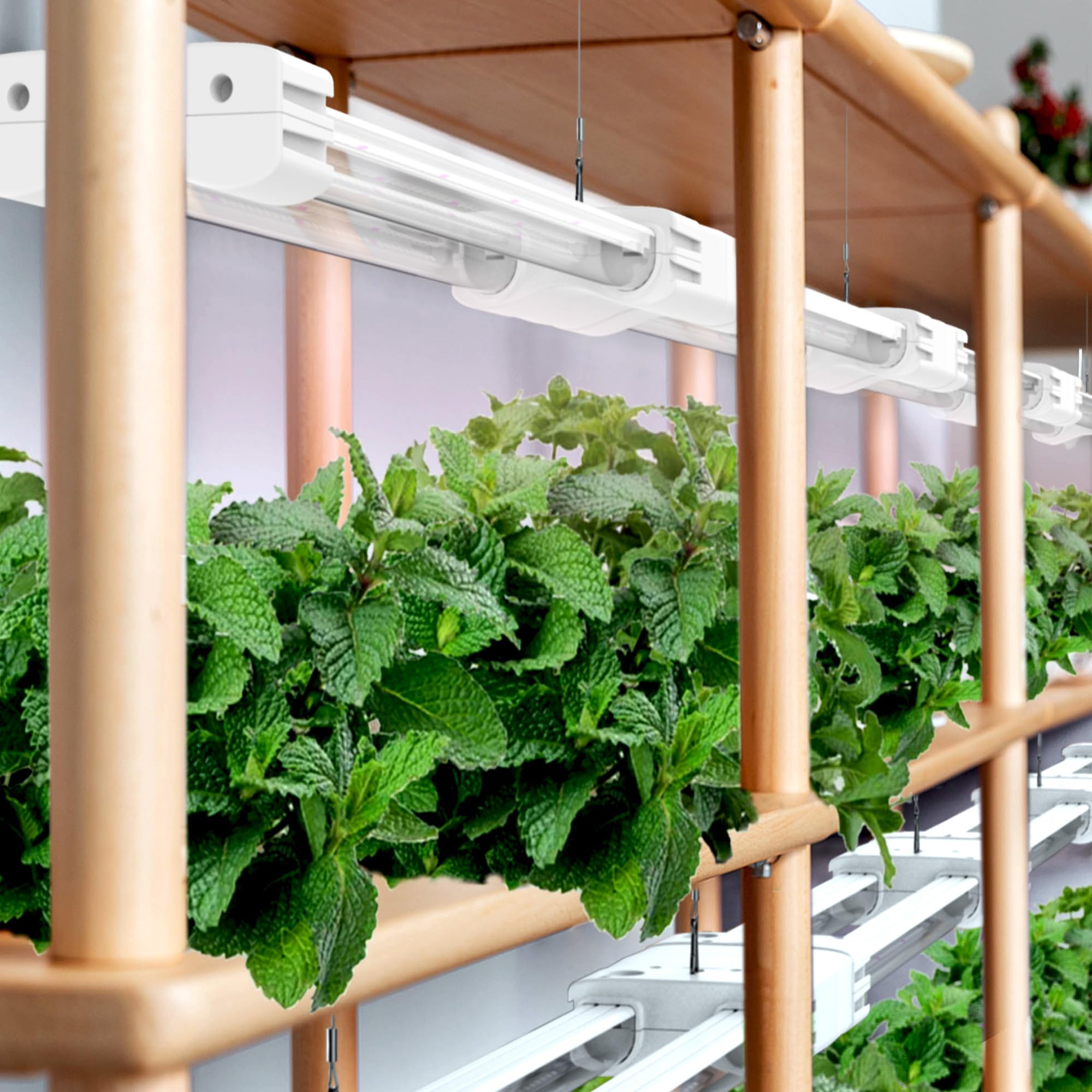
Image from www.amazon.com.
Consider how your growing space might evolve over time. Wall-mounted adjustable lighting rails, ceiling-mounted track systems, and tiered growing racks all offer flexibility for reconfiguring your setup as your gardening interests develop. The most adaptable systems use standardized connections and mounting hardware that will remain compatible with future equipment additions.
- Choose fixtures with firmware update capabilities to access spectrum improvements
- Install electrical capacity beyond your current needs (extra circuits, higher amperage)
- Select controllers that integrate with multiple generations of lighting technology
- Document your growing results to inform future equipment decisions
- Join indoor gardening communities to stay current on emerging technologies
The most successful long-term indoor gardeners approach their lighting systems as evolving platforms rather than fixed installations. By anticipating future expansion and technological advancement, you can build a foundation that supports your growing ambitions for years to come.
Remember that your lighting system represents just one component of a successful indoor garden. Even the most advanced lights cannot compensate for poor growing medium, inadequate nutrition, or improper environmental conditions. A holistic approach that balances all these factors will consistently outperform setups that excel in one area but neglect others.
Frequently Asked Questions
As indoor gardening becomes increasingly popular, certain questions arise consistently among both beginners and experienced growers. These practical answers address the most common lighting concerns while providing actionable guidance for improving your growing results.
How many hours per day should I run my grow lights?
For most vegetables and flowering plants, 16-18 hours of light during vegetative growth followed by 12 hours during flowering stages produces optimal results. Leafy greens and herbs can thrive on 14-16 hours consistently. Always provide uninterrupted dark periods, as even brief light exposure during dark cycles can disrupt flowering hormones in photoperiod-sensitive plants.
Some advanced growers implement complex lighting schedules like 6 hours on/2 hours off repeated throughout the day, which can reduce electricity consumption while maintaining adequate daily light integral (DLI) values. However, these techniques require careful monitoring and aren’t recommended for beginners.
Can regular LED bulbs work for growing plants?
Standard household LED bulbs lack the spectrum balance and intensity needed for robust plant development. While they may sustain low-light houseplants or support brief periods of vegetative growth, they typically provide insufficient red wavelengths for flowering and fruiting stages. For successful indoor gardening, purpose-built horticultural lighting that delivers appropriate spectrum concentrations and adequate PPFD values remains essential.
What color spectrum is best for vegetative growth vs. flowering?
Vegetative growth responds best to light with significant blue content (400-500nm), which promotes compact growth, thick stems, and dense foliage. A spectrum with approximately 20-30% blue content combined with full-spectrum white light creates ideal conditions for structural development. For flowering and fruiting, increased red light (600-700nm) triggers and supports reproductive development, with optimal results typically requiring 50-60% red content in the overall spectrum.
Modern research also highlights the importance of green wavelengths (500-600nm), which penetrate deeper into leaf canopies than blue or red light. Balanced full-spectrum systems that include these middle wavelengths typically outperform fixtures that focus exclusively on red and blue (often called “blurple” lights) by providing more uniform light distribution throughout the plant structure.
How do I calculate the right wattage for my garden size?
Rather than focusing on wattage, calculate your needs based on PPFD requirements and coverage area. Most leafy greens require 25-30 watts of actual LED power per square foot, while flowering plants typically need 35-50 watts per square foot for optimal development. Multiply your growing area in square feet by these figures to determine appropriate sizing, then verify that your selected fixture delivers adequate PPFD values (200-400 μmol/m²/s for greens, 600-900 μmol/m²/s for flowering plants) across your entire growing area. For more tips on improving your indoor garden, check out the top 5 self-watering planters.
Are more expensive grow lights worth the investment?
Higher-quality grow lights typically deliver superior results through better spectrum distribution, more uniform coverage patterns, more efficient energy conversion, and longer operational lifespans. For casual growing or short-term projects, mid-range fixtures often provide adequate performance. However, for year-round production, light-intensive crops, or situations where electricity costs are significant, premium fixtures generally deliver better return on investment through increased yields, reduced operating costs, and longer service life before replacement becomes necessary.
The most significant performance differences typically appear during flowering phases and in situations requiring sustained high-intensity lighting. If your growing focuses on leafy greens or low-light herbs, the performance gap between mid-range and premium fixtures narrows considerably, making budget-friendly options more attractive.
Featured Image from www.gardenista.com.

Related Posts
-
 Best Vertical Gardening Kits for Year-Round Growing
- How to Start An Indoor Container Garden
- How to Select The Right Grow Light for Your Indoor Plants
- Suncast Resin Wicker Planter: Durable Elegance for Your Balcony Oasis
- Review: The EarthBox Organic Garden Kit – A Unique Option for Container Gardeners
- Is It Safe to Grow Food In Plastic Containers?


