Best Indoor Herb Growing Tips & Techniques for Success

Looking to spice up your meals this winter? Try these indoor herb growing tips for fresh flavor year-round!
Indoor herb gardening can be a rewarding hobby that brings fresh flavors to your kitchen and a touch of greenery to your home! Whether you’re a seasoned gardener or a complete beginner, growing herbs indoors is an accessible way to enjoy gardening all year round. Let’s dive into some of the best tips and techniques to ensure your indoor herb garden thrives.
Key Takeaways:
- Choose easy-to-grow herbs like basil, mint, and parsley for indoor gardening.
- Provide at least 6 hours of sunlight or use LED grow lights to ensure healthy growth.
- Maintain temperatures between 65-75°F and humidity levels of 40-60%.
- Use well-draining soil and containers with proper drainage holes.
- Regular pruning and correct watering are crucial for healthy herb growth.
Top Indoor Herb Growing Tips
Growing herbs indoors requires a bit of knowledge and preparation. However, with the right approach, you can create a thriving herb garden inside your home. The key is to understand the needs of your herbs and provide them with the right conditions to flourish. For those with limited outdoor space, you may also consider exploring soil-less gardening methods like hydroponics or aeroponic systems.
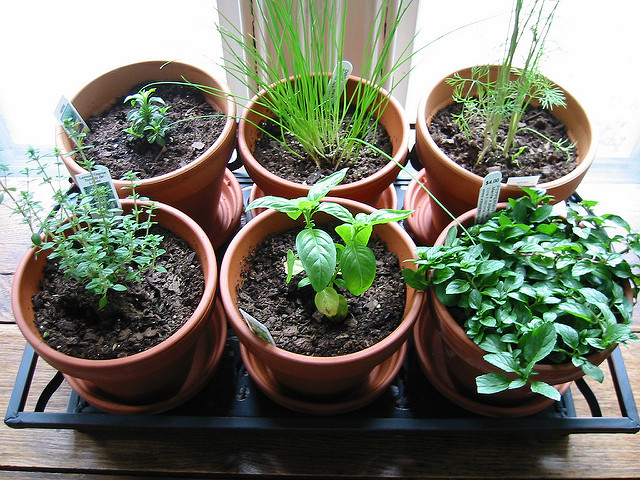
Image www.the-herb-guide.com.
Choosing the Best Herbs for Indoors
Not all herbs are created equal when it comes to indoor gardening. Some herbs are more suited to indoor conditions than others. For beginners, it’s best to start with herbs that are known for their resilience and adaptability.
Consider growing the following herbs indoors:
- Basil: This aromatic herb grows quickly and can be used in a variety of dishes.
- Mint: Known for its refreshing scent and taste, mint is easy to grow and care for.
- Parsley: A staple in many kitchens, parsley thrives indoors with proper care.
- Thyme: This hardy herb is perfect for indoor gardens and adds a savory flavor to meals.
Understanding Basic Herb Needs
Before you start planting, it’s crucial to understand the basic needs of your herbs. Most importantly, herbs need the right amount of light, water, and nutrients to grow well. Each herb has its specific requirements, but there are some general guidelines you can follow.
Herbs generally prefer:
- Light: Most herbs need at least 6 hours of sunlight per day. If you don’t have a sunny spot, consider using LED grow lights.
- Water: Herbs need consistent moisture, but overwatering can lead to root rot. Water when the top inch of soil feels dry.
- Nutrients: Use a balanced fertilizer every few weeks to provide essential nutrients.
Lighting for Indoor Herbs
Light is one of the most critical factors for indoor herb gardening. Without enough light, herbs can become leggy and weak. Therefore, it’s essential to ensure your herbs receive adequate lighting to thrive.
Maximizing Natural Light
If you have access to natural sunlight, make the most of it. Place your herb pots on a south or southwest-facing windowsill where they can soak up the sun’s rays. Rotate the pots regularly to ensure all sides of the plants receive light.
However, if natural light is limited, don’t worry. There are other options to consider.
Using LED Grow Lights
LED grow lights are a fantastic alternative to natural sunlight. They provide the necessary light spectrum for photosynthesis and some can be adjusted to suit the needs of your herbs. When using grow lights, position them about 6-12 inches above the plants and keep them on for about 12-16 hours a day.
LED lights are energy-efficient and can be a great investment for your indoor garden. Besides that, they ensure your herbs get the light they need, even in the darkest corners of your home!

Image from www.tsladventures.net.
Ideal Temperature and Humidity
Herbs thrive in specific temperature and humidity conditions. Maintaining these conditions is crucial for their growth and development.
Maintaining Proper Temperature
Most herbs prefer a temperature range of 65-75°F. This range is generally comfortable for humans, making it easy to maintain indoors. Avoid placing your herbs near heat sources or drafty windows, as sudden temperature changes can stress the plants.
In colder months, you might need to adjust the indoor temperature slightly to keep your herbs happy. Remember, consistency is key.
Choosing the Right Soil Mix
Choosing the correct soil mix is essential for growing healthy indoor herbs. Unlike outdoor gardens, indoor herb pots need a soil mix that provides adequate drainage and aeration. Most importantly, the soil should be light and fluffy to allow roots to breathe.
Opt for a high-quality potting mix specifically designed for indoor plants. These mixes often contain a blend of peat moss, vermiculite, and perlite, which help retain moisture while providing good drainage. Avoid garden soil, as it can compact easily and harbor pests and diseases. For those interested in alternative growing methods, consider exploring aeroponic systems for efficient indoor gardening.
Selecting Suitable Containers
The containers you choose for your indoor herbs can significantly impact their growth. Select pots with drainage holes to prevent water from accumulating at the bottom, which can lead to root rot. Besides that, the size of the container should match the growth habit of the herb.
For example, herbs like basil and mint grow vigorously and may require larger pots to accommodate their root systems. On the other hand, thyme and oregano have more compact growth habits and can thrive in smaller containers. Consider using clay or ceramic pots, as they allow for better airflow to the roots. For more detailed guidance, you might want to check out this beginner’s guide.
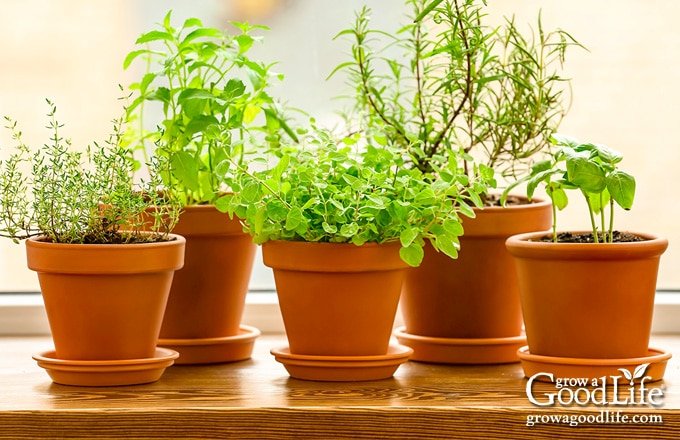
Image from growagoodlife.com.
Watering and Fertilization
Watering and fertilizing your herbs correctly is crucial for maintaining their health. Too much or too little of either can lead to problems, so it’s essential to get it right. Let’s explore how to water and fertilize your indoor herbs effectively.
How to Water Indoor Herbs
Proper watering is all about balance. Herbs generally prefer slightly moist soil, but they dislike being waterlogged. To determine when to water, check the top inch of soil. If it feels dry to the touch, it’s time to water. For those interested in alternative methods, hydroponic gardening offers a soil-less option that can help maintain the right moisture levels.
Water thoroughly, allowing excess water to drain from the bottom of the pot. Empty the saucer under the pot to prevent water from sitting at the roots. Remember, different herbs have different water needs, so adjust your watering schedule accordingly. For more tips on maintaining your indoor herb garden, check out this smart herb garden maintenance guide.
Proper Fertilization Techniques
Fertilizing your indoor herbs provides them with the necessary nutrients for healthy growth. Use a balanced liquid organic fertilizer every 4-6 weeks during the growing season. Dilute the fertilizer to half strength to avoid over-fertilizing, which can damage the plants.
Organic options, such as fish emulsion or seaweed extract, are excellent choices for indoor herbs. These natural fertilizers promote healthy growth without the risk of chemical buildup in the soil. Always follow the instructions on the fertilizer package for the best results.
Managing Pests and Diseases
Even indoor herbs are not immune to pests and diseases. However, with proper care and attention, you can keep these issues at bay and ensure your herbs remain healthy and productive.
Identifying Common Pests
Common pests that affect indoor herbs include aphids, spider mites, and whiteflies. These pests can cause damage by sucking the sap from the plants, leading to stunted growth and yellowing leaves.
Regularly inspect your herbs for signs of pest infestations. Look for sticky residue, webbing, or tiny insects on the leaves and stems. Early detection is key to preventing severe damage.
Prevention and Treatment Tips
To prevent pest infestations, maintain good air circulation around your herbs and avoid overcrowding them. This reduces the likelihood of pests finding a suitable environment to thrive. Additionally, keep your plants clean by gently wiping the leaves with a damp cloth.
If you notice pests, treat them promptly with natural remedies like insecticidal soap or neem oil. These treatments are effective and safe for use on edible plants. Apply them according to the manufacturer’s instructions to eliminate pests without harming your herbs.

Image from blog.gardenuity.com.
Pruning and Harvesting Techniques
Pruning and harvesting are essential practices that encourage healthy growth and ensure a continuous supply of fresh herbs. By removing old growth, you stimulate new shoots and maintain the plant’s shape.
Proper Pruning Methods
Regular pruning helps prevent your herbs from becoming leggy and encourages bushier growth. Use clean, sharp scissors to trim back the stems, cutting just above a set of leaves. This method promotes new growth and keeps the plant looking tidy.
For herbs like basil and mint, pinch off the top leaves regularly to encourage branching. For woody herbs like rosemary and thyme, prune back the tips to maintain a compact shape.
Optimal Harvesting Times
Harvesting your herbs at the right time ensures you get the best flavor and encourages more growth. The general rule is to harvest herbs before they flower, as this is when their flavor is most intense. Once flowering has started, some herbs will stop producing many new leaves, or may turn bitter or develop an unpleasantly strong flavor. For leafy herbs like basil and parsley, you can start harvesting when the plant has enough leaves to maintain growth.
Cut the stems in the morning after the dew has dried but before the sun gets too hot. This timing preserves the essential oils in the leaves, giving you the best taste and aroma. Always use clean, sharp scissors or shears to avoid damaging the plant.
Thriving Indoor Herb Gardens
Indoor herb gardening is a delightful way to bring nature into your home and enhance your culinary creations. By following these tips and techniques, you can ensure your herbs grow healthy and robust, providing you with a fresh supply year-round! Remember, the key to success is understanding the specific needs of your herbs and providing them with the right conditions.
Recap of Essential Tips
To summarize, start by choosing herbs that are well-suited for indoor growing, like basil and rosemary. Ensure they receive adequate light, either from a sunny window or LED grow lights. Maintain proper temperature and humidity levels to mimic their natural environment. Use well-draining soil and containers with drainage holes to prevent waterlogging.
Water your herbs consistently, but avoid overwatering. Fertilize them with a balanced fertilizer to provide essential nutrients. Regularly prune your herbs to encourage bushy growth and prevent legginess. Finally, monitor for pests and treat them promptly to keep your plants healthy.
Long-term Maintenance of Herb Gardens
Maintaining your indoor herb garden requires regular attention and care. Keep an eye on the growth and health of your plants, adjusting their environment as needed. Rotate pots to ensure even light exposure and trim back any dead or yellowing leaves.
Consider repotting your herbs every year or two to refresh the soil and provide more room for root growth. With consistent care, your indoor herb garden will thrive, offering you fresh flavors for your meals and a touch of greenery in your home!

Image from www.eatingwell.com.
Frequently Asked Questions
Growing herbs indoors can be a fulfilling endeavor, but it often raises some common questions. Here are some answers.
What are the easiest herbs to grow indoors?
Some of the easiest herbs to grow indoors include basil, mint, parsley, and thyme. These herbs are hardy and adaptable, making them ideal for indoor environments.
How much light do indoor herbs need?
Indoor herbs generally need at least 6 hours of sunlight per day. If natural light is insufficient, use LED grow lights to supplement their light requirements.
What is the best way to water indoor herbs?
Water your indoor herbs when the top inch of soil feels dry. Ensure thorough watering, allowing excess water to drain out of the pot to prevent root rot.
How can I prevent pests in my indoor herb garden?
To prevent pests, maintain good air circulation and avoid overcrowding your plants. Regularly inspect your herbs for signs of pests and use natural remedies like insecticidal soap if needed.
When is the best time to harvest my herbs?
The best time to harvest herbs is just before they flower, usually in the morning after the dew has dried. This timing ensures maximum flavor and aroma.
Featured Image from melnor.com.

Related Posts
-
 Make Your Own Potting Soil With These 3 Simple (& FREE!) Ingredients
- How to Grow Herbs In a Mason Jar
- 5 Crops To Grow Indoors During the Winter
- Soil-Less Gardening Systems: Hydroponics & Aeroponics Techniques for Indoor Gardens
- Vevor Versus Grow1 Deep Water Culture Hydroponic Systems Comparison
- [Video] Pros & Cons of Deep Water Culture Systems


