Best Tips & Techniques for Dehydrating Zucchini

Zucchini is a versatile vegetable and can be easily dried for long-term storage and later use. Here’s a helpful guide to dehydrating zucchini…
Key Takeaways:
- Dehydrating zucchini helps preserve its nutritional value and extends its shelf life.
- Properly washing and drying zucchini is essential to prevent contamination.
- Different cutting methods, such as slicing and shredding, offer various uses for dehydrated zucchini.
- Using a dehydrator provides the most consistent results, but oven and air dehydration are also effective.
- Storing dehydrated zucchini in airtight containers or vacuum-sealed bags ensures longevity.
Best Tips & Techniques for Dehydrating Zucchini
Why Dehydrate Zucchini
Dehydrating zucchini is a fantastic way to preserve an abundant harvest. When you dehydrate zucchini, you not only extend its shelf life but also retain most of its nutritional value. This method is especially useful for those who grow their own zucchini and find themselves overwhelmed with the quantity – which, frankly, is most of us who grow zucchini! 🙂 Besides that, dehydrated zucchini is lightweight, making it perfect for hiking or camping trips.

Image from www.freshoffthegrid.com.
Preparing Zucchini for Dehydration
Washing and Drying
Before you start dehydrating zucchini, it’s crucial to wash and dry it properly. This step removes any dirt or pesticides that may be on the surface (hopefully, you won’t have pesticides if you’re a sustainable gardener).
- Rinse the zucchini under cool running water.
- Use a vegetable brush to scrub off any stubborn dirt.
- Pat the zucchini dry with a clean towel to remove excess moisture.
Proper washing and drying ensure that your dehydrated zucchini is clean and safe to eat.
Cutting Methods
How you cut your zucchini will depend on how you plan to use it once it’s dehydrated. Here are the most common cutting methods:
- Thin Slices: Perfect for making zucchini chips. Use a mandoline slicer for even thickness.
- Shredded: Ideal for adding to soups or casseroles. A food processor can make quick work of shredding.
- Chunks: Useful for stews and stir-fries. Cut the zucchini into uniform pieces for even dehydration.
Shredding Techniques
Shredding zucchini is an excellent way to prepare it for dehydration. Shredded zucchini can be used in various dishes, from soups to baked goods. Here’s how you can shred zucchini effectively:
- Trim off the ends of the zucchini.
- Use a box grater or a food processor with a shredding attachment.
- Spread the shredded zucchini on a clean towel and press with another clean towel to remove excess moisture.
By removing excess moisture, you ensure that the zucchini dehydrates evenly and efficiently.
Dehydration Methods
There are several methods you can use to dehydrate zucchini. Each method has its pros and cons, so you can choose the one that best suits your needs.
- Using a Dehydrator: This is the most efficient and consistent method.
- Oven Dehydration: A good alternative if you don’t have a dehydrator.
- Air Dehydration: The most natural method but can be time-consuming and inconsistent.
Using a Dehydrator
A dehydrator is the most reliable way to dehydrate zucchini. Here’s how you can do it:
- Arrange the zucchini slices or shreds on the dehydrator trays in a single layer.
- Set the dehydrator to 125°F (52°C) – or the setting for vegetables.
- Dehydrate for 6-12 hours, checking periodically for dryness.
Using a dehydrator ensures that the zucchini dries evenly and thoroughly.
Oven Dehydration
If you don’t have a dehydrator, don’t worry. You can still dehydrate zucchini using your oven. Here’s how to do it:
- Preheat your oven to the lowest temperature setting, usually around 150°F (65°C).
- Arrange the zucchini slices or shreds on baking sheets lined with parchment paper.
- Leave the oven door slightly ajar to allow moisture to escape.
- Dehydrate for 6-12 hours, checking periodically for doneness.
Oven dehydration is convenient, but it requires careful monitoring to prevent over-drying or burning.
Air Dehydration
Air dehydration is the simplest and most natural method, but it takes the longest time. This method works best in hot, dry climates. Here’s how you can do it:
- Place the zucchini slices or shreds on a clean, dry surface, such as a wire rack or a mesh screen.
- Cover the zucchini with a thin cloth to keep insects away.
- Place the rack in a well-ventilated area with plenty of sunlight.
- Turn the zucchini pieces occasionally to ensure even drying.
- Air dry for several days, depending on the humidity and temperature.
Air dehydration is eco-friendly and cost-effective but requires patience and favorable weather conditions.
Seasoning Zucchini
Herbs and Spices
Seasoning your zucchini before dehydrating can add a burst of flavor to your dried snacks. Here are some popular herbs and spices to consider:
- Garlic Powder: Adds a savory, robust flavor.
- Paprika: Provides a mild, smoky taste.
- Dill: Offers a fresh, slightly tangy flavor.
- Italian Seasoning: A blend of herbs like basil, oregano, and rosemary.
Experiment with different combinations to find your favorite flavors!
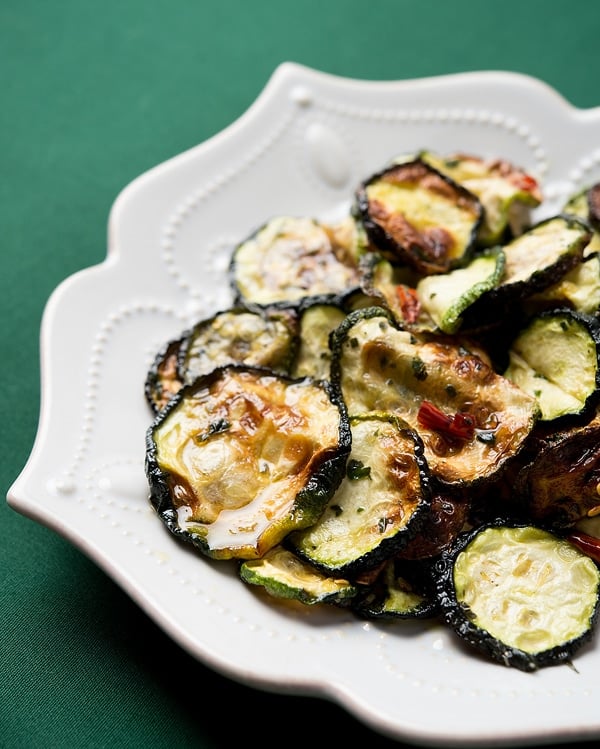
Image from honest-food.net.
Olive Oil Coating
Coating zucchini slices with olive oil before dehydrating can enhance their texture and flavor. Here’s how to do it:
“Drizzle a small amount of olive oil over the zucchini slices. Toss them gently to ensure even coating. Season with your favorite herbs and spices before placing them in the dehydrator or oven.”
Olive oil helps the seasoning stick to the zucchini and adds a slight crispiness to the final product.
Fun Flavor Combinations
Combining different herbs and spices can create unique and delicious flavors! Here are a few ideas to get you started:
- Garlic and Dill: A classic combination that pairs well with many dishes.
- Paprika and Cumin: Adds a smoky, earthy flavor perfect for snacking.
- Italian Seasoning and Parmesan: A savory blend that’s great for zucchini chips.
Feel free to get creative and try out new combinations to find what you love best! For more ideas, check out this online course on home food preservation techniques.
Storage Tips
“Proper storage is crucial to maintain the quality and longevity of your dehydrated zucchini. Using airtight containers or vacuum sealing can significantly extend the shelf life.”
Using Airtight Containers
One of the best ways to store dehydrated zucchini is in airtight containers. Here’s why:
- Prevents Moisture: Keeps out moisture that can cause mold.
- Maintains Freshness: Preserves the flavor and texture.
- Easy Access: Convenient for snacking or cooking.
Use glass jars or plastic containers with tight-fitting lids to ensure an airtight seal.
Vacuum Sealing
For long-term storage, vacuum sealing is an excellent option. This method removes air from the packaging, which helps prevent spoilage. Here’s how you can do it:
- Place the dehydrated zucchini in a vacuum-seal bag.
- Use a vacuum sealer to remove the air and seal the bag.
- Label the bags with the date and contents for easy identification.
Vacuum sealing keeps your dehydrated zucchini fresh for months, if not years.
Best Storage Locations
Where you store your dehydrated zucchini is just as important as how you store it. Here are some ideal storage locations:
- Cool, Dark Place: A pantry or cupboard away from direct sunlight.
- Refrigerator: Extends the shelf life even further, especially in humid climates.
- Freezer: Best for long-term storage, though it may affect texture slightly.
Choose a storage location that maintains a consistent temperature and humidity level to keep your dehydrated zucchini at its best. For more information on preserving your garden veggies, check out this guide on freezing versus canning.
Tips for Crispy Zucchini Chips
Ensuring Complete Dryness
The key to crispy zucchini chips is ensuring they are completely dry. Here’s how to achieve that:
- Check for dryness by breaking a piece in half. It should snap easily.
- If the zucchini feels leathery or bends, it needs more drying time.
- Rotate the trays or baking sheets periodically to ensure even drying.
Complete dryness prevents sogginess and extends the shelf life of your zucchini chips.
Temperature and Timing
Getting the temperature and timing right is crucial for crispy chips. For more detailed guidance, check out this article on how to dehydrate zucchini and summer squash chips.
- Dehydrator: Set to 125°F (52°C) and dry for 6-12 hours.
- Oven: Set to the lowest temperature and dry for 6-12 hours, keeping the door slightly ajar.
- Air Drying: Requires several days in a hot, dry climate.
Regularly check the zucchini to avoid over-drying or burning.
Storing Finished Chips
Once your zucchini chips are fully dehydrated, it’s essential to store them properly to maintain their crispiness. Here’s how you can do it:
- Allow the chips to cool completely before storing them.
- Place the chips in an airtight container to keep out moisture.
- Store the container in a cool, dark place to maintain freshness.
Proper storage ensures that your zucchini chips remain crispy and delicious for a long time.

Image from food-ology.blogspot.com.
Creative Uses for Dehydrated Zucchini
Dehydrated zucchini is incredibly versatile and can be used in lots of ways. Here are some creative ideas:
Snacking
One of the most popular uses for dehydrated zucchini is as a healthy snack. Zucchini chips make a great alternative to traditional potato chips! You can enjoy them plain or with your favorite dips like hummus or guacamole.
Cooking Uses
Dehydrated zucchini can be rehydrated and used in a variety of dishes. Here are some ideas:
- Add shredded zucchini to soups and stews for extra texture and nutrition.
- Use zucchini chunks in stir-fries or casseroles for a quick and easy meal.
- Mix dehydrated zucchini into pasta sauces for added flavor and nutrients.
Rehydrating is simple; just soak the zucchini in warm water for about 15-20 minutes before adding it to your dish.
Baking Additions
Dehydrated zucchini can also be used in baking. Here are some ways to incorporate it:
- Mix shredded zucchini into muffin or bread batter for added texture and nutrition.
- Add dried zucchini shreds to cookie dough for a unique twist!
- Use rehydrated zucchini in savory baked goods like quiches or frittatas.
Dehydrated zucchini adds a nutritional boost and unique texture to your baked creations.
Frequently Asked Questions:
Here are some common questions about dehydrating zucchini, along with detailed answers to help you get the best results.
Can I dehydrate zucchini without seasoning?
Absolutely! While seasoning can enhance the flavor, making plain dehydrated zucchini allows you to keep the flavor neutral, making it more versatile for various recipes. You can always add seasoning later when you use it in recipes. For more detailed instructions, check out this guide on how to dehydrate zucchini.
However, adding herbs and spices can enhance the flavor and make your dehydrated zucchini more enjoyable – especially for snacking.
- If you prefer a simple snack, you can lightly salt the zucchini before dehydrating.
- For a more flavorful option, experiment with different seasoning blends like garlic powder, paprika, or Italian herbs.
How long does dehydrated zucchini last?
Dehydrated zucchini can last up to a year if stored properly. The key to longevity is keeping the zucchini in an airtight container or vacuum-sealed bag, and storing it in a cool, dark, and dry place. This prevents moisture and light from degrading the quality of the zucchini.
It’s also important to check the storage containers periodically for any signs of moisture or spoilage. If you notice any issues, it’s best to use the zucchini sooner rather than later to avoid waste. For more information on preserving your harvest, you can check out the Preserving the Harvest Course.
What are the best ways to store dehydrated zucchini?
The best ways to store dehydrated zucchini are in airtight containers or vacuum-sealed bags. These methods help to keep out moisture and air, which can cause the zucchini to spoil. Here are some tips for effective storage:
- Airtight Containers: Use glass jars with tight-fitting lids or plastic containers with secure seals. Make sure the containers are completely dry before adding the zucchini.
- Vacuum Sealing: Vacuum sealing removes air from the packaging, reducing the risk of spoilage and extending shelf life. This method is particularly effective for long-term storage.
- Cool, Dark, and Dry Locations: Store your containers in a pantry or cupboard away from direct sunlight and heat sources. This helps to maintain the quality and longevity of the dehydrated zucchini.
Can I use a microwave to dehydrate zucchini?
Using a microwave to dehydrate zucchini is not recommended. Microwaves can cause uneven drying and may not remove all the moisture, leading to potential spoilage. Instead, opt for a dehydrator or oven, which provide more consistent and reliable results.
If you’re in a pinch and must use a microwave, be prepared for a less predictable outcome. Use the microwave on a low power setting and check the zucchini frequently to avoid burning or incomplete drying.
How do I know when the zucchini is fully dehydrated?
Zucchini is fully dehydrated when it becomes brittle and snaps easily. Check the pieces periodically during the drying process to ensure they are completely dry.
For more comprehensive preservation methods, you might want to explore these home preservation tips to keep your garden harvest fresh all year round.
Featured Image from www.freshoffthegrid.com.

Related Posts
-
 Best Summer Squash Pickling Recipes & Harvest Preservation Tips
- Best Methods for Preserving Fresh Herbs: Drying, Freezing, & More
- 20 Tasty Ways to Use Green Tomatoes
- [Video] 2 Unusual Ways to Enjoy Your End-of-Season Tomatoes
- How to Grow Edible Amaranth At Home
- [Video] Best Freezer Tips for Preserving Your Garden Produce


