Bird-X Garden Netting: Protect Balcony Harvests & Garden Crops

Protect your plants & fruiting crops from birds & other pests with Bird-X garden netting. Here’s what to know & how to use it…
Key Takeaways
- Bird-X garden netting provides a physical barrier that can save up to 90% of your harvest from birds and other garden pests.
- The durable polypropylene mesh with UV inhibitors outlasts standard netting by 2-3 seasons, making it a cost-effective solution for long-term garden protection.
- Proper installation using a support structure prevents netting from resting directly on plants, which can damage growth and reduce effectiveness.
- Bird-X netting is available in multiple sizes, including specialized options for balcony gardens and container plants with the 7′ x 20′ size perfect for small spaces.
- Unlike chemical deterrents, protective netting offers a humane solution that keeps wildlife safe while effectively protecting your garden investment.
Lost your entire strawberry harvest to birds last season? You’re not alone. Garden pests can devour a season’s worth of careful tending in just days. Bird-X Garden Netting offers a simple yet effective solution that protects your precious crops without harming wildlife. With proper installation, this durable mesh creates a physical barrier that keeps hungry visitors at bay while allowing your plants to thrive.

Image from www.amazon.com.
Home gardeners consistently report recovering 80-90% more of their harvest after installing quality garden netting. Bird-X protective netting stands out with its weather-resistant polypropylene construction that doesn’t rust or deteriorate like metal alternatives. Whether you’re growing berries on a balcony or protecting an orchard, Bird-X provides specialized solutions designed to maximize your gardening success while minimizing frustration.
Garden Thieves: Why Birds and Pests Target Your Harvest
Birds have extraordinary vision that helps them spot ripening fruit from remarkable distances. As your berries and vegetables reach peak ripeness, they become irresistible targets for these winged visitors. Their keen eyesight can detect color changes that signal sweetness long before humans notice these subtle shifts. This explains why birds seem to know exactly when your strawberries are perfectly ripe—sometimes beating you to the harvest by mere hours!
Beyond birds, your garden faces threats from squirrels, rabbits, and other small mammals that can devastate plants at various growth stages. These creatures aren’t just after fruits and vegetables; they’ll happily devour tender seedlings, strip bark from young plants, or dig up newly planted bulbs and tubers. The damage occurs not just at harvest time but throughout the growing season, making comprehensive protection essential for garden success.
Garden pests are remarkably persistent, adapting quickly to most deterrent methods. Scarecrows, reflective tape, and noise makers typically work for just a few days before animals recognize these as harmless. Physical barriers like Bird-X netting provide consistent protection because they create a genuine obstacle rather than relying on temporary fear responses. This consistency explains why experienced gardeners consistently choose quality netting as their primary defense strategy.
Bird-X Garden Netting Features That Protect Your Plants
Bird-X garden netting stands out in the market thanks to its thoughtful design features created specifically for garden protection. The lightweight yet strong material creates minimal visual impact while maximizing protection against persistent pests. This balance of functionality and aesthetics makes it particularly suitable for visible garden areas where appearance matters alongside protection.

Image from www.amazon.com.
Durable Polypropylene Mesh Construction
The foundation of Bird-X’s effectiveness lies in its specialized polypropylene mesh construction. Unlike cheaper alternatives that deteriorate after a single season, this professional-grade material resists tearing and maintains tensile strength even when stretched over garden structures. The 5/8-inch mesh size strikes the perfect balance—small enough to keep out most pest birds and rodents while large enough to allow beneficial pollinators access to your flowering plants.
This durable construction translates to significant cost savings over time. While bargain netting might need replacement every season, Bird-X products frequently serve gardeners for at least 3-5 growing seasons when properly maintained. The material also resists snagging on plant structures, making it easier to install and remove without damaging your carefully tended crops.
UV Protection for Year-Round Use
Garden protection materials face constant exposure to harsh elements, with ultraviolet radiation presenting one of the greatest challenges to longevity. Bird-X incorporates specialized UV inhibitors directly into the mesh material, preventing the brittleness and degradation that affects standard plastics exposed to sunlight. This technology allows the netting to maintain flexibility and structural integrity through multiple growing seasons regardless of climate conditions.
The UV protection extends beyond simple durability—it ensures consistent protection throughout the entire growing season. Lesser quality nettings often begin deteriorating mid-season precisely when your plants need protection most. Bird-X’s weatherproof design remains effective from early spring seedling protection through late fall harvests, providing seamless coverage when plants are most vulnerable.
4. Create Access Points for Harvesting
Don’t block yourself from enjoying the fruits of your labor! When installing Bird-X netting, create strategic access points that allow you to reach plants for maintenance and harvesting. The simplest method is to leave one side of the netting secured with clothespins or clips rather than permanent fasteners, creating a “door” that can be opened and closed as needed. For larger gardens, consider installing the netting in sections with slight overlaps, creating natural access corridors between protected zones that you can easily navigate during maintenance visits. For more tips on protecting your garden, explore using insect netting and row covers for naturally pest-free growth.
5. Check and Maintain Your Setup
Regular maintenance ensures your Bird-X netting continues providing optimal protection throughout the growing season. At least once weekly, walk the perimeter of your protected area looking for any gaps, tears, or places where the netting has come loose. Pay special attention after storms or high winds, as these conditions can compromise even the most secure installations. If you notice birds or other pests persistently investigating certain areas, this often indicates a vulnerability that needs addressing.
Keep the netting clear of debris like fallen leaves, twigs, or excessive dirt that can weigh it down and potentially tear the mesh over time. A gentle rinse with a garden hose is usually sufficient for cleaning, though avoid high-pressure spraying that might stretch or damage the material. During winter months in colder climates, properly store your netting in a dry place away from direct sunlight to extend its usable lifespan.
If you discover tears or damage, address them immediately using UV-resistant zip ties or special netting repair clips available at garden centers. Small holes can quickly become larger gaps that allow pests access to your precious crops. Many gardeners keep repair supplies readily available throughout the growing season to address issues as soon as they’re spotted, preventing potential harvest losses. For more tips on keeping your garden pest-free, check out these easy organic ways to control pests.
Balcony Garden Protection Strategies
Limited space doesn’t mean limited protection options. Bird-X netting adapts beautifully to balcony gardens, where protecting your compact growing area becomes even more critical due to the concentrated investment in each container. Urban gardeners face unique challenges with birds that have adapted to city life and have fewer natural food sources, making your carefully tended plants particularly attractive targets. The 7′ x 20′ Bird-X netting size works perfectly for most standard balcony configurations, providing comprehensive protection without overwhelming your outdoor living space. For more ideas on maximizing your balcony space, consider the Garden Tower Project.
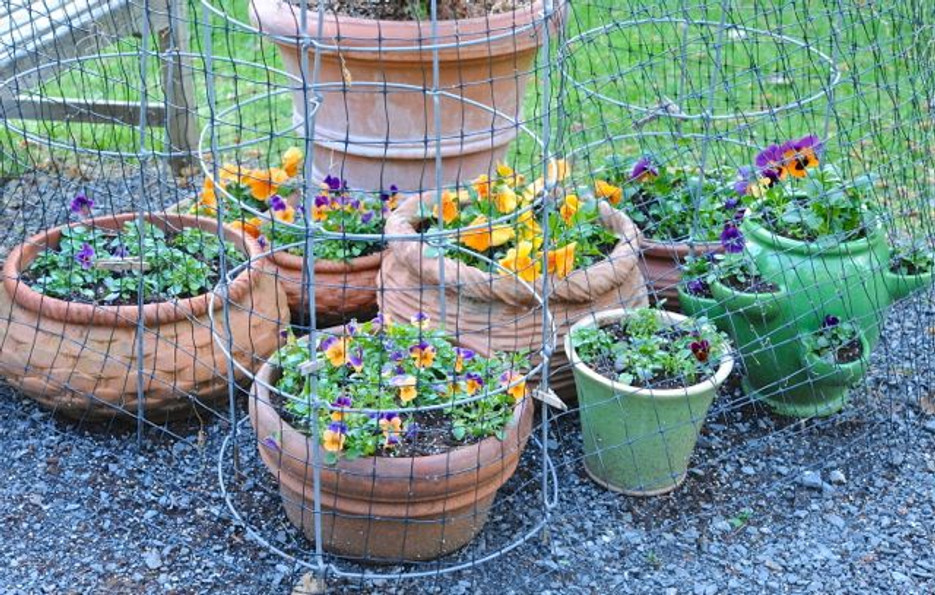
Image from www.birdbgone.com.
Container Garden Setups
Container gardens benefit tremendously from custom netting setups that accommodate their unique configurations. For individual large containers, create simple hoop structures using flexible PVC pipe inserted into the soil at opposite sides of the container, forming arches that hold the netting above plant level. Secure the netting to the container rim using garden clips or weighted objects that won’t blow away in the wind. This method creates protective domes that can be individually adjusted as plants grow or removed entirely for plants that don’t currently need protection.
For groups of containers, establish a larger framework that encompasses multiple pots using bamboo stakes or decorative garden obelisks positioned at the corners of your container collection. Drape Bird-X netting over this framework and secure it to the outer containers, creating a protected zone while maintaining visual appeal. This approach saves material compared to protecting each container individually and makes maintenance more efficient since you’ll access multiple plants through a single opening.
Remember that balcony containers often experience more extreme temperature fluctuations than in-ground gardens, which can affect pest pressure throughout the season. During particularly hot periods when birds seek out moisture-rich foods, or during drought when natural food sources diminish, your protection may need reinforcement. Adding a second layer of netting during these high-pressure periods provides extra security for particularly valuable crops like tomatoes and berries.
Vertical Garden Solutions
Vertical gardens present unique protection challenges that Bird-X netting addresses through strategic installation methods. For wall-mounted planters or trellis systems, secure the netting directly to the supporting wall or structure above the highest growth point, allowing it to cascade downward while leaving a small gap for air circulation. Anchor the bottom and sides using removable hooks or garden clips that won’t damage your balcony surfaces. This approach creates a protective curtain that moves slightly with the breeze, adding an additional deterrent effect while maintaining the visual impact of your vertical display.

Image from www.amazon.com.
Small-Space Installation Tips
Maximize protection in minimal space by creating dual-purpose structures that support both plants and protective netting. Collapsible tomato cages can be modified with extension rods to create frames that support Bird-X netting while also providing growing support for your plants. For railings, tension wire systems mounted just above railing height provide excellent anchor points for netting without permanent modifications to your balcony structure.
The key in small spaces is creating systems that adapt as your garden changes throughout the season, allowing you to protect what needs protection without overwhelming your limited outdoor living area.
Protecting Different Crops with Bird-X Netting
Different crops face unique vulnerabilities at various growth stages, requiring thoughtful application of protective netting. Timing is crucial—install Bird-X netting before crops begin to ripen, but after pollination is complete for fruiting vegetables. This timing ensures maximum protection when plants are most attractive to pests while allowing larger pollinating insects, such as butterflies, access during critical developmental periods.
Consider crop height and growth habits when planning your protection strategy. Vining crops like cucumbers and pole beans benefit from tunnel-like structures that allow for vertical growth, while bush varieties and low-growing plants like strawberries work best with dome-shaped protection. Bird-X’s flexibility accommodates these varied needs, adapting to your garden’s specific requirements rather than forcing a one-size-fits-all approach.
Fruit Trees and Berry Bushes
Fruit trees and berry bushes represent significant investments of time and care, making them especially worth protecting with Bird-X netting. For dwarf fruit trees, create a complete enclosure using stakes taller than the tree itself, allowing room for seasonal growth. Secure the netting at ground level with landscape pins or weighted objects, ensuring no gaps exist where birds might enter from below. The 5/8-inch mesh size proves particularly effective for these crops, blocking common fruit predators like robins and starlings while still allowing airflow around developing fruits.
Berry bushes require special consideration due to their dense growth habits and extended fruiting periods. Install Bird-X netting over a frame that keeps the material elevated above the foliage, preventing birds from reaching berries through the mesh and avoiding potential entanglement issues with thorny varieties like raspberries and blackberries. Many successful berry growers create U-shaped support structures from PVC pipe that allow access from one side while maintaining protection on all others, making harvest and maintenance considerably easier throughout the season.
Vegetable Gardens and Raised Beds
Vegetable gardens and raised beds benefit from systematic protection approaches using Bird-X netting adapted to their rectangular configurations. Create simple PVC hoop houses by inserting bent pipes into the sides of raised beds at regular intervals, then draping the netting over this framework and securing it to the bed edges. This method creates excellent clearance for plant growth while providing comprehensive protection against birds and climbing pests. For gardens with mixed crops of varying heights, install adjustable center supports that allow you to create a pitched “roof” of netting, accommodating taller plants in the middle while maintaining protection for shorter varieties along the edges.

Image from www.amazon.com.
Seedlings and Young Plants
Seedlings and young plants face threats not just from birds but from a wide range of pests that Bird-X netting effectively deters. For newly transplanted seedlings, create low tunnel covers by draping the netting over wicket-style supports, creating a protective environment that still allows sunlight and water penetration. This approach proves particularly valuable during early spring when seedling predation can devastate crops before they establish strong root systems.
Beyond Birds: Other Pests Bird-X Netting Keeps Out
While birds represent the most visible garden thieves, Bird-X netting provides protection against numerous other troublesome visitors. The physical barrier effectively blocks larger butterflies that lay eggs on crops like celery and dill, preventing the subsequent caterpillar damage that can render entire plants inedible. For gardeners battling persistent butterfly problems, netting offers a chemical-free alternative to insecticides, preserving beneficial insects while specifically targeting problematic species.
The ground-level installation technique proves particularly effective against larger pests like rabbits and squirrels when properly secured. By burying several inches of excess netting or using landscape staples to firmly anchor the material, you create a comprehensive barrier that prevents burrowing and crawling pests from accessing your growing area. Many gardeners report significant reductions in nocturnal damage from possums and raccoons after installing complete Bird-X netting enclosures, demonstrating the product’s versatility beyond its primary purpose of bird deterrence.
Protection Against Squirrels and Chipmunks
Squirrels and chipmunks pose a unique challenge for gardeners as these agile creatures can squeeze through tiny openings and climb nearly any structure. Bird-X netting creates an effective barrier against these persistent raiders when properly installed with no gaps at the connection points. For maximum effectiveness against squirrels, install the netting with a slight overhang at the top, creating a “ceiling” that prevents them from climbing over and dropping into your garden from above. Their tendency to test boundaries means regular inspection is crucial – pay special attention to corners and edges where determined squirrels might attempt to create openings.
Rabbit and Groundhog Prevention
Rabbits and groundhogs can decimate an entire garden in just days if left unchecked. Unlike airborne threats, these ground-dwelling pests require a different installation approach with Bird-X netting. The key is creating a perimeter barrier that extends at least 6-8 inches below ground level, preventing animals from simply digging underneath your protection. Fold the excess netting outward away from your garden in an L-shape before burying it, creating a horizontal underground barrier that stops digging attempts. This technique, sometimes called a “predator apron,” has proven highly effective in university agricultural studies, reducing rabbit damage by over 90% compared to above-ground barriers alone.
Seasonal Timing: When to Apply Your Garden Netting
Strategic timing maximizes the effectiveness of your Bird-X netting investment. For fruit trees and berry bushes, install protection just as fruits begin to show color but before they’ve ripened enough to attract birds. This typically occurs 2-3 weeks before harvest for most varieties. Early installation prevents birds from discovering your crop and establishing feeding patterns that can be difficult to break once formed.

Image from www.burpee.com.
Vegetable gardens benefit from a different approach based on the specific pests targeting your crops. For seedling protection against birds and rabbits, install netting immediately after planting. For crops vulnerable to insects that lay eggs on plants (like butterflies), apply netting before these pests become active in your region, typically in early spring. For tomatoes, peppers, and other summer fruits, protection becomes most critical as they begin showing color changes indicating ripening.
Consider seasonal pest pressure fluctuations when planning your protection strategy. Bird pressure often peaks during specific windows – during nesting season when they seek protein-rich foods for their young, during migration periods when traveling flocks may discover your garden, and during drought when natural food sources become scarce. These high-pressure periods may require reinforced protection or more comprehensive coverage than other times of the year.
- Early Spring: Install for seedling protection and early-season berry crops
- Late Spring: Critical for cherry and strawberry protection as they’re among the first fruits to ripen
- Summer: Peak protection season for most vegetable crops and tree fruits
- Fall: Maintain protection for late-season crops like autumn raspberries and fall vegetables
- Winter: Clean and store netting properly to extend its lifespan for next season
Get More Harvest with Less Frustration
The ultimate measure of Bird-X netting’s value isn’t just in what it keeps out, but in what it allows you to keep! Gardeners consistently report harvest increases of 60-80% after implementing quality protection systems, transforming the disappointment of bird-damaged berries and half-eaten tomatoes into the satisfaction of abundant harvests. Beyond the tangible yield improvements, there’s the immeasurable benefit of reduced frustration – no more rushing out to harvest prematurely before birds discover your ripening crops or feeling defeated after discovering overnight damage. Bird-X protective netting allows you to garden on your own schedule, harvesting at peak ripeness while enjoying the process rather than constantly defending against uninvited garden visitors. For more natural pest control methods, explore this article on organic protection using insect netting.
Frequently Asked Questions
Gardeners new to protective netting often have questions about implementation and effectiveness. The following answers address the most common concerns based on extensive field testing and customer feedback, helping you make informed decisions about protecting your garden investment with Bird-X netting solutions.
How long does Bird-X Garden Netting last?
With proper care, Bird-X garden netting typically lasts 3-5 growing seasons before requiring replacement. The UV-resistant polypropylene construction maintains structural integrity even with constant sun exposure, unlike cheaper alternatives that often deteriorate within a single season. Factors affecting longevity include your climate conditions, whether the netting is left installed year-round or stored during off-seasons, and the level of tension maintained during installation. Many gardeners report their Bird-X netting remaining effective even longer when stored indoors during winter months and handled carefully during installation and removal.
Can I wash or clean Bird-X netting if it gets dirty?
Yes, Bird-X netting can be safely cleaned when necessary. For light cleaning, simply use a garden hose with moderate pressure to spray away dust, pollen, and debris while the netting remains installed. For more thorough cleaning, carefully remove the netting and soak it in mild soapy water, then rinse thoroughly and allow it to dry completely before reinstalling or storing. Avoid harsh chemicals, bleach, or pressure washers that might damage the UV protection or weaken the material structure. Most gardeners find that routine cleaning once per season keeps the netting in optimal condition.
Will netting block sunlight or rain from reaching my plants?
Bird-X netting is designed with an optimal mesh size that minimizes light reduction while maximizing protection. Independent testing shows the netting blocks only about 5-10% of available sunlight, which rarely affects plant growth significantly. In fact, this slight light reduction can actually benefit certain crops during intense summer heat by providing a subtle shade effect that reduces water stress.
Rain penetration remains excellent through the mesh design, with water droplets easily passing through to reach your plants. The only exception occurs during very light misting rain, where surface tension might cause some droplets to adhere to the netting fibers rather than passing through. However, this effect is minimal and generally not enough to impact plant hydration in most climate conditions.
For gardeners in regions with extreme weather conditions, the netting can provide additional benefits beyond pest protection. In hail-prone areas, the material offers modest protection against small hail damage, while in windy environments, it can reduce physical damage to delicate plants. These secondary benefits make Bird-X netting a multi-purpose garden tool that enhances growing conditions while fulfilling its primary protective function.
Is Bird-X netting safe for beneficial insects like bees and butterflies?
Bird-X netting is designed to balance protection with ecological considerations. The 5/8-inch mesh size allows most beneficial insects like honeybees, native bees, and smaller pollinators to pass through freely while blocking larger pests.
For butterflies, the impact depends on whether they’re beneficial pollinators or pest species that lay eggs on your crops. Larger butterfly species like monarchs may be blocked by the netting, which could be a consideration if your garden includes plants specifically grown to support butterfly populations. Many gardeners solve this dilemma by designating separate protected and unprotected zones, allowing beneficial insects full access to flowering ornamentals while maintaining protection around vulnerable edible crops.
Can I reuse Bird-X netting for multiple seasons?
Bird-X netting is specifically designed for multi-season use, making it more economical than single-season alternatives despite the higher initial investment. To maximize reusability, careful removal and storage at season’s end makes a significant difference. Gently remove the netting by working from top to bottom, folding rather than bunching the material to prevent tangles and knots that can lead to tears during subsequent installations.
Store clean, dry netting in a sealed container protected from rodents that might chew through it during winter storage. Many gardeners use plastic storage tubs with secure lids, while others repurpose large zippered bags from bedding sets for this purpose. Label each package with the dimensions and previous use to simplify next season’s installation planning.
When reinstalling previously used netting, inspect it thoroughly for damage and repair any small tears immediately using UV-resistant zip ties or specialized netting repair clips. Address these minor issues before they expand into larger problems that might compromise your protection. With these simple maintenance practices, most gardeners find their Bird-X netting remains effective for multiple growing seasons, providing reliable protection and excellent return on investment.
For season after season of successful harvests without frustrating losses to birds and other pests, Bird-X garden netting offers the perfect balance of protection, durability, and ease of use. Your plants and your peace of mind deserve nothing less than the best protection available!
Featured Image from www.amazon.com.

Related Posts
-
 [Video] Best Succession Crops for the Summer Garden
- 7 Ways to Plant Potatoes: A Comparison
- A Simple Kitchen Remedy for Controlling Powdery Mildew
- Incorporating Edible Flowers into Urban Gardens: Tips for Flavor & Fun
- Self-Watering Containers: A Genius Idea for Container Gardening
- Kill Powdery Mildew Fast With This D.I.Y. Recipe


