Click & Grow Smart Herb Garden Tips & Maintenance Guide

Grow fresh herbs, salad greens, & more all year round with a Click & Grow Smart Herb Garden…
Key Takeaways:
- Smart herb gardens like Click & Grow offer automated watering, making them easy to maintain.
- Ensure the water level is always adequate to prevent plant dehydration.
- Proper LED light settings are crucial for optimal plant growth.
- Regular pruning and harvesting encourage healthier and bushier plants.
- Addressing issues like stunted growth early can save your plants.
Effective Maintenance of Your Click & Grow Smart Herb Garden
Welcome to the world of smart herb gardens, where technology meets nature to create a seamless gardening experience! If you’ve ever struggled with keeping your herbs alive or maintaining a garden, you’re in the right place. Today, we’ll delve into the ins and outs of maintaining a simple Click & Grow Smart Herb Garden, ensuring it thrives with minimal effort.
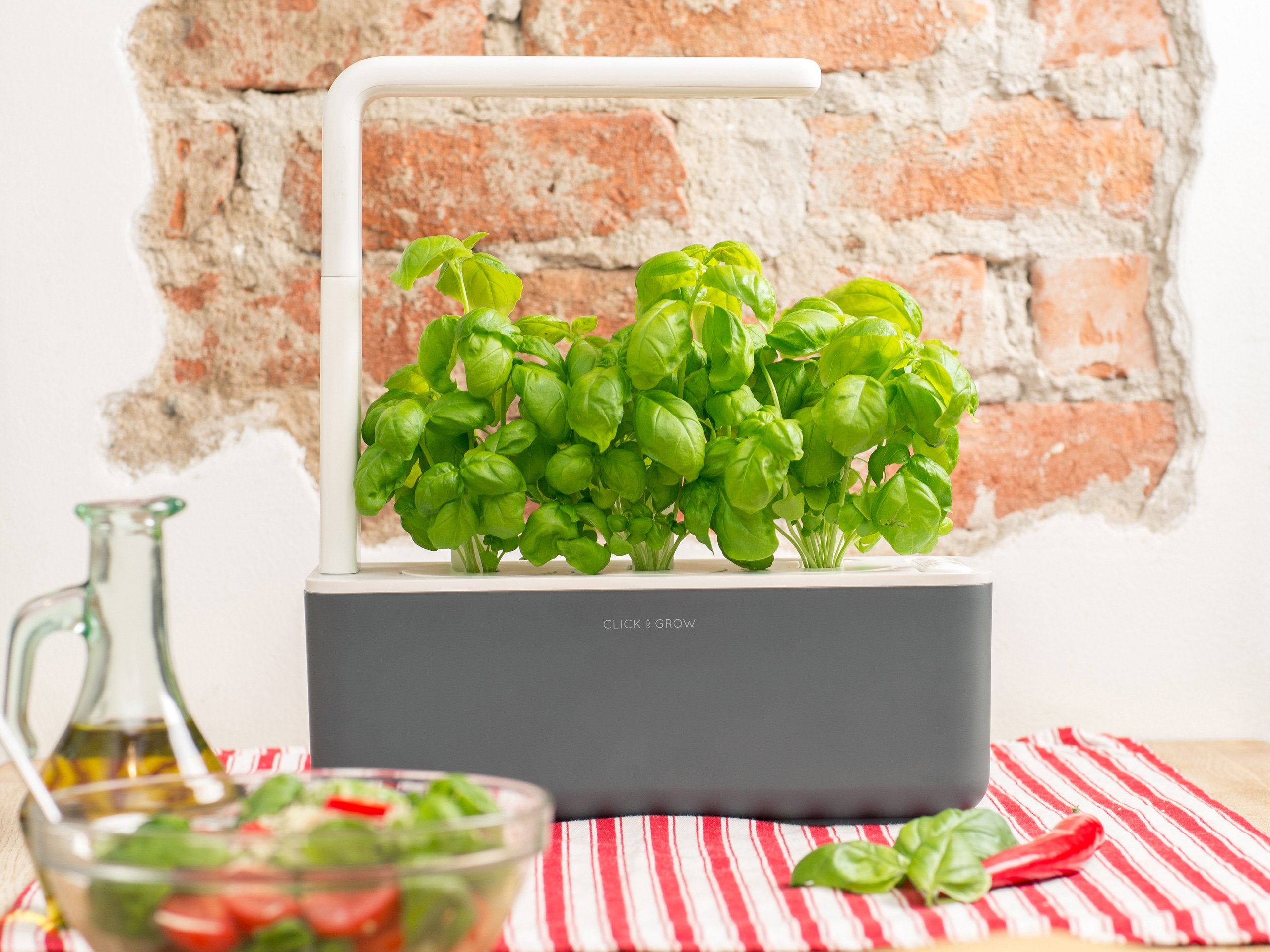
Image from www.clickandgrow.com.
Overview of Click & Grow Smart Herb Gardens
Click & Grow smart herb gardens are designed to simplify the process of growing herbs indoors. With their sleek design and automated systems, they take the guesswork out of gardening. Each garden comes equipped with a water reservoir, LED lights, and plant pods that contain seeds and nutrients. All you need to do is plug it in, add water, and let it do the rest!
These gardens are perfect for those who want fresh herbs year-round without the hassle of traditional gardening. They are ideal for small spaces, making them a great addition to any kitchen or living area.
Why Smart Herb Gardens Are Ideal for Home Use
Smart herb gardens like Click & Grow offer several advantages that make them perfect for home use. First and foremost, they are incredibly easy to use. With automated watering and lighting systems, even those without a green thumb can successfully grow herbs. This convenience is a significant selling point for busy people who want to enjoy fresh herbs without spending a lot of time on maintenance. For those interested in expanding their indoor gardening skills, exploring these indoor gardening systems can provide additional inspiration.
Additionally, these gardens are compact and can fit in small spaces, making them suitable for apartments or homes with limited outdoor space. They also allow you to grow a variety of herbs and other plants throughout the year, regardless of the weather outside.
Most importantly, having a smart herb garden at home means you can enjoy the taste and health benefits of fresh herbs whenever you want. Whether you’re cooking a meal or brewing a cup of herbal tea, you’ll have access to fresh ingredients right at your fingertips!
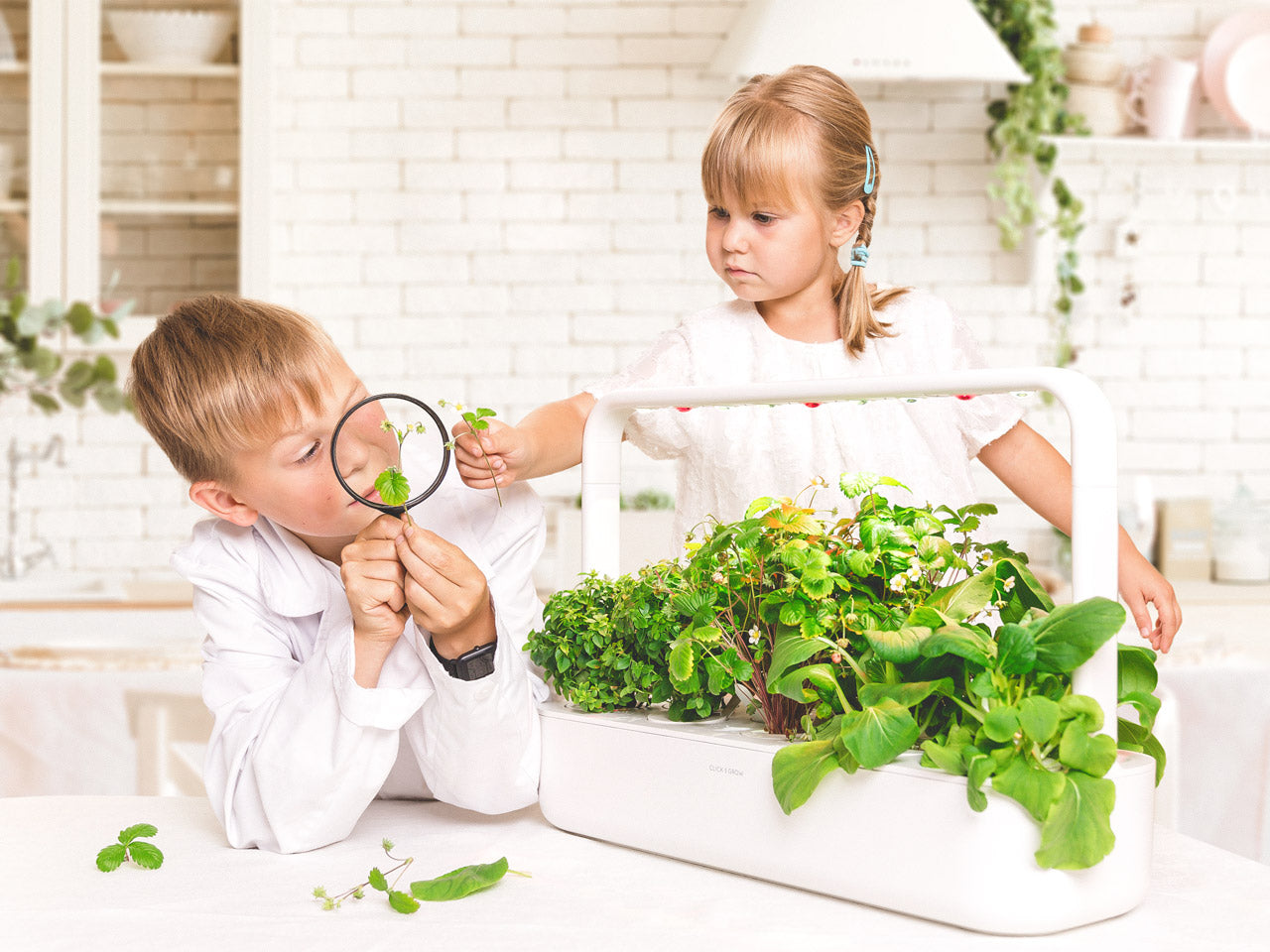
Image from www.clickandgrow.com.
Maintaining Optimal Conditions for Plant Growth
To ensure your Click & Grow Smart Herb Garden thrives, it’s essential to maintain optimal conditions for plant growth. This includes managing water levels, lighting, temperature, and humidity. Let’s explore each of these aspects in detail.
Watering Instructions and Water Level Maintenance
One of the standout features of the Click & Grow system is its automated watering mechanism. The water reservoir provides a consistent supply of moisture to your plants, reducing the risk of over or under-watering. However, it’s crucial to monitor the water level regularly.
- Check the water level indicator weekly to ensure the reservoir is not running low.
- Refill the reservoir with fresh water when needed, as plants absorb water at different rates depending on their growth stage and environmental conditions.
- Avoid using hard or chlorinated water, as it can affect plant growth. If possible, use filtered or distilled water.
Light Requirements and LED Setup
Light is a critical factor in plant growth, and the Click & Grow system comes with built-in LED lights to provide the necessary illumination. These lights are specifically designed to mimic natural sunlight, promoting healthy growth and development.
Ensure your smart garden is placed in a location where it can receive adequate light exposure. The LED lights should be positioned about 2-4 inches above the plants, allowing them to receive consistent light without overheating.
Here’s an example of how effective LED lighting can be – according to one user:
“By using LED lights, my basil plants have grown twice as fast compared to when I relied solely on natural light. The even distribution of light has made a noticeable difference in their growth.”
Besides that, it’s essential to follow the manufacturer’s instructions regarding the light cycle. Typically, a 16-hour light and 8-hour dark cycle works well for most herbs.
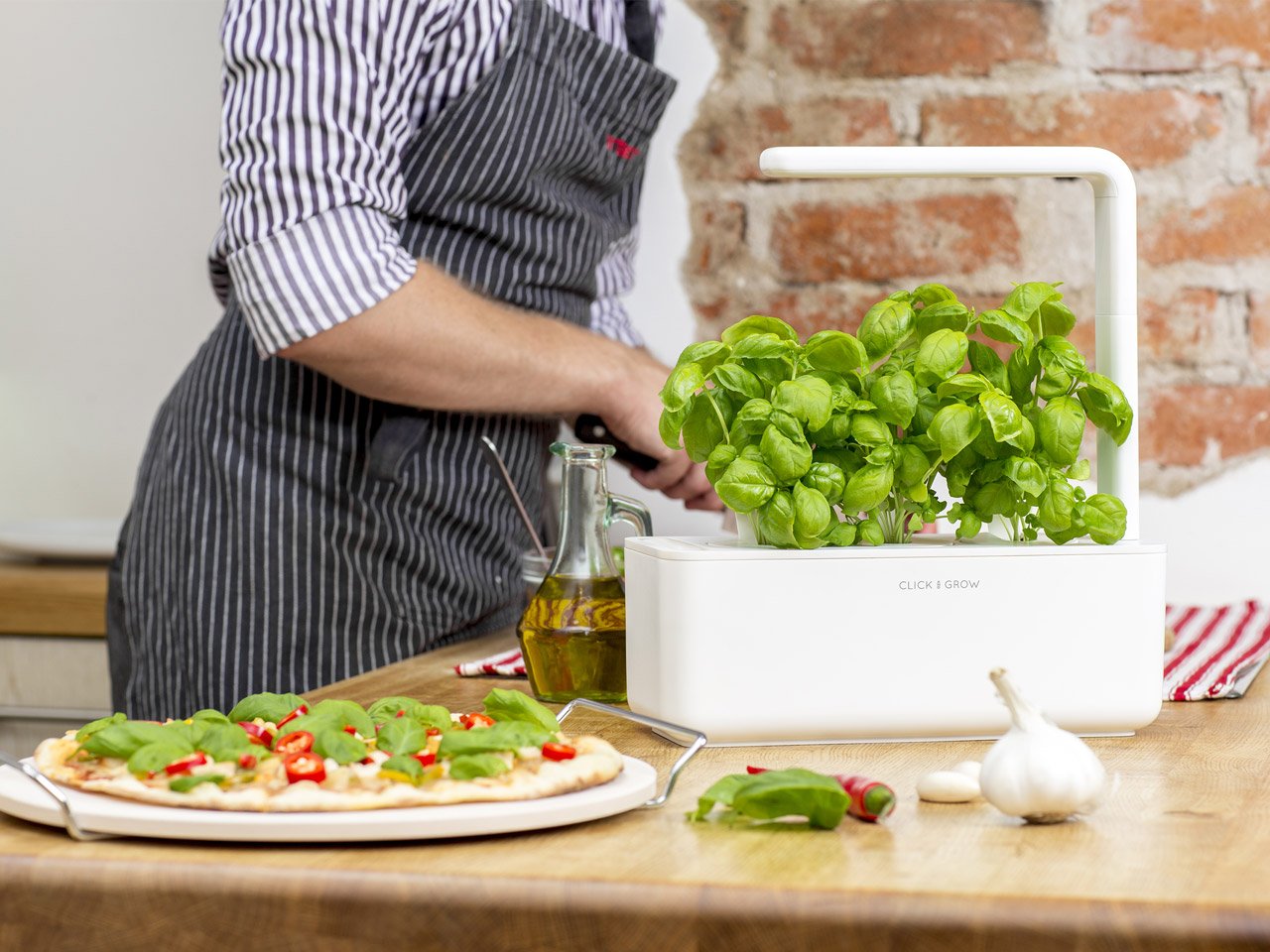
Image from www.clickandgrow.com.
Temperature and Humidity Considerations
Temperature and humidity play a vital role in the success of your herb garden. Ideally, the temperature should be kept between 65°F and 75°F (18°C to 24°C). Most herbs thrive in moderate humidity levels, around 40-60%.
If your home is particularly dry, consider placing a small humidifier nearby or misting the plants occasionally to maintain adequate humidity levels. Conversely, if your environment is too humid, ensure good air circulation around the garden to prevent mold and mildew growth.
Best Practices for Pruning Herbs
Pruning is essential for maintaining the health and vigor of your herbs. By removing dead or overgrown parts, you encourage new growth and help your plants produce more leaves. Here’s how you can effectively prune your herbs:
- Use clean, sharp scissors or pruning shears to avoid damaging the plants.
- Focus on cutting just above a leaf node, which is where new growth will emerge.
- Regularly remove any yellowing or dead leaves to keep the plant healthy.
- Aim to prune about a third of the plant at a time, ensuring it remains balanced and bushy.
By following these practices, you’ll ensure your herbs remain productive and healthy throughout their growing cycle.
Harvesting Techniques for Maximum Yield
Harvesting your herbs correctly can significantly impact their yield and longevity. The key is to harvest often and strategically:
- Begin harvesting when the plant has enough foliage to sustain growth, typically when it reaches 6-8 inches in height.
- Use a gentle hand to pluck leaves from the top, encouraging the plant to become bushier.
- For herbs like basil, pinch off the top sets of leaves to promote lateral growth.
- Regular harvesting prevents flowering, which can alter the taste and texture of the herbs.
Remember, frequent harvesting not only provides fresh ingredients for your kitchen but also stimulates the plant to produce more!

Image from www.amazon.com.
Replanting and Pod Replacement Process
Eventually, your herbs will reach the end of their life cycle, and it’s time to replant or replace the pods. Here’s a simple guide to help you through the process:
- Remove the old pod from the smart garden and clean the pod holder to prevent any potential disease transmission.
- Insert a new pod, ensuring it’s securely placed in the holder.
- Fill the water reservoir and reset the garden’s settings if necessary.
- Follow the initial setup instructions for the new pod, ensuring it receives the right amount of light and water.
Replanting is a great opportunity to try new herb varieties and expand your garden’s offerings.
Troubleshooting Common Issues
Even with the best care, you might encounter some common issues with your Click & Grow Smart Herb Garden. Understanding and addressing these problems early can save your plants from potential failure.
Identifying and Fixing Watering Problems
Watering issues are one of the most common problems in smart gardens. If you notice wilting or browning leaves, it could be due to improper watering. Here’s how to tackle these issues:
- Ensure the water reservoir is filled to the recommended level.
- Check for blockages in the water-wicking system that might prevent water from reaching the plants.
- If overwatering is suspected, allow the soil to dry out slightly before adding more water.
By maintaining a consistent watering routine, you can prevent most hydration-related issues.
Dealing with Unhealthy or Stunted Plant Growth
Sometimes, plants may appear stunted or unhealthy despite your best efforts. This can be due to several factors:
- Ensure the plants are receiving adequate light. Adjust the LED settings if necessary.
- Check for nutrient deficiencies and consider using a mild fertilizer if needed.
- Inspect for pests or disease and remove affected parts immediately.
Addressing these issues promptly can help your plants recover and continue to thrive.
Addressing Light-Related Issues
Light is crucial for photosynthesis, and any issues with lighting can significantly impact plant growth. Here’s what to do if you suspect light-related problems:
- Ensure the LED lights are functioning correctly and positioned at the right height above the plants.
- Adjust the light cycle to ensure plants receive the recommended amount of light daily.
- If natural light is available, supplement the LED lights with sunlight by placing the garden near a window.
By optimizing light conditions, you can enhance the growth and productivity of your herb garden.
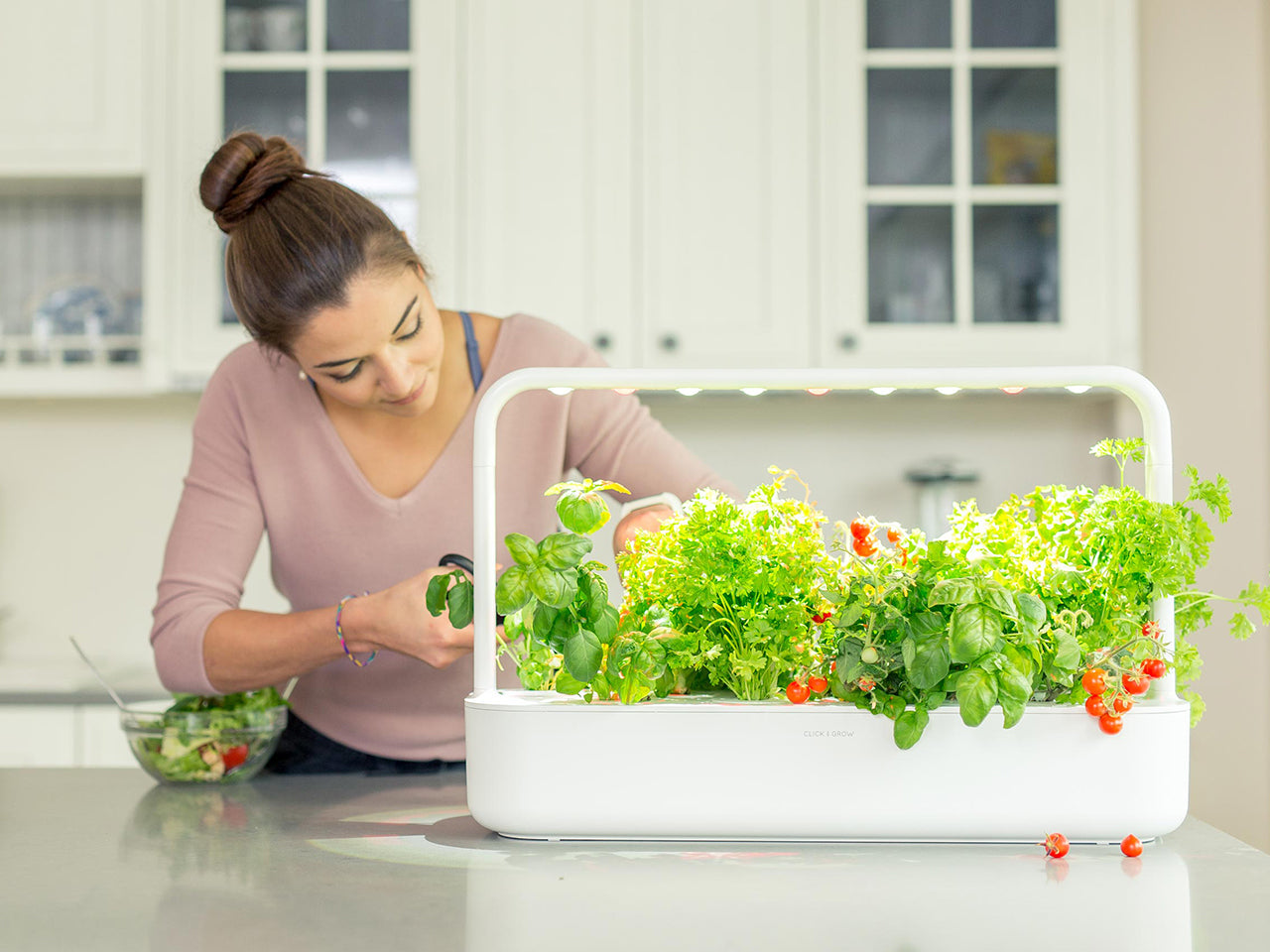
Image from www.clickandgrow.com.
Maximizing the Benefits of Your Smart Garden
To get the most out of your Click & Grow Smart Herb Garden, consider integrating it into your daily life and experimenting with different plant varieties.
- Try growing herbs that you frequently use in your cooking, such as basil, mint, or cilantro.
- Experiment with less common herbs like lemon balm or thyme to expand your culinary repertoire.
- Keep a gardening journal to track plant growth and identify what works best for your garden.
By taking these steps, you’ll not only enhance your gardening experience but also enjoy a steady supply of fresh herbs.
Bridging Click & Grow with Kitchen Needs
One of the joys of having a smart herb garden is the ability to bridge your gardening efforts with your culinary needs. Here’s how you can seamlessly integrate your garden with your kitchen:
- Plan meals around the herbs you have growing, ensuring they are used at their peak freshness.
- Preserve excess herbs by drying or freezing them for later use.
- Experiment with new recipes that highlight the flavors of your home-grown herbs.
By aligning your gardening and cooking, you’ll enjoy a richer, more flavorful culinary experience.
Incorporating New Plant Varieties
One of the most exciting aspects of using a Click & Grow Smart Herb Garden is the opportunity to experiment with different plant varieties. By incorporating new plants, you can expand your culinary horizons and discover new flavors. Start by selecting herbs and plants that complement your cooking style or those you’ve always wanted to try. For example, if you enjoy Italian cuisine, consider growing basil, oregano, and rosemary. Alternatively, if you’re interested in making your own herbal teas, try growing mint, chamomile, or lemon balm!
When introducing new varieties, pay attention to their specific needs. Some herbs may require more light or different watering schedules, so be sure to adjust your garden settings accordingly. Additionally, keep an eye on how different plants interact with each other, as some may grow better when planted together.
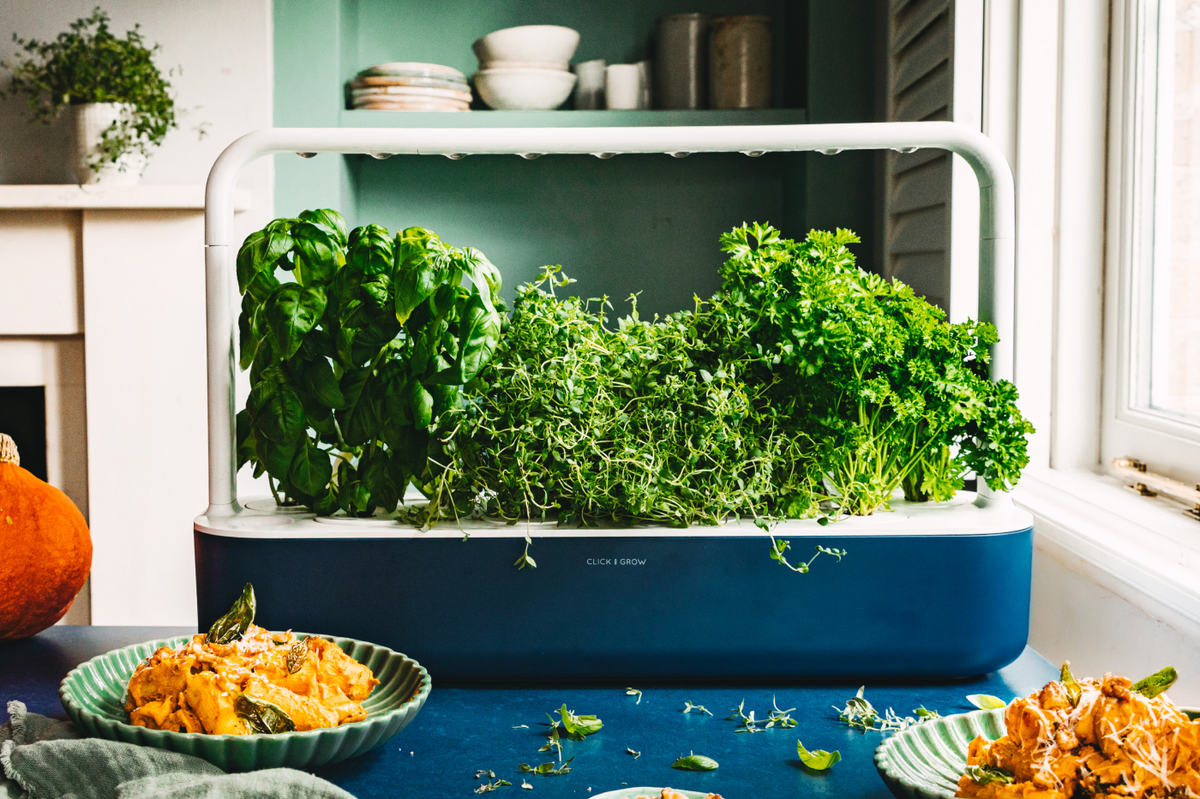
Image from www.clickandgrow.com.
Setting Up a Maintenance Schedule
Consistency is key when it comes to maintaining a thriving smart herb garden. By setting up a regular maintenance schedule, you can ensure that your plants receive the care they need. Start by designating specific days for tasks like checking water levels, adjusting light settings, and pruning. A simple weekly checklist can help you stay organized and on top of your gardening duties.
For example, you might choose to check water levels every Monday and Thursday, prune on Wednesdays, and adjust lighting on Saturdays. By following a routine, you’ll not only keep your garden in top shape but also develop a deeper understanding of your plants’ needs. For those interested in enhancing urban spaces with outdoor edible plants, consider exploring these edible landscaping tips.
Frequently Asked Questions:
Even with the best intentions, questions may arise as you care for your Click & Grow Smart Herb Garden. Below, I’ve addressed some of the most common queries to help you navigate any challenges you might face.
How do I know when to add water to my Click & Grow garden?
Monitoring the water level in your Click & Grow garden is crucial for maintaining healthy plants. The water level indicator on your smart garden will show you when it’s time to add water. It’s essential to check this indicator at least once a week to ensure your plants have a consistent water supply.
When refilling, use filtered or distilled water if possible, as this can prevent mineral buildup that might affect plant growth. If your plants seem to be wilting despite adequate water levels, double-check for any blockages in the watering system.
What should I do if my plants aren’t growing properly?
If you notice that your plants aren’t thriving, there are several steps you can take to identify and address the issue:
- Ensure that your plants are receiving adequate light. Adjust the LED settings or move the garden to a brighter location if needed.
- Check for signs of nutrient deficiency, such as yellowing leaves, and consider adding a mild fertilizer.
- Inspect for pests or disease, removing any affected areas promptly.
By taking these steps, you can often resolve growth issues and help your plants recover.
How can I make my plants last longer in the smart garden?
- Harvest regularly to encourage new growth and prevent flowering.
- Keep the garden clean and free from dead plant material to avoid disease.
- Monitor environmental conditions, such as temperature and humidity, to ensure they remain within optimal ranges.
These practices will help extend the life of your plants, providing you with a continuous supply of fresh herbs.
Is it necessary to clean the smart garden regularly?
Yes, regular cleaning of your Click & Grow garden is essential to prevent mold, algae, and other issues that can affect plant health. At least once a month, remove the plant pods and clean the pod holders with warm, soapy water. This will help eliminate any residue or buildup that might interfere with water absorption.
Additionally, wipe down the LED lights and other surfaces to remove dust and debris. Keeping your garden clean ensures a healthy environment for your plants to thrive.
What types of plants can I grow in a Click & Grow garden?
The Click & Grow Smart Herb Garden is incredibly versatile, allowing you to grow a wide variety of plants. Common options include herbs like basil, parsley, cilantro, and mint. However, you can also experiment with growing leafy greens, such as lettuce and spinach, or even small fruiting plants like cherry tomatoes.
Growing your own salad greens at home can be both rewarding and convenient. One of the easiest ways to start is by setting up a window box garden – which is somewhat similar to using a Click & Grow system. By choosing the right location and selecting the appropriate plants, you can enjoy fresh greens year-round. For more detailed guidance, check out this guide on window box gardening to get started with your own homegrown salad greens.
Featured Image from www.clickandgrow.com.

Related Posts
-
 4 Fertilizers for a Healthy & Productive Container Garden
- 3 Easy Tips for Small-Space Composting
- Understanding Aquaponics: A Quick & Simple Guide to Growing Food with Fish
- How to Speed Up Your Composting With More Browns
- Soil-Less Gardening Systems: Hydroponics & Aeroponics Techniques for Indoor Gardens
- Is It Safe to Grow Food In Plastic Containers?


