Creative Companion Planting Combinations for Pest Management & Plant Health

(Create SS graphic for plant pairings section; Post on 10/27.)
Try these companion planting combinations for a healthier & more vibrant garden with less effort…
Pair the right plants together and you can cut pest damage dramatically without ever reaching for a spray bottle!
Gardeners have known for generations that certain plants protect each other simply by growing side by side, releasing scents that confuse insects or attracting the predators that eat them. If you’ve ever wondered why your grandmother always planted marigolds around her tomatoes, you’re about to find out the science behind it actually holds up.
Key Takeaways:
- Companion planting for pest management works by using scent, root structure, and plant chemistry to confuse or repel insects naturally.
- Marigolds, basil, chives, and garlic are among the most effective pest-repelling plants you can add to almost any garden bed.
- Border plants like castor beans and daffodils can protect your entire garden from larger pests such as moles and mice.
- Rooted Living provides additional companion planting charts and seasonal guides for gardeners who want to go deeper.
- Some pairings take more than one growing season to show their full pest-control benefits, so patience matters just as much as placement.
Before diving into specific pairings, it helps to understand why this method works at all. Companion planting isn’t folklore dressed up as gardening advice — it’s rooted in plant biology, soil chemistry, and insect behavior that researchers and home gardeners alike have documented for decades.

Image from www.motherearthnews.com.
What Companion Planting Actually Does for Your Garden
Companion planting is a time-tested gardening technique that pairs plants strategically to create mutually beneficial relationships. Instead of treating each plant as an isolated unit, you’re building a mini ecosystem where neighbors support each other’s growth, health, and defense. Some plants protect against pests, others improve soil quality, and a few simply make better use of the same patch of ground.
How Strategic Plant Pairing Works
Plants communicate with their environment through scent, root secretions, and even visual signals that attract or repel insects. Marigolds, for example, emit a scent that deters nematodes and aphids, while onions release a strong odor that confuses carrot flies searching for their favorite host plant. These aren’t accidents — they’re defense mechanisms that gardeners have learned to harness on purpose.
Root systems play a role too. Carrots’ deep roots help aerate the soil for onions, creating better growing conditions for both plants without either one lifting a finger, so to speak!
Reducing Synthetic Pesticide and Fertilizer Use
One of the biggest draws of companion planting is how much it can cut down on chemical inputs. Legumes such as peas and beans fix nitrogen in the soil, which benefits nutrient-hungry plants like corn and spinach planted nearby. That’s free fertilizer, essentially, generated by the plants themselves rather than a bag from the garden center.
Pest-repelling pairings work the same way, reducing your reliance on store-bought insecticides. It’s not a complete replacement for all pest management, but it’s a powerful first line of defense that costs nothing beyond a bit of planning.
Top Plants That Repel Garden Pests Naturally
Certain plants have earned their reputation as garden protectors because they genuinely work against common pest problems. Knowing which ones to reach for — and where to plant them — can save your harvest before problems even start.
Marigolds: The Superhero of Companion Planting
Marigolds’ scent repels a wide range of pests, making them suitable for almost any garden bed. Nematodes and aphids in particular steer clear of the chemical compounds these flowers release through their roots and foliage. Tuck them along border rows, between vegetable beds, or even in containers scattered throughout your garden for broad-spectrum protection.
Keep in mind that marigold companion planting for nematode prevention should be done at least one season ahead before expecting great results, since the soil-level effects build up over time rather than working instantly.

Image from laidbackgardener.blog.
Basil’s Role Against Whiteflies, Hornworms, and Mosquitoes
Basil repels pests like mosquitoes, whiteflies, and hornworms when planted near tomatoes, making it one of the most practical herbs you can grow in a vegetable garden. Beyond pest control, some growers say that basil enhances the flavor of tomatoes when grown side by side, giving you a double benefit from a single planting decision!
Chives and Their Insect-Repelling Scent
Chives discourage aphid infestations when planted among sunflowers and tomatoes, and they act as an insect repellent to bugs attracted to lettuce as well. This makes chives one of the more versatile companion plants, since they fit comfortably into flower beds, herb gardens, and vegetable rows alike.
- Plant chives around the base of lettuce heads to ward off aphids before they take hold.
- Scatter chives between sunflowers and tomatoes for broader aphid protection across the bed.
- Let chives flower occasionally — the blooms attract pollinators while the plant continues its pest-repelling work.
Because chives are perennial in many climates, once established they’ll keep doing this work year after year with minimal upkeep on your part.
Garlic as a Pest and Fungal Disease Deterrent
Garlic repels insects and other pests from eating beets and helps prevent fungal disease in beets (and some other root crops) at the same time. It’s a two-for-one solution that few other companion plants can match, since most pest deterrents don’t also address disease prevention!
Nasturtiums, Leeks, and Lettuce for Targeted Pest Control
Nasturtiums can deter aphids when planted around broccoli, acting almost like a trap crop that draws pest attention away from your main vegetables. Leeks repel both carrot and onion flies when planted with carrots, and the flies generally won’t even lay their eggs nearby once leeks are established. Lettuce repels fungus gnats and flies that hate its smell when planted with radishes or kohlrabi, rounding out a trio of lesser-known but highly effective pairings.
Pro tip: Rotate these pest-repelling companions each season alongside your main crops. The protective compounds they release work best when the soil hasn’t been depleted by the same planting pattern year after year.
Border Plants That Keep Larger Pests Away
Not every garden threat comes from insects. Burrowing animals and rodents can undo months of work in a single night, which is why border planting deserves just as much attention as bed-level companion pairings.
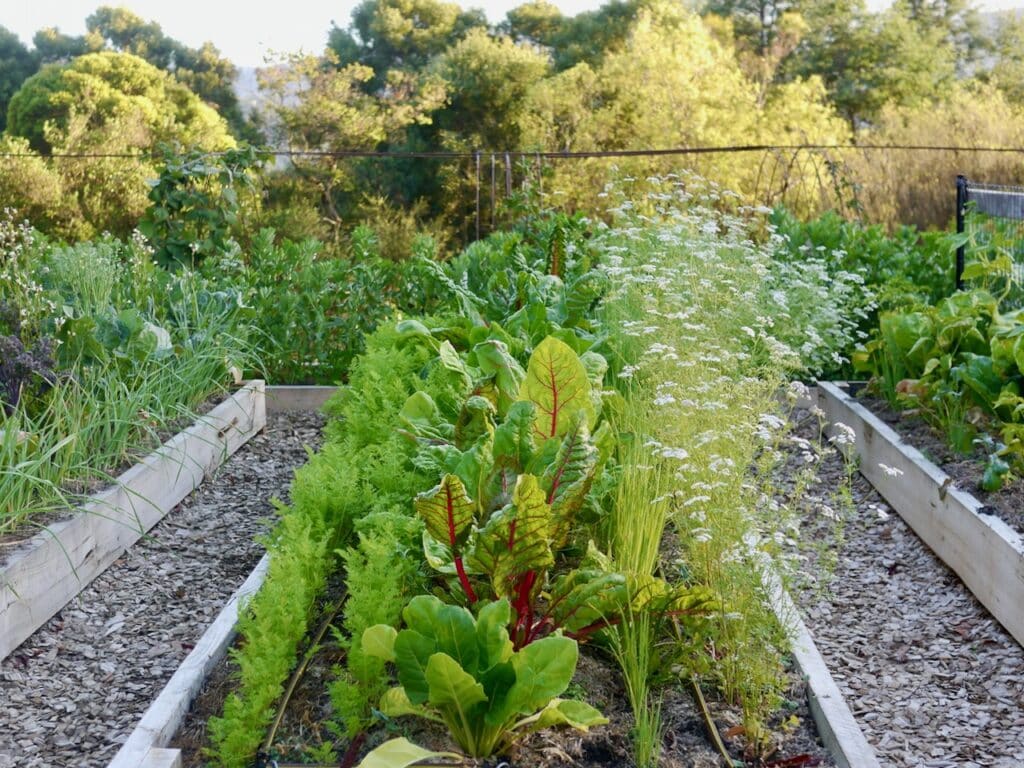
Image from www.milkwood.net.
Castor Beans for Mole Control
Companion planting with castor beans creates a border to repel moles around a vegetable garden, making them a practical choice if you’ve noticed telltale tunnels disrupting your root vegetables or lawn edges. Plant them along the perimeter rather than scattered throughout, since their effectiveness comes from forming a continuous barrier moles tend to avoid.
Daffodils as a Mouse Deterrent Border
Daffodils create a border to repel mice, and as a bonus, they bloom early in the season before most vegetable plants have even been put in the ground. This makes them a low-maintenance, visually appealing option for gardeners who want pest protection without sacrificing curb appeal.
Onions for Repelling Rabbits
Onions repel rabbits and can be inter-planted with peas, beans, lettuce, and cabbage, giving you flexibility in how you incorporate them. Rabbits tend to avoid the pungent scent entirely, which means a row of onions along a vulnerable garden edge can do double duty as both a crop and a living fence.
Cayenne Pepper on Corn Silk Against Raccoons
If raccoons have ever raided your corn patch the night before harvest, you already know how frustrating that can be. Sprinkling cayenne pepper on corn silk deters raccoons, and this trick pairs especially well with corn and pumpkins planted together, since pumpkin leaves growing around the base of corn stalks add an extra physical barrier that makes the patch harder to access in the first place.
Six Powerful Companion Planting Combinations to Try
Some combinations have been tested by gardeners for so many generations that they’ve practically become garden folklore backed by real results. These six pairings tackle pest control, soil health, and plant structure all at once, making them worth prioritizing in your next planting plan.

Image from homesteadandchill.com.
1. Tomatoes and Basil
Basil enhances the flavor of tomatoes and repels pests, and these two thrive when planted side by side in the same bed or container. The basil’s strong scent confuses whiteflies and hornworms before they can settle in on the tomato leaves, while the tomatoes provide a bit of afternoon shade that basil appreciates during hot summer stretches. For more insights, explore this article.
2. Corn, Beans, and Squash (The Three Sisters)
Corn serves as a natural trellis for climbing beans, beans fix nitrogen in the soil, and squash shades the ground to reduce weeds and retain moisture. This Indigenous agricultural method has stood the test of centuries because each plant solves a problem for the other two — nothing goes to waste and nothing competes unnecessarily for space. For those interested in learning more, here’s a guide to the Three Sisters method.
3. Carrots and Onions
Onions deter carrot flies while carrots’ deep roots aerate soil for onions, creating one of the cleanest examples of mutual benefit in companion planting. Neither plant competes heavily for the same nutrients, and they have different root depths, so they fit neatly into the same row without crowding each other out.
This pairing works especially well in raised beds where soil drainage and root space are already optimized, giving both crops room to establish strong root systems early in the season.
4. Beans and Potatoes
Planting bush beans with potatoes in alternating rows protects potatoes from the Colorado potato beetle and beans from the Mexican bean beetle. It’s a defensive partnership where each plant’s natural chemistry works against the other’s most persistent enemy, cutting down on beetle damage across both crops simultaneously.
5. Cucumbers and Peas
Like beans, pea plants fix nitrogen in the soil, helping cucumbers grow better throughout the growing season. Since peas are typically planted early and finish producing before cucumbers hit their peak growth, this pairing also makes efficient use of garden space across a single bed (or trellis).
Gardeners who struggle with weak cucumber vines often find that nitrogen-rich soil left behind by a previous pea crop can make a noticeable difference in vine strength and fruit production.
6. Beets and Garlic
Garlic repels insects and other pests from eating beets and helps prevent fungal disease in beets, making this pairing a strong choice for gardeners dealing with root maggots or leaf spot issues. Garlic’s sulfur compounds work below and above the soil line, offering protection that few other companion plants can match in a single pairing.
Beets, in turn, don’t compete much with garlic for nutrients since garlic has a shallow, compact root structure that leaves plenty of room for beet roots to expand.

The table below offers a quick-reference summary of these six pairings and their primary benefit, useful for pinning up near your potting bench or garden shed!
| Pairing | Primary Benefit |
|---|---|
| Tomatoes & Basil | Pest repellent, flavor enhancement |
| Corn, Beans & Squash | Structural support, nitrogen fixing, weed suppression |
| Carrots & Onions | Pest repellent, soil aeration |
| Beans & Potatoes | Beetle deterrent for both crops |
| Cucumbers & Peas | Nitrogen boost for stronger vines |
| Beets & Garlic | Pest repellent, fungal disease prevention |
Building Healthier Soil Through Plant Partnerships
Pest control gets most of the attention in companion planting conversations, but soil health is just as important to the equation. Plants that work well together often do so because one improves the growing medium for the other, whether through nutrient cycling or physical root structure.
Over time, these partnerships reduce the need for synthetic fertilizers and amendments, since the plants are essentially doing the soil-building work on their own. That’s a meaningful shift for gardeners trying to move toward more sustainable, lower-input growing methods.
Nitrogen-Fixing Legumes and Their Neighbors
Legumes such as peas and beans fix nitrogen in the soil, which benefits nutrient-hungry plants like corn and spinach. This happens through a relationship between legume roots and specific soil bacteria that convert atmospheric nitrogen into a form plants can actually use. Planting heavy nitrogen feeders near legumes year after year can noticeably reduce how much fertilizer your garden needs.
Root Structure Benefits Between Carrots and Onions
Carrots’ fine, deep roots help aerate the soil for onions, which tend to have shallower, more compact root systems. This vertical layering means both plants access different soil zones without competing directly, making efficient use of space both above and below ground.
Using Companion Plants to Suppress Weeds
Weeds compete with your vegetables for water, nutrients, and sunlight, but certain companion plants can crowd them out naturally before they get a foothold. This approach reduces how much time you spend hand-weeding and limits the need for mulch or weed barriers in some garden layouts.
Ground-covering companion plants work by shading the soil surface, which denies weed seeds the sunlight they need to germinate in the first place.

Image from plantaddicts.com.
Thyme as a Living Mulch
Thyme spreads low and dense across the soil surface, forming a living mulch that blocks light from reaching weed seeds below. It also releases a fragrance that many pests find unappealing, giving it a dual role as both weed suppressor and mild pest deterrent in vegetable and herb beds alike.
Squash Leaves in the Three Sisters Method
Squash shades the ground to reduce weeds and retain moisture within the Three Sisters planting system. The broad leaves spread out low to the ground, creating a canopy effect that keeps soil temperatures more stable while blocking most weed growth beneath the corn and bean plants growing above.
Gardeners who’ve tried the Three Sisters method often report needing far less irrigation during dry spells, thanks largely to the moisture-retaining effect of the squash leaf canopy.
Living mulches like thyme and squash don’t just suppress weeds — they also reduce soil erosion and moisture loss, two problems that compound quickly during hot, dry growing seasons.
Attracting Pollinators for Bigger Harvests
No amount of pest control matters much if your fruiting plants aren’t getting pollinated properly. Flowering companion plants solve this by drawing in the bees, butterflies, and other beneficial insects your garden depends on for a strong harvest.
Flowering plants like lavender and sunflowers attract pollinators such as bees and butterflies, and placing them strategically throughout a vegetable garden can noticeably increase fruit set on nearby crops. This isn’t just a nice-to-have — for plants like squash, cucumbers, and melons, pollinator activity directly determines how much you’ll actually harvest.
A few flowering companions worth considering for pollinator support include:
- Lavender, which draws bees consistently throughout its long summer bloom period.
- Sunflowers, which attract both bees and butterflies while also providing light shade for lower-growing crops.
- Borage, often planted near strawberries and tomatoes to boost pollinator visits.
- Zinnias, a favorite for butterflies and easy to tuck between vegetable rows.
Lavender and Sunflowers for Bee and Butterfly Activity
Lavender’s long bloom window makes it one of the most reliable pollinator magnets you can plant, while sunflowers offer a bold visual draw that pollinators notice from a distance. Planting both near your fruiting vegetables creates a steady stream of pollinator traffic throughout the growing season rather than relying on sporadic wild visits.
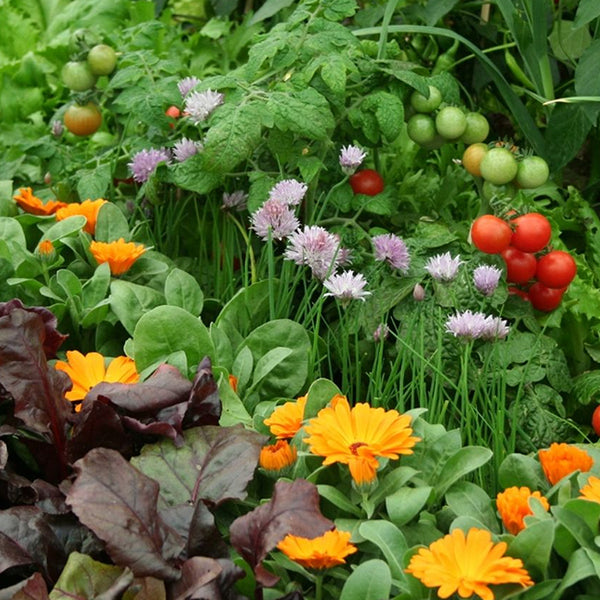
Image from swanhose.com.
Pairing Flowers With Fruiting Vegetables
Pairing flowering plants with fruiting plants like cucumbers or zucchini can lead to better pollination and increased yields. The flowers essentially act as a welcome sign for pollinators passing through the garden, redirecting their attention toward vegetable blossoms they might otherwise miss!
Plant Pairings That Improve Flavor
Beyond pest control and soil health, some companion plants genuinely can change how your vegetables taste. This happens through subtle chemical interactions in the soil and air around neighboring plants, something home cooks and chefs have noticed for years even before science caught up with an explanation.
Garlic’s Effect on Beet Taste
Gardeners who’ve grown beets next to garlic for several seasons often report a noticeably sweeter, less earthy flavor in the harvested roots. The exact mechanism isn’t fully understood, but it likely ties back to garlic’s sulfur compounds interacting with the surrounding soil chemistry in ways that subtly affect how nearby plants absorb nutrients.
Beyond taste, garlic repels insects and other pests from eating beets and helps prevent fungal disease in beets, which means the plants you do harvest are more likely to be free of blemishes and root damage. Fewer pest bites and less fungal scarring often translate into better texture and flavor simply because the beet was allowed to grow undisturbed.
If you haven’t tried this pairing yet, plant garlic cloves in fall around the border of your beet bed. By the time beets are ready for harvest the following summer, the garlic will have already done months of quiet protective work underground. For more insights on how plants can benefit each other, explore this article on plant pairings.
Basil’s Influence on Tomato Flavor
Italian gardeners have planted basil next to tomatoes for generations, and the reasoning goes beyond tradition. Basil is believed to enhance the flavor of tomatoes and repel pests, giving this pairing a reputation that’s earned rather than inherited from folklore alone.
Some gardeners believe the aromatic oils basil releases into the air and soil subtly influence the compounds tomatoes develop as they ripen, resulting in a slightly more complex, sweeter flavor profile. Whether that’s purely anecdotal or backed by measurable chemistry, the pest-repelling benefits alone make this pairing worth keeping in your garden plan year after year!
Mistakes That Can Hurt Your Companion Planting Results
Companion planting isn’t foolproof, and pairing the wrong plants together can do more harm than good. Knowing which combinations to avoid is just as important as knowing which ones to encourage.
Companion Planting Combinations to Avoid, Like Onions Near Beans
Not all plants get along, and planting onions near beans can stunt the growth of beans significantly. Onions release compounds into the soil that interfere with the nitrogen-fixing bacteria beans rely on, essentially undoing one of the main benefits beans would otherwise provide to the garden. Before adding any new pairing to your layout, it’s worth checking whether the plants you’re combining have a known history of conflict rather than cooperation.

Free Companion Planting Matrix tool from www.seedsforgenerations.com.
Why Crop Rotation Still Matters
Crop rotation should be practiced even with companion planting to prevent soil depletion and reduce disease risk. Planting the same companion groupings in the same spot year after year can allow soil-borne diseases and pest populations to build up over time, even if the companion pairing itself is a good one. Rotating your pairings to different garden sections each season keeps both soil health and pest pressure in check.
Watching for Competition Over Sunlight and Water
Companion plants should not compete for resources like sunlight and water, yet this is one of the most common mistakes new gardeners make. Pairing two tall, sun-hungry plants together, for instance, often results in one shading out the other before either reaches full maturity. Before finalizing any pairing, consider mature plant height, root depth, and water needs to make sure you’re building cooperation rather than competition.
How Long Before You See Results
Patience matters more in companion planting than most new gardeners expect going in.
Why Some Pest-Repelling Plants Take Seasons to Work
Some protective botanicals don’t act instantaneously and must be planted several seasons in advance for cumulative effect. Marigold companion planting for nematode prevention should be done at least one season ahead before expecting great results, since the beneficial compounds need time to build up in the soil. Don’t get discouraged if you don’t see dramatic pest reduction in the first few weeks after planting — the real benefits often show up the following season.
Smart Gardening Means Staying Flexible
Every garden responds a little differently to companion planting based on local climate, soil type, and existing pest populations. What works beautifully in one backyard might need tweaking in another, so treat these pairings as a strong starting point rather than a rigid formula. Keep notes each season on what worked, what didn’t, and adjust your layout accordingly — that’s how experienced gardeners refine their companion planting strategy year after year.

Image from www.thespruce.com.
Frequently Asked Questions
A few questions come up again and again from gardeners just getting started with companion planting. Here are straightforward answers to the ones that matter most.
Can I plant marigolds with any vegetable for pest control?
Yes, marigolds’ scent repels a wide range of pests, making them suitable for almost any garden bed. They’re one of the most flexible companion plants available, which is why so many gardeners treat them as a default border planting regardless of what’s growing in the main bed.
That said, remember the effects build up over time, so plant marigolds consistently across seasons rather than as a one-time fix.
Does companion planting completely replace the need for pesticides?
No, companion planting significantly reduces pest pressure but doesn’t guarantee a completely pest-free garden on its own. Think of it as a strong first line of defense that cuts down how often you’d otherwise need to intervene with sprays or treatments.
What is the Three Sisters planting method?
The Three Sisters method pairs corn, beans, and squash together, where corn serves as a natural trellis for climbing beans, beans fix nitrogen in the soil, and squash shades the ground to reduce weeds and retain moisture. It’s one of the oldest documented companion planting systems, originating from Indigenous agricultural practices in North America.
Each of the three plants solves a structural or nutritional problem for the others, which is why this combination has remained popular for centuries rather than fading out like many other gardening trends.
Why shouldn’t I plant onions near beans?
Planting onions near beans can stunt the growth of beans, since onions interfere with the nitrogen-fixing process beans depend on for healthy development. It’s one of the clearest examples of a companion planting pairing to actively avoid rather than experiment with.
How quickly does companion planting start repelling pests?
Some effects, like the scent-based repellency of basil or chives, work almost immediately once the plants are established and growing. Others, like marigold’s nematode suppression, require at least one full season of planting before you’ll notice a measurable difference.
Rule of thumb: scent-based repellents work fast, while soil-based and cumulative effects take a full growing season or longer to show their full benefit.
Companion planting rewards gardeners who think a season or two ahead rather than expecting overnight results. Start small with a few proven pairings like tomatoes and basil or carrots and onions, then expand your layout as you see what thrives in your specific garden conditions.
Keep detailed notes on which combinations reduce pest damage and which ones underperform, since local soil and climate conditions can shift results from what’s typical elsewhere.
Over time, these small adjustments add up to a garden that largely defends and feeds itself, cutting down on both pest damage and your overall workload.
Featured Image from vinesgardens.org.

Related Posts
-
 Utilizing Plant Rotation for a Healthier Garden
- [Video] How Use Grass Clippings for a Better Garden
- 7 Reasons to Add Flowers to Your Vegetable Garden
- Neptune’s Harvest Fish & Seaweed Fertilizer Vs. Crab & Lobster Shell Fertilizer Comparison
- [Video] Turning Autumn Leaves Into Garden Gold
- DIY Simple 5-Gallon Vermicompost System


