Edible Landscaping Ideas for Urban Gardens & Spaces

Try these edible landscaping tips to incorporate more homegrown food into your urban garden and yard…
Key Takeaways:
- Edible landscaping combines beauty with functionality, allowing urban gardeners to grow food in small spaces.
- Choose compact fruit trees like dwarf apple and pear varieties for small urban gardens.
- Herbs such as basil, mint, and rosemary thrive in urban settings and are easy to grow.
- Vertical gardening techniques maximize space and enhance the aesthetic appeal of edible landscapes.
- Container gardening is ideal for urban areas with limited ground space, offering flexibility and control over growing conditions.
Edible Landscaping: Transforming Urban Environments
In the bustling heart of urban areas, where space is a luxury, the concept of edible landscaping emerges as a beacon of innovation. Imagine transforming your balcony or small backyard into a lush oasis that not only pleases the eye but also fills your plate! Edible landscaping marries aesthetics with utility, allowing city dwellers to cultivate their own fresh produce while beautifying their surroundings.

Image from www.meadowsfarms.com.
The Shift to Edible Landscapes in Urban Areas
The movement towards edible landscapes in urban areas is not just a trend; it’s a necessary evolution. With the rise in urban populations, the need for sustainable food sources and green spaces has become more pronounced. Edible landscapes offer a solution by integrating food production into our everyday environments.
Besides that, this shift is fueled by a growing awareness of food security and the desire for fresh, organic produce. Urban gardeners are finding creative ways to incorporate edible plants into their spaces, from balconies to rooftops, making the most of every square inch.
Historical Context and Modern Applications
The idea of edible landscaping isn’t new. Historically, many cultures have blended ornamental and edible plants in their gardens. The English cottage gardens, for example, were known for their charming mix of flowers, herbs, and vegetables. Today, modern applications of this concept are more refined and tailored to the unique challenges of urban living.
In cities, where traditional gardening space is limited, innovative solutions like vertical gardens and container planting have gained popularity. These methods allow for a diverse range of plants to thrive in small areas, bringing the dream of an edible landscape within reach for many urbanites.
Choosing the Right Plants for Your Urban Space
When planning an edible landscape in an urban setting, selecting the right plants is crucial. It’s important to consider the space available, the climate, and the amount of sunlight your garden receives. The right choice of plants can make the difference between a thriving edible garden and a struggling one.
Ideal Fruit Trees for Small Gardens
Fruit trees can be a delightful addition to any urban garden, providing shade, beauty, and delicious produce. However, not all fruit trees are suitable for small spaces. Dwarf and semi-dwarf varieties are ideal as they take up less space and are easier to manage. For those interested in alternative gardening techniques, consider exploring soil-less gardening systems to maximize your urban garden space.
- Dwarf Apple Trees: These compact trees are perfect for small gardens, producing full-sized apples while reaching only 6 to 10 feet in height.
- Pear Trees: Dwarf pear trees are another great option, offering sweet, juicy pears without taking over your garden space.
- Fig Trees: Fig trees thrive in containers and can be easily pruned to maintain a manageable size, providing luscious fruit even in limited spaces.

Image from www.starkbros.com.
Herbs That Thrive in Urban Settings
Herbs are a staple in edible landscapes, offering flavor and fragrance while requiring minimal space and care. They can be grown in pots, on windowsills, or integrated into larger garden designs.
- Basil: A versatile herb, basil grows well in pots and thrives in sunny spots. It’s perfect for adding fresh flavor to dishes.
- Mint: Known for its refreshing aroma, mint is easy to grow and can quickly spread, so it’s best kept in containers.
- Rosemary: This hardy herb is drought-tolerant and can be grown in pots or as part of a border in your garden.
Most importantly, herbs can be harvested regularly, providing a continuous supply of fresh ingredients for your kitchen.
Using Container and Raised Bed Gardens
Container and raised bed gardening are excellent solutions for urban gardeners facing limited space. These methods offer flexibility, allowing you to place your garden on balconies, rooftops, or patios. Containers come in various sizes and materials, from ceramic pots to fabric grow bags, catering to different plant needs and aesthetic preferences.
Raised beds, on the other hand, provide a more permanent solution. They allow for better soil control, improved drainage, and ease of access. You can construct raised beds from wood, metal, or even recycled materials, making them a sustainable option for urban gardening.
“Container gardening is ideal for urban areas with limited ground space, offering flexibility and control over growing conditions.”
Both methods are particularly beneficial for growing vegetables and herbs, which require specific soil conditions and care. By using containers or raised beds, you can optimize the growing environment for each plant, ensuring healthy growth and bountiful harvests. For more ideas on how to make the most of small urban spaces, check out this guide on edible garden planning.
Maximizing Space Through Creative Plant Arrangements
In urban gardening, maximizing space is key. One effective strategy is to use vertical gardening techniques, such as trellises, wall planters, and hanging baskets. These methods not only save space but also add visual interest to your garden.
Companion planting is another technique to consider. By planting compatible species together, you can improve growth and reduce pest issues. For example, tomatoes and basil grow well together, and may enhance each other’s flavor and health.
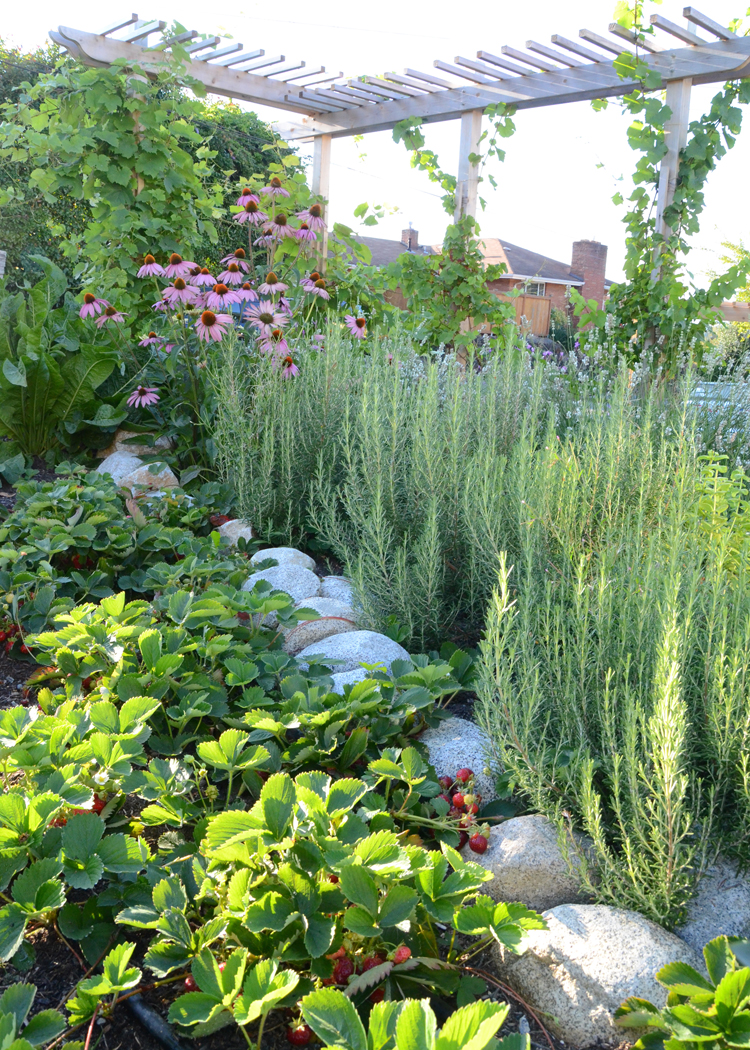
Image from www.seattleurbanfarmco.com.
Maintaining and Enhancing Edible Landscapes
Once you’ve established your edible landscape, maintaining it is crucial for continued success. Regular care ensures that your plants remain healthy and productive. This involves watering, pest control, and seasonal adjustments.
One of the main challenges in urban gardening is managing the microclimate. Urban areas can have unique weather patterns, so it’s important to monitor your garden’s specific needs and adjust accordingly.
Effective Watering Techniques and Irrigation Systems
Watering is a fundamental aspect of maintaining an edible landscape. However, urban gardeners often face challenges like water restrictions or limited access. Therefore, implementing efficient watering techniques is essential.
Drip irrigation systems are highly effective, delivering water directly to the plant roots, minimizing waste. Alternatively, self-watering containers can be a great solution for those with busy schedules, as they ensure consistent moisture levels.
Natural Pest Control Solutions in Urban Areas
Pests can be a significant concern in urban gardens. However, chemical pesticides are not always the best solution, especially for edible plants. Instead, consider natural pest control methods that are safe and effective.
Introducing beneficial insects, like ladybugs and lacewings, can help control pest populations. Additionally, planting pest-repellent herbs, such as marigolds and chives, can deter unwanted visitors naturally.
Seasonal Planting and Crop Rotation Tips
Understanding seasonal planting and crop rotation is vital for a thriving edible landscape. Different plants have specific growing seasons, and rotating crops helps maintain soil health and prevent pest buildup.
Plan your garden layout with the seasons in mind, planting cool-weather crops like lettuce and spinach in early spring, followed by warm-weather crops such as tomatoes and peppers in the summer. After harvesting, rotate your plants to different locations to keep the soil fertile and balanced.
The Benefits of Edible Landscaping in Urban Areas
Edible landscaping offers numerous benefits, making it an attractive option for urban gardeners. It not only enhances the aesthetic appeal of your space but also contributes to environmental sustainability and personal well-being!

Image from www.gardeners.com.
Aesthetic and Ecological Advantages
Edible landscapes are beautiful and functional, providing a lush, green environment in the midst of urban concrete. They attract pollinators like bees and butterflies, supporting local ecosystems.
- Improves air quality by increasing green space.
- Reduces urban heat through plant transpiration.
- Enhances biodiversity by attracting wildlife.
Besides that, these landscapes create a sense of tranquility and connection to nature, offering a peaceful retreat in busy urban settings.
Promoting Health and Food Security
Growing your own food promotes health by providing access to fresh, organic produce. It also fosters food security, reducing reliance on external food sources and decreasing your carbon footprint.
Moreover, gardening is a therapeutic activity, promoting physical activity and mental well-being. It’s a rewarding hobby that connects people to their food sources and encourages sustainable living practices.
Building Community Through Shared Gardening Spaces
Shared gardening spaces are more than just plots of land; they are vibrant communities that bring people together. In urban areas, where individual garden space might be limited, community gardens offer a collective solution. They provide a platform for people to share resources, knowledge, and harvests, fostering a sense of belonging and cooperation.
These spaces often become hubs of activity, hosting workshops, events, and social gatherings. They encourage people of all ages and backgrounds to participate, learn, and grow together. Most importantly, they empower individuals to contribute to their community’s food security and environmental health.
Moreover, shared gardening spaces can transform neglected urban areas into thriving green spaces, enhancing the neighborhood’s aesthetic and ecological value. By participating in these communal efforts, urban gardeners can make a tangible impact on their environment and community.
Final Thought: Transforming Urban Spaces with Edibles
Urban gardening is not just about growing food; it’s about transforming spaces and lifestyles. By incorporating edible plants into our urban environments, we can create beautiful, sustainable landscapes that nourish both the body and the soul! This transformation is within reach for anyone willing to embrace the challenge and creativity of urban gardening.

Image from www.grocery.coop.
Embracing the Future of Urban Gardening
The future of urban gardening lies in our ability to innovate and adapt. As cities continue to grow, so too must our strategies for sustainable living. By embracing edible landscaping, we can pave the way for greener, more resilient urban environments. It’s an exciting time to be part of this movement, and the possibilities are endless.
Frequently Asked Questions
Urban gardening can be a rewarding endeavor, but it often comes with questions and challenges. Here are some common inquiries and insights to help guide your journey.
What are the best plants for beginners in urban edible landscaping?
For beginners, it’s best to start with easy-to-grow plants that require minimal maintenance. Herbs like basil, mint, and chives are excellent choices. Leafy greens such as lettuce and spinach are also forgiving and can thrive in small spaces. As you gain confidence, you can expand your garden to include more diverse species.
How can I start an edible garden with limited space?
Maximize your space by using vertical gardening techniques, such as trellises and wall planters. Container gardening is another effective method, allowing you to grow plants on balconies or rooftops. Choose compact plant varieties and practice companion planting to make the most of your available area.
What are some common challenges of urban edible gardening?
Urban gardeners often face challenges such as limited space, soil quality, and pest control. However, these can be overcome with innovative solutions like raised beds, organic soil amendments, and natural pest deterrents. Additionally, urban microclimates can affect plant growth, so it’s important to monitor conditions and adjust care accordingly.
Another challenge is access to resources and knowledge. Engaging with local gardening communities and online forums can provide valuable support and information.
Can edible landscaping be environmentally sustainable?
Absolutely! Edible landscaping promotes sustainability by reducing food miles and encouraging organic growing practices. By using permaculture principles, such as crop rotation and companion planting, you can enhance soil health and biodiversity. Additionally, incorporating native plants and efficient irrigation systems can further minimize environmental impact.
Urban edible gardens can also contribute to reducing urban heat and improving air quality, making them a vital part of sustainable city planning.
What resources are needed to maintain an urban edible garden?
Maintaining an urban edible garden requires a few key resources: quality soil, access to water, and the right tools. Soil amendments like compost can improve fertility, while efficient watering systems ensure plants receive adequate moisture. Basic gardening tools such as trowels, pruners, and watering cans are important for plant care.
Beyond physical resources, knowledge and community support are invaluable. Engaging with local gardening groups and online resources can provide guidance and inspiration, helping you navigate the challenges and joys of urban gardening.
With dedication and creativity, anyone can create a thriving edible landscape, turning even the smallest urban space into a productive and beautiful garden! For those interested in indoor gardening techniques, exploring soil-less gardening systems like hydroponics and aeroponics can also be a great addition to your urban garden.
Featured Image from www.lessnoise-moregreen.com.

Related Posts
-
 [Infographic] How to Build a Living Wall
- [Video] How to Grow Apple Trees In Containers
- Straw Bales: The Secret to Gardening Without Soil
- 9 Tips for a More Sustainable Lawn
- [Infographic] How to Make Your Own Potting Soil Mix for A Beautiful Container Garden
- [Video] Spring Planting Tips for Earlier Harvests


