Efficient Water Management Systems for Urban Gardens

Efficient water management can make all the difference in the health & environmental impact of your garden. Here are some simple methods to try in your urban garden…
Key Takeaways:
- Urban gardens can reduce water consumption by up to 70% with proper management systems like drip irrigation and rainwater harvesting.
- Smart irrigation controllers that adjust to weather conditions can save an average of 8,800 gallons of water annually for a typical urban garden.
- Simple DIY water management solutions like rain barrels can cost under $100 but provide significant water savings within one growing season.
- Grouping plants by water needs (hydrozoning) maximizes irrigation efficiency while ensuring all plants receive appropriate moisture levels.
- The Farming Insider provides comprehensive guidance on implementing sustainable water management systems for gardens of all sizes.
Water is becoming our most precious resource, yet the average urban garden wastes up to 50% of its irrigation through inefficient systems. I’ve spent years perfecting water management techniques that maintain lush, productive gardens while dramatically reducing consumption.
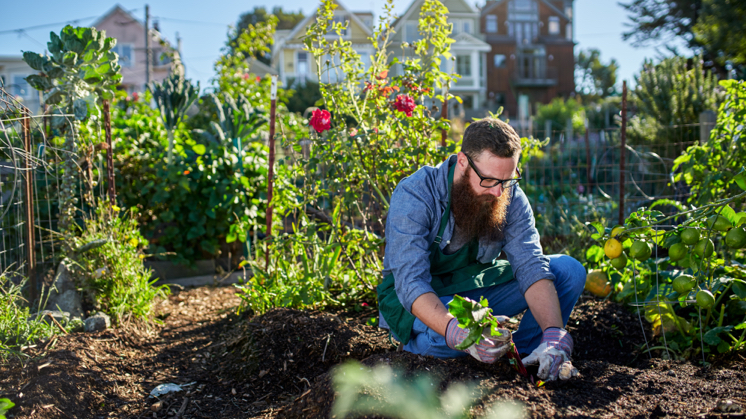
Image from www.iberdrola.com.
The growing challenges of climate change, water restrictions, and rising utility costs make efficient water management not just environmentally responsible but economically essential for urban gardeners. By implementing the right systems, you can reduce your garden’s water usage by 30-70% while actually improving plant health and productivity.
This comprehensive guide walks you through proven water management strategies for urban gardens of any size. From simple DIY solutions like basic rain barrels to sophisticated smart irrigation systems, you’ll discover options that fit your budget, space constraints, and gardening goals. Most importantly, you’ll learn how these systems work together to create a sustainable water cycle that minimizes waste while maximizing plant health!
Whether you’re tending a few balcony containers or an extensive community garden, these techniques will transform your approach to garden irrigation. Let’s check out some of the practical solutions that The Farming Insider has compiled from working with hundreds of urban gardeners facing water challenges.
Water Crisis in Urban Gardens: Why Every Drop Counts
Urban gardens typically consume 2-3 times more water per square foot than necessary. This excessive use stems from outdated irrigation methods, improper timing, and failure to capture free water sources. Traditional sprinkler systems can waste up to 40% of water through evaporation, wind drift, and runoff – particularly problematic in dense urban environments where water often lands on concrete rather than soil.
Climate change is amplifying these challenges, with many cities experiencing longer dry periods punctuated by intense rainfall events that urban soils can’t effectively absorb. Municipal water restrictions are becoming more common, sometimes limiting garden watering to specific days or prohibiting it entirely during drought conditions. These restrictions often come at critical growth periods for garden plants.
The financial impact is equally significant. Water utility rates have risen approximately 50% in the past decade in most urban areas, with steeper increases during summer months when gardens need water most. Converting to efficient systems typically pays for itself within 1-3 growing seasons through reduced water bills, while simultaneously improving harvest yields and reducing plant stress.
Rainwater Harvesting: Turn Your Roof into a Water Source
Rainwater harvesting represents one of the most accessible and immediate water-saving solutions for urban gardeners. A modest 1,000 square foot roof can collect approximately 600 gallons of water from just one inch of rainfall! This free resource contains no chlorine or water treatment chemicals, making it ideal for plants. Plus, capturing rainwater reduces stormwater runoff, helping mitigate urban flooding issues that plague many cities.

Image from www.sunset.com.
Simple Rain Barrel Systems for Beginners
Starting with rainwater harvesting doesn’t require significant investment or technical expertise. A basic rain barrel system can be assembled for $50-100 using materials available at any hardware store. The simplest setup involves placing a food-grade barrel beneath a downspout, with an overflow mechanism and a spigot near the bottom for accessing the collected water.
When selecting a rain barrel, look for UV-resistant models with secure lids to prevent mosquito breeding and debris accumulation. Position barrels on level, stable platforms at least 6-12 inches high to create enough pressure for gravity-fed irrigation. For those with limited DIY skills, pre-made systems with integrated filtration screens, childproof lids, and connecting ports for expansion are readily available and well worth the additional cost.
Most urban gardeners can install a basic system in under two hours, and many municipalities offer rebates or free rain barrels to encourage adoption. I’ve found that even a single 55-gallon barrel can provide enough water for a small urban vegetable garden between typical summer rain events in most climate zones.
Advanced Collection Systems with Filtration
As your gardening ambitions grow, consider expanding to a multi-barrel system or installing larger capacity solutions. Interconnected barrels with a single intake and overflow can provide substantial storage capacity while maintaining a small footprint. Above-ground cisterns (250-500 gallons) and slim-profile tanks designed for urban spaces offer significant capacity increases while remaining aesthetically acceptable.
Adding a first-flush diverter dramatically improves water quality by redirecting the initial rainfall that carries most roof contaminants away from your collection system. These simple devices ensure that only clean water enters your storage. Mesh screens at collection points and downspouts prevent debris from entering the system, while in-line filters can remove finer particles for applications requiring cleaner water.
For serious urban food production, consider installing an underground cistern system. While requiring more substantial investment ($1,500-3,000), these systems can store 1,000+ gallons and include submersible pumps for pressurized irrigation. Such systems can provide water security throughout extended dry periods and typically last decades with minimal maintenance. For more information on eco-friendly irrigation solutions, you can explore this guide on sustainable water management practices.
Legal Considerations for Rainwater Collection
Before installing any rainwater harvesting system, research your local regulations. While most urban areas now encourage rainwater collection, some municipalities have specific requirements regarding system design, maximum capacity, or proper overflow handling. Certain historical water rights laws in western states previously limited collection, though most have been modernized to permit reasonable residential harvesting.
Drip Irrigation: Precision Watering for Maximum Efficiency
Drip irrigation represents the gold standard for water conservation in urban gardens, delivering water directly to plant roots with minimal waste. These systems reduce water usage by 30-50% compared to traditional sprinklers while simultaneously improving plant health by keeping foliage dry and minimizing soil compaction. For urban gardeners dealing with water restrictions, drip irrigation often qualifies for exemptions since it’s classified as a high-efficiency system.
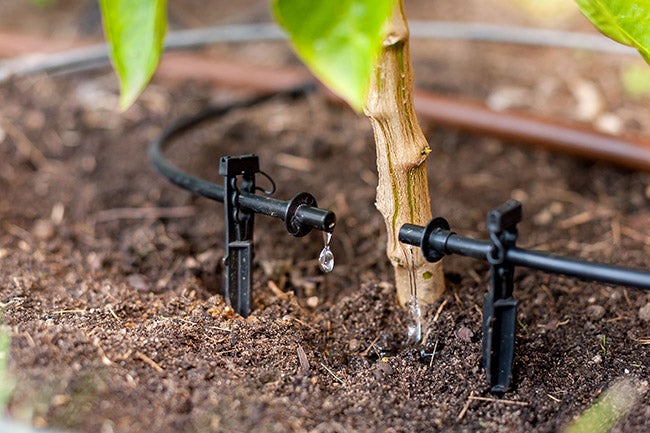
Image from www.rainbird.com.
DIY Drip System Installation Guide
Installing a basic drip system requires no specialized skills and minimal tools. Start with a pressure regulator (25-30 psi) connected to your water source, followed by a backflow preventer to protect your water supply. Add a timer for automation, then connect your 1/2-inch mainline tubing to create a distribution network throughout your garden. From this mainline, use connectors to add 1/4-inch micro-tubing that delivers water directly to individual plants.
For container gardens, specialized drip emitters that deliver precise amounts of water (typically 1/2 to 2 gallons per hour) work best. In-line drip tape or soaker hoses are more efficient for row crops, releasing water along their entire length. The beauty of drip irrigation is its modularity – you can start with a simple system serving a few containers and expand as your garden grows.
When planning your system, map it out on paper first, identifying zones based on plant water needs, sun exposure, and soil conditions. I’ve found that careful planning prevents wasteful rework and ensures you purchase only the components you actually need. For more information on installing a drip irrigation system, check out our full guide here.
Automated Timers and Controllers Worth Your Money
The right timer transforms a good drip system into a great one by ensuring consistent watering even during vacations or busy periods. Basic mechanical timers starting around $30 provide reliable service for single-zone systems. For multi-zone setups, electronic timers with multiple programs allow customized schedules for different garden areas. The most valuable feature to look for is multiple start times per day, which allows for cycle-and-soak watering that maximizes absorption in compacted urban soils.
For serious water conservation, consider weather-based controllers that adjust watering schedules based on local conditions. These controllers connect to WiFi and use real-time or forecasted weather data to modify irrigation duration and frequency. Experience shows these smart controllers typically reduce water consumption by an additional 15-30% compared to standard timers, often paying for themselves within one growing season.
Maintenance Tips to Prevent Clogging
Drip systems require minimal but regular maintenance to prevent emitter clogging. Install a mesh filter between your water source and mainline to capture sediment and debris. Clean or replace filters monthly during heavy use seasons. Periodically check emitters by running your system during daylight hours and looking for consistent dripping patterns – irregular or missing drips indicate clogs requiring attention.
Flush your system seasonally by removing end caps and running water at full pressure for several minutes to clear accumulated sediment. In hard water areas, periodic vinegar flushes can dissolve mineral buildup inside tubing and emitters. When winterizing, drain all lines and store components like timers and pressure regulators indoors to prevent freeze damage.
Zone Planning for Different Plant Needs
Strategic zone planning maximizes the efficiency of your drip system. Group plants with similar water requirements on the same irrigation circuit to prevent overwatering some plants while underwatering others. Create separate zones for areas with different sun exposure, as south-facing beds typically require more frequent irrigation than northern exposures.
For vegetable gardens, establish zones based on crop families and growth stages. Fruiting vegetables like tomatoes and peppers benefit from deep, infrequent watering, while leafy greens prefer more frequent, shallow irrigation. By using flow-control emitters or adjustable micro-sprinklers, you can fine-tune water delivery within each zone to match individual plant requirements precisely.
Smart Technology for Water Conservation
Smart irrigation technology has revolutionized water management for urban gardens. These systems use real-time data to make intelligent watering decisions, eliminating the guesswork that leads to overwatering. The latest generation of smart controllers can reduce water usage by up to 50% compared to traditional timer-based systems, while actually improving plant health through more precise irrigation.

Image from www.homedepot.com.
Soil Moisture Sensors That Actually Work
Soil moisture sensors have evolved from unreliable gadgets to essential tools for precision irrigation. Modern capacitance sensors provide accurate readings of soil moisture at specific root depths, eliminating the wasteful practice of watering on a fixed schedule regardless of actual soil conditions. Entry-level sensors with digital displays start around $30, while professional-grade models that integrate with automation systems range from $80-200.
For maximum effectiveness, install sensors at the root zone depth of your primary crops – typically 4-6 inches for most vegetables. Position sensors in locations representing average conditions, avoiding unusually dry or wet microclimates that might skew readings. Multiple sensors throughout larger gardens provide the most comprehensive moisture profile, allowing truly targeted irrigation decisions based on actual plant needs rather than arbitrary schedules.
Weather-Based Irrigation Controllers
Weather-based controllers represent the pinnacle of irrigation efficiency, automatically adjusting watering schedules based on local weather conditions. These smart devices connect to WiFi networks to access real-time weather data including rainfall, temperature, humidity, and evapotranspiration rates. The controller then modifies irrigation duration and frequency accordingly – extending intervals during cool, cloudy periods and increasing water delivery during hot, windy conditions when plants need it most.
Mobile Apps for Remote Monitoring
The latest irrigation management apps transform smartphones into powerful garden monitoring stations. These applications connect to your irrigation controller and soil sensors, providing real-time data on soil moisture levels, watering schedules, and system performance. Premium apps include visual dashboards showing historical water usage patterns, helping identify opportunities for further conservation. Perhaps most valuable is the ability to override scheduled waterings remotely when unexpected rain occurs while you’re away from home.
Beyond irrigation control, comprehensive garden management apps integrate weather forecasts, plant databases, and growing calendars to optimize all aspects of urban gardening. Many allow you to create virtual garden maps with specific plant varieties and their water requirements, generating customized care recommendations throughout the growing season! I’ve found these digital tools particularly valuable for tracking which water conservation strategies deliver the best results in my specific microclimate.
Greywater Systems: Giving Water a Second Life
Greywater recycling provides urban gardeners with a sustainable second source of irrigation water. This approach captures gently used water from household activities like showering, laundry, and dishwashing that would otherwise go down the drain. A typical household produces 30-40 gallons of greywater daily – enough to support a substantial urban garden with minimal use of fresh water resources.
Unlike complex commercial systems, home-scale greywater solutions can be remarkably simple and affordable. The most basic approach – the laundry-to-landscape method – requires only a diverter valve, some tubing, and mulch basins around target plants. This approach can be implemented for under $200 and diverts washing machine water directly to garden beds without requiring any alteration to existing plumbing.
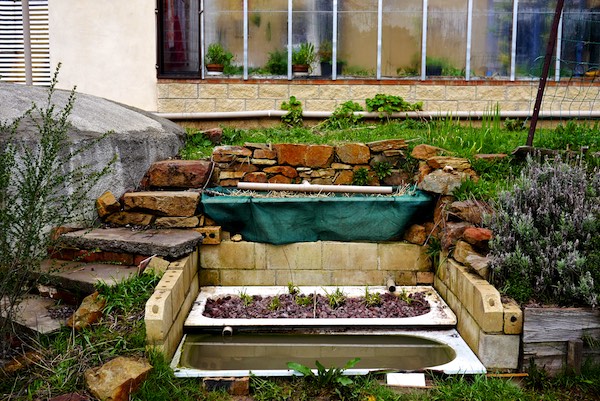
Home greywater system image from www.milkwood.net.
Safe Sources of Greywater for Gardens
Not all household water is suitable for garden use. The safest greywater sources include bathroom sinks, showers, bathtubs, and washing machines (when using plant-friendly detergents). These sources typically contain minimal contaminants and can be used directly on ornamental plants and fruit trees. For vegetable gardens, apply greywater only to the soil around food plants, avoiding direct contact with edible portions to maintain food safety.
Water from kitchen sinks, dishwashers, and toilets (blackwater) should never be used for garden irrigation due to high levels of bacteria, grease, and potential pathogens. When using greywater, switch to biodegradable, plant-friendly soaps and detergents that are sodium-free and boron-free. Many eco-friendly products now specify their greywater compatibility on the label.
Simple Diversion Methods for Apartment Dwellers
Even apartment gardeners can implement modest greywater solutions. The simplest approach involves collecting shower warm-up water in a bucket while waiting for hot water to reach the shower. This captured water – typically 1-3 gallons per shower – is perfectly clean and ideal for container plants. Similarly, water used for rinsing fruits and vegetables can be collected in a basin in the kitchen sink and repurposed for nearby houseplants or balcony containers.
For those with washing machines in their apartments, portable diverter systems allow laundry water to be temporarily directed to collection containers during the rinse cycle. These containers can then be manually transported to garden areas. This approach requires no permanent modifications to apartment plumbing while still capturing a significant water source.
Plants That Thrive with Greywater
Some plants tolerate and even thrive with greywater irrigation better than others. Fruit trees, berry bushes, ornamental shrubs, and most perennial flowers adapt well to greywater systems. Plants with extensive root systems and moderate to high water needs make particularly good candidates. Established trees often show remarkable growth increases when converted from traditional irrigation to regular greywater feeding.
For urban food production, focus greywater on fruit trees, berry bushes, herbs, and vegetable plants where the edible portion grows well above the soil level. Root crops and leafy greens that grow in direct contact with soil are best irrigated with fresh water. Be aware that acid-loving plants like blueberries and azaleas may struggle with greywater due to its typically alkaline pH.
For more information on sustainable watering practices, explore these water-saving methods for urban farms.
Water-Efficient Garden Design
Thoughtful garden design creates the foundation for water efficiency before the first plant goes into the ground. By strategically planning your urban garden with water conservation as a primary goal, you can dramatically reduce irrigation needs while creating a more resilient landscape. This design-first approach focuses on working with your specific site conditions rather than fighting against them.
The most effective water-wise designs begin with thorough site analysis – mapping sun patterns, identifying existing microclimates, testing soil composition, and noting natural water flow across the property. These observations inform decisions about bed placement, plant selection, and irrigation zones that maximize natural advantages while minimizing resource inputs.

Image from tblawncare.com.
Hydrozoning: Group Plants by Water Needs
Hydrozoning arranges plants in distinct irrigation zones based on their water requirements, allowing for targeted irrigation that gives each plant exactly what it needs without waste. High-water-use plants like vegetables and most annual flowers should be grouped together in easily accessible areas where irrigation can be closely monitored. Moderate-water-use plants including many herbs and perennials form a separate zone requiring less frequent irrigation, while drought-tolerant natives and Mediterranean plants compose low-water zones that may need supplemental irrigation only during establishment or extreme drought.
This strategic grouping not only reduces water consumption but also simplifies irrigation system design by allowing each zone to operate on its own optimized schedule. I’ve found that implementing proper hydrozoning alone can reduce water use by 20-30% compared to mixed plantings where irrigation must satisfy the thirstiest plants while overwatering their drought-tolerant neighbors.
Vertical Gardens for Space and Water Savings
Vertical gardening offers dual benefits for urban water conservation – maximizing production in limited spaces while reducing water requirements! When plants grow vertically, their foliage creates beneficial shade that reduces soil evaporation and lowers surface temperatures. The vertical orientation also allows gravity to distribute water efficiently from top to bottom, ensuring multiple plants benefit from the same water source.
Modern vertical systems incorporate built-in water-saving features like internal reservoirs, wicking systems, and recirculating irrigation. Self-watering vertical planters with water-level indicators prevent overwatering while extending the time between irrigation events. For DIY vertical gardens, installing drip irrigation at the top with collection trays at the bottom creates a semi-closed system where excess water becomes available to lower plants rather than being lost to runoff. For those interested in maximizing their garden’s sustainability, consider exploring compact composters for small spaces to complement your water-saving efforts.
Permeable Surfaces to Capture Every Raindrop
Traditional urban hardscaping creates substantial water waste by channeling rainfall into storm drains rather than allowing it to hydrate garden areas. Replacing impermeable surfaces with permeable alternatives transforms urban spaces from water-wasters to water-harvesters. Options include permeable pavers with gravel-filled joints, decomposed granite pathways, gravel dry creek beds, and rain gardens positioned to capture runoff from existing hard surfaces.
Even small adjustments make meaningful differences – sloping patios slightly toward garden beds rather than away from them, installing perforated pipe along driveways to redirect water to nearby plantings, or creating shallow depressions (swales) that slow water movement across the landscape. These passive water-harvesting techniques effectively increase the impact of every rainfall event by keeping moisture on your property longer.
Shade Strategies to Reduce Evaporation
Thoughtful shade placement significantly reduces water loss through evaporation. In hot climates, afternoon shade for vegetable gardens can reduce water requirements by up to 30% while extending the growing season for heat-sensitive crops. Strategically placed taller plants or trellised vines create living shade that protects more delicate species while adding vertical growing space.
For container gardens, grouping pots together creates a beneficial microclimate with higher humidity and reduced evaporation compared to isolated containers. Adding a layer of light-colored mulch reflects sunlight away from soil surfaces, further reducing evaporation while preventing heat stress on plant roots. In extreme heat, temporary shade cloth installations during the hottest weeks provide valuable protection while reducing water demand during peak stress periods.
Soil Management for Better Water Retention
Healthy soil serves as the most effective water management system in any garden. Well-structured soil with abundant organic matter can hold up to 20 times its weight in water – acting as a natural reservoir that supports plants through dry periods. Most urban soils start with poor water retention capacity due to compaction, construction debris, and low organic content, but targeted improvement strategies can transform these conditions relatively quickly.
Organic Matter: Nature’s Water Reservoir
Increasing organic matter is the single most effective soil improvement for water conservation. Each 1% increase in organic content allows soil to hold approximately 16,000 more gallons of water per acre! For urban gardens, this translates to significantly longer intervals between watering sessions and greater resilience during drought periods.
Compost is the gold standard amendment, improving both water retention in sandy soils and drainage in clay soils. Apply 2-3 inches annually to garden beds, working it into the top 6-8 inches where possible or allowing earthworms to incorporate it naturally in no-till systems. For new beds, aim for 30-40% compost mixed with native soil. In containers, commercial potting mixes with added water-retaining polymers or coconut coir provide excellent moisture regulation.
Mulching Techniques That Actually Save Water
Proper mulching reduces evaporation from soil surfaces by up to 70% while suppressing water-hungry weeds. The key is selecting appropriate materials and applying them at effective depths. Organic mulches like shredded leaves, straw, or wood chips should be applied 2-3 inches deep, keeping a small gap around plant stems to prevent rot. These materials gradually break down, continually enriching the soil while protecting the surface and reducing evaporation.
For vegetable gardens, consider mulch in combination with drip irrigation for maximum water efficiency. Unlike decorative mulches that may actually increase water needs, functional water-saving mulches create significant irrigation reductions – often allowing watering frequency to be cut in half during summer months.

Image from www.jpjlandscaping.com.
No-Till Methods for Urban Gardens
No-till gardening preserves soil structure and organic matter that traditional tilling destroys. Undisturbed soil develops natural channels from decomposed roots and earthworm activity that allow water to penetrate deeply rather than running off the surface. The intact fungal networks in no-till systems efficiently distribute moisture throughout the root zone, ensuring plants can access available water even during dry periods.
Converting to no-till methods initially requires adding organic matter on top of existing soil rather than digging it in. Over time, earthworms and soil organisms incorporate these materials while maintaining optimal soil structure. Many urban gardeners find that after 2-3 seasons of no-till management, their irrigation requirements decrease by 30-40% as soil health improves.
Real-World Success: Sarah’s Garden Transformation
Five years ago, Sarah’s urban garden consumed over 400 gallons of municipal water weekly during summer months. The sprinkler system ran three times weekly, water pooled in low spots, plants showed signs of both overwatering and underwatering, and her water bills were painful. Today, that same garden thrives on less than 100 gallons weekly, primarily from rainwater and greywater sources, with minimal municipal input.
This transformation didn’t happen overnight, but through incremental improvements implemented over several growing seasons. She started with a basic rain barrel system and simple greywater diversion from her washing machine, then gradually added more sophisticated components as she learned what worked best in her specific conditions. The most dramatic improvements came not from expensive technology but from fundamental improvements to soil health and thoughtful plant selection.
Before and After: Water Usage Numbers
Sarah’s 800-square-foot urban vegetable garden previously required approximately 0.5 gallons of water per square foot weekly during summer months – totaling 400 gallons weekly and over 8,000 gallons during a typical growing season. After implementing comprehensive water management strategies, the same garden now thrives on approximately 0.125 gallons per square foot weekly – a 75% reduction in water use while actually increasing harvest yields!
The municipal water portion of this consumption has decreased even more dramatically, from 100% municipal water to less than 20%, with the remainder coming from captured rainwater and redirected greywater. During typical rainfall years, the garden operates virtually independently from municipal water for 8-9 months, requiring supplemental irrigation only during the driest late summer weeks.
Cost Breakdown and Return on Investment
Sarah’s water-efficient garden transformation required approximately $1,200 in materials and equipment spread over three years. This investment included two 65-gallon rain barrels ($150), a laundry-to-landscape greywater system ($200), drip irrigation throughout the garden ($350), a smart irrigation controller ($180), soil moisture sensors ($120), and annual soil amendments ($200). The most significant expenses were the drip irrigation system and expanding the rain barrel system to include four interconnected barrels with improved filtration.
The return on this investment has been substantial – water bill savings of approximately $30-40 monthly during growing season ($240-320 annually), representing a complete payback within 4-5 years. More importantly, the garden now produces more abundant harvests with significantly less maintenance time, as automation handles most irrigation decisions while improved soil requires less frequent watering. The system continues to evolve each season, with modest improvements further enhancing efficiency.
Start Your Water-Efficient Garden Today
Transforming your urban garden into a water-efficient ecosystem doesn’t require implementing every strategy at once. Start with the foundational elements – improving soil, adding mulch, and converting to drip irrigation – then gradually incorporate rainwater harvesting, smart controllers, and possibly greywater systems as your experience and budget allow. Even modest improvements deliver meaningful water savings while creating more resilient gardens that withstand challenging urban conditions.

Image from waterefficientgardens.com.
The environmental impact extends beyond water conservation – reduced runoff means fewer pollutants entering local waterways, lower energy consumption for water treatment and delivery, and gardens that sequester carbon in healthy soil rather than releasing it through unnecessary tillage. Your water-efficient garden becomes part of the solution to multiple environmental challenges while producing abundant harvests with minimal resource inputs! For personalized guidance on implementing these systems in your specific garden, consider connecting with The Farming Insider for expert advice tailored to your unique conditions.
Frequently Asked Questions
Urban gardeners consistently raise questions about implementing water-efficient systems, particularly regarding cost, complexity, and expected results. The following FAQs address the most common concerns based on real-world experience helping hundreds of gardeners improve their water management approaches. While general principles apply broadly, remember that local climate conditions, water regulations, and soil characteristics significantly influence which strategies will deliver the best results in your specific situation.
How much water can I save with efficient irrigation systems?
Most urban gardens can reduce water consumption by 30-70% through comprehensive water management improvements. The specific savings depend on your starting point and which systems you implement. Converting from sprinklers to drip irrigation typically saves 30-50%, while adding smart controllers with soil moisture sensors can reduce usage by an additional 15-25%. Rainwater harvesting can offset 50-90% of irrigation needs depending on your local rainfall patterns and storage capacity.
Beyond these technical improvements, behavioral changes like watering deeply but infrequently, irrigating during early morning hours, and adjusting watering schedules seasonally can reduce consumption by 15-20% with no equipment investment. For container gardens, simply grouping pots together to create a higher-humidity microclimate and adding water-retaining materials to potting mix can reduce watering frequency by 30-40% during summer months!
What’s the easiest water-saving method for apartment balcony gardens?
Apartment Balcony Water-Saving Quick Start Guide
1. Self-watering containers: Reduce watering frequency by 50-70%
2. Moisture-retaining potting mix: Add coconut coir or water-retaining crystals
3. Shower bucket collection: Capture warm-up water while waiting for hot water
4. Grouping strategy: Cluster containers to create humidity pockets
5. Morning watering: Irrigate before 9am to minimize evaporation
For apartment dwellers, self-watering containers represent the most impactful water-saving investment. These containers feature built-in reservoirs that store excess water and make it available to plants through capillary action as needed. Quality self-watering planters reduce watering frequency from daily to weekly for most plants, even during hot weather. While slightly more expensive than standard containers, they pay for themselves quickly through reduced water use and plant stress.
Collecting household water provides another simple apartment solution. Keeping a designated bucket in the shower captures water during warm-up that would otherwise go down the drain. Similarly, water used for rinsing produce or pasta can be collected and cooled for plant use. Apartment gardeners report collecting 5-10 gallons weekly through these simple methods – often enough to support a modest balcony garden without using any additional tap water.
Modifying your container soil mix offers another easy improvement. Adding water-retaining materials like coconut coir, vermiculite, or commercial water-retaining crystals to standard potting mix significantly extends the time between watering sessions. For extremely hot balconies, light-colored containers reflect heat better than dark ones, reducing soil temperature and evaporation rates while protecting sensitive root systems.
Are smart irrigation controllers worth the investment?
Smart controllers deliver the strongest return on investment for gardeners with in-ground irrigation systems and garden areas larger than 200 square feet. These devices typically reduce water consumption by 20-40% compared to standard timers by adjusting irrigation schedules based on weather conditions, soil moisture readings, and plant water requirements. Most users recoup their $150-250 investment within 1-2 growing seasons through reduced water bills while enjoying healthier plants and significantly less hands-on irrigation management.
Which vegetables require the least amount of water?
Mediterranean herbs (rosemary, thyme, sage, oregano), legumes (beans, peas), and heat-loving nightshades (peppers, eggplant) typically require the least supplemental irrigation once established. Root vegetables like carrots, beets, and turnips need consistent moisture during germination but moderate water once established, while sweet potatoes, Jerusalem artichokes, and some squash varieties develop extensive root systems that efficiently access soil moisture. For urban gardeners in water-restricted areas, focusing on these water-efficient crops while limiting thirsty options like corn, celery, and certain lettuces creates productive gardens with minimal irrigation.
How do I test if my soil has good water retention properties?
The simplest test involves digging a hole 12 inches deep, filling it with water, and letting it drain completely. Then refill the hole and measure how much the water level drops in one hour. Ideally, water should drain at a rate of 1-2 inches per hour. Faster drainage indicates sandy soil that won’t retain moisture, while slower drainage suggests clay soil prone to waterlogging. Both extremes benefit from adding organic matter – compost improves drainage in clay while enhancing water retention in sand.
For container gardens, perform a simple weight test by thoroughly watering containers, then lifting them immediately after draining and again 24 hours later. Significant weight loss indicates poor water retention that would benefit from added organic matter or water-retaining amendments. Alternatively, insert your finger into the soil to the second knuckle – properly moisture-retentive soil should feel slightly damp 24 hours after watering, neither bone dry nor soggy.
Efficient water management systems are essential for urban gardens to thrive. These systems help conserve water while ensuring plants receive the necessary hydration.
Featured Image from water.ca.gov.

Related Posts
-
 Sustainable Gardening As Community Rehabilitation
- Simple Urban Gardening Secrets for Success
- The Benefits of Companion Planting in Container Gardens
- Space-Saving Vertical Herb Garden Design Ideas & Tips
- Urban Garden Design Ideas: Low-Maintenance Garden Tips For Busy Gardeners
- [Video] A Cheap & Easy Way to Support Melons On a Trellis


