Freezing Versus Canning: Which is Best for Your Garden Veggies?

Freezing and canning are two of the most popular methods for preserving garden vegetables. This article explores the pros and cons of freezing versus canning and which method works best for which veggies.
Key Takeaways:
- Freezing vegetables helps retain their texture and flavor better than canning.
- Canned vegetables have a longer shelf life, lasting up to several years.
- Freezing is quicker and requires less specialized equipment compared to canning.
- Canning is more energy-efficient for long-term storage as it doesn’t rely on electricity.
- Both methods have their unique benefits and can be chosen based on personal preference and available resources.
Freezing Versus Canning: Which is Best for Your Veggies?
Introduction to Veggie Preservation Methods
Preserving vegetables is a fantastic way to enjoy your garden’s bounty year-round. There are two popular methods for doing this: freezing and canning. Each has its own set of benefits and drawbacks, and the best method for you will depend on your specific needs and preferences.

Image from www.oviahealth.com.
Why Consider Freezing Versus Canning?
Most importantly, preserving vegetables ensures that you have access to nutritious food even when it’s not in season. Besides that, it helps reduce food waste and can save you money in the long run. Whether you choose to freeze or can your veggies, both methods allow you to savor the flavors of your harvest throughout the year!
Freezing for Veggie Preservation
Freezing vegetables is one of the easiest and most effective ways to preserve them. It requires minimal equipment and can be done quickly, making it an excellent choice for beginners.
Benefits of Freezing
Freezing vegetables offers several advantages:
- Preserves the natural texture and flavor of the vegetables.
- Requires less time and effort compared to canning.
- Maintains most of the nutritional content.
- Allows for portion control as you can freeze in smaller quantities.
Step-by-Step Guide to Freezing Veggies
Follow these steps to freeze your vegetables effectively:
- Start by washing and trimming your vegetables.
- Blanch them in boiling water for a few minutes to preserve color and flavor.
- Immediately transfer the veggies to an ice bath to stop the cooking process.
- Drain and dry the vegetables thoroughly.
- Place them in airtight containers or freezer bags, removing as much air as possible.
- Label the containers with the date and type of vegetable.
- Store in the freezer and use within 8-12 months for best quality.
Blanching: The Key to Successful Freezing
Blanching is a crucial step in the freezing process. It involves boiling the vegetables for a short time and then quickly cooling them in ice water. This process helps to preserve the color, texture, and nutritional value of the vegetables. Skipping this step can result in a loss of quality and flavor.

Image from piedmontmastergardeners.org.
Best Veggies for Freezing
Not all vegetables freeze well, but many do. Here are some of the best options for freezing:
- Green beans
- Peas
- Carrots
- Broccoli
- Cauliflower
- Spinach
- Bell peppers
These vegetables maintain their texture and flavor well after freezing, making them ideal candidates. For instance, peas can be blanched for just 1-2 minutes and then frozen, retaining their sweet taste and firm texture. Similarly, carrots, when sliced and blanched for 2-3 minutes, freeze beautifully and can be used in various dishes later on.
Additionally, you can freeze mixed vegetable medleys by blanching and combining them before freezing. This can save time when preparing meals, as you’ll have ready-to-use veggie mixes at your fingertips!
Blanching: The Key to Successful Freezing
Blanching is a crucial step in the freezing process. It involves boiling the vegetables for a short time and then quickly cooling them in ice water. This process helps to preserve the color, texture, and nutritional value of the vegetables. Skipping this step can result in a loss of quality and flavor.
For example, blanching green beans for about 3 minutes before freezing can keep them crisp and vibrant. Similarly, blanching broccoli for 3-4 minutes helps maintain its bright green color and firm texture. Always make sure to follow the recommended blanching times for each type of vegetable to get the best results.
For those interested in learning more about preserving vegetables, here is a guide to freezing green beans that provides additional tips.
Canning for Veggie Preservation
Canning is another effective method for preserving vegetables. It involves sealing vegetables in airtight containers, typically jars, and then heating them to destroy any microorganisms that could cause spoilage. While it requires more equipment and effort compared to freezing, it offers the benefit of long-term storage without the need for electricity.
Benefits of Canning
Canning has several advantages:
- Extends the shelf life of vegetables for up to several years.
- Does not require refrigeration or freezing, making it energy-efficient.
- Allows for the preservation of a wide variety of vegetables, including low-acid ones if you use the proper methods and precautions.
- Enables you to create shelf-stable meals and ingredients.
For instance, canned tomatoes can be stored for up to 18 months and used in sauces, soups, and stews, providing a convenient and flavorful ingredient year-round. Similarly, canned green beans can last for up to 5 years, making them a reliable pantry staple.
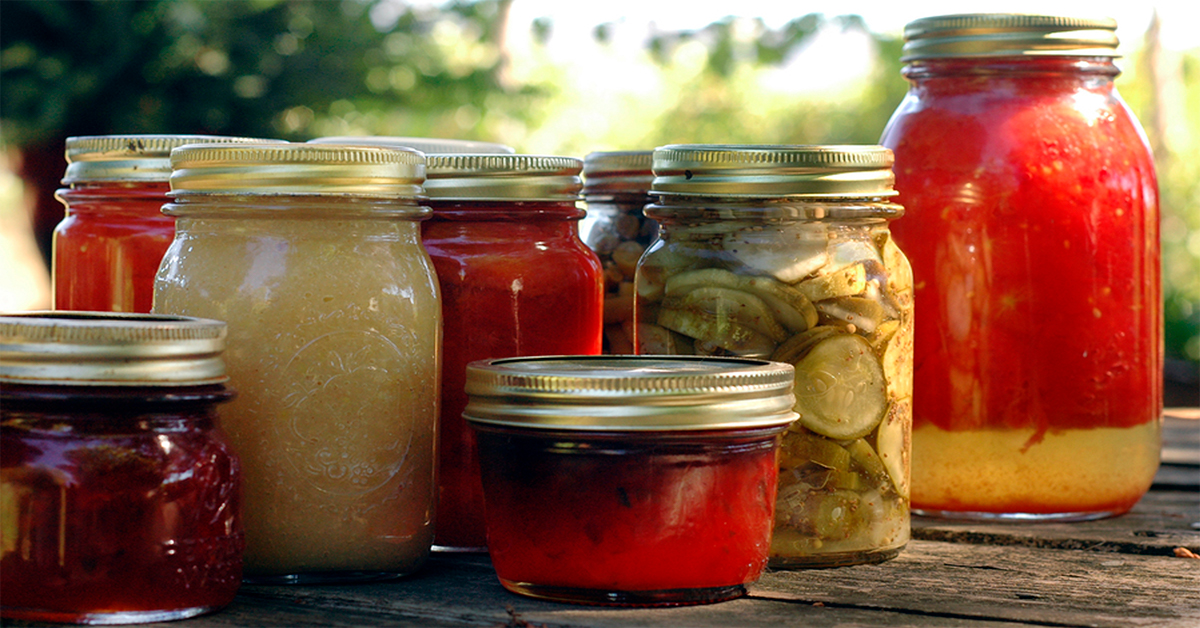
Image from www.livingonadime.com.
Essential Tools for Canning
“As compared to freezing, the process of canning is a bit more complex. It takes practice and preparation for one to learn how to use a pressure canner effectively and preserve any kind of food.”
To start canning, you’ll need some essential tools:
- Pressure canner or large pot for water bath canning
- Canning jars and lids
- Jar lifter
- Funnel
- Bubble remover tool (optional for some items)
These tools are necessary to ensure that your canning process is safe and effective. A pressure canner is particularly important for low-acid vegetables like green beans, as it reaches higher temperatures needed to kill harmful bacteria.
Safe Canning Practices
Safety is paramount when it comes to canning. Follow these guidelines to ensure your canned vegetables are safe to eat:
- Always use tested recipes from reliable sources to ensure proper acidity and processing times.
- Inspect jars for cracks or chips before use, as damaged jars can lead to seal failures.
- Ensure lids are new and in good condition to achieve an airtight seal.
- Process jars for the recommended time and pressure to eliminate harmful microorganisms.
- Store canned goods in a cool, dark place to maintain quality and prevent spoilage.
For example, when canning tomatoes, adding lemon juice or citric acid helps ensure the correct acidity level for safe preservation. Additionally, processing jars in a boiling water bath for the recommended time helps create a vacuum seal, keeping the contents safe and fresh. If you’re looking for other preservation methods, you might find this guide on preserving garden produce without canning useful.
Best Veggies for Canning
Some vegetables are particularly well-suited for canning. Here are some of the best options:
- Tomatoes
- Green beans
- Carrots
- Beets
- Pickles (cucumbers – or other types of pickles)
These vegetables retain their flavor and texture well during the canning process. For instance, canned beets can be used in salads and side dishes, offering a sweet and earthy flavor. Pickled cucumbers provide a tangy and crunchy addition to sandwiches and snacks, and pickling is a great way to preserve vegetables that are non-acidic and have a short shelf-life in their fresh form.
Comparing Freezing Verus Canning
When deciding between freezing and canning, it’s essential to consider several factors, including texture, flavor, storage duration, cost, and convenience. Each method has its unique benefits and challenges, and the best choice will depend on your specific needs and preferences.
Texture and Flavor Comparison
Freezing generally preserves the natural texture and flavor of vegetables better than canning. Frozen vegetables tend to retain their crispness and vibrant color, making them ideal for dishes where texture is important. For example, frozen green beans maintain some of their snap and bright green hue, making them perfect for stir-fries and salads. For more detailed information, check out this essential guide to freezing garden produce.
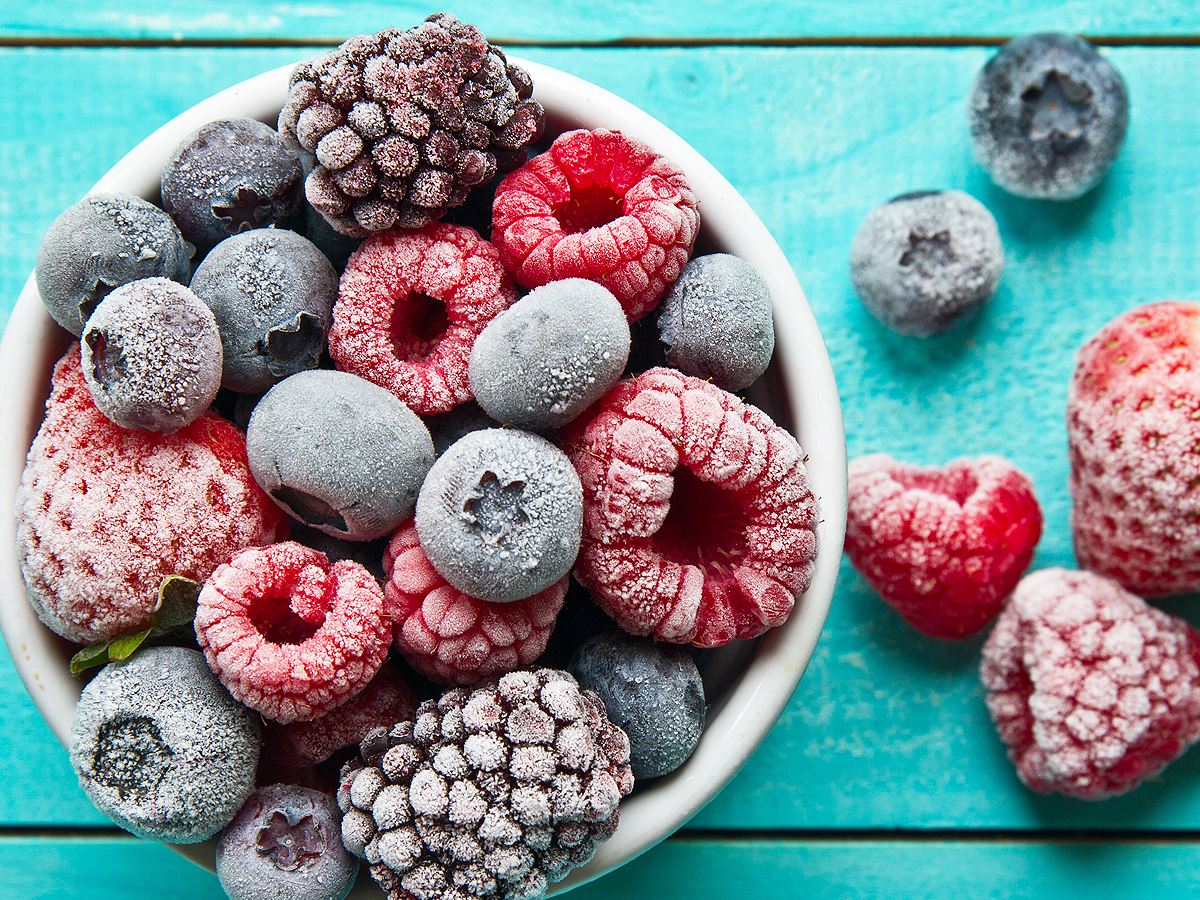
Image from www.coastalcountry.com.
On the other hand, canned vegetables can have a softer texture and a slightly different flavor profile. While this may be desirable for some recipes, such as soups and stews, it may not be ideal for dishes that require a firmer texture. For instance, canned green beans are softer and may be better suited for casseroles and slow-cooked dishes. For more details, you can check out this comprehensive comparison on food preservation methods.
Storage Duration and Shelf Life
One of the significant advantages of canning is its long shelf life. Properly canned vegetables can last for up to several years, making them an excellent option for long-term storage. This is particularly beneficial for those looking to build a food supply for emergencies or reduce trips to the grocery store.
In contrast, frozen vegetables typically have a shorter shelf life, usually lasting 8-12 months. While this is still a considerable amount of time, it’s important to rotate your stock and use the oldest items first to prevent freezer burn and maintain quality. For more tips, check out this essential guide to freezing garden produce.
Cost and Energy Efficiency
When it comes to cost, both methods have their considerations. Freezing is generally more accessible and requires less specialized equipment. Most households already have a freezer, and the initial investment is minimal. However, freezing relies on continuous electricity, which can add to your energy bill.
Canning, on the other hand, requires a more significant upfront investment in equipment such as pressure canners and jars. However, once you have the necessary tools, canning becomes more cost-effective over time, especially since you can re-use most of the equipment over and over again. Additionally, canned vegetables do not require electricity for storage, making them more energy-efficient in the long run. Overall, if you can invest in the initial equipment, canning is the more sustainable choice.
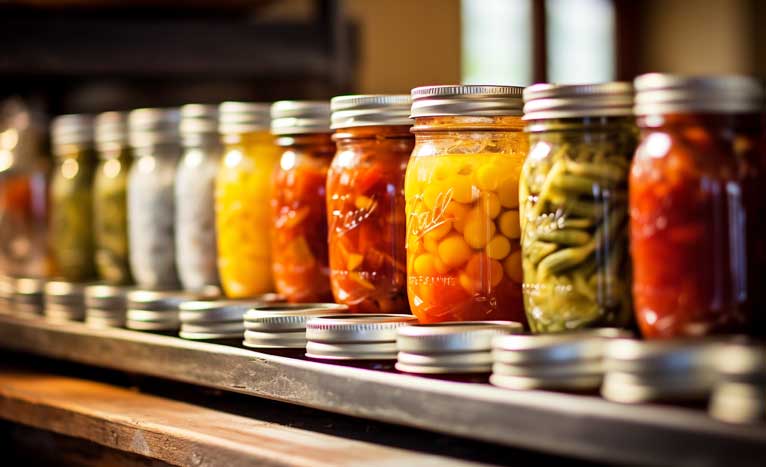
Image from gubbahomestead.com.
Convenience and Accessibility
Freezing is often considered more convenient due to its simplicity and speed. The process is straightforward, and even beginners can successfully freeze vegetables with minimal guidance. This makes it an excellent option for those with limited time or experience in food preservation.
Canning, while more complex, offers the benefit of creating shelf-stable products that do not require refrigeration. This can be particularly advantageous for those with limited freezer space or those looking to store food for extended periods. With practice, canning can become a rewarding and efficient way to preserve your harvest.
Making the Best Choice for Your Lifestyle
Factors to Consider
When choosing between freezing and canning, consider the following factors:
- The types of vegetables you want to preserve
- Your available storage space (freezer vs. pantry)
- Your budget for equipment and supplies
- Your comfort level with each method
- The desired shelf life of your preserved vegetables
Combining Both Methods
There’s no rule that says you have to choose one method exclusively. In fact, combining both freezing and canning can offer the best of both worlds. For example, you can freeze vegetables that you plan to use in the near future and can those that you want to store for longer periods.
This approach allows you to take advantage of the unique benefits of each method. By diversifying your preservation techniques, you can ensure a steady supply of nutritious, home-preserved vegetables throughout the year!
Frequently Asked Questions
Do I need special equipment for canning?
Yes, canning requires specific equipment to ensure safety and effectiveness. A pressure canner or water bath canner is essential, depending on the type of vegetables you are preserving. You’ll also need canning jars, lids, a jar lifter, a funnel, and a bubble remover tool. Investing in these tools will help you achieve safe and successful canning results.
How long do frozen veggies last?
Frozen vegetables typically last 8-12 months. To maximize their shelf life, follow these tips:
- Blanch vegetables before freezing to preserve quality.
- Store them in airtight containers or freezer bags.
- Label containers with the date to keep track of storage time.
- Rotate your stock, using the oldest items first.
By following these guidelines, you can enjoy high-quality frozen vegetables for several months.
What are the best containers for freezing veggies?
The best containers for freezing vegetables are those that are airtight and freezer-safe. Options include:
- Freezer bags with a zip-lock seal
- Plastic containers with tight-fitting lids
- Glass containers designed for freezing
- Vacuum-sealed bags
Using the right containers helps prevent freezer burn and maintains the quality of your frozen vegetables.
In conclusion, both freezing and canning offer effective ways to preserve your vegetables. By understanding the benefits and challenges of each method, you can make an informed decision that best suits your needs and lifestyle. Whether you choose to freeze, can, or combine both methods, you’ll be able to enjoy the flavors of your garden all year long!
Featured image from www.imperfectlyhappy.com.

Related Posts
-
 How to Pick Leaf Lettuce Like a Pro
- Top 10 Methods for Preserving Your Garden Bounty
- The Ultimate Guide to Long-Term Garden Produce Storage Without a Fridge
- What To Do With All Those Extra Veggies?
- [Video] How to Harvest & Cure Winter Squash for Storage
- How to Store Root Vegetables for Long-Term Freshness


