Frost Protection Blankets: Essential Weather Defense for Container Gardens

Protect your container garden plants from cold snaps with frost blankets. Here’s what to look for & how to use them…
Key Takeaways:
- Container gardens are more vulnerable to frost damage than in-ground plants because their roots lack the insulating protection of deep soil.
- Proper frost blanket selection depends on your specific plant needs—lightweight options offer 2-4°F protection while heavy-duty blankets can protect against temperature drops of 8-10°F.
- Timing is crucial—cover container plants in late afternoon before temperatures drop and remove covers by mid-morning to prevent overheating.
- Strategic container placement, proper watering techniques, and mulching work together with frost blankets to create a complete cold-weather defense system.
Frost can silently devastate your container garden overnight, transforming vibrant, healthy plants into wilted, blackened casualties. Unlike their in-ground counterparts, potted plants face greater vulnerability to temperature fluctuations, making frost protection blankets not just helpful but essential for serious container gardeners.
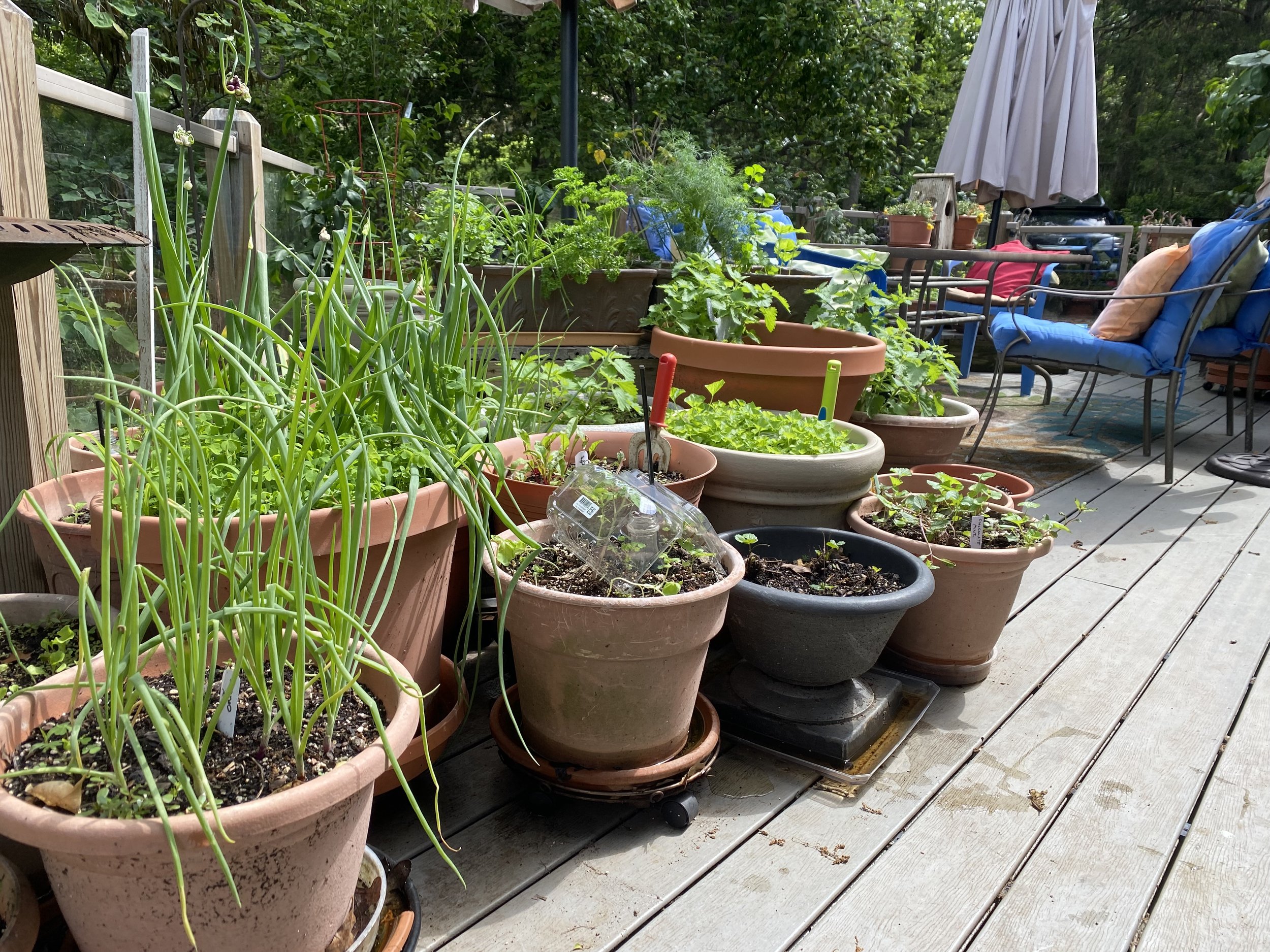
Image from www.gardeningcharlotte.com.
Whether you’re nurturing delicate herbs, tropical flowers, or productive vegetables, implementing proper frost protection strategies ensures your plants continue thriving despite temperature dips.
Why Container Gardens Need Extra Frost Protection
Container gardens require special attention when temperatures threaten to drop below freezing. Unlike plants growing in the ground, container plants don’t benefit from the earth’s natural insulation. The exposed sides of pots allow cold to penetrate from all directions, and the limited soil volume cools much more quickly than garden beds. This means root systems in containers can experience temperatures significantly colder than their in-ground counterparts, even when air temperatures are identical.
Most gardeners don’t realize that container soil temperatures can drop as much as 20 degrees lower than surrounding garden soil during cold snaps. This dramatic difference occurs because containers have greater surface area exposure to cold air while lacking the thermal mass that protects plants growing in the ground. Additionally, elevated containers experience even greater temperature fluctuations as cold air circulates freely beneath them, creating a refrigeration effect that can rapidly chill root systems.
The compact nature of container soil also means less space for air pockets that typically provide insulation. When moisture in these confined soil spaces freezes, it expands and can physically damage delicate root structures. This soil freezing also prevents plants from taking up water, essentially creating drought conditions even when soil appears moist. The resulting stress can weaken or kill plants that might otherwise survive the same temperatures if planted in the ground.
Choose the Right Frost Protection Blanket for Your Container Plants
Selecting the appropriate frost blanket involves understanding the specific needs of your container garden. Not all protection products are created equal, and making the right choice can mean the difference between plants barely surviving and actually thriving through cold weather. The ideal frost blanket should balance insulation, breathability, and light transmission while being appropriately sized for your container arrangement.
When shopping for frost protection, you’ll encounter various materials and thicknesses designated by weight measurements (usually in ounces per square yard). These specifications directly correlate with the level of protection provided. Look specifically for products made from polypropylene fabric rather than simple netting, as proper frost blankets create a thermal barrier that retains heat rising from the soil around plants.
Lightweight vs. Heavy-Duty Blanket Options
Lightweight frost blankets (0.5-1.5 oz) provide minimal protection, typically raising temperatures by 2-4°F under the cover. These thinner options excel for mild frost conditions between 28-32°F and work well for cool-season vegetables and moderately hardy perennials. They allow excellent light transmission (up to 85%) and can often remain in place during daytime hours without risking plant overheating.
Medium-weight options (1.5-2.2 oz) offer a balanced solution for most container gardeners, providing protection down to approximately 25°F while still allowing 70-75% light transmission. These versatile covers work well for most container applications where moderate frost protection is needed without daily removal. For hanging baskets or decorative containers that are difficult to access frequently, medium-weight blankets often provide the ideal balance of protection and convenience.
Heavy-duty frost blankets (2.5-3.0 oz) deliver serious protection, creating microclimates 8-10°F warmer than surrounding air temperatures. These thicker materials can shield plants from temperatures as low as 20°F but reduce light transmission to about 50-60%. While offering superior insulation, these heavier options should be removed during daylight hours when temperatures rise above freezing to prevent heat buildup. They’re ideal for particularly cold nights or protecting tropical plants that have zero frost tolerance.

Image from www.lowes.com.
Material Matters: Breathability, Insulation, and Light Transmission
The ideal frost blanket balances three critical factors: breathability, insulation capacity, and light transmission. Proper airflow prevents moisture buildup that can lead to fungal issues, while insulation traps soil warmth around your plants. Meanwhile, adequate light transmission ensures photosynthesis can continue even when covers remain in place during daylight hours.
Size Considerations for Different Container Arrangements
When purchasing frost blankets, always size up rather than down. Your covering should extend fully to the ground on all sides of your container arrangements, creating a complete thermal envelope that traps warm air. For individual containers, choose blankets that provide at least 12-18 inches of extra material on all sides to ensure proper draping and securing.
Container groupings present special considerations when determining frost blanket size. Clustering pots together before covering creates a collective thermal mass that enhances protection, but requires larger blankets. Measure your entire grouped arrangement and add 24-36 inches to both length and width dimensions to ensure adequate coverage. For tall plants or complex container arrangements, consider specialized frost blanket frames or supports to prevent fabric from directly contacting delicate foliage.
6 Steps to Properly Cover Container Gardens
Effective frost protection requires more than simply tossing a blanket over your plants. Follow a systematic approach to maximize protection and minimize stress on your container garden. Proper technique can make the difference between marginal protection and creating a truly effective microclimate that shields your plants through challenging conditions.
1. Monitor Weather Forecasts for Frost Warnings
Stay vigilant about upcoming temperature drops by monitoring local weather forecasts specifically for frost advisories. Most frost damage occurs during clear, still nights when heat radiates rapidly from plants and containers into the atmosphere. Pay particular attention to forecasts mentioning temperatures below 40°F (4°C), as frost can form even when air temperatures remain slightly above freezing due to radiational cooling.
Install a digital thermometer with minimum temperature recording capability near your container garden to track microclimate conditions specific to your space. Container gardens positioned against buildings, near concrete surfaces, or in wind corridors may experience temperatures significantly different from general forecasts. Set mobile alerts for sudden weather changes, especially during spring and fall transition seasons when overnight frosts can appear unexpectedly.
2. Prepare Containers Before Covering
Before applying frost protection, take preparatory steps to enhance blanket effectiveness. Water containers thoroughly during the day when unexpected frost is predicted for that night – moist soil holds heat better than dry soil and releases it slowly throughout the night. However, avoid saturation that could lead to root damage if temperatures drop severely.
Group containers together wherever possible to create collective thermal mass. This clustering effect allows plants to share radiated heat and creates a more stable microenvironment under the covering. Position smaller or more vulnerable containers toward the center of the grouping with hardier plants forming a protective perimeter. Remove saucers from beneath containers when frost threatens, as standing water can freeze and transfer cold directly to the container bottom.
3. Apply Blankets at the Right Time
Timing is critical when applying frost protection. Cover container gardens in late afternoon while soil and pots still retain heat from the day’s sun exposure – typically 2-3 hours before sunset. This traps accumulated warmth under the blanket rather than allowing it to dissipate as temperatures drop. Avoid covering containers too early on sunny days, as this prevents them from absorbing maximum solar heat that could otherwise help protect plants overnight. For more on the effective use of frost blankets, check out these practical tips.

Frost Blanket Covers – image from www.amazon.com.
Remove covers by mid-morning the following day once temperatures rise above freezing. Leaving frost blankets in place during warm, sunny conditions can cause overheating, excessive humidity, and stress plants more than the cold itself would have. For extended cold periods, lift blankets during the warmest part of each day to release humidity and allow plants access to light, then reapply before temperatures begin dropping again.
4. Proper Draping Techniques for Maximum Protection
When covering container gardens, create a tent-like structure rather than wrapping plants tightly. Drape the blanket loosely over plants, allowing air space between the covering and foliage. This air gap serves as additional insulation and prevents cold transfer that occurs when frozen fabric directly contacts plant tissues. For larger containers or collections, consider using supports like tomato cages, garden stakes or PVC hoops to create a dome structure that keeps fabric elevated.
Extend the frost blanket all the way to the ground, ensuring it covers not just the plants but the containers themselves. This comprehensive coverage prevents cold air from infiltrating underneath and preserves the all-important heat radiating from the soil and container sides. For especially vulnerable containers, consider double-layering with different weight blankets – a lightweight inner layer that contacts plants and a heavier outer layer for enhanced insulation.
5. Secure Blankets Without Damaging Plants
Properly securing frost blankets prevents them from blowing away while avoiding damage to your containers and plants. Use bricks, rocks, or specially designed fabric weights to anchor blanket edges to the ground rather than wrapping or tying fabric tightly around containers which can damage stems and restrict air circulation. For container groups, weave bamboo stakes or dowels through blanket edges and into the soil to create tension points that keep coverings taut without direct plant contact.
Beyond Blankets: Create a Complete Frost Defense System
While frost blankets provide excellent protection, they work best as part of a comprehensive cold weather strategy. Combining multiple approaches creates resilience against frost damage and reduces reliance on any single protection method. A systems-based defense accommodates varying cold intensities and provides backup protection if one element fails.
Consider frost protection as layered rings of defense, each adding incremental temperature benefits. Strategic container placement creates the foundation, proper watering practices enhance plant cellular resilience, mulching stabilizes root zone temperatures, and frost blankets provide the final protective layer. This integrated approach can maintain temperatures 15-20°F warmer than surrounding air in severe conditions – often the difference between minor stress and catastrophic damage.
Strategic Container Placement During Cold Seasons
Position frost-sensitive containers against south or west-facing walls where stored heat radiates throughout the night, creating natural thermal protection. Brick, stone and concrete surfaces absorb solar energy during daylight hours and release it slowly after sunset, moderating temperature swings. Move containers away from low-lying areas where cold air pools, positioning them instead on elevated surfaces like benches, tables or stairs which remain comparatively warmer during frost events.

Image from www.youtube.com.
Watering Tricks That Boost Frost Resistance
Counter-intuitively, properly hydrated plants withstand frost better than dry ones. Moisture inside plant cells creates a buffer against freezing damage by releasing heat as it cools. Water container plants thoroughly the day before expected frost, ensuring soil is evenly moist but not waterlogged. However, avoid overhead watering that leaves foliage wet, as this increases freezing risk.
- Use room temperature water rather than cold water when hydrating before frost events
- Water during mid-morning to allow excess moisture to evaporate before nightfall
- Consider placing filled water jugs or bottles among containers under frost blankets to provide additional thermal mass
- Avoid fertilizing before frost events as this stimulates vulnerable new growth
Some experienced container gardeners employ the “thermal water battery” technique during extreme cold events. This involves placing several sealed containers of warm water among plant pots before covering everything with frost blankets. As the water gradually cools overnight, it releases heat that maintains higher temperatures under the covering. This approach is particularly effective for small groupings of especially valuable or vulnerable container specimens.
For extended cold periods, be careful not to overwater containers. Cold, saturated soil can lead to root rot since plants uptake less moisture during low temperatures. Check soil moisture levels regularly during winter and adjust watering frequency downward while maintaining adequate hydration levels.
Mulch and Insulation for Container Soil
Apply a 1-2 inch layer of insulating mulch to container soil surfaces to stabilize temperature fluctuations. Organic materials like straw, pine needles, shredded leaves or bark chips create air pockets that slow heat loss from the growing medium. For extremely cold conditions, consider extending mulch protection to the container sides by wrapping them with burlap, bubble wrap, or specialized pot wraps secured with twine or garden clips.
Double-potting provides another effective insulation strategy for valuable container specimens. Place your planted container inside a slightly larger decorative pot, filling the space between with insulating material like peat moss, shredded newspaper, or bubble wrap. This creates a thermal buffer zone that protects roots from rapid temperature changes and prevents the growing medium from freezing solid. For prized specimens, commercial pot insulators or custom-made thermal sleeves offer even greater protection during extended cold periods.
Most Vulnerable Container Plants That Need Protection
Not all container plants require the same level of frost protection. Understanding which varieties face the greatest risk helps prioritize your protective efforts during unexpected cold snaps or when protective supplies are limited. Plants with fleshy stems, thin leaves, or tropical origins generally suffer frost damage at higher temperatures than woody perennials or specially adapted cold-climate varieties.
Tropical and Subtropical Varieties
Plants native to frost-free regions typically sustain damage at temperatures below 40°F (4°C) and suffer severe injury or death when exposed to true freezing. Container specimens like hibiscus, mandevilla, banana plants, bird of paradise, citrus trees, and most palms require your most aggressive protection strategies. These sensitive plants benefit from multi-layered approaches combining strategic placement, container insulation, and heavy-duty frost blankets, sometimes supplemented with additional heat sources for extreme conditions.
Early Spring Bloomers
Spring-flowering container plants often develop buds during late winter warming periods, making them particularly vulnerable to late frosts. Azaleas, rhododendrons, camellias, forsythias and flowering fruit trees in containers may withstand vegetative cold but lose their entire bloom cycle to even brief freezing episodes. These plants benefit from frost blanket protection primarily during bud development and flowering phases.
Consider employing temporary greenhouse structures or cold frames for these early bloomers during their most vulnerable stages. These semi-permanent solutions provide excellent protection while allowing light penetration and can be opened during warm days for ventilation. For container collections with staggered bloom times, portable frost blankets allow targeted protection of only those specimens currently in sensitive flowering phases.
Edibles That Can’t Tolerate Frost
Warm-season vegetables and herbs grown in containers require vigilant frost protection to prevent crop loss. Tomatoes, peppers, eggplant, basil, cucumbers, and melons suffer cellular damage at temperatures near 32°F (0°C), often appearing wilted and blackened after even light frost exposure. For edible container gardens, consider lightweight frost blankets that can remain in place during marginal conditions while still allowing adequate light for photosynthesis and growth.
Seasonal Storage and Maintenance of Frost Blankets
Proper care of your frost protection materials extends their usable lifespan from a single season to many years. Quality frost blankets represent a significant investment in your container garden’s protection, and with proper maintenance, premium brands can remain effective for five seasons or more. Taking time to clean, repair, and properly store these materials after each cold season ensures they’ll be ready when you need them most.

Image from www.arbico-organics.com.
Cleaning and Repair Tips
Before storage, thoroughly clean frost blankets to remove soil, plant debris, and potential pathogens. Gently rinse with a garden hose on a low-pressure setting to avoid damaging the fabric structure. For stubborn stains or mildew, use a mild soap solution (one tablespoon of dish soap per gallon of water) and gently scrub affected areas with a soft brush. Always air dry frost blankets completely before storage, as folding damp materials can lead to mold development and fiber degradation.
Inspect blankets carefully for tears, punctures, or frayed edges that could compromise their effectiveness next season. Small holes can be mended with frost blanket tape or specialized repair patches available from garden suppliers. For larger tears, use a simple whip stitch with UV-resistant thread, maintaining tension across the damaged area to prevent future spreading. Consider reinforcing high-stress points like corners and edges with additional stitching or fabric tape before storing, particularly if you’ve noticed these areas beginning to weaken.
Proper Folding and Storage Methods
Fold frost blankets along their original creases when possible, avoiding creating new fold lines that can become stress points. For larger blankets, recruit a helper to ensure even folding without dragging the material across rough surfaces. Alternate folding directions with each fold to distribute stress evenly throughout the fabric rather than concentrating it along a single axis. This method significantly reduces wear at fold points and extends the material’s usable life.
Store cleaned and folded frost blankets in a cool, dry location away from direct sunlight, which can degrade synthetic fibers over time. Place materials in breathable storage containers like canvas bags or cardboard boxes rather than sealed plastic containers that can trap residual moisture. Label each container with the blanket weight, dimensions, and any specific usage notes to simplify selection when frost threatens again. Add silica gel packets to storage containers in humid climates to absorb residual moisture and prevent mildew development during the off-season.
Cold-Weather Container Gardening Success Story
Susan Markham of Minnesota extended her container garden harvest by nearly six weeks using a comprehensive frost protection strategy. By combining strategic placement, thermal mass techniques, and proper frost blanket application, she harvested tomatoes and peppers well into October despite temperatures repeatedly dropping into the upper 20s°F! Her system included grouping containers against a south-facing brick wall, adding warm water-filled bottles among the containers for thermal mass, and covering everything with medium-weight frost blankets secured with bricks. This integrated approach allowed her containerized herbs and vegetables to survive multiple frost events that damaged her neighbors’ unprotected gardens, demonstrating how effective proper protection can be even in challenging northern climates.
Frequently Asked Questions
Container gardeners often have specific questions about frost protection strategies, materials, and techniques. The following answers address common concerns based on scientific evidence and practical experience from successful cold-weather container gardeners. Understanding these nuances helps you make informed decisions about protecting your particular container garden setup through challenging temperature fluctuations.
How many degrees of protection do frost blankets actually provide?
Frost blanket protection capacity varies significantly based on material weight and environmental conditions. Lightweight blankets (0.5-1.5oz) typically provide 2-4°F of protection, making them suitable for mild frost events between 28-32°F. These thinner materials allow 70-85% light transmission and work well for cool-season vegetables and moderately hardy perennials that can tolerate brief exposure to light frost.
Medium-weight blankets (1.5-2.2oz) offer 4-6°F of protection, allowing container plants to withstand temperatures down to approximately 26°F while still permitting 60-70% light transmission. This middle range represents the most versatile option for most container gardens, balancing protection with adequate light for photosynthesis when blankets must remain in place during daylight hours.
Heavy-duty frost blankets (2.5-3.0oz) create microclimates 8-10°F warmer than surrounding air temperatures, protecting against temperatures as low as 22°F but reducing light transmission to 50% or less. For maximum protection during extreme conditions, combining frost blankets with additional methods like container insulation, thermal mass, and strategic placement can extend protection to 15-20°F below what plants could otherwise tolerate.
Can I leave frost protection blankets on containers during the day?
Lightweight frost blankets can typically remain in place during daylight hours without significant issues, as they permit 70-85% light transmission and allow adequate air exchange. However, medium and heavy-weight blankets should be removed once temperatures rise above freezing to prevent heat buildup, excessive humidity, and reduced photosynthesis that stresses plants. On sunny days following frost, temperatures under heavier blankets can quickly rise 20-30°F above ambient conditions, potentially causing more damage than the frost itself would have. Monitor weather patterns carefully – if daytime temperatures remain near freezing with another frost expected that night, lightweight covers may remain in place while heavier materials should be temporarily lifted during peak daylight hours and replaced before temperatures begin dropping again.
Will frost blankets work for hanging baskets and vertical gardens?
- Hanging baskets require modified protection approaches due to their exposure on all sides
- Vertical gardens need special consideration for securing blankets without damaging structures
- Containerized wall plantings benefit from the thermal mass of their mounting surface
- Elevated containers experience more extreme temperature fluctuations than ground-level plantings
Hanging baskets present unique challenges for frost protection due to their complete exposure to cold air. For effective protection, construct a complete envelope around hanging containers using frost blankets secured with clothespins or lightweight clips. Consider temporarily relocating hanging baskets to ground level during frost events, where they can be grouped with other containers under a single frost blanket for more efficient protection.
Vertical gardens require careful blanket application to avoid damaging both plants and supporting structures. Use lightweight frost blankets for vertical applications to reduce weight strain on mounting systems. Secure blankets at multiple points along the top edge of the vertical garden and allow the material to drape naturally downward, creating an air gap between the plants and the fabric. This air space provides critical insulation while preventing cold transfer from the blanket itself.
For all elevated container situations, remember that cold air settles toward the ground, making raised plantings generally colder than ground-level containers during frost events. Consider providing additional insulation for hanging or vertical containers through double-layering of frost blankets or supplementing with specialized insulating materials like bubble wrap or horticultural fleece underneath the frost blanket.
Can I layer multiple frost blankets for extra protection?
Layering frost blankets creates significantly enhanced protection during severe cold events. Research shows that double-layering can increase temperature moderation by 30-60% compared to single-layer applications. The air space trapped between layers creates additional insulation, while the combined materials provide greater resistance to radiational heat loss. For vulnerable tropical plants or during unexpected severe freezes, this technique can mean the difference between minor damage and complete loss.
When layering frost blankets, use different weights for optimal performance. Apply a lightweight inner layer directly over plants, then add a heavier outer layer with a small air gap between them. This combination maximizes insulation while minimizing condensation issues that can occur with single heavy layers. Secure each layer independently rather than together to maintain the insulating air space and prevent cold transfer through compressed fabric areas.
Be especially vigilant about removing layered protection promptly once temperatures rise. Multiple blankets can cause rapid temperature increases when exposed to direct sunlight, potentially cooking plants within hours. Remove layers sequentially as temperatures warm, typically removing the heavier outer layer first while monitoring conditions before removing the lightweight inner layer. This gradual transition helps plants adjust to changing conditions without temperature shock.
- Layer lightweight (inner) + medium-weight (outer) for protection down to 24°F
- Layer medium-weight (inner) + heavy-weight (outer) for protection down to 20°F
- Add thermal mass under layered blankets for protection in the 15-18°F range
- Combine complete container insulation with layered blankets for extreme conditions
Remember that layered protection reduces light transmission substantially, making it suitable primarily for overnight protection rather than extended application. For prolonged cold periods, consider alternative protection methods like temporary greenhouses, cold frames, or moving containers indoors or to sheltered locations when possible.
What’s the difference between frost blankets and regular fabric covers?
Frost Blankets vs. Household Fabrics Comparison
Property Professional Frost Blankets Household Fabrics (Sheets, Blankets) Material: Spunbonded polypropylene Cotton, polyester blends Weight: Precisely calibrated (0.5-3.0oz) Inconsistent/heavy Breathability: High (prevents moisture buildup) Low-moderate (traps humidity) Light Transmission: 50-85% depending on weight 0-10% (blocks photosynthesis) Water Resistance: Sheds moisture without saturation Absorbs water, becomes heavy Cold Transfer: Minimal (creates thermal barrier) High (conducts cold to foliage when wet) UV Resistance: Stable in sunlight for multiple seasons Deteriorates rapidly with sun exposure Durability: 3-5 seasons with proper care Often short-term use due to damage/soiling
Professional frost blankets are specifically engineered for plant protection, while household fabrics often cause more problems than they solve. Old sheets, blankets, or towels can absorb moisture, becoming heavy and potentially damaging plants they’re meant to protect. These materials also make direct contact with foliage, transferring cold rather than insulating against it. When wet, household fabrics can actually accelerate frost damage by conducting freezing temperatures directly to plant tissues.
Purpose-designed frost blankets create a proper microclimate around plants through specific technical features. Their lightweight construction allows them to float above foliage rather than compress it, while their porous nature permits essential gas exchange and moisture regulation. Professional blankets also allow sufficient light penetration for photosynthesis during daylight hours if removal isn’t possible, a critical advantage over opaque household materials that can stress plants through extended darkness.
The temperature moderation provided by proper frost blankets comes from their ability to trap radiant heat rising from the soil while blocking convective heat loss to the atmosphere. This thermal barrier effect requires specific material properties not present in standard fabrics. Additionally, frost blankets resist tearing when snagged on branches or container edges, maintain consistent performance when wet, and fold compactly for storage – all important advantages over improvised coverings.
While household fabrics might serve as a desperate last resort during unexpected frost events, they should be replaced with proper materials as soon as possible for serious container gardening protection. The cost difference between proper frost blankets and damaged or lost plants makes professional materials a wise investment for any container gardener in frost-prone regions.
With the right frost protection strategy tailored to your specific container garden, you can confidently extend your growing season and protect valuable plants through unpredictable weather.
Frost protection blankets are an essential tool for gardeners looking to safeguard their plants from unexpected cold snaps. These blankets provide a protective layer that helps to maintain the temperature around the plants, preventing frost damage.
Featured Image from Amazon.com.

Related Posts
-
 Hydroponic Gardening: The Benefits of Soil-Less Growing
- [Video] 4 Easy Tips for Using Fallen Leaves to Enhance Your Garden
- [Video] How to Prune Blueberry Bushes for a Better Harvest
- [Video] How to Grow Salad Greens All Winter for Less Than $20
- [Video] An Easy Guide to Growing Leafy Herbs
- Is Intensive Gardening Right for You?


