Guide to Maximizing Seasonal Crops for Small Garden Spaces

Get more out of your garden using these seasonal growing strategies & crops for small garden spaces…
Key Takeaways:
- Choosing the right compact, multi-purpose, and fast-growing plants is crucial for maximizing yield in small garden spaces.
- Effective planting techniques such as vertical gardening and using trellises can help optimize space.
- Companion planting and succession planting are essential strategies to maximize crop production throughout the growing season.
- Maintaining soil health through composting and raised beds ensures better plant growth.
- Efficient watering techniques like drip irrigation can save water and enhance yield.
Guide to Maximizing Seasonal Crops for Small Garden Spaces
Why Maximizing Your Small Garden Space Matters
Maximizing your small garden space is not just about growing more plants; it’s about making the most of what you have. A small garden, when managed effectively, can produce a surprisingly large amount of fresh produce. This can help reduce grocery bills, provide fresher and healthier food, and offer a rewarding hobby that connects you with nature!
Most importantly, optimizing a small garden teaches you valuable skills in resource management and sustainable living. You learn to use every inch of space wisely, which is a skill that can translate into other areas of life.

Image from housefulofhandmade.com.
Common Challenges in Small Garden Spaces
Small garden spaces come with their own set of challenges. Limited space means you have to be selective about what you plant. Additionally, overcrowding can lead to poor air circulation, which can increase the risk of diseases. Watering can also be tricky, as small spaces – especially container plantings – can dry out quickly but can also become waterlogged if overwatered.
Despite these challenges, with careful planning and the right techniques, you can overcome these obstacles and create a thriving garden.
Choosing the Right Plants
Choosing the right plants is crucial when space is limited. You want to select plants that are compact, multi-purpose, and fast-growing to make the most of your small garden.
Compact Varieties for Small Gardens
Opting for compact plant varieties can significantly increase the number of plants you can grow. Dwarf or bush varieties of vegetables like tomatoes, cucumbers, and beans are perfect crops for small garden spaces. These plants take up less room but still produce a bountiful harvest.
For example, bush beans grow in a compact form and can be harvested multiple times throughout the season. Similarly, cherry tomatoes can be grown in pots or hanging baskets, saving valuable ground space.
Multi-purpose Plants
Plants that serve multiple purposes are invaluable in a small garden. These plants can provide food, improve soil health, and even deter pests. Here are some examples:
- Herbs: Basil, mint, and parsley can be used in cooking and also attract beneficial insects.
- Legumes: Beans and peas fix nitrogen in the soil, improving fertility for other plants.
- Flowers: Marigolds and nasturtiums not only add color but also repel harmful insects.
Fast-Growing Seasonal Crops
Fast-growing crops are ideal for small gardens because they allow for multiple harvests in a single season. Radishes, lettuce, and spinach are excellent choices. These crops can be planted early in the spring and harvested within a few weeks, making room for summer crops like tomatoes and peppers.
Another great option is to grow microgreens. These tiny greens are packed with nutrients and can be harvested in as little as two weeks! They are perfect for adding a fresh touch to salads and sandwiches.

Image from draxe.com.
Effective Planting Techniques
To make the most of your small garden space, you need to employ effective planting techniques. These methods will help you utilize every inch of space and increase your overall yield.
Vertical Gardening
Vertical gardening is a game-changer for small spaces. By growing plants upwards instead of outwards, you can significantly increase your planting area. Use trellises, stakes, or even walls to support climbing plants like beans, peas, and cucumbers.
Besides that, vertical gardening can also improve air circulation around your plants, reducing the risk of diseases. It also makes harvesting easier since the fruits are more accessible.
Utilizing Trellises and Supports
Trellises and supports are essential tools for vertical gardening. They provide the necessary structure for climbing plants to grow upwards. You can make your own trellises using bamboo stakes or purchase ready-made ones from a garden center.
Another option is to use netting or string to create a support system for your plants. This method is particularly useful for lighter plants like peas and beans.
Using Hanging Baskets and Wall Planters
Hanging baskets and wall planters are excellent for maximizing vertical space. They are perfect for growing herbs, strawberries, and even small vegetables like cherry tomatoes.
When using hanging baskets, make sure to choose a location that receives plenty of sunlight and is easy to water. Wall planters can be attached to fences or walls, providing additional growing space without taking up ground area.

Image from www.midwestliving.com.
Succession Planting Methods
Succession planting is a powerful technique that allows you to maximize your garden’s productivity by continuously harvesting crops throughout the growing season. By carefully planning and timing your plantings, you can ensure a steady supply of fresh produce from spring to fall.
Understanding Succession Planting
Succession planting involves planting crops in intervals so that you can harvest them sequentially. This method helps you make the most of your limited garden space and extends your harvest period. For instance, after harvesting early spring crops like radishes and spinach, you can plant summer crops such as tomatoes and peppers in the same space.
Besides that, succession planting reduces the risk of pests and diseases by not having all your plants maturing at the same time. It also helps you manage your garden more efficiently, as you can focus on smaller sections at a time.
Example Schedules for Succession Planting
Creating a succession planting schedule can be simple. Here are a few examples to get you started:
- Early Spring: Plant radishes, lettuce, and spinach.
- Late Spring: Replace harvested radishes with beans and cucumbers.
- Early Summer: Plant tomatoes and peppers where the lettuce was.
- Late Summer: Sow fall crops like kale and broccoli after harvesting beans and cucumbers.
By following these schedules, you can ensure a continuous supply of fresh produce throughout the growing season!
Crops for Spring, Summer, and Fall Harvests
Choosing the right crops for each season is crucial for successful succession planting. Here are some crop suggestions for each season:
- Spring: Radishes, lettuce, spinach, peas, and carrots.
- Summer: Tomatoes, peppers, beans, cucumbers, and zucchini.
- Fall: Kale, broccoli, cauliflower, beets, and turnips.
By planting these crops at the right time, you can make the most of your small garden space and enjoy fresh produce all year round!
Optimizing Soil Health
Healthy soil is the foundation of a productive garden. In small garden spaces, it’s essential to focus on soil health to ensure your plants receive the nutrients they need to thrive.

Image from www.bhg.com.
Composting in Small Spaces
Composting is an excellent way to improve soil health by adding organic matter and nutrients. Even in small spaces, you can create a compost bin or use a compost tumbler to recycle kitchen scraps and garden waste. For more tips on maximizing your garden, check out this guide on gardening in small spaces.
Besides that, vermicomposting (composting with worms) is another great option for small gardens. Worms break down organic matter quickly, producing nutrient-rich compost that can be added to your garden beds, encouraging biodiversity in urban garden spaces.
Using Raised Beds for Better Soil Management
Raised beds are an effective way to manage soil health in small garden spaces. They provide better drainage, reduce soil compaction, and make it easier to control soil quality. You can fill raised beds with high-quality soil and compost, ensuring your plants have the best possible growing conditions.
Moreover, raised beds can be built to any size, making them perfect for small spaces. They also help keep your garden organized and make it easier to manage pests and weeds.
Soil Amendment Tips
Regularly amending your soil with organic matter is essential for maintaining soil health. Here are some tips for soil amendment:
- Add compost: Incorporate compost into your garden beds at least once a year to improve soil structure and fertility.
- Use cover crops: Plant cover crops like clover or rye during the off-season to add nutrients and organic matter to the soil.
- Apply mulch: Mulch helps retain moisture, suppress weeds, and add organic matter as it breaks down.
- Test your soil: Regular soil testing can help you identify nutrient deficiencies and adjust your soil amendments accordingly.
By following these tips, you can ensure your soil remains healthy and productive, providing the best possible environment for your plants.
Efficient Watering Techniques
Watering is a critical aspect of gardening, especially in small spaces where water management can be challenging. Efficient watering techniques can help you save water and ensure your plants receive the right amount of moisture.
Drip Irrigation Systems
Drip irrigation systems are an excellent choice for small gardens. These systems deliver water directly to the plant roots, reducing water waste and ensuring efficient water use. Drip irrigation systems are easy to install and can be customized to fit your garden layout.
Most importantly, drip irrigation helps prevent overwatering and reduces the risk of fungal diseases by keeping the foliage dry. This method also saves time, as you don’t have to hand-water your plants every day.
Water-Saving Tips
In addition to using drip irrigation, there are several other water-saving tips you can implement in your small garden.
- Water in the morning: Watering in the early morning reduces evaporation and ensures your plants have enough moisture throughout the day.
- Use mulch: Mulch helps retain soil moisture and reduces the need for frequent watering.
- Collect rainwater: Set up a rain barrel to collect rainwater, which can be used to water your garden.
- Group plants with similar water needs: Planting drought-tolerant plants together can help you manage water more efficiently.
By following these tips, you can conserve water and ensure your plants receive the right amount of moisture.
Managing Water for High Yield
Proper water management is essential for achieving high yields in small garden spaces. Here are some additional tips for managing water effectively:
- Monitor soil moisture: Regularly check the soil moisture levels to ensure your plants are getting enough water.
- Avoid overwatering: Overwatering can lead to root rot and other issues. Make sure to water only when necessary.
- Use self-watering containers: Self-watering containers are a great option for small gardens, as they provide consistent moisture to the plants.
By managing water effectively, you can ensure your plants remain healthy and productive, leading to higher yields.
Pest and Disease Management
Pests and diseases can be a significant challenge in small garden spaces. However, with the right strategies, you can keep them under control and protect your plants.

Image from www.gardeners.com.
Natural Pest Control in Small Spaces
Using natural pest control methods is essential for maintaining a healthy garden. Here are some effective natural pest control strategies:
- Introduce beneficial insects: Ladybugs, lacewings, and predatory wasps can help control pests like aphids and caterpillars.
- Use neem oil: Neem oil is a natural pesticide that can be used to control a wide range of pests.
- Hand-pick pests: Regularly inspect your plants and remove pests by hand to prevent infestations.
- Apply diatomaceous earth: This natural powder can be sprinkled around plants to deter pests like slugs and snails.
By using these natural pest control methods, you can protect your plants without harming the environment.
Preventing Common Diseases
Preventing diseases is crucial for maintaining a healthy garden. Here are some tips to help you prevent common plant diseases:
- Practice crop rotation: Rotating crops helps prevent soil-borne diseases by disrupting the life cycles of pathogens.
- Maintain proper spacing: Proper spacing between plants improves air circulation and reduces the risk of fungal diseases.
- Water at the base: Watering at the base of the plants keeps the foliage dry and reduces the risk of diseases.
- Remove diseased plants: Promptly remove and dispose of any diseased plants to prevent the spread of pathogens.
By following these tips, you can reduce the risk of diseases and keep your garden healthy and productive. Additionally, consider the benefits of companion planting to further enhance your garden’s health.
Companion Plants for Pest Control
Companion planting is an effective strategy for natural pest control. Certain plants can repel pests or attract beneficial insects, helping to protect your garden, while also providing more food from the same amount of space! Here are some examples of companion plants for pest control:
- Marigolds: Marigolds repel nematodes and other harmful insects.
- Basil: Basil can deter aphids, mosquitoes, and tomato hornworms.
- Nasturtiums: Nasturtiums attract aphids away from other plants and repel squash bugs.
- Chives: Chives can repel aphids and carrot flies.
By incorporating these companion plants into your garden, you can naturally control pests and create a healthier growing environment. Learn more about the benefits of companion planting to maximize your garden’s potential.
“Companion planting not only helps with pest control but also enhances the overall health and productivity of your garden.” – Gardening Expert
Extending the Growing Season
Extending the growing season allows you to enjoy fresh produce for a longer period. By using season extension techniques, you can protect your plants from frost and extend your harvest well into the fall and even winter.
Season extension can be particularly useful for small gardens where every inch of space is valuable. By extending the growing season, you can make the most of your limited garden area and maximize your yield.
There are several methods you can use to extend the growing season, including using cold frames, greenhouses, and other season extension techniques.
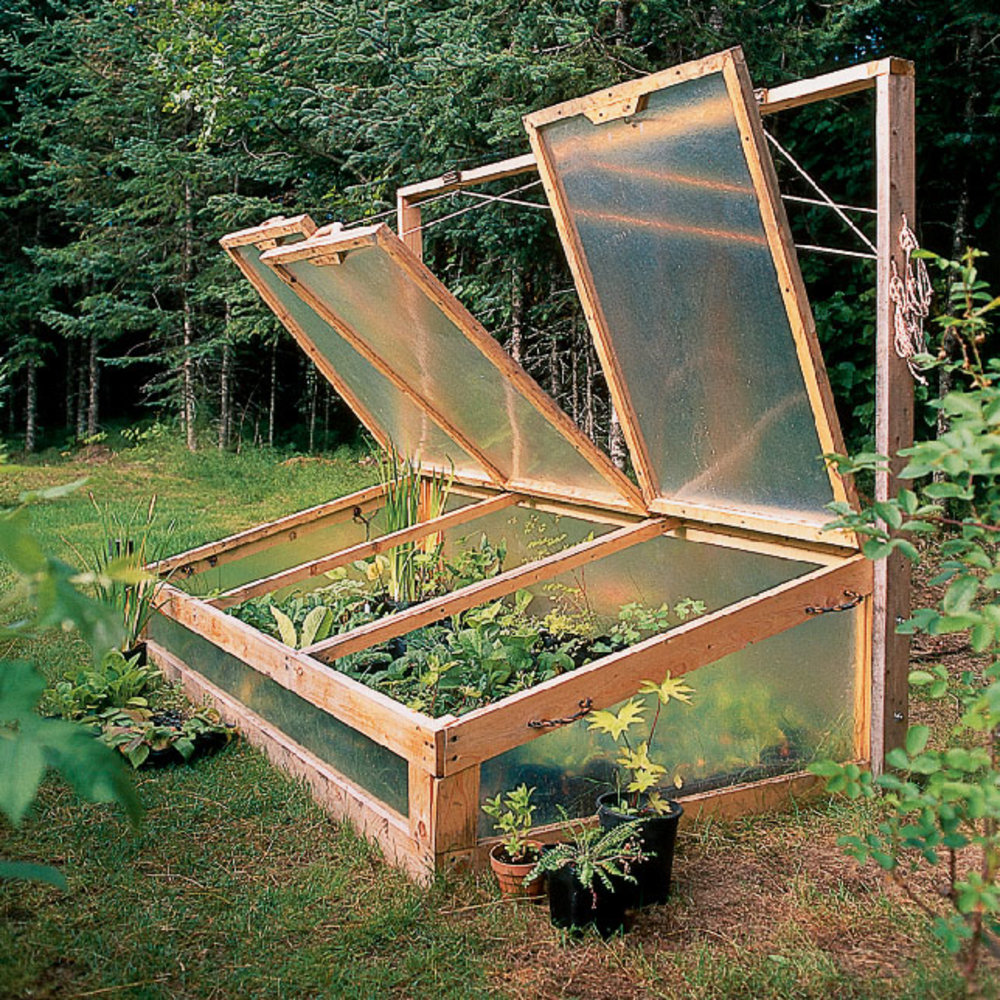
Image from www.sunset.com.
Using Cold Frames and Greenhouses
Cold frames and greenhouses are excellent tools for extending the growing season. These structures provide a controlled environment that protects your plants from frost and cold temperatures.
Cold frames are simple, low-cost structures that can be made from materials like wood and plastic. They work by trapping heat from the sun, creating a warm microclimate for your plants. Greenhouses, on the other hand, are larger and more permanent structures that provide even greater protection and can be used year-round.
Season Extension Techniques
In addition to using cold frames and greenhouses, there are several other season extension techniques you can use to protect your plants and extend your harvest:
- Row covers: Lightweight fabric covers that protect plants from frost and pests.
- Mulching: Applying a layer of mulch around your plants helps insulate the soil and retain heat.
- Cloche: Individual plant covers made from plastic or glass that create a mini-greenhouse effect.
- Hoop houses: Temporary structures – also known as low tunnels – made from plastic and hoops that provide protection from cold weather.
By using these techniques, you can extend your growing season and enjoy fresh produce for a longer period!
Besides that, planting cold-hardy crops like kale, spinach, and carrots can also help you extend your growing season. These crops can tolerate frost and continue to grow even in cooler temperatures.
Planting for Continuous Harvest
Planting for a continuous harvest involves staggering your plantings so that you always have something ready to harvest. This technique ensures a steady supply of fresh produce throughout the growing season.
To achieve a continuous harvest, plant crops in intervals of two to three weeks. For example, plant a row of lettuce every two weeks to ensure a constant supply of fresh greens. Similarly, you can plant radishes, carrots, and other fast-growing crops in succession to maintain a continuous harvest.
Maintaining and Caring for Small Garden Spaces
Maintaining and caring for small garden spaces is essential for ensuring healthy plants and a bountiful harvest. Regular maintenance tasks, such as watering, weeding, and pruning, help keep your garden in top condition.
Regular Maintenance Tips
Regular maintenance is key to a successful garden. Here are some tips to help you maintain your small garden space:
- Water consistently: Ensure your plants receive the right amount of water. Use drip irrigation or a soaker hose for efficient watering.
- Weed regularly: Remove weeds promptly to prevent them from competing with your plants for nutrients and water.
- Fertilize as needed: Use organic fertilizers to provide essential nutrients to your plants.
- Monitor for pests and diseases: Regularly inspect your plants and take action at the first sign of pests or diseases.
Maximizing Light Exposure
Light is a critical factor for plant growth. In small garden spaces, maximizing light exposure is essential for healthy plants and high yields.
To maximize light exposure, choose a location for your garden that receives at least six to eight hours of sunlight per day. If your garden is shaded, consider using reflective surfaces, such as white walls or aluminum foil, to increase light exposure.
Pruning and Deadheading for Better Growth
Pruning and deadheading are essential tasks for maintaining healthy plants and encouraging better growth. Pruning involves removing dead or overgrown branches to improve air circulation and light penetration. Deadheading involves removing spent flowers to encourage new blooms and prevent the plant from wasting energy on seed production.
Regularly prune and deadhead your plants to keep them healthy and productive. This practice also helps prevent diseases and improves the overall appearance of your garden.
Delighting in Your Small Garden Harvest
Enjoying your garden harvest is one of the most rewarding aspects of gardening! By following the tips and techniques outlined in this guide, you can maximize your small garden space and enjoy a bountiful harvest throughout the growing season. For those interested in preserving their harvest, explore these methods of food preservation for variety and longevity.
Remember, gardening is a journey, and each season brings new opportunities to learn and grow! Embrace the process and take pride in the fruits of your labor.

Reflecting on Seasonal Success
Reflecting on your seasonal success is an important part of the gardening process. Take note of what worked well and what didn’t, and use this information to improve your garden for the next season.
Keep a gardening journal to track your progress, record planting dates, and note any challenges or successes. This information will be invaluable for future planning and will help you become a more successful gardener.
Planning for Next Season
Planning for the next season is an exciting part of gardening! Use the knowledge and experience you’ve gained to plan your garden layout, choose new crops to try, and implement new techniques to improve your garden.
Consider rotating your crops to prevent soil-borne diseases and improve soil health. Plan your succession planting schedule and make a list of any supplies or tools you may need for the upcoming season.
Sharing Your Bounty
Sharing your bounty with friends, family, and neighbors is a wonderful way to spread the joy of gardening! Consider donating excess produce to local food banks or community organizations. Sharing your harvest not only helps others but also fosters a sense of community and connection.
Besides that, sharing your gardening knowledge and experiences with others can inspire them to start their own gardens. By encouraging others to grow their own food, you contribute to a more sustainable and healthy community.
“Gardening is a journey, and each season brings new opportunities to learn and grow. Embrace the process and take pride in the fruits of your labor.” – Gardening Enthusiast
Frequently Asked Questions:
Here are some frequently asked questions about maximizing seasonal crops in small garden spaces:
What are the best vegetables for small gardens?
The best vegetables for small gardens are those that are compact, fast-growing, and high-yielding. Some excellent choices include:
- Cherry tomatoes
- Bush beans
- Radishes
- Leaf lettuce
- Spinach
- Peppers
These vegetables take up less space and can be grown in containers or small garden beds.
How often should I water my small garden?
Watering frequency depends on the type of plants, soil, and weather conditions. Generally, most vegetables need about 1 inch of water per week. It’s best to water deeply and less frequently to encourage strong root growth.
Use a drip irrigation system or soaker hose to provide consistent moisture to your plants. Monitor the soil moisture regularly and adjust your watering schedule as needed.
Can I grow fruit trees in a small garden space?
Yes, you can grow fruit trees in a small garden space by choosing dwarf or semi-dwarf varieties. These trees are smaller in size but still produce a good amount of fruit. Some excellent choices for small gardens include:
- Dwarf apple trees
- Dwarf peach trees
- Dwarf cherry trees
- Dwarf citrus trees
These trees can be grown in containers or small garden beds and require less space than standard fruit trees.
Featured Image from primexgardencenter.com.

Related Posts
-
 Lasagna Gardening: A Backyard Guide for Beginners
- 5 Steps to a Successful Vertical Garden
- [Infographic] How to Make Your Own Potting Soil Mix for A Beautiful Container Garden
- The Future Of Urban Agriculture: Farming Trends & Innovations To Watch
- [Video] 5 Essential Greens for Year-Round Harvests
- [Video] How to Build A Beautiful Garden Arch for Climbing Vegetables


