Guide to Smart Plant Sensors for Urban Container Gardening

Take your container garden to the next level with smart plant sensors. Here’s how they work, how to use them, & some of the best choices to consider for all budgets…
Key Takeaways:
- Smart plant sensors monitor crucial growing conditions like soil moisture, light exposure, and temperature, helping urban gardeners make data-driven decisions.
- Container gardens especially benefit from sensor technology due to their unique challenges with limited soil volume and fluctuating urban microclimates.
- Even budget-friendly sensors under $30 can dramatically improve plant health and reduce water waste in urban settings.
- Integrating smart sensors with automated watering systems can reduce daily maintenance time by up to 70% while improving plant outcomes.
Urban container gardening just got a whole lot smarter. If you’ve ever returned home to find your precious balcony tomatoes wilted beyond recovery or your herbs crispy from neglect, smart plant sensors might be the game-changer you’ve been waiting for. These innovative devices are revolutionizing how city dwellers care for their container plants by eliminating guesswork and providing real-time data about what your plants actually need.
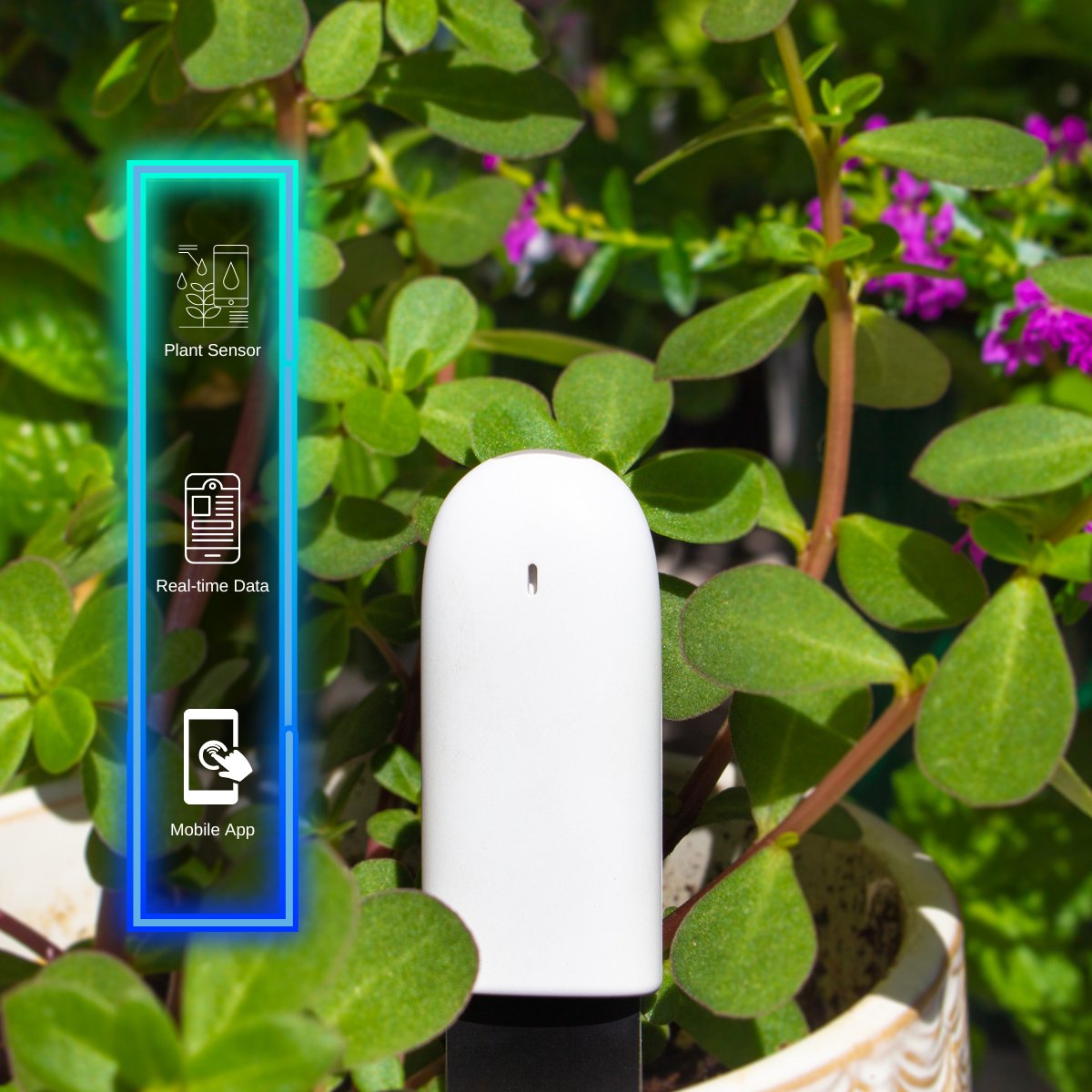
Image from theconnectedshop.com.
Technology has finally caught up with one of humanity’s oldest practices, and cutting-edge plant sensor systems are leading this green revolution in cities worldwide. By monitoring crucial variables like soil moisture, light exposure, temperature, and even nutrient levels, these small but mighty devices create a direct line of communication between you and your plants, allowing for precision care that was previously impossible without professional equipment.
For container gardeners dealing with limited soil volumes and challenging urban environments, this technology isn’t just convenient—it’s transformative! Let’s explore how these smart helpers can elevate your urban oasis and solve common container gardening challenges once and for all.
Smart Plant Sensors: The Secret Weapon for Thriving Container Gardens
Container gardening in urban environments presents unique challenges that traditional gardening wisdom doesn’t always address. Limited soil volume means faster drying and nutrient depletion, while buildings create unpredictable light patterns and microclimates that change throughout the day. Smart sensors tackle these urban-specific problems by providing continuous monitoring instead of periodic guesswork.
Unlike their rural counterparts, city gardeners face rapid environmental fluctuations that can stress plants within hours—like afternoon heat reflecting off buildings or sudden wind tunnels between structures. Smart sensors detect these changes as they happen, allowing for quick intervention before damage occurs. This real-time monitoring is particularly valuable for containers, where the margin for error is much smaller than in-ground gardens.
“The difference between a thriving container garden and a struggling one often comes down to consistent conditions. Smart sensors are like having a master gardener constantly watching over your plants, except they never sleep or take vacations.” — Urban Horticulture Journal, 2023
The most significant advantage for busy urbanites is the freedom these devices provide. No more canceling social plans to rush home and water plants during a heatwave—your sensor network can alert you precisely when intervention is needed, freeing you from the constant worry that plagues many container gardeners. This peace of mind alone makes smart sensors worth considering, even before accounting for their water conservation and plant health benefits.
5 Types of Smart Sensors That Will Transform Your Container Garden
Not all smart sensors are created equal, and urban container and balcony gardens have specific needs that certain sensors address better than others. Understanding the different types available helps you build a monitoring system tailored to your unique urban growing environment.
1. Soil Moisture Sensors: Never Over or Underwater Again
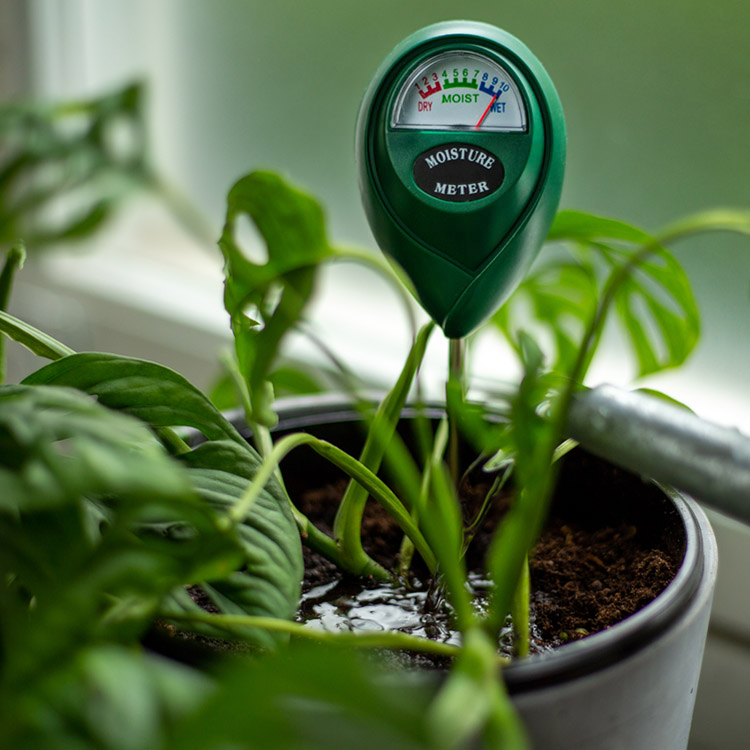
Image from www.smartasaker.com.
Soil moisture sensors are the foundation of any smart garden system and typically the first sensor urban gardeners should invest in. These devices measure the water content in your container soil, providing precise readings that eliminate the “finger test” guesswork. Most soil moisture sensors use electrical conductivity or frequency domain reflectometry to measure available water in the root zone, giving readings in either percentage of saturation or on a relative scale.
In container gardens, where overwatering can be just as damaging as underwatering, these sensors help establish the perfect balance. Premium models like the Ecowitt WH51 can distinguish between surface moisture and deeper root zone conditions, which is crucial for larger containers where the top might appear dry while the bottom remains waterlogged. For urban gardeners managing multiple containers with different plant types, these sensors can be calibrated to account for varying water needs, saving both water and plants.
2. Light Meters: Find the Perfect Spot for Each Plant
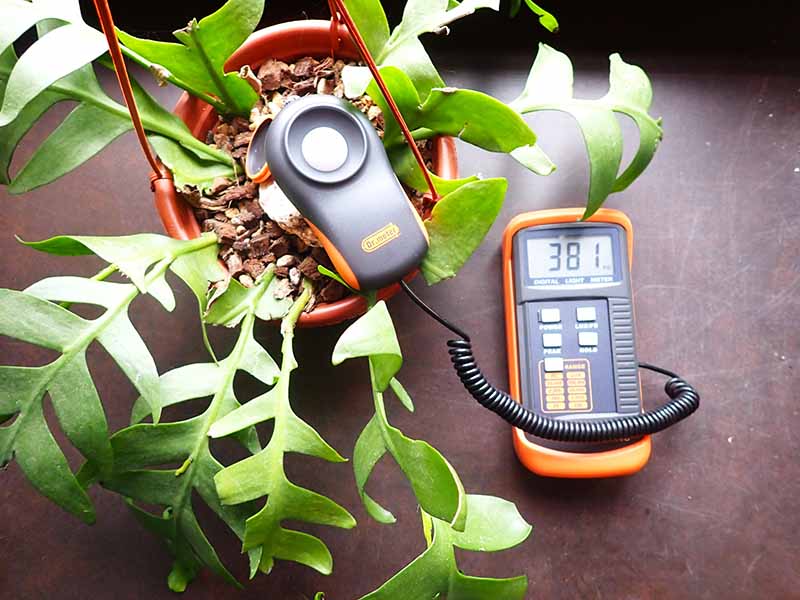
Image from gardenerspath.com.
Urban environments create complex light patterns as sunlight reflects off buildings and passes through gaps between structures. Smart light sensors measure both light intensity (in lux or PPFD) and duration, helping you map the actual growing conditions in different spots on your balcony, rooftop, or windowsill. This data transforms how you place plants, ensuring that high-light vegetables aren’t languishing in unexpected shade pockets and that shade-loving plants aren’t getting scorched.
Advanced light sensors like the Apogee MQ-500 can distinguish between different light wavelengths, measuring the specific light spectrum that plants use for photosynthesis rather than just brightness. This feature is particularly valuable for urban gardeners trying to grow fruiting plants like tomatoes or peppers, which have specific light quality requirements that can be difficult to assess by eye. By tracking daily light patterns over time, these sensors help you optimize plant placement and determine when supplemental grow lights might be beneficial during shorter winter days.
3. Temperature and Humidity Monitors: Create Ideal Microclimates

Image from www.amazon.com.
Urban microclimates can vary dramatically even within a single balcony or rooftop garden. Temperature sensors reveal these variations, showing which containers might be subjected to excessive heat from reflective surfaces or cold drafts from building air conditioning units. Most temperature monitors include humidity sensing as well, which is crucial for preventing fungal issues and optimizing transpiration rates in the typically drier air of urban environments.
4. Nutrient Analyzers: Feed Your Plants Exactly What They Need

Image from www.amazon.com.
Container soil nutrients deplete much faster than garden beds, making accurate nutrient monitoring crucial for urban gardeners. Modern nutrient sensors measure electrical conductivity (EC) and pH levels in your soil to provide insight into available nutrients and potential imbalances. Unlike traditional soil testing kits that provide one-time snapshots, smart nutrient sensors track changes over time, revealing how quickly your containers are using different nutrients and when replenishment is needed.
For urban gardeners growing edibles, these sensors can dramatically improve both yield and flavor by preventing the feast-or-famine fertilizing cycle that often happens with containers. Sensors like the Ciztada Smart Soil Meter provide continuous EC monitoring that helps maintain the perfect nutrient balance throughout your plants’ growth stages. When paired with a good understanding of your specific plants’ needs, these devices eliminate wasteful over-fertilization while preventing the nutrient deficiencies that commonly plague container gardens.
5. All-in-One Smart Devices: Complete Plant Monitoring Systems

Image from www.amazon.com.
For those seeking comprehensive monitoring without managing multiple devices, all-in-one plant sensors combine moisture, light, temperature, and sometimes nutrient sensing into a single elegant device. These integrated systems like the IRTOV Smart 4-in-1 provide synchronized data across all parameters, making it easier to see how different environmental factors interact in your container garden. While typically more expensive than individual sensors, these complete systems offer streamlined setup and unified data management that many urban gardeners find worth the investment.
The real power of all-in-one systems comes from their ability to identify complex plant stress factors that might be missed when looking at individual measurements separately. For instance, they can help determine if wilting is caused by heat stress rather than insufficient water, or if slow growth is due to nutrient deficiency rather than inadequate light. For busy urbanites managing multiple containers with diverse plant types, these comprehensive systems provide a quick overview of garden health with minimal setup time and technical knowledge required.
How Smart Sensors Solve Common Urban Container Gardening Problems
The unique challenges of urban container gardening require specialized solutions that smart sensors are uniquely positioned to provide. Let’s examine how these devices address the most common pain points for city gardeners.
Defeating Drought Stress in Limited Soil Volumes
Container plants can go from perfectly watered to critically dry in a matter of hours during hot summer days, especially in the heat-island effect common in urban areas. Smart moisture sensors combat this vulnerability by alerting you before soil reaches dangerously dry levels—often before plants show any visible signs of stress. Models like the ECOWITT WH51 can be set to trigger notifications when moisture drops below plant-specific thresholds, giving you time to water before any damage occurs.
For urban gardeners who travel frequently, this early warning system can be connected to automated irrigation systems that respond to actual soil conditions rather than timers. This responsive approach not only protects plants during unexpected heat waves but also prevents overwatering during rainy periods, addressing the number one killer of container plants: inconsistent watering. For more efficient watering solutions, consider exploring the best drip irrigation kits for container gardens.
Navigating Tricky Light Conditions Between Buildings
Urban gardens often deal with complex light patterns as sunlight navigates between buildings, creating a patchwork of sun and shade that changes throughout the day and seasons. Smart light sensors like the Apogee MQ-500 quantify these patterns by measuring both the intensity and duration of light reaching different areas of your garden. By collecting this data over time, you can create detailed light maps of your space, revealing which spots truly receive “full sun” (6+ hours) versus those that only get brief periods of direct light.
This objective measurement is invaluable for urban gardeners who often struggle to interpret traditional plant light requirements in their unique settings. The data lets you match plants precisely to available light conditions rather than relying on general guidelines developed for open garden settings. For many city gardeners, light mapping reveals surprising insights—like north-facing balconies that receive excellent morning light reflected from glass buildings opposite, or seemingly sunny spots that actually get less than 4 hours of usable growing light.
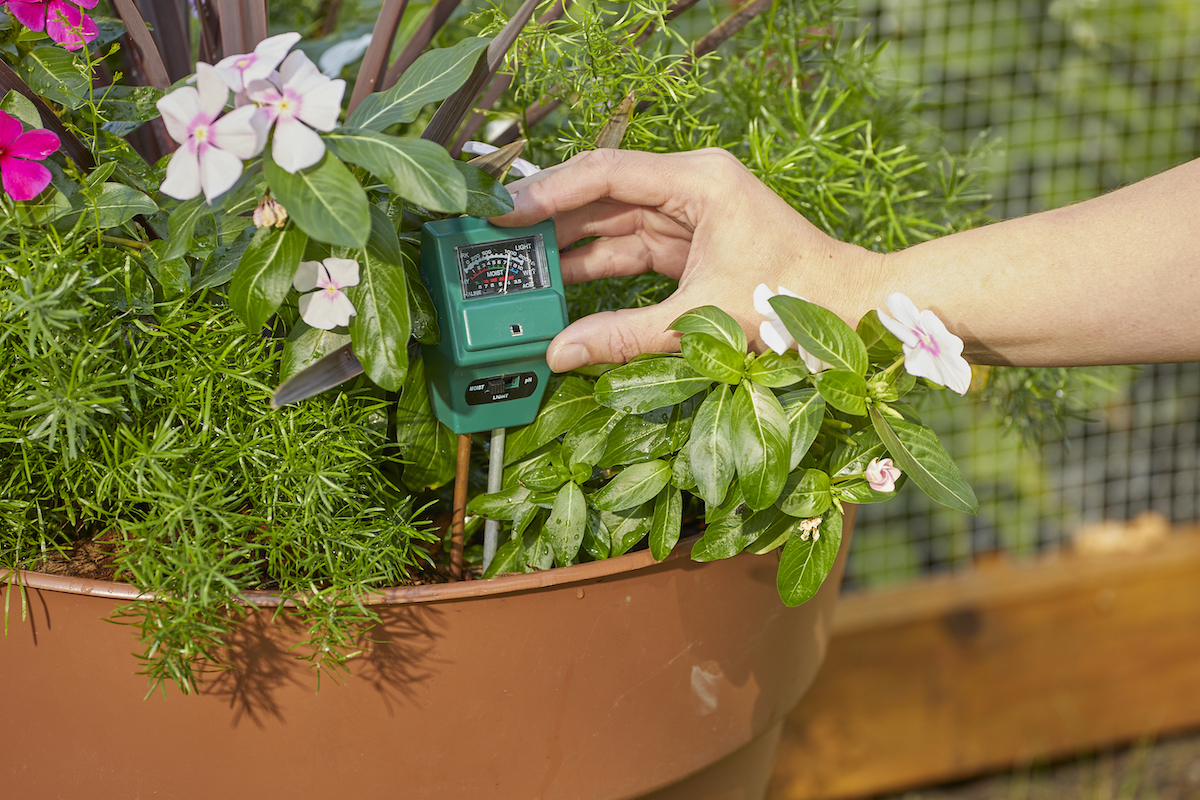
Image from www.bobvila.com.
Managing Temperature Extremes on Balconies and Rooftops
Exposed urban growing spaces like balconies and rooftops can experience temperature swings far more extreme than ground-level gardens. Smart temperature sensors track these fluctuations, revealing exactly when containers hit dangerous highs or lows that could damage plants. This data helps you develop targeted strategies for temperature management, such as temporary shading during peak heat hours or moving sensitive containers during cold snaps.
Temperature data becomes especially valuable when combined with moisture readings, as it helps explain evaporation rates and watering needs during different weather conditions. Many urban gardeners discover that their containers need twice-daily watering during certain summer weeks but can go several days without water during others—insights that wouldn’t be obvious without the concrete data provided by smart monitoring.
Preventing Nutrient Depletion in Container Soils
Container soil can go from nutrient-rich to depleted much faster than garden soil, particularly when growing heavy feeders like tomatoes or peppers. Smart nutrient sensors monitor this depletion in real-time, alerting you when electrical conductivity (EC) readings drop below optimal levels for your specific plants. This advance notice lets you supplement nutrients before plants show stress symptoms like yellowing leaves or reduced fruiting.
For organic gardeners, these sensors are particularly helpful in managing slow-release fertilizers, which can be difficult to time correctly in container settings. By tracking nutrient availability curves, you can determine exactly when your organic amendments are depleted and need replenishment, maintaining steady nutrition rather than the boom-and-bust cycle that often happens with container growing.
Top Smart Plant Sensors Worth Your Money in 2025
Budget-Friendly Options Under $30

Image of Sonkir Soil Tester from www.sonkir-mall.com.
You don’t need to spend a fortune to start smart gardening. Several reliable sensors offer excellent functionality without breaking the bank. The ECOWITT WH51 soil moisture sensor ($25) provides accurate readings with smartphone connectivity at a fraction of the cost of premium systems (you will need to pair it with an ECOWITT Gateway for full functionality). The Sonkir Soil pH Meter 3-in-1 ($15) combines basic moisture, light, and pH testing in a simple probe that doesn’t require batteries or WiFi, making it perfect for gardeners just starting with sensor technology.
Mid-Range Sensors with Advanced Features

Image of Govee Hygrometer Thermometer H5075 from www.amazon.com.
Stepping up in price delivers significant improvements in accuracy, durability, and connectivity. The PlantLink Soil Moisture System ($39) offers superb accuracy and plant-specific moisture thresholds for over 50,000 plant varieties. The GAIN 8-in-1 Soil Meter ($49) combines soil moisture, temperature, humidity, and light sensing in one system with an easy-to-use app interface. These mid-range options typically include longer battery life and more robust construction that can withstand outdoor urban conditions year-round.
What sets mid-range sensors apart is their ability to store historical data and identify patterns over time. This feature helps urban gardeners understand their microclimate’s unique characteristics and develop more effective long-term care strategies. The Govee WiFi Thermometer Hygrometer ($35) exemplifies this with its ability to track temperature and humidity trends over months, revealing seasonal patterns that might otherwise go unnoticed in variable urban environments.
Premium Smart Systems for Serious Urban Gardeners
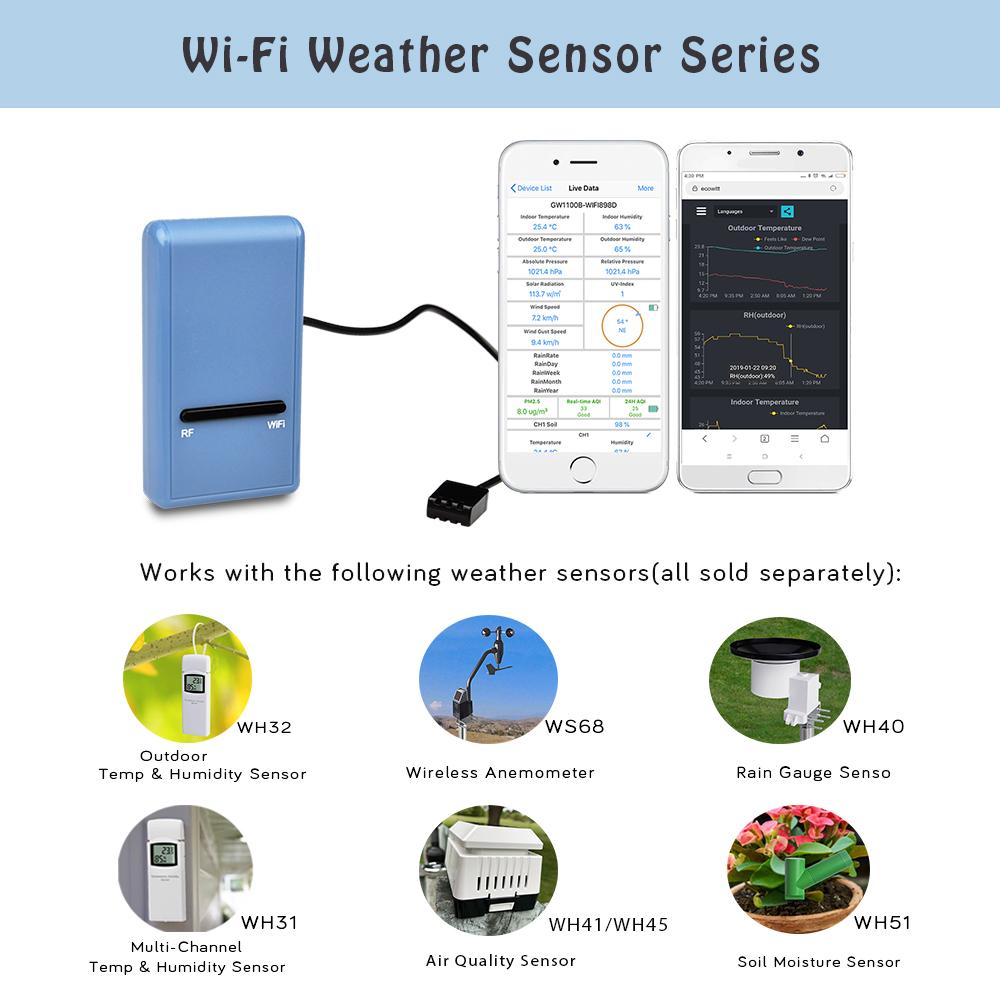
Image of GW1100 Wi-Fi Gateway from shop.ecowitt.com.
For those with extensive container collections or rare specimens, premium systems offer unmatched precision and integration capabilities. The ECOWITT GW1100 Professional Weather Station ($189) provides research-grade accuracy across all environmental parameters with extensive data logging and analysis tools. For serious food producers, the Gardyn Home Kit ($899) combines comprehensive sensing with automated care systems, creating a nearly self-sufficient growing environment ideal for urban food production.
The defining feature of premium systems is their integration potential. These high-end sensors can typically connect with irrigation controllers, climate control systems, and even robotic assistants to create a semi-automated growing environment. For urban gardeners with demanding professional schedules, this level of automation can mean the difference between a flourishing garden and one that struggles during inevitable periods of neglect.
Setting Up Your Smart Sensor Network: A Step-by-Step Guide
1. Mapping Your Container Garden Zones
Before purchasing sensors, divide your urban growing space into zones based on apparent environmental differences. A typical balcony might have a sunny south corner, a shaded north corner, and transitional areas between them. Each distinct zone will need at least one sensor to monitor its unique conditions. Draw a simple map identifying these zones, noting which plants are currently thriving or struggling in each area.
This mapping exercise helps prioritize which sensors to purchase first and where to place them for maximum impact. For instance, if you notice plants in one corner consistently wilting despite regular watering, that zone might need immediate moisture and temperature monitoring to identify the cause. Your map becomes the blueprint for your sensor network, ensuring you address actual problems rather than making assumptions about your garden’s needs.
2. Proper Sensor Placement Techniques
The effectiveness of any sensor depends on proper placement within your containers. For soil moisture sensors, insert probes at the edge of the root ball (not directly against roots) at a depth of about 2-3 inches for most container plants. Position light sensors at plant height, not above containers, to measure the actual light plants receive rather than ambient conditions. Temperature sensors should be shielded from direct sunlight using a small radiation shield to prevent false high readings.
For containers with multiple plants, position sensors near average-sized plants rather than outliers. Rotate sensors periodically between similar containers to verify readings and identify any containers that might have unusual conditions requiring special attention. Label each sensor clearly with waterproof markers or tags to maintain organization as your network grows.
3. Connecting to Your Smartphone or Home Network
Most modern plant sensors connect to smartphones via Bluetooth or WiFi, requiring an initial setup process. Follow manufacturer instructions carefully during this crucial phase, as connection problems are the most common reason for sensor abandonment. For WiFi-based sensors, position your router centrally or consider a WiFi extender to ensure reliable connectivity throughout your garden area.

Image from www.amazon.com.
Test network strength in different parts of your garden before finalizing sensor placement, as building materials and distance can create surprising dead zones. For balconies or rooftops far from your home router, consider Bluetooth-based sensors that connect when you’re within range, or gateway systems that create a secondary network specifically for your garden devices. The ECOWITT GW1100 offers excellent connectivity options for challenging urban environments where WiFi might be inconsistent.
4. Creating Custom Alerts and Notifications
The true power of smart sensors emerges when you customize alert thresholds for your specific plants and containers. Most sensor apps allow you to set high and low boundaries for each measured parameter, triggering notifications when conditions exceed these limits. Take time to research ideal ranges for your specific plants rather than using generic settings. Tomatoes, for instance, prefer soil that dries slightly between waterings, while leafy greens need consistently moist conditions.
Consider time-based alerts as well—a moisture level that’s acceptable during cool morning hours might become dangerously low during afternoon heat. Advanced systems like the Gardyn Home Kit allow for time-sensitive thresholds that change throughout the day to match natural rhythms. For busy urbanites, prioritize critical alerts (severe drought, freezing temperatures) to prevent alert fatigue from too many notifications.
5. Weatherproofing Your Outdoor Sensors
Urban outdoor environments can be particularly harsh on electronic equipment. Position outdoor sensors where they’re protected from direct rain while still accurately measuring conditions. For permanent installations, apply dielectric grease to electrical connections and ensure battery compartments have intact rubber seals. Consider seasonal maintenance schedules to clean, inspect, and re-seal sensors exposed to the elements.
For balcony or rooftop gardens in extreme climates, create simple protection shields using upcycled containers or purpose-built sensor shields. These shields protect electronics while allowing accurate environmental monitoring. Some gardeners develop seasonal sensor strategies, using comprehensive outdoor networks during growing seasons and scaling back to minimal monitoring during winter months to extend sensor life and preserve battery power.
Reading and Using Sensor Data to Improve Your Garden
Understanding Moisture Readings and Watering Thresholds
Moisture sensor readings require interpretation based on your specific containers, soil mix, and plant types. Most sensors provide either percentage readings (0-100% saturation) or relative scales (1-10). The ideal range varies dramatically by plant—succulents might thrive at 10-20% moisture, while water-loving plants prefer 50-60%. Track plant performance at different moisture levels to determine optimal ranges for your specific varieties and growing conditions.
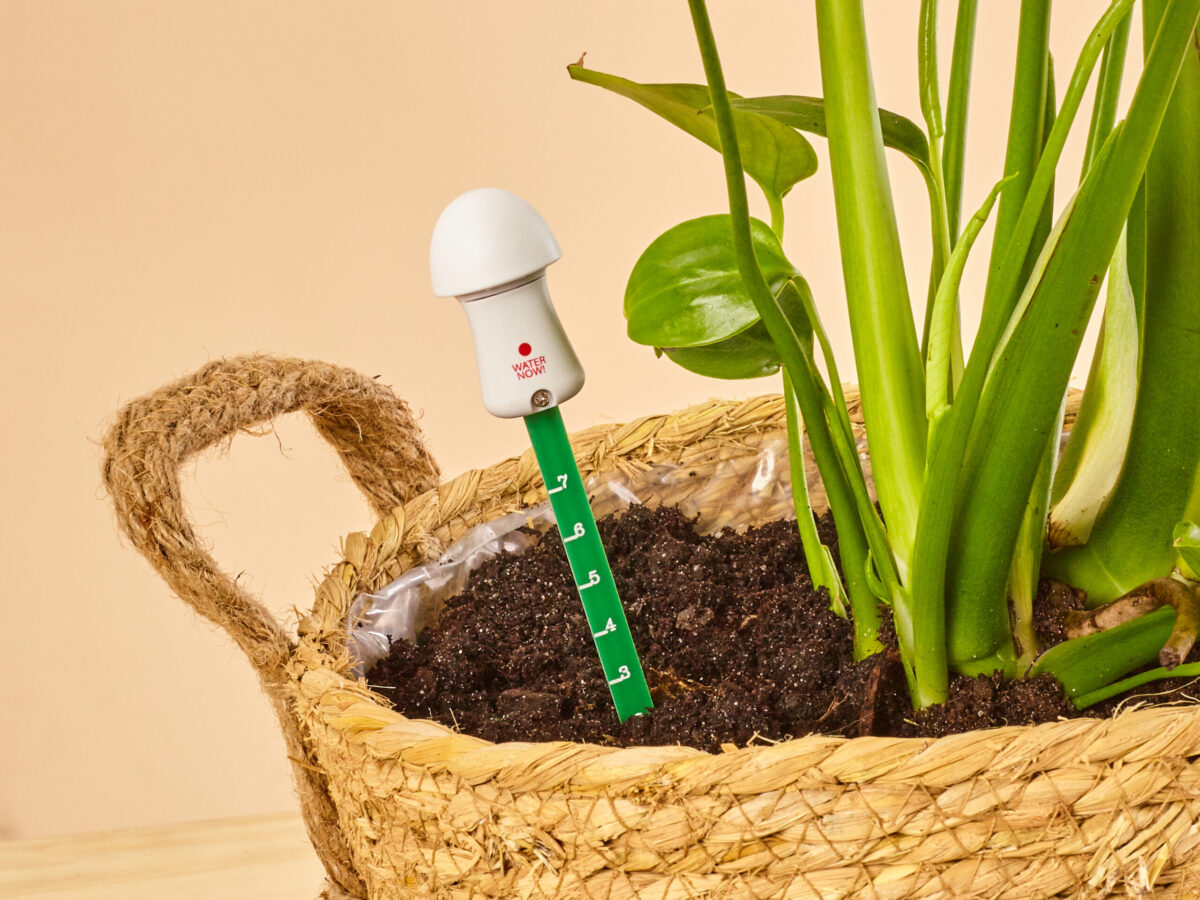
Image from www.plantcaretools.com.
Pay special attention to how quickly moisture levels change in your containers. Rapid drops indicate potential issues like excessive heat, inadequate soil volume, or root binding that restricts water absorption. Many urban gardeners discover that their containers dry out unevenly, with soil pulling away from container edges first and creating deceptive readings. Use this information to adjust your container setup, perhaps adding water-retaining polymers or switching to self-watering containers in problematic locations.
Interpreting Light Measurements Throughout the Day
Light sensors typically measure intensity in lux, foot-candles, or PPFD (Photosynthetic Photon Flux Density). For urban gardens, the pattern of light throughout the day matters as much as the total amount. Use your sensor data to create light maps showing which areas receive morning, afternoon, or all-day sun. This mapping helps match plants to ideal locations—morning sun spots are perfect for leafy greens, while areas with intense afternoon light suit heat-loving crops like peppers and eggplants.
Track seasonal light changes carefully, as urban environments can experience dramatic shifts as the sun angle changes. Many container gardeners are surprised to discover that their “full sun” summer balcony becomes a “partial shade” location by mid-autumn. These insights allow for strategic container rotation and seasonal replanting to maximize productivity year-round, a crucial strategy for space-limited urban gardens.
Using Temperature Data to Protect Plants from Extremes
Temperature data reveals microclimates within your urban garden that can be leveraged for extending growing seasons and protecting sensitive plants. Track both absolute temperatures and rate of change—rapid temperature swings often stress plants more than steady conditions, even at the same average temperature. Identify heat traps near walls and cool spots created by building shadows to create a temperature map of your growing space.
This microclimate knowledge allows for strategic container placement that extends your growing season. Early spring seedlings can be positioned in warm microclimates to get a jump start, while heat-sensitive summer crops can be moved to cooler spots during heatwaves. Some urban gardeners create movable container systems specifically to take advantage of these microclimate variations, effectively gaining weeks or even months of productive growing time compared to static arrangements.
Weekly Maintenance Based on Collected Data
Transform your sensor data into a weekly maintenance routine that addresses actual plant needs rather than following generic schedules. Review collected data every weekend to identify patterns and potential issues before they become critical. Look for containers consistently running dry mid-week, spots experiencing temperature extremes, or areas with declining light levels as seasons change. This regular review helps you stay ahead of problems rather than reacting to plant stress.
Seasonal Adjustments Using Historical Sensor Information
The true power of smart sensors emerges when you accumulate months of historical data showing how your urban garden changes through seasons! Use winter downtime to analyze past growing season data, identifying which locations performed best for different plant types throughout the year. This analysis helps you plan container placement, varieties, and care routines for the coming season based on actual environmental conditions rather than general gardening advice that might not apply to your unique urban situation.
Real Success Stories: Urban Gardeners Who Transformed Their Harvests
Marina K., a software developer living in Chicago, struggled for years with her north-facing balcony garden until investing in a comprehensive sensor network. “I discovered my ‘impossible’ balcony actually receives 5 hours of reflected light from the glass building across the street—enough for many vegetables if I positioned them correctly,” she explains. By mapping her light patterns precisely, Marina transformed her previously struggling space into a productive urban farm producing over 30 pounds of tomatoes and peppers annually.
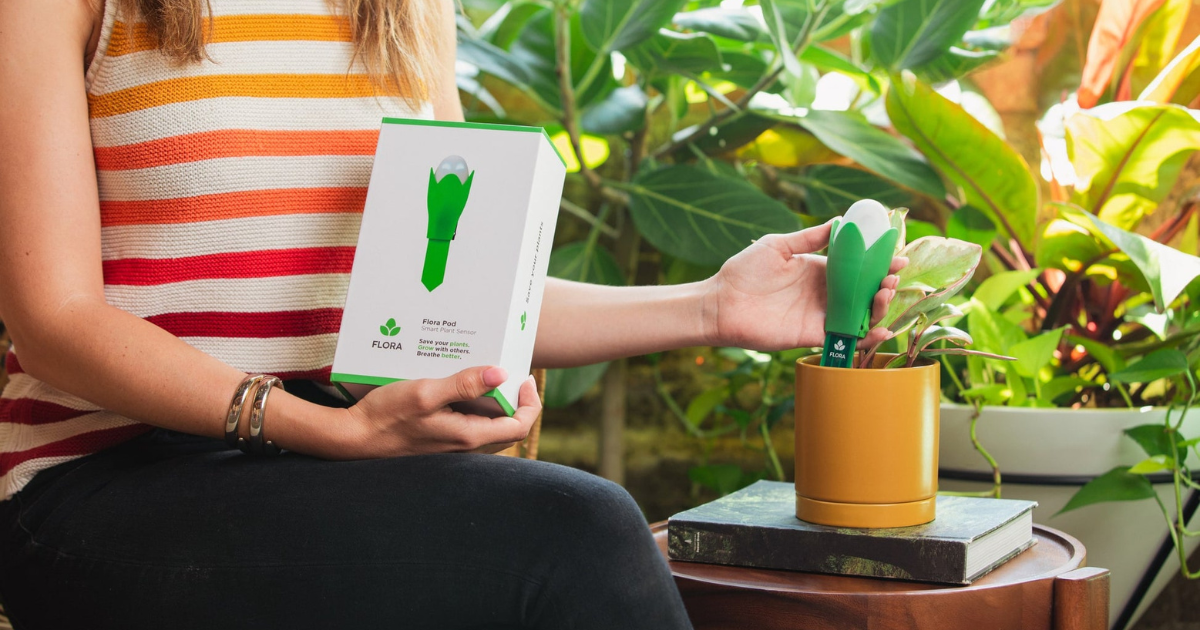
Image from florasense.com.
Michael T., a retired teacher in Barcelona, solved persistent moisture problems in his rooftop container garden using a network of soil sensors. “I was shocked to discover my seemingly identical containers varied dramatically in how quickly they dried out. Some needed daily watering while others were fine for three days, even side by side.” This insight allowed him to group containers by water needs and develop an efficient watering schedule that cut his water usage by 40% while improving plant health. For those interested in optimizing their own container gardens, consider exploring drip irrigation kits to further enhance water efficiency.
Sarah L., an apartment dweller in Seattle, used temperature and humidity sensors to create perfect conditions for growing culinary herbs year-round. “My kitchen window has dramatic temperature swings I never noticed until the sensors showed me. By adding thermal mass (water bottles) behind my herb containers and adjusting their position seasonally, I’ve maintained ideal growing conditions regardless of outdoor weather.” Her data-driven approach has eliminated the need to purchase herbs from stores, saving over $300 annually while providing fresher flavors!
- Marina K. (Chicago): Used light mapping to increase vegetable yield 300% on north-facing balcony
- Michael T. (Barcelona): Reduced water usage 40% while improving plant health with moisture sensors
- Sarah L. (Seattle): Created year-round herb garden saving $300+ annually using temperature optimization
- James B. (London): Transformed failed container garden into neighborhood showcase using comprehensive sensor network
- Aisha M. (Dubai): Overcame extreme heat challenges using sensor-driven automated misting system
These success stories share a common thread: each gardener used sensor data to discover the unique characteristics of their urban growing environment rather than fighting against them. By adapting their gardening practices to their actual conditions rather than theoretical ideals, they achieved results that previously seemed impossible in their limited spaces.
Expand Your Smart Garden: Compatible Automated Systems
- WiFi-enabled irrigation controllers that respond to soil moisture readings
- Automated shade cloth systems triggered by light and temperature thresholds
- Smart nutrient dispensers that adjust feeding based on soil EC readings
- Ventilation fans that activate at specific humidity or temperature points
- LED grow light systems that supplement natural light when sensors detect inadequate levels
The natural evolution of smart sensing is smart responding—automated systems that take action based on sensor readings without your intervention. These systems create a semi-autonomous garden that can maintain itself during busy periods or travel. The key to successful automation is starting with good sensor data to ensure automated responses address actual plant needs rather than following arbitrary schedules.
Many urban gardeners begin with simple automated watering systems linked to soil moisture sensors. These systems can be as basic as a WiFi-enabled valve that opens when moisture drops below set thresholds or as sophisticated as drip irrigation with zone-specific watering based on individual container needs. The Orbit B-hyve Smart Hose Faucet Timer ($40) offers an excellent entry point for automation, compatible with most moisture sensor systems.
As your confidence and budget grow, you can add layers of automation addressing different environmental factors. Each addition reduces daily maintenance requirements while improving plant care precision, creating a garden that thrives despite the irregular attention typical of busy urban lifestyles.
Self-Watering Systems That Work With Your Sensors
Self-watering systems paired with moisture sensors create a responsive irrigation approach that adapts to actual plant needs and weather conditions. Simple systems like the Rainpoint WiFi Irrigation Controller ($50) can connect with most moisture sensors to water only when needed rather than on a fixed schedule. More advanced options like the RainBird ARC8 Smart Irrigation Controller ($125) can manage multiple zones with different thresholds, perfect for balconies or rooftops with varied plant types.
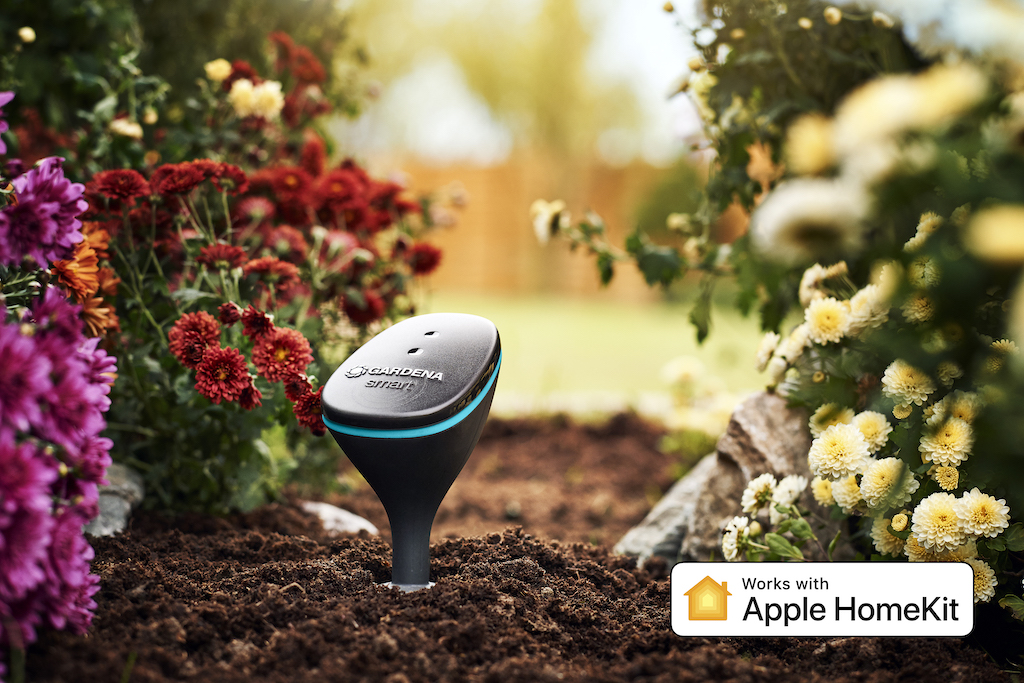
Image of Gardena Smart Irrigation System from www.iclarified.com.
Smart Shade Solutions That Respond to Light Readings
Automated shade systems protect sensitive plants during intense afternoon sun while maximizing light during milder periods. The Rollertrol Smart Shade Controller ($120) can be programmed to deploy shade cloths when light or temperature sensors detect conditions exceeding plant thresholds. For container gardeners with south or west exposures, these systems prevent the afternoon scorching that commonly damages plants in urban settings.
- Motorized roller blinds that deploy based on light intensity measurements
- Retractable awnings linked to temperature and light sensors
- Automated plant shelves that move containers between exposed and protected positions
- Smart glass or film that adjusts transparency based on light conditions
- Temporary shade structures that deploy only during peak heat hours
The most sophisticated urban gardens integrate shade automation with plant tracking, moving containers on motorized platforms to optimize light exposure throughout the day. While such systems can represent a significant investment, they can dramatically increase productivity in challenging urban environments by creating near-perfect growing conditions despite space limitations.
For most urban gardeners, a mixture of automated and manual solutions works best, with critical functions like watering handled automatically while seasonal adjustments remain manual. This hybrid approach balances convenience with the hands-on connection many gardeners value as part of their hobby.
Fertilizer Delivery Systems for Container Gardens
Nutrient management in containers presents unique challenges that smart systems can address through precision delivery. The NewTry Automatic Fertilizer Injector ($120) connects to irrigation lines to dispense liquid nutrients in precise amounts based on schedules or sensor readings. For hydroponic urban gardens, the Growlink Controller ($699) offers comprehensive nutrient monitoring and automated dosing that maintains perfect EC and pH levels despite the rapid fluctuations common in small-volume systems.
These automated nutrient systems are particularly valuable for busy professionals who might otherwise struggle with consistent fertilization schedules. By maintaining steady nutrition levels rather than the feast-or-famine cycle common in manual container fertilizing, these systems promote even growth and maximum productivity from limited urban growing space. For more insights on how technology is enhancing plant care, check out this article on tech-driven gardening.
Growing Smarter: Future-Proof Your Urban Garden
The field of garden sensing and automation continues to evolve rapidly, with new technologies emerging annually. When investing in smart garden technology, look for systems with open APIs and cross-platform compatibility rather than closed ecosystems. This approach ensures your equipment remains useful as technologies advance and allows you to mix components from different manufacturers to create a customized system perfect for your specific urban growing challenges.
Consider starting with a core system from established manufacturers like ECOWITT or Gardena that offer ongoing software updates and expanding product lines. These systems typically allow gradual expansion, letting you add components as your needs evolve and budget allows. The goal isn’t to create the most high-tech garden possible, but rather to develop a practical system that solves your specific urban gardening challenges while enhancing the joy and productivity of your growing space! With thoughtful implementation, smart plant sensors transform urban container gardening from a challenging hobby into a reliable source of beauty, food, and connection to nature despite space limitations.
Frequently Asked Questions
Urban gardeners new to smart sensor technology often have concerns about implementation complexity and return on investment. These frequently asked questions address common hesitations and provide practical guidance for getting started with garden monitoring technology.
Remember that starting simple is often the best approach—a single well-placed moisture sensor can provide immediate benefits while you learn to interpret and apply the data it generates. As your confidence grows, you can expand your sensor network to address more complex aspects of container gardening.
How accurate are smart plant sensors compared to professional equipment?
Consumer-grade smart sensors typically achieve 85-95% of the accuracy of professional equipment at a fraction of the cost. This accuracy level is more than sufficient for practical gardening applications, where trends and relative changes matter more than absolute precision. Mid-range sensors like the ECOWITT WH51 or Gardena Smart Sensor approach professional accuracy in moisture readings, while budget options may have slightly wider margins of error but still provide valuable guidance.
The key difference between consumer and professional sensors lies not in single-point accuracy but in calibration stability over time. Professional equipment maintains precise calibration longer and often includes self-checking features. For urban gardeners, this difference can be addressed through simple periodic verification—checking moisture readings against manual inspection or comparing light readings against published data for your location.
- Budget sensors ($15-30): Typically ±10-15% accuracy, sufficient for trend monitoring
- Mid-range sensors ($40-100): Usually ±5-10% accuracy, suitable for most gardening applications
- Premium sensors ($100+): Often ±2-5% accuracy, approaching professional equipment quality
- Professional equipment ($500+): ±1-2% accuracy with calibration certificates and stability guarantees
For most urban container gardeners, mid-range sensors provide the best balance of accuracy and affordability, delivering actionable insights without unnecessary precision that doesn’t translate to better gardening outcomes.
Can smart sensors work in both indoor and outdoor container gardens?
Most smart sensors function in both indoor and outdoor environments, though they may require different configuration and placement. Indoor sensors generally need less weather protection but must account for artificial lighting and HVAC effects on plant environments. Outdoor sensors require greater durability and weather resistance but benefit from stronger natural signals for measurement.
When using the same sensors across indoor and outdoor environments, be aware that calibration may need adjustment. For example, light sensors calibrated for indirect indoor lighting might become saturated in direct sunlight, requiring range adjustment. Similarly, moisture sensors might need different threshold settings for indoor containers that experience less evaporation than exposed outdoor ones. The best systems allow you to create separate profiles for indoor and outdoor applications, recognizing the different dynamics at play in each environment.
How long do batteries typically last in wireless plant sensors?
Battery life in wireless plant sensors varies dramatically depending on sensor type, transmission frequency, and environmental conditions. Basic moisture sensors with low transmission frequency (reporting every few hours) typically achieve 6-12 months on standard AA or AAA batteries. More complex multi-parameter sensors or those reporting frequently (every 15-30 minutes) might require battery replacement every 2-4 months, especially in cold conditions that reduce battery efficiency.
To maximize battery life, adjust transmission frequency to the minimum needed for your specific plants—succulents might need checking only daily, while thirsty vegetables may benefit from hourly monitoring. Some systems offer power-saving modes that reduce checking frequency during nighttime or stable weather conditions. For sensors in difficult-to-access locations, consider models with replaceable batteries rather than sealed units, or explore solar-powered options like the ECOWITT WH51S that eliminate battery concerns in adequately lit locations.
Do I need a separate sensor for each container or plant?
While individual monitoring provides the most precise data, most urban gardeners can effectively monitor their container gardens with strategic sensor placement rather than individual sensors for each plant. Group containers with similar plants, pot sizes, and exposures, using one sensor to represent each group. For a typical balcony garden, 3-5 strategically placed sensors can effectively monitor dozens of containers when grouped thoughtfully by water needs and environmental conditions.
Are smart plant sensors worth the investment for beginners?
Smart sensors often provide even greater benefits for beginners than experienced gardeners by accelerating the learning process and preventing discouraging failures. New gardeners typically struggle most with basic care parameters—knowing when to water, understanding light requirements, and recognizing environmental stress. Smart sensors provide objective data in these crucial areas, shortening the learning curve dramatically and preventing the plant losses that can commonly discourage beginners.
For new urban gardeners, start with a basic moisture sensor focused on your most important or challenging plants. This single investment can prevent overwatering (the most common cause of container plant failure) while building your understanding of how different plants and containers behave in your specific environment. As your skills and garden grow, expand your sensor network to address more subtle aspects of plant care, creating a learning progression that builds confidence alongside your expanding garden.
Smart plant sensors have transformed urban container gardening from an unpredictable challenge into a data-driven success story for countless city dwellers. By providing precise information about what your plants actually experience in their unique urban environment, these devices eliminate guesswork and build confidence even in challenging growing conditions. Whether you’re nurturing a few precious herbs or managing an extensive rooftop food garden, the insights provided by modern sensor technology can dramatically improve outcomes while reducing resource use and daily maintenance requirements.
Featured Image from www.kickstarter.com.

Related Posts
-
 Organic Pest & Disease Control for Urban Gardens: Eco-Friendly Tips & Management Strategies
- 3 Tips for Setting Up a Straw Bale Garden
- [Infographic] A Visual Guide To Aquaponic Systems
- [Video] Which Fertilizers Are Best for Indoor Herb Gardening?
- Indoor Garden Recipe: Sprout Salad
- Hydroponic Gardening: The Benefits of Soil-Less Growing


