Harvest Guide: Best Techniques & Tips for Preserving Asparagus

Enjoy the bounty of this delicious spring vegetable for longer with these tips & methods for preserving asparagus for later use…
Key Takeaways:
- Harvest asparagus when spears are 6-8 inches tall for optimal taste and texture.
- Blanching before freezing helps retain asparagus’s vibrant color and nutrients.
- Pressure canning asparagus ensures a shelf life of up to two years.
- Pickling not only preserves asparagus but also enhances its flavor with spices.
- Dehydrating asparagus allows for versatile uses, such as in soups or as a powder.
Introduction to Preserving Asparagus
Every gardener knows the joy of a bountiful asparagus harvest! However, ensuring that this delicious vegetable is available year-round requires proper preservation techniques. From freezing to pickling, there are numerous ways to enjoy asparagus long after the harvest season has passed. Let’s dive into these methods to make the most out of your asparagus crop.

Image from www.lapetite.com.
The Importance of Preserving Asparagus
Preserving asparagus is essential for enjoying its unique flavor and nutritional benefits throughout the year. Not only does it help reduce waste, but it also provides a convenient way to incorporate this healthy vegetable into your meals anytime. By mastering preservation techniques, you can savor the taste of fresh asparagus even in the depths of winter!
Understanding Asparagus Seasonality
Asparagus is a perennial plant that typically thrives in cooler climates. Its peak season is in the spring, when the spears are tender and full of flavor. Understanding the seasonal nature of asparagus is crucial for timing your harvest and preservation efforts. Knowing when to pick and preserve ensures that you capture the best quality of this vegetable.
Overview of Preservation Methods
There are several effective ways to preserve asparagus, each with its own benefits and techniques. Freezing is a popular choice for maintaining its fresh taste. Canning offers a long-term solution for shelf stability, while pickling adds a tangy twist to the flavor. Dehydrating is perfect for those who want to experiment with asparagus in different culinary applications. Let’s explore each method in detail.
Harvesting Asparagus at Peak Freshness
To preserve asparagus effectively, it all starts with harvesting at the right time. Picking asparagus at its peak ensures that the vegetable retains its best flavor and nutritional value. Here’s how to do it right.

Image from www.gardenersworld.com.
Identifying Optimal Harvest Time
When harvesting asparagus, timing is everything. You want to pick the spears when they are about 6-8 inches tall and have a tight, compact head. Waiting too long can result in woody, fibrous stalks that are less enjoyable to eat.
“The best time to harvest asparagus is early in the morning when the spears are cool and crisp,” advises longtime gardener and asparagus enthusiast, Mary Thompson.
Regularly checking your asparagus bed during the growing season will help you catch the spears at just the right moment. You will usually need to harvest at least every other day during harvest season.
Proper Harvesting Techniques
Using the right technique is crucial to ensure that the plant continues to produce healthy spears. Gently snap or cut the spears at ground level using a sharp knife or garden shears. This method minimizes damage to the plant and encourages further growth.
Be sure to handle the asparagus carefully to avoid bruising, which can affect the quality of the preserved product. Store the harvested spears in a cool, humid area to maintain their freshness until you’re ready to preserve them.
Initial Post-Harvest Handling
Once you’ve harvested your asparagus, it’s important to handle it properly before moving on to preservation. Rinse the spears under cool water to remove any dirt or debris. Pat them dry with a clean towel to prevent excess moisture from affecting the preservation process.
For best results, aim to preserve the asparagus as soon as possible after harvest. If immediate preservation isn’t possible, store the spears in the refrigerator wrapped in a damp paper towel inside a plastic bag to maintain their freshness.
Freezing Asparagus for Long-Term Storage
Freezing is one of the easiest and most effective methods for preserving asparagus. It helps lock in the vegetable’s flavor and nutrients, making it a great option for long-term storage.

Image from www.allrecipes.com.
Preparing Asparagus for Freezing
Before freezing asparagus, it’s important to prepare it properly. Start by trimming the tough ends of the spears. You can do this by bending the spear until it snaps naturally, removing the woody portion.
Next, cut the asparagus into pieces that suit your intended use. For example, you might cut them into bite-sized pieces for stir-fries or leave them whole for roasting. For more ideas on how to prepare asparagus for preservation, check out this guide.
Blanching Steps for Freezing
Blanching is a crucial step in the freezing process because it helps preserve the asparagus’s vibrant color and nutritional content. To blanch, bring a pot of water to a boil and prepare an ice bath in a large bowl.
- Add the asparagus to the boiling water for 2-3 minutes.
- Quickly transfer the blanched asparagus to the ice bath to stop the cooking process.
- Once cooled, drain the asparagus and pat dry with a towel.
Now your asparagus is ready to be packed for freezing. In the next section, we’ll cover the best ways to pack and store your blanched asparagus.
Packing and Storing in Freezer
Once the asparagus is blanched and dried, it’s time to pack it for the freezer. Proper packing is essential to prevent freezer burn and maintain the quality of the asparagus. Here’s how you can do it effectively:
First, lay the blanched asparagus spears or pieces in a single layer on a baking sheet. This step is important as it prevents the asparagus from clumping together. Place the baking sheet in the freezer for a couple of hours until the asparagus is frozen solid. This method is known as flash freezing.
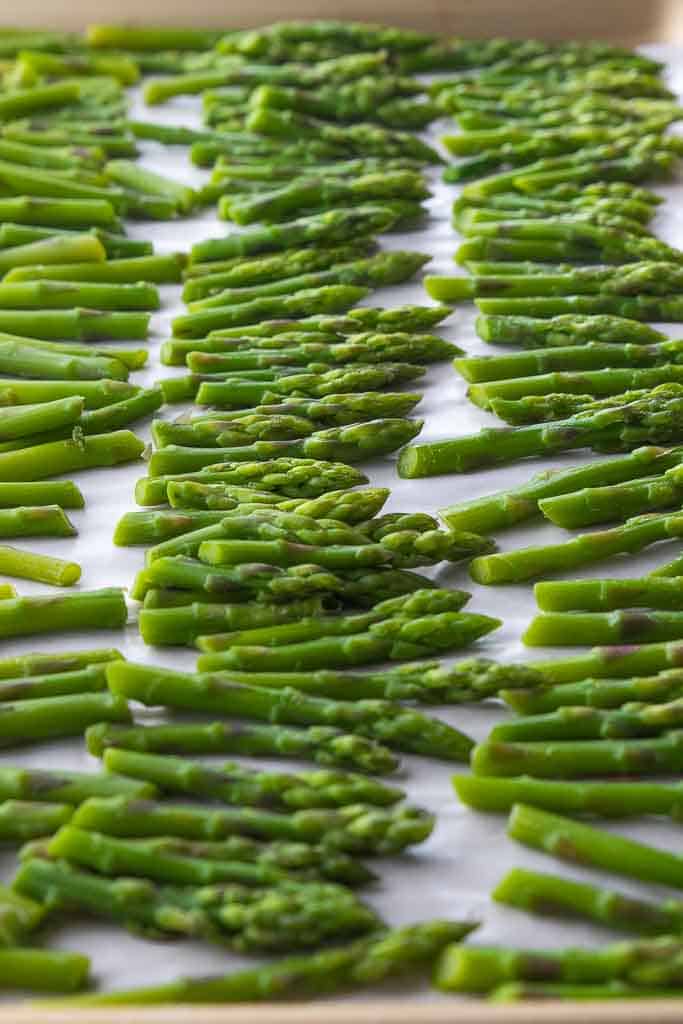
Image from www.createkidsclub.com.
After the asparagus is frozen, transfer it to airtight freezer bags or containers. Remove as much air as possible from the bags to prevent freezer burn. Label the bags with the date of freezing, so you know when to use them. Asparagus can be stored in the freezer for up to 12 months, retaining its quality and flavor.
Canning Asparagus for a Shelf-Stable Option
Canning asparagus is another excellent way to preserve this vegetable for long-term storage. It provides a shelf-stable option that doesn’t require refrigeration, making it ideal for those with limited freezer space.
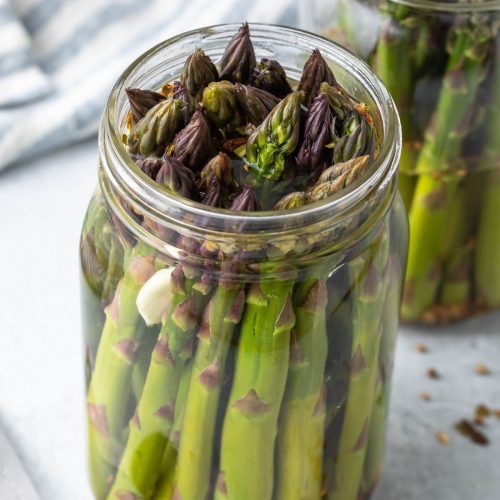
Image from www.simplywhisked.com.
Choosing the Right Canning Method
When it comes to canning asparagus, pressure canning is essential for safety. Asparagus is a low-acid vegetable, and pressure canning ensures that it is safely preserved without the risk of botulism. Always use a tested recipe from a reliable source to ensure safety.
It’s important to note that water bath canning is not suitable for asparagus due to its low acidity. Pressure canning involves processing the jars at a higher temperature, which is necessary to kill any harmful bacteria.
Essential Canning Equipment
Before you start canning, gather all the necessary equipment. You’ll need a pressure canner, canning jars, lids, and rings. Additionally, a jar lifter, funnel, and bubble remover are handy tools to have on hand.
Ensure that your canning jars and lids are clean and free from any chips or cracks. Sterilizing the jars is also a good practice to ensure they are free from bacteria. This can be done by boiling them or running them through a dishwasher cycle.
Steps to Safely Can Asparagus
Start by washing and trimming the asparagus to fit into the canning jars. You can cut the spears into smaller pieces or leave them whole, depending on your preference. Pack the asparagus tightly into the jars, leaving about an inch of headspace at the top.
Next, prepare a canning liquid by boiling water and adding salt if desired. Pour the hot liquid over the asparagus in the jars, maintaining the headspace. Use a bubble remover to eliminate any air bubbles trapped in the jars.
Secure the lids and rings on the jars and place them in the pressure canner. Process the jars according to the recommended time and pressure for your altitude. Once processed, let the jars cool before checking the seals. Properly canned asparagus can last up to two years when stored in a cool, dark place.

Image from practicalselfreliance.com.
Pickling Asparagus for Flavor & Safety
Pickling is a fantastic way to preserve asparagus while adding a tangy, flavorful twist! The acidic environment created by the pickling brine not only preserves the asparagus but also enhances its taste.
“Pickled asparagus makes a delightful addition to salads, charcuterie boards, or as a unique garnish for cocktails,” says culinary expert Jane Doone.
Besides that, pickling is relatively simple and doesn’t require special equipment beyond basic canning supplies.
Why Pickle Asparagus
Pickling is a preservation method that uses vinegar and spices to create a flavorful brine. This method is particularly beneficial for asparagus because it maintains the vegetable’s crunchiness while infusing it with delicious flavors!
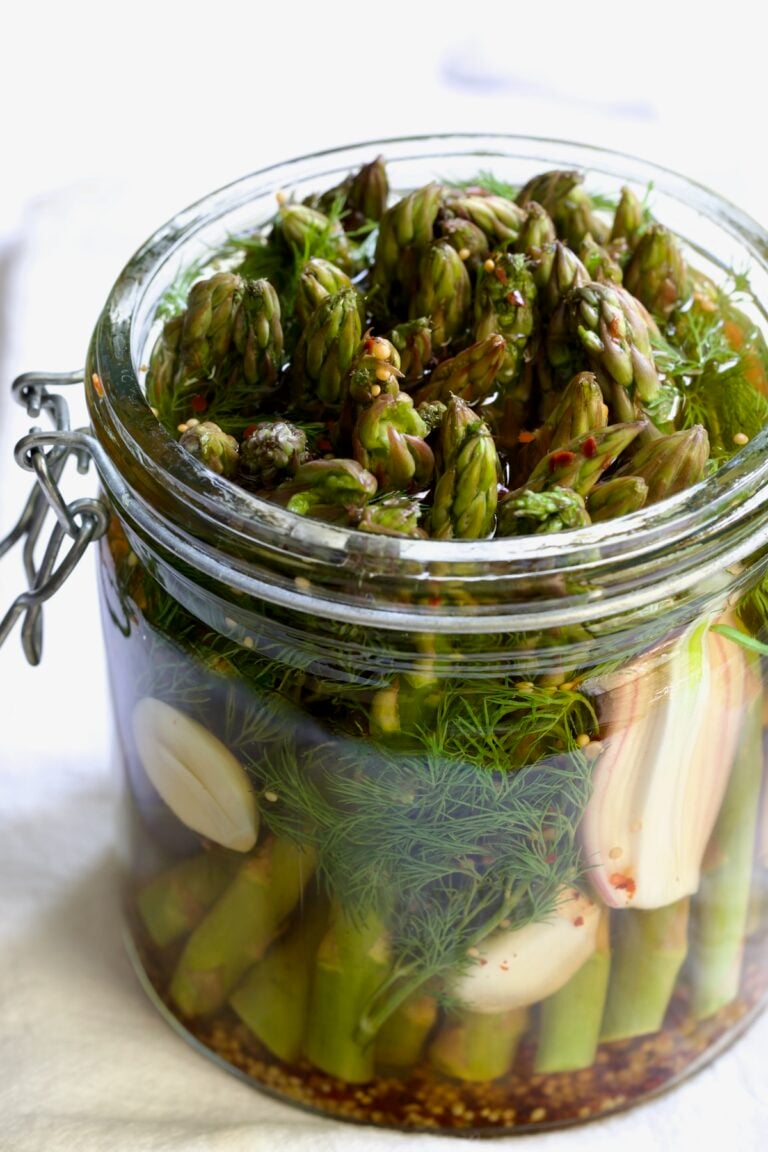
Image from www.fromachefskitchen.com.
Moreover, pickled asparagus can be stored for up to 18 months, making it a great option for those who want to enjoy this vegetable year-round. It’s also a wonderful way to experiment with different flavor profiles by adding various spices and herbs to the brine.
Preparing Asparagus for Pickling
To prepare asparagus for pickling, start by washing and trimming the spears to fit the jars. You can use pint-sized jars for pickling, which are ideal for pickling asparagus spears. Arrange the spears upright in the jars, packing them tightly.
Prepare a pickling brine by combining vinegar, water, salt, and your choice of spices. Common spices for pickling asparagus include dill, garlic, mustard seeds, and red pepper flakes. Bring the brine to a boil and pour it over the asparagus in the jars, leaving some headspace.
Process them in a boiling water bath for 10 minutes. Remove from heat and allow the jars to sit in the water for 5 minutes before removing the jars, and placing them on a clean dry towel to cool. Check lids to be sure seals have formed, then remove rings, wipe down the jars, and store in a cool, dark place.
Pickling Tips & Recipes
- Use white vinegar or apple cider vinegar for the brine.
- Experiment with different spices to create unique flavor combinations.
- Ensure the jars are fully submerged in a water bath during processing.
- Allow the pickled asparagus to sit for at least a week before consuming for optimal flavor.
Pickling is not only a preservation method but also a culinary adventure! With a little creativity, you can create pickled asparagus that suits your taste preferences.
Dehydrating Asparagus for Versatile Use
Dehydrating asparagus is an excellent way to preserve it for long-term storage. This method removes moisture from the vegetable, making it lightweight and shelf-stable. For more information on preserving asparagus, check out PreparednessMama’s guide. Dehydrated asparagus can be rehydrated for use in soups, stews, and other dishes.
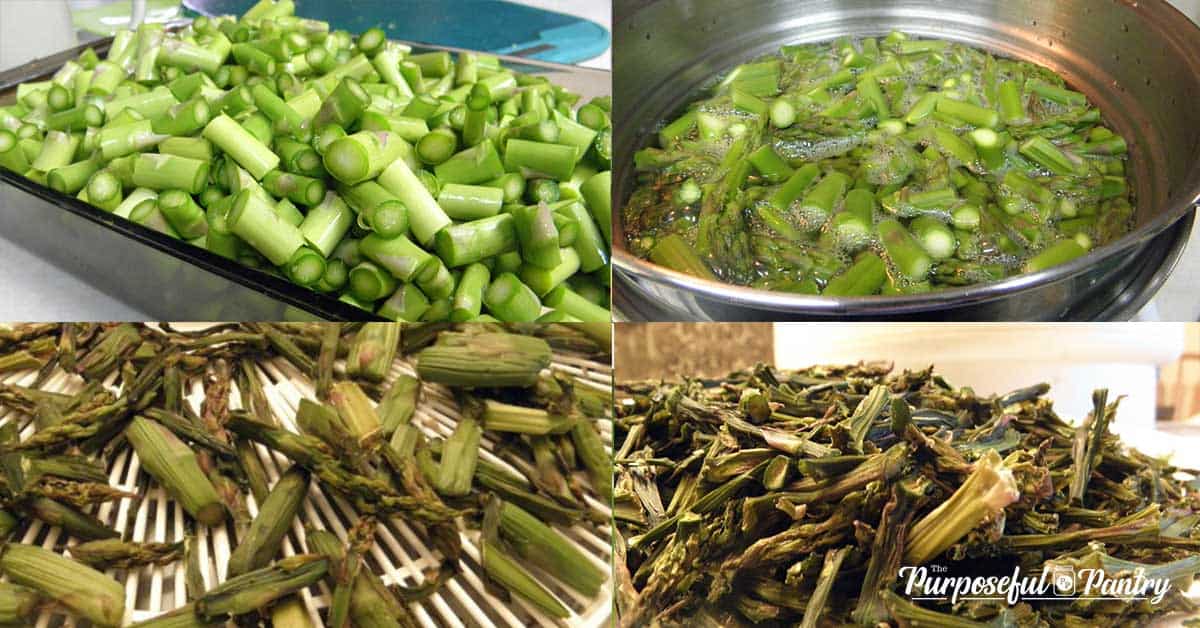
Image from www.thepurposefulpantry.com.
The Benefits of Dehydrating
Dehydrating asparagus has several benefits. It extends the shelf life of the vegetable, reduces its weight and volume, and retains most of its nutrients. This makes dehydrated asparagus a convenient option for camping, hiking, or simply saving space in your pantry.
Preparing Asparagus for Dehydration
To dehydrate asparagus, start by washing and trimming the spears. Cut them into uniform pieces to ensure even drying. Blanching the asparagus before dehydration is recommended to preserve its color and nutrients.
Arrange the asparagus pieces on dehydrator trays in a single layer to allow for even airflow and consistent drying. Set the dehydrator to a temperature of 125°F. If your dehydrator does not have a temperature setting, refer to the manufacturer’s instructions. The drying process can take anywhere from 8 to 12 hours, depending on the thickness of the asparagus and the humidity level. Check periodically to ensure the asparagus is drying evenly.
Store the dehydrated asparagus in airtight containers or vacuum-sealed bags. Keep them in a cool, dark place to maintain their quality. Dehydrated asparagus can be stored for up to a year.

Image from commonsensehome.com.
Final Tips for Preserving Asparagus
Preserving asparagus successfully requires attention to detail and a bit of patience. Whether you’re freezing, canning, pickling, or dehydrating, each method has its own nuances that can make a significant difference in the final product.
Always start with fresh, high-quality asparagus. The fresher the produce, the better the preservation results. Remember to label your preserved asparagus with the date and method used, so you can keep track of its shelf life and enjoy it at its best.
Best Practices for Optimal Flavor
To maintain the best flavor, it’s essential to follow best practices for each preservation method. For freezing, ensure the asparagus is blanched correctly to lock in nutrients and color. When canning, use a pressure canner to safely preserve low-acid asparagus.
For pickling, experiment with different spices and vinegar types to create unique flavor profiles. And when dehydrating, make sure the asparagus is completely dry before storing to prevent spoilage.
Common Mistakes to Avoid
Avoid common mistakes such as overpacking jars when canning, which can prevent proper heat penetration. When freezing, failing to remove excess air from bags can lead to freezer burn, affecting texture and taste.
In pickling, not using enough vinegar or improperly sealing jars can result in spoilage. And in dehydrating, inadequate drying can lead to mold growth, so ensure the asparagus is brittle before storing.
Experimenting with Different Methods of Preserving Asparagus
Don’t be afraid to experiment with different preservation methods and recipes. You might discover a new favorite way to enjoy asparagus, whether it’s a spicy pickled version or a savory dehydrated snack! Each method offers a unique way to savor the flavors of this versatile vegetable.
Frequently Asked Questions
Preserving asparagus can raise several questions, especially for those new to the process. Here are some common inquiries and answers to help you along the way.
Can asparagus be pickled for preservation?
Yes, asparagus can be pickled for preservation. Pickling not only extends the shelf life but also enhances the flavor with spices and vinegar. Properly pickled asparagus can last up to 18 months when stored in a cool, dark place.
How do I know if my preserved asparagus has gone bad?
Signs of spoilage include off smells, changes in color, or the presence of mold. In canned asparagus, check for bulging lids or leaks, which indicate spoilage. Always trust your senses—if something seems off, it’s best to discard it.
Is it necessary to wash asparagus before canning?
Yes, washing asparagus before canning is essential to remove any dirt or bacteria. Clean spears contribute to a safer and higher-quality preserved product.
What is the best type of container for freezing asparagus?
Airtight freezer bags or containers are best for freezing asparagus. Removing as much air as possible from the bags helps prevent freezer burn, maintaining the asparagus’s texture and flavor.
How long can dried asparagus be stored?
Dried asparagus can be stored for up to a year if kept in airtight containers away from light and moisture. Ensure the asparagus is fully dehydrated to prevent spoilage during storage.
Featured image from weekendatthecottage.com.

Related Posts
-
 [Video] Improve Your Food Security By Planting for the Pantry
- 20 Tasty Ways to Use Green Tomatoes
- Pickling 101: From Cucumbers to Peppers & Beyond – Your Guide to Making Perfect Pickles Every Time
- 3 Ways to Preserve Apples
- How to Pick Leaf Lettuce Like a Pro
- Preserving the Bounty: 5 Favorite Veggies for Freezing


