High-Yield Urban Gardening Tips, Techniques & Methods

Get more fresh food out of your available garden space with these high-yield urban gardening tips…
Key Takeaways:
- Vertical gardening can increase your urban garden’s productivity by up to 30% by utilizing trellises and hanging planters.
- Choosing compact plant varieties allows you to maximize space without compromising yield.
- Raised beds and containers are ideal for urban settings, providing better soil control and improved drainage.
- Composting enriches the soil, improving plant growth and yield by recycling organic waste.
- Proper soil amendments and nutrient management can lead to up to 75% more harvest compared to traditional methods.
Transforming Your Urban Space for Maximum Yield
In the heart of the city, where space is a luxury, urban gardening has become a beacon of hope for those seeking to cultivate their own food. The challenge lies in maximizing yield in limited spaces. However, with the right techniques and a little creativity, anyone can transform a small balcony or a rooftop into a thriving garden!

Image from urbanaglaw.org.
Importance of High-Yield Urban Gardening
Urban gardening is more than just a hobby; it’s a vital practice for sustainability and self-sufficiency. High-yield urban gardening allows you to grow more food in less space, reducing your dependency on store-bought produce. It also contributes to a greener environment by reducing carbon footprints and promoting biodiversity.
Most importantly, high-yield gardening empowers you to take control of your food source, ensuring that you have access to fresh, organic produce year-round. This practice is not only beneficial for personal health but also fosters a sense of community and connection to nature!
Overview of Essential Techniques
To achieve high yields in urban gardens, one must adopt a combination of smart gardening practices. These include space optimization techniques, maintaining soil health, efficient watering strategies, and effective pest management. Let’s dive deeper into these essential methods to help you get the most out of your urban garden.
Space Optimization Techniques
Space is often the biggest limitation in urban gardening. However, with clever strategies, you can make the most of every inch available. Here are some techniques to consider.
Vertical Gardening
Vertical gardening is a game-changer for urban gardeners. By growing plants upwards rather than outwards, you can significantly increase your garden’s capacity. Use trellises, wall planters, and hanging baskets to create layers of greenery. This method not only saves space but also improves air circulation and light exposure, leading to healthier plants.
Compact Plant Selection
Choosing the right plant varieties is crucial in urban gardening. Opt for compact or dwarf varieties that are bred to thrive in small spaces. These plants are just as productive as their larger counterparts but require less room to grow. Consider options like cherry tomatoes, bush beans, and dwarf peppers.
Utilizing Raised Beds and Containers
Raised beds and containers are perfect for urban settings. They allow you to have complete control over the soil quality and drainage, which is essential for healthy plant growth. Raised beds can be customized to fit any space, while containers offer the flexibility to move plants as needed. This adaptability is key to optimizing limited urban areas. For more information on container gardening, check out this guide on growing beets in containers.

Image from thrivingdesign.com.
Soil Health and Improvement
The foundation of a productive garden is healthy soil. Urban environments often pose challenges with soil quality, but with the right practices, you can enhance it significantly.
- Regularly test your soil to identify nutrient deficiencies.
- Use organic compost to enrich the soil with essential nutrients.
- Implement crop rotation to prevent nutrient depletion.
By focusing first on soil health, you set the stage for a bountiful harvest!
Composting Basics
- Start a compost bin to recycle kitchen scraps and garden waste.
- Ensure a balance of green (nitrogen-rich) and brown (carbon-rich) materials.
- Turn the compost regularly to aerate and speed up decomposition.
Composting not only reduces waste but also provides a rich, natural fertilizer for your plants. For more detailed guidance, you can explore these urban composting techniques to enhance your garden’s productivity.
In the next section, we will explore soil amendments, nutrient management, and techniques for testing and improving soil quality. These steps are crucial for maximizing your urban garden’s yield. For more on enhancing soil quality using free resources from nature, check out this video on how to build better soil with autumn’s bounty.
Drip Irrigation Systems
Efficient watering is essential for high-yield urban gardening. Drip irrigation systems offer a precise way to water plants directly at the root level, minimizing water waste and promoting healthy growth. This method uses a network of tubes and emitters to deliver water slowly, ensuring that each plant receives the right amount without excess runoff.
Installing a drip irrigation system may seem daunting, but it’s quite manageable with a few basic supplies. Start by laying out a mainline tube along your garden beds, and connect smaller tubes to individual plants. Adjust the emitters to control the flow, and set a timer to automate the watering schedule. Or, you can also use soaker hoses laid along the length of the rows, which can be gravity-fed via a rain barrel (see below). This setup not only saves water but also reduces the time spent manually watering your plants.
Rainwater Harvesting Methods
Collecting rainwater is an excellent way to supplement your garden’s water supply. This sustainable practice reduces reliance on municipal water and helps conserve this precious resource. To get started, install a rain barrel beneath your home’s downspout to capture runoff from the roof. Ensure the barrel has a spigot for easy access to the collected water.
Incorporate a simple filtration system to remove debris, and use the harvested rainwater to irrigate your garden. Rainwater is naturally soft and free of chemicals, making it ideal for plants. By implementing rainwater harvesting, you not only contribute to environmental conservation but also provide your garden with a nutrient-rich water source.
Water Conservation Tips
Water conservation is crucial in urban gardening, where resources can be limited. Here are some practical tips to help you conserve water while maintaining a thriving garden. For more sustainable practices, consider exploring this guide on building better soil to enhance your garden’s water retention.
- Water early in the morning or late in the evening to reduce evaporation.
- Use mulch to retain soil moisture and suppress weeds.
- Group plants with similar water needs to optimize irrigation.
- Regularly check for leaks in your watering system to prevent waste.
By adopting these strategies, you can ensure your garden remains lush and productive, even during dry spells.
Planting Techniques for High Yield
To maximize your urban garden’s output, it’s important to use planting techniques that encourage growth and productivity. These methods will help you make the most of your available space and resources.
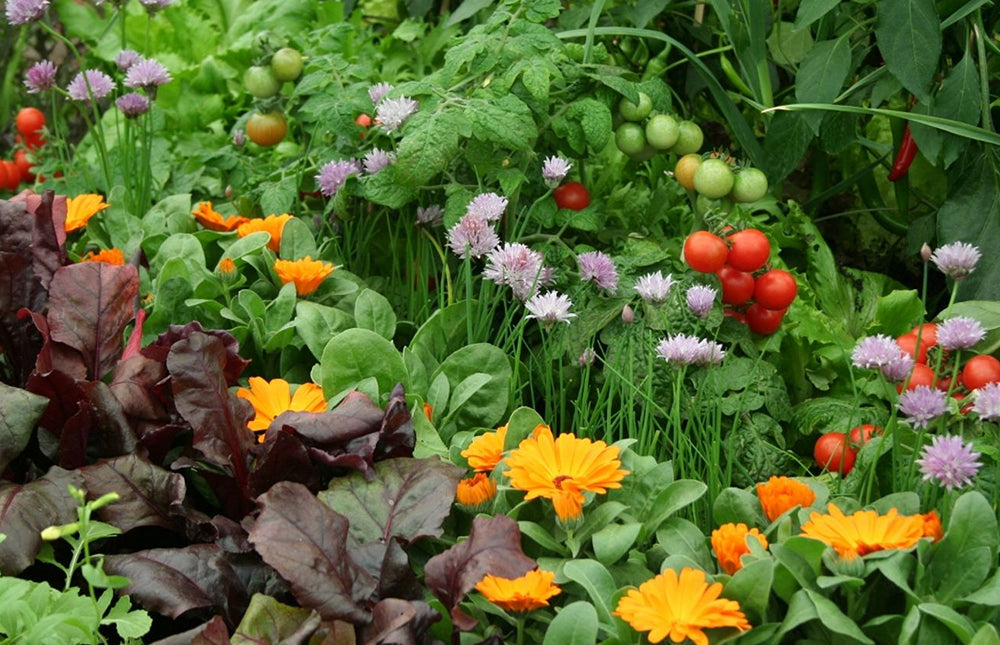
Image from swanhose.com.
Companion Planting Benefits
Companion planting is the practice of growing different plants together to enhance growth, repel pests, and improve yields. This method takes advantage of the natural relationships between plants to create a balanced ecosystem in your garden.
For example, planting marigolds with tomatoes can deter nematodes, while basil can enhance the flavor of tomatoes. Similarly, beans can fix nitrogen in the soil, benefiting nearby plants like corn and squash. By understanding these relationships, you can create a harmonious garden that thrives without the need for chemical interventions!
Succession Planting for Continuous Harvest
Succession planting involves planting new crops as soon as one harvest is complete, ensuring a continuous supply of fresh produce. This technique maximizes the use of your garden space and extends the growing season.
To implement succession planting, create a planting schedule that staggers crops based on their maturity dates. For instance, after harvesting lettuce, plant a quick-growing crop like radishes. As those mature, replace them with another fast-growing vegetable. This cycle keeps your garden productive and diverse throughout the year.
Square Foot Gardening
Square foot gardening is a simple yet effective method for urban gardeners. It involves dividing a garden bed into small, square sections and planting a different crop in each. This technique maximizes space and minimizes waste, allowing you to grow a variety of plants in a compact area.
Begin by creating a grid on your garden bed, with each square measuring one foot by one foot. Choose crops based on their size and growth habits, and plant accordingly. For instance, you can plant one tomato plant per square foot, or four lettuce plants in the same space. This method encourages efficient use of space and resources, leading to higher yields. For those interested in innovative gardening methods, exploring soil-less gardening systems like hydroponics and aeroponics can offer additional options for maximizing space.

Image from home.howstuffworks.com.
Clever Crop Rotation Ideas
Crop rotation is a vital practice in high-yield gardening. It involves changing the location of crops each season to prevent soil depletion and reduce pest and disease build-up. By rotating crops, you maintain soil fertility and improve overall garden health. For more insights on maximizing your garden’s output, explore these urban gardening tips.
To implement crop rotation, divide your garden into sections and assign each a plant family. Rotate these families each season, ensuring that no section grows the same type of plant consecutively. For example, follow legumes with leafy greens, then root vegetables, and finally fruiting plants. This rotation disrupts pest cycles and balances nutrient usage, resulting in a more productive garden.
Pest and Disease Management
Managing pests and diseases is crucial for maintaining a healthy urban garden. By employing natural and integrated methods, you can protect your plants without relying on harmful chemicals.
Natural Pest Deterrents
Natural pest deterrents are effective tools for keeping your garden pest-free. Use barriers like row covers to protect plants from insects, and introduce beneficial insects such as ladybugs and lacewings to prey on harmful pests.
Additionally, homemade sprays made from ingredients like garlic, neem oil, and soap can repel pests without damaging your plants. These natural solutions are safer for both your garden and the environment.
Recognizing Common Urban Garden Diseases
Urban gardens can be susceptible to a variety of diseases, often exacerbated by limited airflow and high humidity. Common issues include powdery mildew, blight, and root rot. Identifying these diseases early is key to preventing their spread.
“Powdery mildew appears as a white, powdery coating on leaves, often thriving in warm, dry conditions. To control it, improve air circulation and apply a mixture of baking soda and water.”
Regularly inspect your plants for signs of disease, and take action immediately to mitigate damage. Prune affected areas, dispose of diseased plant material, and maintain proper spacing to reduce the risk of infection. For more information on maintaining plant health, check out the Virginia Cooperative Extension’s guidelines.
By combining these pest and disease management strategies, you can ensure your urban garden remains healthy and productive!
Integrated Pest Management
Integrated Pest Management (IPM) is a holistic approach to controlling pests that combines multiple strategies to minimize damage while reducing reliance on chemical pesticides. This method emphasizes prevention, monitoring, and control, ensuring that pest management is both effective and environmentally friendly.
Start by regularly inspecting your plants for signs of pest activity, such as holes in leaves or sticky residue. Implement cultural practices like crop rotation and companion planting to deter pests naturally. When intervention is necessary, opt for mechanical controls like hand-picking or traps, and use biological controls such as beneficial insects to target specific pests.
By integrating these strategies, you can maintain a balanced ecosystem in your garden, minimizing pest issues and promoting healthy plant growth.
Planning and Record-Keeping
Effective planning and record-keeping are essential for a successful urban garden. By keeping track of your gardening activities, you can make informed decisions and improve your yields year after year.

Image from millcreekgardens.com.
Seasonal Planting Schedules
Creating a seasonal planting schedule helps you plan what to plant and when, ensuring that your garden remains productive throughout the year. Consider your local climate and growing conditions when planning your schedule, and choose crops that are suited to each season. For instance, you can explore this guide to essential greens for year-round harvests.
Use a calendar or garden planner to map out planting dates, taking into account the expected maturity times of each crop. This foresight allows you to time your plantings for optimal growth and harvest.
Garden Journals and Tracking
Maintaining a garden journal is an excellent way to document your gardening journey. Record details such as planting dates, weather conditions, pest issues, and harvest yields. This information provides valuable insights into what works well in your garden and what needs improvement.
Tracking your garden’s progress also helps you identify patterns and make adjustments as needed. Over time, you’ll build a comprehensive record that guides your gardening decisions and enhances your success!
Final Thoughts on Achieving High Yields
Achieving high yields in an urban garden requires a combination of knowledge, planning, and dedication. By implementing the techniques discussed in this article, you can transform your limited space into a productive oasis that provides fresh produce year-round.
Remember, urban gardening is a journey of continuous learning and adaptation. Embrace the challenges and celebrate the successes, knowing that each season brings new opportunities for growth!
Combining Techniques for Success
The key to a successful urban garden lies in combining various techniques to create a harmonious and efficient system. By integrating space optimization, soil health improvement, efficient watering, and pest management, you can maximize your garden’s potential and achieve impressive yields.
Long-Term Benefits and Sustainability
Urban gardening offers numerous long-term benefits, from providing a sustainable food source to enhancing environmental health. By growing your own produce, you reduce your carbon footprint and contribute to local biodiversity. Additionally, the skills and knowledge gained through gardening are invaluable assets that can be passed down to future generations.
Frequently Asked Questions
Urban gardening can be both rewarding and challenging. Here are some common questions and answers to help you navigate your gardening journey.
What are the best vegetables for urban gardening?
Some of the best vegetables for urban gardening include leafy greens like spinach and lettuce, compact varieties of tomatoes and peppers, and root vegetables such as radishes and carrots. These plants are well-suited to small spaces and can thrive in containers or raised beds.
How can I improve drainage in a small container garden?
Improving drainage in a container garden is crucial for preventing root rot and promoting healthy plant growth. Here are some tips:
- Ensure containers have drainage holes at the bottom.
- Use a well-draining potting mix that includes materials like perlite or sand.
- Elevate containers on pot feet or bricks to allow excess water to escape.
- Avoid overwatering by checking soil moisture before watering.
What is companion planting and why is it important?
Companion planting is the practice of growing different plants together to enhance growth, deter pests, and improve yields. This method leverages the natural relationships between plants to create a balanced ecosystem in your garden.
“For example, planting basil near tomatoes can enhance their flavor and repel pests, while marigolds can deter nematodes when planted with vegetables like carrots and beans.”
By understanding these relationships, you can create a more resilient and productive garden.
How do I manage limited sunlight in an urban garden?
Limited sunlight can be a challenge for urban gardeners, but there are ways to work around it:
- Choose shade-tolerant plants like lettuce, spinach, and herbs.
- Use reflective surfaces, such as white walls or mirrors, to increase light exposure.
- Position containers to maximize sunlight throughout the day.
- Consider using grow lights to supplement natural light, especially during shorter days.
With these strategies, you can successfully grow a variety of plants even in less-than-ideal lighting conditions.
Urban gardening has become increasingly popular as more people look for sustainable ways to grow their own food. One of the most effective techniques is using soil-less gardening systems like hydroponics and aeroponics, which allow for indoor gardening without the need for traditional soil. These methods not only save space but also use water more efficiently, making them ideal for urban environments. For those interested in exploring these innovative techniques, check out this comprehensive guide on soil-less gardening systems.
Featured Image from wellnessmama.com.

Related Posts
-
 [Video] How Much Can You Grow In A Small Garden Bed?
- How to Get the Most Out Of Your Container Garden
- The Space-Saving Magic of GreenStalk Vertical Planters in Urban Gardens
- Incorporating Edible Flowers into Urban Gardens: Tips for Flavor & Fun
- Interview – Raya Allen Fights Childhood Hunger Through Gardening
- [Video] How to Grow Potatoes In Buckets


Your blog has quickly become one of my favorites. Your writing is both insightful and thought-provoking, and I always come away from your posts feeling inspired. Keep up the phenomenal work!