Hydroponic Gardening: The Benefits of Soil-Less Growing

Hydroponic gardening shows promise for increasing yields, nutrients, and growth for both large-scale agriculture and home gardeners. Here’s why, and how it works…
Key Takeaways:
- Hydroponic gardening allows plants to grow 30-50% faster than traditional soil-based methods.
- This method uses up to 90% less water compared to conventional farming.
- Hydroponics is ideal for urban and indoor spaces, maximizing the use of limited areas.
- It significantly reduces the risk of pests and diseases, making it easier to maintain.
- Hydroponic systems can be customized to suit various plant types and growth requirements.
Why Choose Hydroponic Gardening?
Hydroponic gardening is a revolutionary method of growing plants without soil, and it’s gaining traction even among home gardeners for good reasons. By providing nutrients directly to plant roots through water, hydroponics can enhance growth rates and yields. This method is not just about efficiency; it’s about redefining the way we think about agriculture. But why should you consider hydroponics over traditional soil gardening?
First and foremost, hydroponics offers unparalleled control over the growing environment. Whether you’re growing lettuce, tomatoes, or exotic herbs, you can tailor the nutrient solution to meet the specific needs of each plant. This precision ensures that your plants get exactly what they need to thrive.

Image from www.gardenandgreenhouse.net.
Introduction to Soil-Less Growing
Soil-less growing might sound futuristic, but it’s a practice that has actually been around for centuries. The basic idea is simple: instead of relying on soil to provide nutrients, hydroponics uses a water-based nutrient solution. This allows plants to grow faster and more efficiently. In fact, hydroponics can produce up to ten times more food per square foot compared to traditional farming.
The lack of soil means that hydroponic systems are less prone to soil-borne diseases and pests. This makes it a cleaner and safer option for growing food. Furthermore, because hydroponics systems are typically set up indoors or in greenhouses, they are less affected by weather conditions, allowing for year-round cultivation.
Environmental Benefits and Sustainability
One of the most compelling reasons to choose hydroponics is its environmental benefits. Traditional agriculture can be resource-intensive, often requiring large amounts of water and land. Hydroponics, on the other hand, uses water much more efficiently. The water in hydroponic systems is recirculated, meaning very little is wasted. For those interested in exploring other efficient growing methods, aeroponic systems offer another sustainable alternative.
Moreover, because hydroponics does not rely on soil, it avoids the problems of land degradation and deforestation. This makes it a sustainable option for producing food in urban areas where space is limited. By reducing the need for pesticides and herbicides, hydroponics also contributes to a cleaner and healthier environment.
Suitability for Urban and Indoor Spaces
With urbanization on the rise, finding space for traditional gardening can be a challenge. Hydroponics offers a solution by allowing you to grow plants in compact, vertical setups. Whether you’re using a balcony, rooftop, or a small indoor area, hydroponic systems can be adapted to fit your space.
Because hydroponic systems are often self-contained, they are perfect for indoor gardening. You can set up a hydroponic garden in your kitchen, living room, or basement, bringing the joy of gardening into your home! This not only provides you with fresh produce but also enhances your living space with greenery.
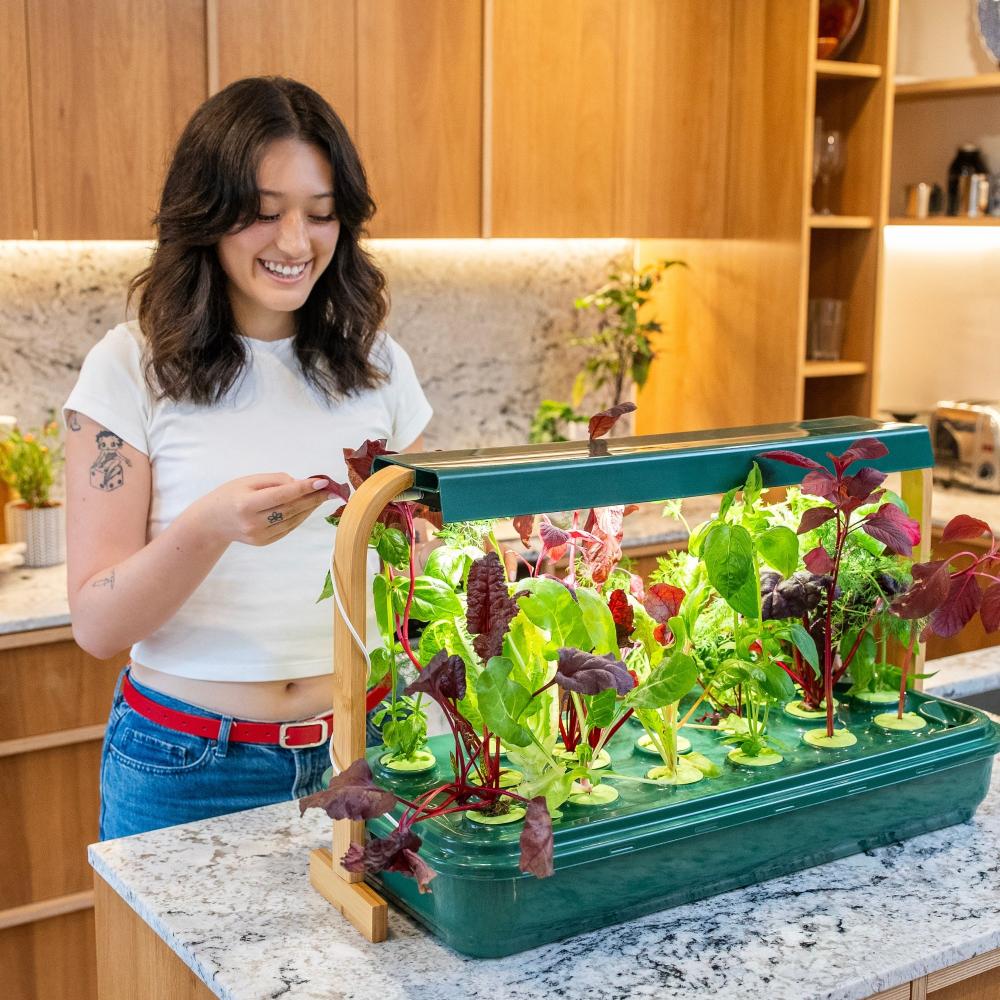
Image from gathera.com.
Core Benefits of Hydroponic Systems
Hydroponic systems offer numerous advantages that make them a popular choice for both amateur and professional gardeners. From faster plant growth to efficient resource use, the benefits are hard to ignore.
- Faster Growth: Plants grown hydroponically can mature up to 50% faster than those grown in soil.
- Higher Yields: The controlled environment allows for multiple harvests in a year.
- Water Conservation: Hydroponics uses significantly less water than traditional farming.
- Space Efficiency: Vertical and compact setups maximize the use of limited space.
- Reduced Pests and Diseases: The absence of soil eliminates many common gardening problems.
Accelerated Plant Growth
One of the standout benefits of hydroponic gardening is the accelerated growth rate of plants. By providing nutrients directly to the roots, plants can focus their energy on growing rather than searching for food. This leads to faster maturation and more frequent harvests.
For example, lettuce grown hydroponically can be ready for harvest in as little as 30 days, compared to 60 days in traditional soil gardening. This efficiency is particularly beneficial for those looking to produce large quantities of food in a short amount of time.
Types of Hydroponic Systems
There are a number of methods that can be used in hydroponic gardening. Let’s take a look at some of the most common types of hydroponic systems and some of their differences.
Drip Systems
Drip systems are a popular choice in hydroponic gardening due to their simplicity and efficiency. These systems deliver nutrient-rich water directly to the plant roots through a network of tubes and emitters. This method ensures that each plant receives the right amount of nutrients and water, minimizing waste.
One of the key advantages of drip systems is their versatility. They can be easily customized to fit different plant sizes and types. Whether you’re growing small herbs or larger fruit-bearing plants, a drip system can be adjusted to meet your needs. Additionally, these systems are relatively low-maintenance, making them ideal for beginners. For those interested in alternative systems, aeroponic systems offer another efficient method for indoor gardening.
Wick Systems
Wick systems are one of the simplest forms of hydroponics, making them perfect for beginners. In this setup, a wick transports nutrients from a reservoir to the plant roots. This passive system does not require any pumps or complex equipment, making it easy to set up and maintain.
While wick systems are not as efficient as other hydroponic methods, they are excellent for small plants and herbs. The simplicity of the design means fewer things can go wrong, providing a hassle-free gardening experience. It’s a great way to start your journey into hydroponic gardening.
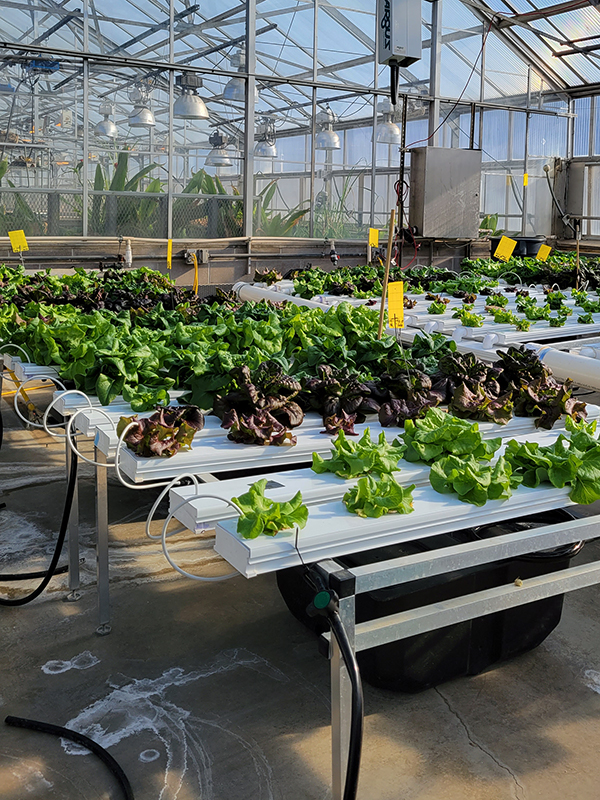
Image from extension.umn.edu.
Deep Water Culture
In deep water culture (DWC) hydroponic systems, the roots of the plants are suspended directly in water containing a nutrient solution. This method is fairly simple as all that is needed are containers in which to hold your solution. Small DWC systems may not require a pump or any additional pipes or tubing.
However, the containers or growing tanks will need to be drained and cleaned every so often, so this method may not be quite as water-efficient as some of the other hydroponic methods and may require a bit more maintenance.
Aeroponics
Aeroponics is a cutting-edge hydroponic method where plant roots are suspended in air and misted with nutrient-rich water. This system allows for maximum oxygen exposure, promoting rapid growth and high yields. Although aeroponics requires more advanced equipment and monitoring, the results can be impressive.
This method is particularly useful for growing plants with extensive root systems. The lack of a growing medium means there is less risk of disease, and the plants can absorb nutrients more efficiently. Aeroponics is perfect for those looking to push the boundaries of traditional gardening, and there are aeroponic growing kits available to make this method more accessible to beginners.
Essential Equipment for Hydroponic Gardening
To get started with hydroponic gardening, you’ll need some essential equipment. While the exact requirements can vary depending on the system you choose, there are a few key items that every hydroponic gardener should have.
Investing in quality equipment can make a significant difference in the success of your garden. From grow lights to nutrient solutions, each component plays a crucial role in ensuring your plants thrive.
Grow Lights and Their Importance
Grow lights are essential for indoor hydroponic systems. They provide the necessary light spectrum that plants need for photosynthesis, mimicking the sun’s natural rays. When selecting grow lights, consider the type of plants you’re growing and their specific light requirements.
LED grow lights are a popular choice due to their energy efficiency and longevity. They offer a full spectrum of light, making them suitable for all stages of plant growth. Proper lighting can significantly impact the health and yield of your hydroponic garden.
Nutrient Solutions and Supplements
Nutrient solutions are the lifeblood of any hydroponic system. These solutions contain all the essential minerals and nutrients that plants need to grow. It’s important to choose a high-quality nutrient solution that matches the specific needs of your plants.
Besides the basic nutrients, supplements such as calcium, magnesium, and iron may be necessary to address specific deficiencies. Regularly monitoring and adjusting your nutrient solution can help prevent common issues like nutrient burn or deficiencies.
pH and EC Meters
Maintaining the correct pH and electrical conductivity (EC) levels is crucial for plant health in hydroponic systems. pH meters help you measure the acidity or alkalinity of your nutrient solution, ensuring it’s within the optimal range for plant absorption.
EC meters measure the concentration of nutrients in your solution, helping you determine if your plants are getting enough food. Regularly checking these levels and making adjustments as needed can prevent potential growth problems and keep your plants thriving.
Steps to Establish Your Hydroponic Garden
Starting a hydroponic garden can seem daunting, but with the right guidance, it can be a rewarding experience. Here’s a step-by-step guide to help you get started with your hydroponic setup.
From choosing the right system to setting up your plants, each step is crucial to the success of your garden. With careful planning and attention to detail, you can create a thriving hydroponic system that provides fresh produce year-round! For those interested in simply growing some fresh herbs on the kitchen counter, you may consider adding a smart herb garden to your setup.
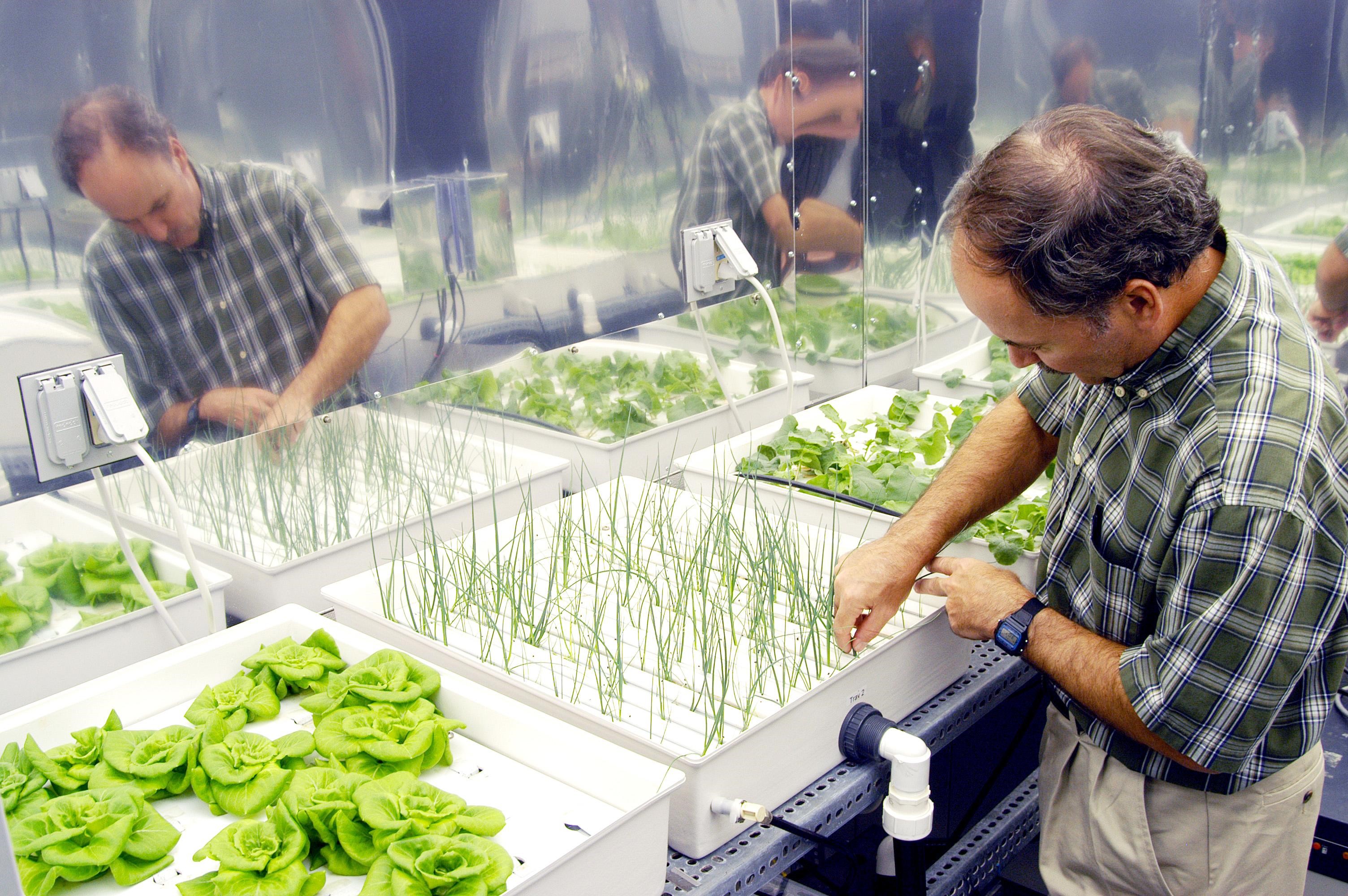
Image from en.wikipedia.org.
Choosing the Right System for Your Needs
The first step in establishing your hydroponic garden is selecting the right system. Consider the following factors:
- Space availability: How much room do you have for your setup?
- Plant types: What kind of plants do you want to grow?
- Budget: How much are you willing to invest in your hydroponic system?
By answering these questions, you can narrow down your options and choose a system that fits your needs. Whether you opt for a simple wick system or a more advanced aeroponic setup, ensure it aligns with your gardening goals.
Remember, the right system can make a significant difference in the success of your hydroponic garden. Take the time to research and select a system that suits your specific requirements.
Setting Up Your System
Once you’ve chosen your system, it’s time to set it up. Follow these general steps to get started:
- Assemble your system according to the manufacturer’s instructions.
- Ensure all components are securely connected and functioning correctly.
- Fill the reservoir with water and add the appropriate nutrient solution.
Setting up your hydroponic system can be a straightforward process if you follow the instructions carefully. Pay attention to detail and ensure everything is in place before moving on to the next step. For more insights, explore this guide on aeroponic systems for efficient indoor gardening.
Plant Selection and Positioning
Choosing the right plants for your hydroponic garden is crucial. Consider plants that are well-suited for hydroponic growing, such as leafy greens, herbs, and certain fruits like strawberries.
Position your plants in a way that maximizes light exposure and allows for proper air circulation. Ensure each plant has enough space to grow and access to the nutrient solution. Proper positioning can help prevent overcrowding and promote healthy growth.
Initial Nutrient Setup
With your plants in place, it’s time to set up the initial nutrient solution. Follow these steps to ensure your plants receive the nutrients they need:
- Mix the nutrient solution according to the manufacturer’s instructions.
- Check the pH and EC levels to ensure they are within the optimal range for your plants.
- Adjust the solution as needed to maintain the correct balance of nutrients.
Proper nutrient setup is essential for the success of your hydroponic garden. Regularly monitor and adjust the solution to meet the changing needs of your plants. This will help ensure they grow strong and healthy.

Image from www.youtube.com.
Maintenance and Upkeep Tips
Keeping your hydroponic system in top condition is essential for healthy plant growth. Regular maintenance ensures that your plants receive the nutrients they need and that the system operates efficiently. Here are some tips to help you maintain your hydroponic garden.
Start by developing a routine for checking your system. Regular monitoring can help you catch potential issues before they become serious problems. Whether it’s nutrient levels, pH balance, or equipment functionality, keeping an eye on these factors can make all the difference.
Regular Monitoring and Adjustments
Consistent monitoring of your hydroponic system is key to its success. By keeping track of various factors, you can make timely adjustments to optimize plant growth.
- Check the pH and EC levels at least once a week to ensure they remain within the ideal range.
- Inspect the nutrient solution for any signs of imbalance or contamination.
- Examine plants for signs of nutrient deficiencies or excesses, adjusting the solution as necessary.
Making these checks a regular part of your routine can help prevent issues that might otherwise affect your plants’ health and productivity. Remember, a proactive approach is always better than a reactive one. For more insights, consider reading about the basics of hydroponics.
Besides that, don’t forget to clean your system regularly. Algae and other residues can build up over time, affecting the efficiency of your setup. A clean system is a productive system, which is crucial for efficient indoor gardening.
Pest and Disease Prevention
While hydroponics reduces the risk of soil-borne pests and diseases, it doesn’t eliminate them entirely. Therefore, vigilance is necessary to protect your plants. Here are some strategies to keep pests and diseases at bay:
First, ensure your growing area is clean and free of debris. A tidy environment discourages pests from taking up residence. Additionally, inspect your plants regularly for any signs of trouble.
- Use natural pest deterrents like neem oil or insecticidal soap as needed.
- Ensure adequate air circulation to prevent mold and mildew growth.
- Quarantine new plants before introducing them to your system to prevent the spread of diseases.
By taking these precautions, you can minimize the risk of pests and diseases affecting your hydroponic garden. It’s all about being proactive and attentive to your plants’ needs.
The Future of Hydroponics
Hydroponics is not just a trend; it’s a glimpse into the future of agriculture. As technology continues to evolve, so too will the capabilities and accessibility of hydroponic systems. Let’s explore some of the exciting developments on the horizon.
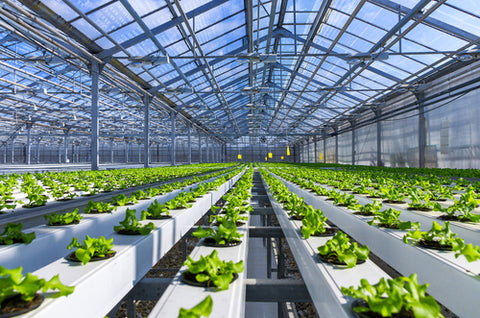
Image from hydropros.com.
Innovations and Technological Advances
Technological advancements are revolutionizing hydroponic gardening. From automated nutrient delivery systems to smart sensors that monitor plant health, the possibilities are endless. These innovations make it easier than ever to maintain a thriving hydroponic garden.
One promising development is the integration of artificial intelligence in hydroponic systems. AI can analyze data and make real-time adjustments to optimize growing conditions. This means less guesswork and more consistent results for gardeners.
Impact on Global Food Production
Hydroponics has the potential to transform global food production. By allowing crops to be grown in urban areas and regions with poor soil quality, hydroponics can help address food security issues. This method offers a sustainable way to produce fresh food closer to where it’s needed, making it an ideal solution for urban gardens.
Furthermore, hydroponics reduces the environmental impact of traditional agriculture. By using less water and eliminating the need for pesticides, it offers a more eco-friendly solution to feeding the world’s growing population.
Frequently Asked Questions:
Hydroponic gardening can be a complex topic, but understanding the basics can help you get started. Here are some common questions and answers to guide you on your journey.
What is the most suitable crop for hydroponic growing?
Many crops thrive in hydroponic systems, but leafy greens like lettuce, spinach, and kale are particularly well-suited. Herbs such as basil, mint, and cilantro also do well. These plants have relatively simple nutrient requirements and grow quickly, making them ideal for beginners.
For those looking to grow fruiting plants, tomatoes, strawberries, and peppers can also be successful in hydroponic systems. Just be sure to adjust your setup to accommodate their specific needs.
How much initial investment is required?
The cost of starting a hydroponic garden can vary widely depending on the system you choose and the scale of your operation. A small home setup might cost as little as $50 to $100, while more advanced systems can run into the thousands.
Consider your budget and goals when selecting your system. Remember, you can always start small and expand as you gain experience and confidence.
Can hydroponic plants be grown organically?
Yes, hydroponic plants can be grown organically by using organic nutrient solutions and pest control methods. However, it’s important to verify that all inputs meet organic standards. For more information, check out this article on Hydroponics 101.
While the concept of organic hydroponics is still debated, many gardeners successfully grow organic produce using hydroponic methods. It’s all about choosing the right products and practices for your garden.
What are some common mistakes beginners should avoid?
Starting a hydroponic garden can be challenging, but avoiding these common mistakes can help you succeed:
- Neglecting to monitor pH and EC levels regularly.
- Overcrowding plants, leading to poor air circulation and growth.
- Using low-quality or incorrect nutrient solutions.
- Failing to clean and maintain the system, resulting in algae buildup.
By being aware of these pitfalls, you can take proactive steps to ensure your hydroponic garden thrives.
How does hydroponic gardening impact taste and nutrition?
While more studies need to be done, some initial tests indicate that hydroponic gardening can enhance both the taste and nutritional content of your produce. By providing plants with optimal growing conditions, hydroponics can result in more flavorful and nutrient-dense crops.
Studies have shown that hydroponically grown vegetables can have higher levels of certain vitamins and minerals compared to their soil-grown counterparts. This is because the controlled environment allows for precise nutrient delivery.
Hydroponic gardening is a revolutionary method of growing plants without soil, using nutrient-rich water solutions. This technique is not only space-efficient but also allows for faster plant growth and higher yields. For those interested in other innovative gardening methods, understanding aeroponic systems can provide additional insights into efficient indoor gardening techniques. By eliminating the need for soil, hydroponics reduces the risk of soil-borne diseases and pests, making it an ideal choice for urban gardeners and those with limited space.


