Organic Cabbage Growing Guide: Sustainable Gardening Tips & Techniques for Success

Learn to grow this nutritious, versatile, & cold-hardy vegetable at home with our organic cabbage growing guide…
Key Takeaways:
- Organic cabbage thrives in well-drained, fertile soil with a pH of 6 to 7.
- Choosing the right cabbage variety is crucial for success in your specific climate.
- Companion planting can enhance growth and deter pests naturally.
- Regular watering and natural fertilizers are key to maintaining healthy cabbage plants.
- Harvest cabbage when heads are firm and reach the desired size.
Why Grow Organic Cabbage?
Growing organic cabbage is more than just planting a vegetable; it’s about embracing a sustainable lifestyle that benefits both you and the environment. By choosing organic methods, you avoid harmful chemicals, promote biodiversity, and enjoy healthier produce. Cabbage, with its rich nutritional profile and versatility in the kitchen, is an excellent addition to any organic garden!
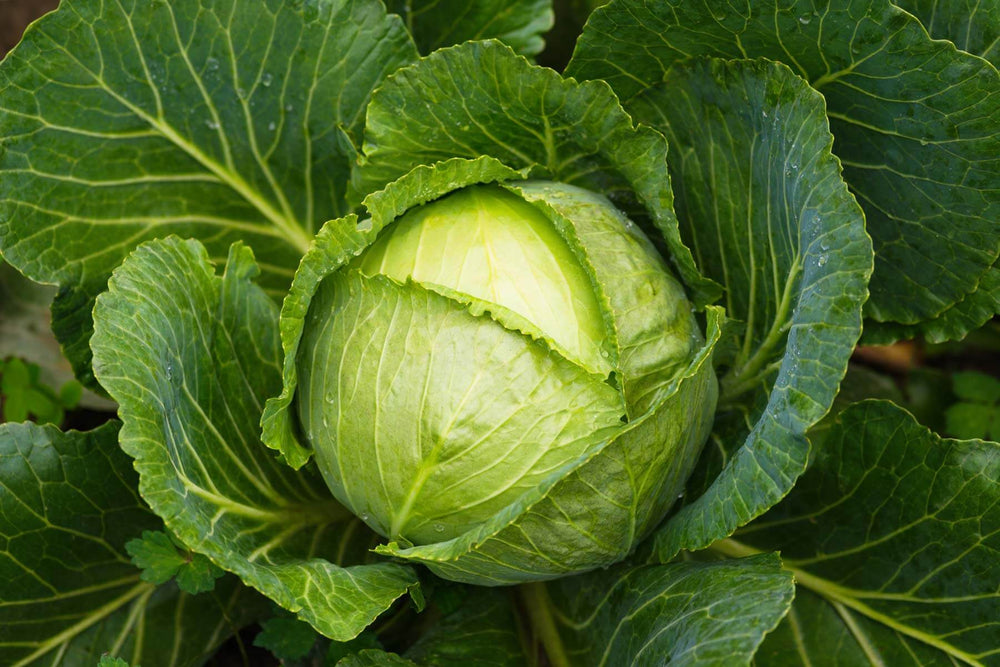
Image from bonnieplants.com.
Benefits of Organic Gardening
Organic gardening offers numerous benefits, both for the gardener and the planet. Firstly, it reduces your exposure to harmful pesticides and synthetic fertilizers, promoting a healthier lifestyle. Secondly, organic practices improve soil health, which leads to more robust plants and better yields.
Besides that, organic gardening supports biodiversity. By creating a balanced ecosystem, you attract beneficial insects that help control pests naturally. This not only protects your cabbage but also enhances the overall health of your garden. For more sustainable practices, consider exploring these rainwater harvesting tips to further support your gardening efforts.
Nutritional and Culinary Uses of Cabbage
Cabbage is a nutritional powerhouse, packed with vitamins C and K, fiber, and antioxidants. It’s a versatile vegetable that can be used in a variety of dishes, from salads and soups to fermented foods like sauerkraut and kimchi.
Incorporating cabbage into your diet can support digestion, boost your immune system, and contribute to overall health. Whether you prefer it raw, cooked, or fermented, cabbage offers a delicious and nutritious addition to your meals!
Selecting the Right Cabbage Variety
Choosing the right cabbage variety for your area is crucial for a successful harvest. Different varieties have unique characteristics, making them suitable for specific climates and growing conditions.
Popular Varieties for Organic Growth
Some popular cabbage varieties for organic growth include ‘Golden Acre‘, Savoy, and ‘Red Acre‘. Golden Acre is a compact variety that matures quickly, making it ideal for smaller gardens. Savoy has crinkled leaves and a milder flavor, perfect for salads and wraps. Red Acre is known for its vibrant color and resistance to pests. Chinese or Napa cabbage varieties are also great for Asian dishes such as stir fries or kimchi.

Image from unclejimswormfarm.com.
Climate Considerations
When selecting a cabbage variety, consider your local climate. Cabbage is a cool-season crop, thriving in temperatures between 60°F and 70°F. In warmer regions, opt for heat-resistant varieties or plan your planting schedule to avoid the hottest months.
In cooler climates, you can grow cabbage almost year-round, taking advantage of both spring and fall planting windows. Understanding your local climate will help you choose the best variety and timing for your organic cabbage garden.
Preparing Your Garden for Organic Cabbage
Preparing your garden is a critical step in growing organic cabbage successfully. Start by selecting a sunny location with well-drained soil. Cabbage requires at least six hours of sunlight daily to thrive.
Before planting, enrich your soil with organic matter such as compost or well-rotted manure. This provides essential nutrients and improves soil structure, creating an ideal environment for your cabbage plants.
- Test your soil pH and adjust if necessary to achieve a pH of 6 to 7.
- Incorporate organic matter to improve soil fertility and drainage.
- Plan for crop rotation to prevent soil depletion and disease buildup.
Soil Requirements
Cabbage thrives in fertile, well-drained soil with a pH of 6 to 7. Testing your soil before planting is essential to ensure optimal conditions. You can adjust the pH by adding lime to raise it or sulfur to lower it, depending on your soil’s needs.
Creating a Nutrient-Rich Environment
Creating a nutrient-rich environment is key to growing healthy organic cabbage. Start by adding organic matter such as compost or well-rotted manure to your soil. This improves soil structure, enhances nutrient availability, and promotes beneficial microbial activity.
Consider using organic fertilizers like fish emulsion or seaweed extract to provide additional nutrients throughout the growing season. These natural fertilizers support robust growth without the risk of chemical contamination. For more tips, check out this guide to growing cabbage.
Planning for Crop Rotation
Crop rotation is a fundamental practice in organic gardening, particularly for cabbage. By rotating crops, you prevent the buildup of soil-borne diseases and maintain soil fertility. Cabbage, being a heavy feeder, depletes the soil of nutrients, so rotating it with legumes or other nitrogen-fixing plants can help replenish the soil.
Plan your garden layout to rotate cabbage with non-related crops each year. This practice disrupts pest life cycles and reduces the risk of disease, leading to healthier and more productive plants.
How to Plant Cabbage
Planting cabbage requires careful planning and execution to ensure a bountiful harvest. Start by selecting a suitable site with full sun and well-drained soil. Prepare the soil by incorporating organic matter and adjusting the pH if necessary.

“Cabbage Plant: How to Grow, Care for …” from www.thespruce.com and used with no modifications.
Timing: Spring and Fall Considerations
Timing is crucial when planting cabbage. For a spring harvest, start seeds indoors 4 to 6 weeks before the last expected frost date. Transplant seedlings outdoors when they have 4 to 6 true leaves and the risk of frost has passed.
For a fall harvest, sow seeds directly in the garden in midsummer, allowing enough time for the plants to mature before the first frost. (If your summers are hot and dry, you can also start your cabbage seedlings indoors and transplant outside after 3-4 weeks, once they’ve established good roots.) Cabbage can tolerate light frost, which often enhances its flavor, and you can extend your harvest by covering your cabbages with row covers or blankets once freezing temperatures arrive. (We often harvest our fall cabbages as late as January here in Central Ohio.)
Planting Depth and Spacing
When planting cabbage, it’s important to ensure the right depth and spacing. Sow seeds about 1/4 inch deep and thin seedlings to 12 to 24 inches apart, depending on the variety. This spacing allows ample room for the cabbage heads to develop.
Space rows 24 to 36 inches apart to facilitate air circulation and reduce the risk of disease. Proper spacing is essential for healthy growth and optimal yields.
Companion Planting Strategies
Companion planting is an effective strategy to enhance cabbage growth and deter pests naturally. Planting cabbage alongside garlic, onions, or dill can help repel pests like cabbage worms and aphids.
Additionally, consider planting marigolds or nasturtiums nearby to attract beneficial insects that prey on cabbage pests. Companion planting creates a balanced ecosystem that supports your cabbage plants’ health and productivity.
Organic Care and Maintenance
Caring for your organic cabbage involves regular monitoring and maintenance to ensure healthy growth. By providing the right conditions and using natural methods, you can cultivate robust cabbage plants without resorting to chemicals.
Watering Needs
Cabbage requires consistent moisture to thrive. Water your plants deeply once a week, ensuring the soil remains evenly moist but not waterlogged. During hot, dry spells, you may need to water more frequently to prevent stress.
“Cabbage needs about 1 to 1.5 inches of water per week. Mulching can help retain soil moisture and reduce the frequency of watering.”
Mulching around your cabbage plants helps retain soil moisture, suppress weeds, and regulate soil temperature. Use organic mulches like straw or shredded leaves for the best results.
Natural Fertilizers and Soil Amendments
To support your cabbage plants’ growth, use natural fertilizers and soil amendments. Organic options like compost, fish emulsion, or seaweed extract provide essential nutrients without harmful chemicals.
Apply compost or well-rotted manure to the soil before planting, and use liquid fertilizers during the growing season to boost plant health. These natural amendments enrich the soil, promoting strong root development and lush foliage.
Pest and Disease Management
Managing pests and diseases is crucial for a successful cabbage crop. Use natural methods to control common pests like cabbage worms, aphids, and flea beetles. Handpick pests when you see them and use netting or floating row covers to protect young plants.
Encourage beneficial insects by planting flowers and herbs that attract them. Ladybugs and lacewings, for example, prey on aphids, while parasitic wasps target cabbage worms. A healthy garden ecosystem is your best defense against pests and diseases.

Image from cedarcirclefarm.org.
Harvesting and Enjoying Organic Cabbage
Harvesting cabbage at the right time ensures the best flavor and texture. Look for firm heads that have reached the desired size for the variety you’re growing.
After harvesting, store cabbage in a cool, humid environment to maintain freshness. Cabbage can be used in a variety of dishes, from salads and slaws to soups and stews. Its versatility makes it a valuable addition to any kitchen.
Indicators of Ripeness
Knowing when your cabbage is ripe is important for maximizing its flavor and nutritional value. The primary indicator of ripeness is a firm, dense head. You can gently squeeze the cabbage to check its firmness. If it feels solid and heavy for its size, it’s likely ready for harvest.
Another sign is the size of the head, which should match the expected size for the variety you’re growing. Cabbage heads that are too small may not have reached their full potential.
Best Practices for Harvesting
To harvest cabbage, use a sharp knife to cut the head at the base, leaving a few outer leaves intact on the stem. These leaves protect the plant and can encourage the growth of smaller side heads if left in place. Harvesting in the morning, when temperatures are cooler, can help preserve the cabbage’s crispness and flavor.
Be gentle when handling cabbage heads to avoid bruising, which can lead to spoilage. If you notice any damaged or discolored leaves, remove them before storage to maintain quality.
Storage and Culinary Techniques
Proper storage is essential to keep your cabbage fresh and flavorful. Store harvested cabbage in a cool, humid environment, such as a refrigerator crisper drawer, where it can last for several weeks. Wrapping the cabbage in a damp cloth or loose plastic bag can help maintain humidity and prevent wilting. (For longer storage, consider fermenting your own sauerkraut!)
Cabbage is incredibly versatile in the kitchen. It can be eaten raw in salads, slaws, and wraps or cooked in soups, stews, and stir-fries. Fermenting cabbage to make sauerkraut or kimchi is another popular option, offering both flavor and probiotic benefits.

Image from www.johnnyseeds.com.
Frequently Asked Questions:
As you embark on your organic cabbage growing journey, you may encounter questions or challenges along the way. Here are some common inquiries and solutions to help you succeed.
What Are the Best Organic Fertilizers for Cabbage?
Organic fertilizers like compost, fish emulsion, and seaweed extract are excellent choices for cabbage. These natural options provide essential nutrients without the risk of chemical contamination, supporting healthy growth and robust yields.
How Do I Prevent Common Cabbage Pests Naturally?
To prevent common cabbage pests, consider using floating row covers to protect young plants. Encourage beneficial insects by planting flowers and herbs that attract them. Handpicking pests and using natural sprays like neem oil can also help manage infestations.
Can I Grow Cabbage In Containers?
Yes, cabbages can be grown in containers. However, some varieties can grow very large and may take up a lot of container space, so it may be best to choose smaller-headed varieties for container growing. Keep in mind that cabbages prefer cool weather, so be sure your containers aren’t in a hot spot, or you may want to provide a bit of shade during the heat of the day.
Featured Image from thefreerangelife.com.


