Organic Eggplant Growing Guide: Sustainable Gardening Tips for Aubergine Success

Learn how to grow these hot-weather-loving beauties in your garden with our new organic eggplant growing guide…
Key Takeaways:
- Eggplants thrive in hot climates, ideally between 70°F and 90°F, and require full sun exposure.
- Start seeds indoors 8-10 weeks before the last frost date for optimal growth.
- Organic eggplant varieties include Black Beauty, Rosa Bianca, and Fairy Tale, each offering unique flavors and textures.
- Soil should be well-draining with plenty of organic matter; mix in sand and compost for best results.
- Companion planting with marigolds and basil can naturally deter pests and enhance growth.
Eggplants (also known as aubergines in some countries) are a staple in many gardens due to their versatility and rich taste. Growing them organically not only enhances their flavor but also contributes positively to the environment. Whether you’re aiming for a bountiful harvest or just starting out, this guide will walk you through the essential steps to grow eggplants sustainably.

Image from bonnieplants.com.
Organic Eggplant Growing Guide: Sustainable Gardening Tips for Aubergine Success
Let’s delve into the world of organic eggplant cultivation and explore the steps needed to achieve a successful harvest.
Best Eggplant Varieties for Organic Gardens
Choosing the right variety is important for successful eggplant cultivation. Some varieties are better suited for certain climates and growing conditions. For more detailed information, check out this organic growing guide for eggplants. Here are a few popular organic varieties:
- Black Beauty: A classic choice known for its large, deep purple fruits and robust flavor.
- Rosa Bianca: This Italian heirloom variety is prized for its creamy texture and mild taste.
- Ping Tung Long: A slender Asian variety with long, tender, sweet fruits perfect for grilling, stewing, or roasting.
Each of these varieties offers unique benefits, and selecting the right one can make a significant difference in your gardening experience. You can also choose varieties based on your growing season – especially if you have shorter summers or live in a cool climate.
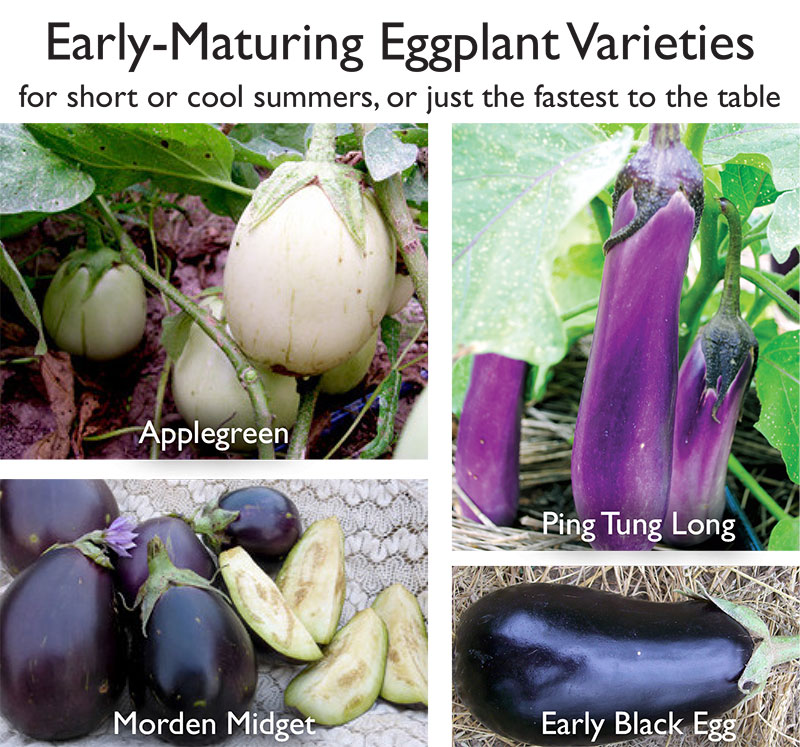
Image from blog.southernexposure.com.
Preparing Your Soil for Planting
Healthy soil is the foundation of any successful garden. Eggplants prefer well-draining soil rich in organic matter. Before planting, it’s essential to amend the soil with compost and sand to improve its structure and fertility. This not only provides the nutrients eggplants need but also enhances water retention and drainage.
Most importantly, ensure your soil has a pH level between 6.0 and 7.0. This range is ideal for eggplants, as it allows them to absorb nutrients efficiently. Testing your soil before planting can help you make any necessary adjustments to achieve this balance.
Seed Starting and Transplanting
Starting your eggplants from seeds gives you control over the growing process and ensures the plants are truly organic – plus it gives you a much greater choice of varieties. Timing and technique are key to successful seed starting and transplanting.
Choosing Quality Organic Seeds
When selecting seeds, opt for certified organic varieties. This guarantees that the seeds are free from genetic modifications and synthetic chemicals. Look for reputable suppliers who specialize in organic seeds to ensure you’re getting the best quality possible.
Consider the climate and growing conditions in your area when choosing seed varieties. For instance, if you live in a region with a short growing season, select a variety known for its quick maturity. This foresight can make a significant difference in your harvest.
“Starting seeds indoors 8-10 weeks before the last frost date gives eggplants a head start and ensures a robust growing season.”
This practice allows you to extend the growing season and increase your chances of a bountiful harvest.

Image from www.garden.eco.
Starting Seeds Indoors
Begin by filling seed trays with a high-quality, organic seed-starting mix. Sow the seeds about 1/4 inch deep and water them gently. Place the trays in a warm location, ideally between 70°F and 85°F, to promote germination.
Watering Needs and Best Practices
Watering eggplants properly is critical for their growth and fruit production. These plants thrive in consistently moist soil but don’t like to be waterlogged. Therefore, it’s essential to strike a balance. Water deeply once or twice a week, depending on rainfall and temperature, to encourage deep root growth. Mulching around the base of the plants can help retain moisture and reduce evaporation.
It’s best to water in the early morning to allow leaves to dry off during the day, minimizing the risk of fungal diseases. Drip irrigation systems can be particularly effective, as they deliver water directly to the soil, keeping foliage dry and reducing water waste. For more information on eggplant care, check out this planting, care & harvest guide.
Organic Fertilization Methods
Eggplants are heavy feeders, meaning they require a lot of nutrients to produce bountiful fruit. Organic fertilizers, such as compost, worm castings, and well-rotted manure, provide a slow release of nutrients that promote healthy growth. Start by mixing compost into the soil before planting, and continue with monthly applications of organic fertilizer throughout the growing season.
Another effective method is side-dressing, which involves placing fertilizer alongside the plant rows. This technique ensures that nutrients reach the roots efficiently. Additionally, using a liquid seaweed or fish emulsion as a foliar spray can provide a quick nutrient boost, especially during the flowering and fruiting stages.
Companion Planting for Pest Control
Companion planting is a natural way to deter pests and enhance the growth of your eggplants. Certain plants, when grown alongside eggplants, can repel harmful insects and attract beneficial ones. For instance, marigolds are known to deter nematodes and other garden pests, while basil can repel aphids and spider mites.

Image from www.healthyfood.com.
Besides that, planting herbs like thyme and rosemary can attract pollinators and beneficial insects that prey on common eggplant pests. It’s also wise to avoid planting eggplants near tomatoes or other nightshade family members, as they can compete for nutrients and attract similar pests.
- Marigolds: Repel nematodes and other pests.
- Basil: Deters aphids and spider mites.
- Thyme and Rosemary: Attract beneficial insects.
These companion plants not only aid in pest control but also add diversity and beauty to your garden. For more tips on enhancing your garden, explore these low-maintenance garden ideas.
Managing Pests and Diseases Organically
Eggplants can fall victim to various pests and diseases, but managing them organically ensures a healthy garden ecosystem. Understanding the common threats and how to address them naturally is key to a successful harvest.
Common Eggplant Pests and How to Manage Them
The most common pests affecting eggplants include flea beetles, aphids, and spider mites. Flea beetles, small jumping insects, create small holes in leaves and can severely stunt plant growth. To manage them, use floating row covers to physically block the insects and introduce beneficial nematodes to the soil to target their larvae.

Image from www.garden.eco.
Identifying and Treating Diseases
Eggplants can suffer from diseases such as verticillium wilt, powdery mildew, and blossom end rot. Identifying these diseases early is crucial. For instance, verticillium wilt causes yellowing and wilting of leaves. To prevent it, rotate crops annually and avoid planting eggplants in the same spot for consecutive years. Blossom end rot is often caused by inconsistent moisture levels, so be sure to water your eggplants regularly.
Natural Pest Control Solutions
“Neem oil is an effective organic solution for controlling a variety of pests, including aphids and spider mites. Apply it as a foliar spray in the early morning or late evening to avoid harming beneficial insects.”
Incorporating beneficial insects like ladybugs and lacewings can also help control aphid populations naturally. Additionally, creating a diverse garden with a variety of plants can attract these helpful predators.
By combining these natural methods, you can manage pests and diseases effectively without resorting to harmful chemicals.
Harvesting and Storing Your Eggplants
Knowing when and how to harvest eggplants is essential for enjoying their best flavor and texture. Proper storage techniques will also ensure that your harvest lasts longer.
When to Harvest for Best Flavor
Eggplants are ready to harvest when they reach their mature size and have a glossy skin. Gently press the fruit with your thumb; if it leaves an impression, it’s time to harvest. Avoid waiting too long, as overripe eggplants can become bitter and seedy.
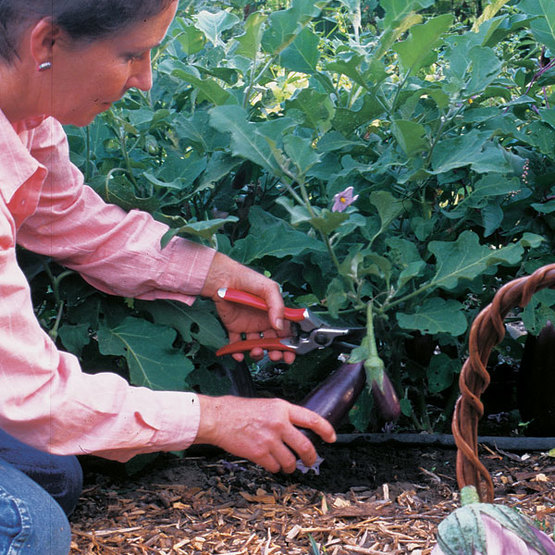
Image from www.finegardening.com.
Using a sharp knife or garden shears, cut the fruit from the plant, leaving a small stem attached. This method prevents damage to the plant and encourages further fruit production.
Methods for Proper Storage
After harvesting, store eggplants in a cool, dry place. They can be kept in the refrigerator for up to a week. To extend their shelf life, consider freezing or pickling them.
For freezing, slice the eggplants, blanch them briefly in boiling water, and then cool them in an ice bath. Place the slices in airtight containers or freezer bags. This method preserves their flavor and texture for several months.
By following these harvesting and storage tips, you can enjoy the fruits of your labor long after the growing season ends
Conclusion
Growing organic eggplants is not only rewarding but also contributes to a healthier lifestyle and environment. By following sustainable practices, you can enjoy a bountiful harvest while minimizing your ecological footprint. From selecting the right varieties to mastering the art of companion planting, each step in the process enhances your gardening experience.
Moreover, the knowledge and skills you gain from organic gardening can be applied to other crops, further expanding your sustainable gardening journey. By sharing your experiences and learning from others, you contribute to a community that values and practices environmentally-friendly gardening.

Image from yardandgarden.extension.iastate.edu.
The Benefits of Organic Eggplant Growing
Organic eggplant growing offers numerous benefits, including healthier produce, reduced environmental impact, and enhanced biodiversity. Organic methods avoid harmful chemicals, ensuring that your eggplants are safe to eat and rich in nutrients. Furthermore, organic gardening practices promote soil health, leading to more productive and resilient gardens.
Encouragement for Continuous Learning and Experimentation
Gardening is a continuous learning process. Each season presents new challenges and opportunities for growth. Embrace experimentation and don’t be afraid to try new techniques or varieties! By doing so, you not only improve your gardening skills but also discover what works best for your specific conditions.
Engage with other gardeners, share your successes and failures, and learn from their experiences. This collaborative approach enriches your knowledge and fosters a supportive community of sustainable gardeners.
Frequently Asked Questions
How long do eggplants take to grow from seed to harvest?
Eggplants typically take between 70 to 90 days from seed to harvest, depending on the variety and growing conditions. Starting seeds indoors and providing optimal care can help ensure a timely and successful harvest.
Can eggplants be grown in containers? Yes, eggplants can be successfully grown in containers, making them an excellent choice for urban gardening. Choose a container that is at least 12 inches deep and wide, with adequate drainage. Use high-quality potting soil and ensure the plants receive full sun and regular watering.
What are the most common pests affecting eggplants?
Common pests include flea beetles, aphids, and spider mites. Implementing organic pest control methods, such as using neem oil and introducing beneficial insects, can help manage these pests effectively.
How do I know when my eggplants are ready to harvest?
Eggplants are ready to harvest when they reach their mature size and have a glossy, firm skin. Gently pressing the fruit should leave a slight impression, indicating it’s time to pick.
Featured Image from www.backyardboss.net.

Related Posts
-
 6 Tips for Growing Great Fall Vegetables
- The Ugly Root Vegetable You’re Not Growing – But Should Be
- [Video] The Easiest Way to Cure Sweet Potatoes
- Organic Gardening Guide: Growing Dry Beans At Home As a Sustainable Protein Source
- [Video] Pruning Tomato Plants for Larger & Earlier Harvests
- [Video] How to Grow Lots of Lovely Lettuce In Your Garden


