Organic Onion Pest Control: Natural Solutions & Disease Management

Grow big, beautiful, healthy onions with these organic onion pest control tips for backyard gardens…
Key Takeaways:
- Onions are a natural pest repellent, but certain pests like thrips and onion maggots can still cause harm.
- Beneficial insects such as ladybugs and lacewings are natural predators that can help control onion pests.
- Companion planting with marigolds and chives can deter pests and enhance onion growth.
- Homemade organic sprays, like neem oil and a garlic-chili mix, can effectively protect onions from pests.
- Implementing smart crop rotation and maintaining healthy soil are foundational steps for preventing pest and disease problems.
When it comes to gardening, taking the organic route isn’t just about being trendy; it’s about cultivating a thriving ecosystem that benefits both your plants and the environment. Let’s dive right in and explore how you can keep your onions happy and healthy, minus the synthetic chemicals.
Protect Your Harvest Naturally
Imagine walking into your garden and seeing your onions bulging from the soil, robust and free from nibbling pests. That’s the goal, right? Well, achieving it without harsh chemicals is entirely possible. It’s all about working with nature, not against it…

Image from www.themeateater.com.
Why Organic Pest Control?
First off, why go organic? It’s simple. Chemical pesticides can be harmful to more than just pests; they can affect your health, beneficial insects, and the surrounding ecosystem. Organic pest control, on the other hand, maintains the delicate balance of your garden, keeping it safe for you, your family, and the bees and butterflies that pay you visits.
Top Onion Enemies and How to Fight Them
Even though onions have their own natural defenses, they’re not invincible. Thrips, onion maggots, and various fungal diseases can still cause trouble. But don’t fret; for each villain, there’s a hero waiting in the wings!
Thrips are tiny insects that love to feast on onion leaves, causing them to become discolored and distorted. To combat them, encourage or release predatory mites and pirate bugs that see thrips as a tasty snack!
Onion maggots, the larvae of a fly, are attracted to the smell of rotting onions. Preventing them starts with good sanitation practices like removing any diseased or rotting plants from your garden promptly.
Now, let’s talk about enlisting some six-legged allies to help us keep those pests in check.
Enlist These Beneficial Bugs
Beneficial insects are like the superheroes of the garden world. They keep the bad guys at bay while asking for nothing more than a place to call home. Let’s meet a couple of these garden guardians.
Ladybugs: Aphid Annihilators
Ladybugs are not only charming, but they’re also voracious predators of aphids, a common pest that can sometimes trouble onions. You can attract ladybugs to your garden by planting flowers like dill and fennel or simply buy them from a garden center and release them into your onion patch.
Lacewings: Predators with an Appetite for Thrips
Green lacewings are another ally. Their larvae are known as “aphid lions” for their appetite for aphids, but they’ll also happily munch on thrips. Planting a diverse range of flowers can attract these beneficial bugs, providing them with nectar and pollen when they’re not busy hunting.
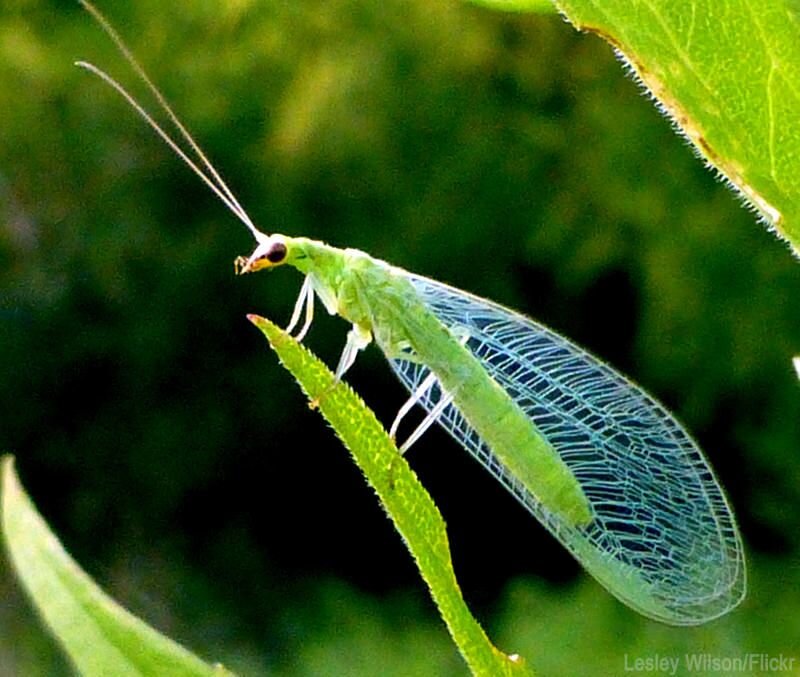
Image from www.beebetternaturally.com.
Besides that, there are other methods to naturally defend your onions, like companion planting, which not only adds beauty to your garden but can also play a critical role in pest management.
Companion Planting: Allies in the Garden
Companion planting is the practice of placing certain plants near each other for mutual benefit. Some plants can repel pests, improve growth, or even enhance the flavor of their garden neighbors. For instance, certain compact fruit trees can benefit greatly from being planted alongside compatible herbs and flowers that deter pests naturally.
Marigolds: More Than Just Pretty Flowers
Marigolds are more than just a splash of color in your garden. They’re known to repel a whole host of pests with their distinctive smell. Planting marigolds around your onions can help keep away unwanted visitors like nematodes and even some types of beetles.
Chives: Secret Weapon Against Japanese Beetles
Chives, with their subtle onion flavor, are great companions for almost any garden vegetable. They can help deter Japanese beetles and aphids, and as an added bonus, they attract pollinators with their pretty purple flowers!
With these companions by your side, your onions will be well-protected. But sometimes, you need to roll up your sleeves and get a little more hands-on with your pest control methods.
DIY Organic Sprays and Solutions
Some organic sprays are easy to make and surprisingly effective. These natural solutions can be your first line of defense against pests, and the best part is, they use ingredients you probably already have in your kitchen or can easily find at a local store.
Before reaching for commercial pesticides, consider these homemade alternatives. They’re safer for you and the environment, and many gardeners swear by their effectiveness. Remember, always test a small area first to ensure your plants tolerate the treatment well before spraying the whole plant.
Neem Oil: The Multi-Purpose Natural Insecticide
Neem oil is extracted from the seeds of the neem tree and it’s a gardener’s best friend. It’s effective against a wide range of pests, including thrips, aphids, and whiteflies. To make a neem oil spray, mix one teaspoon of neem oil with a half teaspoon of mild liquid soap and a quart of water. Spray this mixture on your onions every couple of weeks, or more frequently if you notice pests. It’s a preventative measure as much as a cure, so start early in the season. For more insights on natural pest control, check out this guide on organic pest control options for urban gardens.
Garlic and Chili: Spicing Up Pest Defense
Garlic and chili are not just for cooking; they make a potent pest repellent too! Crush a few cloves of garlic and a couple of hot chilies, and let them steep in a quart of water for at least 24 hours. Strain the liquid, add a squirt of liquid soap to help it stick to the leaves, and spray it on your onion plants. This spicy solution can deter even the most persistent pests, and it’s perfectly safe for your plants.
Example: After noticing aphids on my onion plants, I sprayed them with the garlic and chili mixture. Within days, the aphids had disappeared, and my onions continued to thrive without any sign of damage from the spray.
Prevention Is Better Than Cure
It’s a truth universally acknowledged by gardeners that preventing pest problems is far easier than curing them. That’s why smart gardening practices, like crop rotation and soil health management, are so important.

Image from bonnieplants.com.
Smart Crop Rotation: A Simple Yet Effective Strategy
Rotating your crops is a tried-and-true method to prevent many diseases and pest issues. Don’t plant onions or other alliums in the same spot year after year. Instead, follow them with a completely different type of crop, like carrots or lettuce. This breaks the life cycle of pests and diseases that prey on specific plant families. Here’s a simple crop rotation schedule:
- First year: Plant onions in your chosen spot.
- Second year: Follow with a leafy green like lettuce to refresh the soil.
- Third year: Plant a root vegetable that’s not in the onion family, such as carrots or turnips, to break up the soil and disrupt any lingering pests.
- Fourth year: It’s safe to plant onions again in the original spot.
By rotating your crops, you’re not just dodging pests and diseases; you’re also promoting a more nutrient-rich soil for future plantings!
Healthy Soil Management: The Foundation of Plant Health
A healthy plant is less likely to succumb to pests and diseases, and healthy soil is the key to a healthy plant. Ensure your soil is well-drained and rich in organic matter. Add compost regularly, and consider using cover crops in the off-season to keep the soil alive and kicking with beneficial microorganisms.
Remember, onions prefer a slightly acidic to neutral pH, so test your soil and adjust accordingly. Keeping your soil in tip-top condition can make all the difference in the health of your onions.
Spot the Signs: Early Detection of Diseases
Part of being a proactive gardener is keeping an eagle eye on your plants for any signs of distress. The sooner you spot a problem, the easier it is to manage.
Identifying Fungal Foes
Fungal diseases like purple blotch and downy mildew can be a nightmare for onion growers. They often present as discolored spots or fuzzy growths on the leaves. If you catch them early, you can remove affected foliage and apply a fungicide made from baking soda, liquid soap, and water. Regularly check your plants, especially after a spell of wet weather, as this is when fungus tends to strike.
By taking these organic approaches, you’re not just protecting your onions; you’re nurturing an entire ecosystem. This harmonious balance is the beauty of organic gardening. You’ll be amazed at how nature, when given a chance, works in wonderful ways to keep your garden flourishing!
Frequently Asked Questions:
Now, let’s address some frequently asked questions about organic onion pest control.
What Are the Most Common Pests Affecting Onions?
Onions can be susceptible to a few persistent pests. The most common culprits include:
- Onion Thrips: Tiny insects that cause silvery, desiccated patches on leaves.
- Onion Maggots: Fly larvae that feed on the roots and can kill young plants.
- Slugs and Snails: These pests enjoy munching on the tender leaves and can be a nuisance, especially in damp conditions.
Each of these pests has its own preferred method of attack, but the organic control strategies we’ve discussed can help keep them all in check.
Are Homemade Organic Sprays Effective for All Pests?
While homemade organic sprays can be incredibly effective, they may not work on every single pest. For example, neem oil is great against thrips and aphids, but it might not be as effective against larger pests like slugs. It’s important to identify the pests you’re dealing with and choose your organic arsenal accordingly.
It’s also crucial to apply these sprays correctly. Coverage is key — ensure you’re reaching the undersides of leaves and the base of the plants. Consistency is also important; reapply after rain or as recommended by the recipe.
Remember, organic sprays are part of a larger integrated pest management strategy. They work best in conjunction with other practices like companion planting, crop rotation, and fostering beneficial insects.
How Often Should I Rotate My Onion Crops?
Rotating your onion crops every year is essential. A good rule of thumb is to wait at least three years before planting onions in the same spot again. This practice helps to prevent the buildup of soil-borne diseases and disrupts the life cycle of pests that prefer onions.
Can Companion Plants Really Deter Pests?
Yes, companion plants can deter pests, but they aren’t a silver bullet. They work by either repelling pests with their scent, like marigolds, or by attracting beneficial insects that prey on pests, like chives. It’s a subtle yet effective way to enhance your garden’s defense system.
Tip: I planted marigolds around my onions and noticed a significant reduction in the number of aphids on the nearby plants. It was a simple addition that made a noticeable difference.
Companion planting is an excellent first line of defense and works well in tandem with other organic methods.
What Are Some Signs That My Onions Are Diseased?
It’s important to recognize the signs of disease early. Look out for symptoms of onion diseases such as:
- Discolored or wilted leaves, which could indicate fungal infections like blight or white rot.
- Soft, mushy spots on the bulbs, which may be a sign of bacterial soft rot.
- Irregular growth or deformed bulbs, which can be caused by onion smut or pink root.
Once you spot these signs, remove and dispose of the affected plants to prevent the spread of disease. Adjust your watering practices, as overwatering can contribute to many onion diseases. And consider using organic fungicides if necessary as part of your disease management strategy.
By keeping these FAQs in mind and applying the organic methods we’ve discussed, you’ll be well on your way to a bountiful, pest-free onion harvest! Remember, the key to success in organic gardening is patience, observation, and working alongside nature. With these principles, you’ll not only grow healthy onions but also cultivate a garden that’s a resilient, living ecosystem.
Featured Image from morningchores.com.

Related Posts
-
 [Video] Low-Compost Gardening: A Simpler Way to Build Healthy Soil
- [Free Garden Training] Learn How to Grow Your Own Food At Home from a Backyard Farmer
- [Video] How to Ripen Green Tomatoes
- [Video] 8 Ways to Garden In Harmony With Nature
- Rainwater Harvesting Tips & Benefits for Urban Gardening
- How to Build Your Own Worm Farm – Step-By-Step


