Organic Summer Squash Growing Guide: Sustainable Tips & Techniques

Check out this helpful guide to growing a bounty of delicious organic summer squash in your garden this year!
Key Takeaways:
- Start planting summer squash when soil temperatures reach 70°F for optimal growth.
- Choose from varieties like zucchini, pattypan, and crookneck for diverse flavors and shapes.
- Prepare your soil with organic compost to ensure rich, nutrient-dense growing conditions.
- Implement natural pest control methods such as companion planting to protect your crops.
- Harvest squash when they are young and tender for the best taste and texture.
Starting with Organic Summer Squash: Essential Tips
Embarking on the journey of growing organic summer squash can be both rewarding and exciting. This vibrant and versatile vegetable is not only a staple in many gardens but also a favorite in kitchens worldwide. From the moment you decide to plant summer squash, you’re setting yourself up for a delightful experience filled with abundant harvests and delicious summer meals!

Image from nosweatvegan.com.
Choosing the Right Summer Squash Variety
When it comes to summer squash, variety is the spice of life. From the classic zucchini to the unique pattypan, each type brings its own set of flavors and culinary possibilities. Selecting the right variety depends on your personal taste preferences and the space available in your garden.
Zucchini, with its elongated shape, tender flesh, and mild taste, is a versatile option that works well in a range of dishes. If you’re looking for something with a bit more character, consider the pattypan squash, known for its distinct scalloped edges and buttery flavor. For those who enjoy a bit of sweetness, the crookneck squash offers a delightful twist with its curved neck and tender skin. There are so many delicious options to choose from!
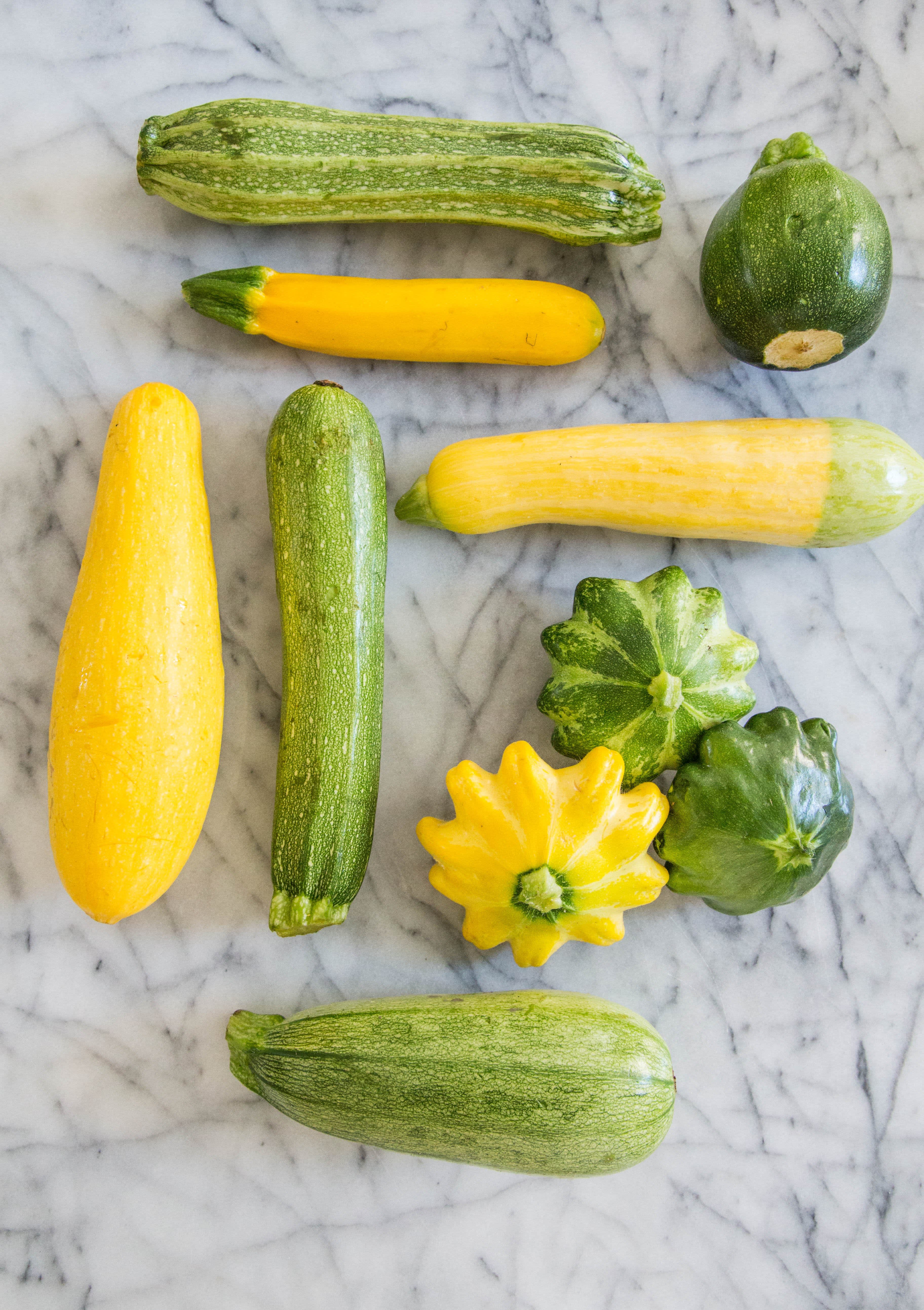
Image from www.thekitchn.com.
Ideal Planting Conditions for Optimal Growth
To ensure your summer squash thrives, it’s crucial to provide the right growing conditions. These sun-loving plants require plenty of sunlight, so choose a spot in your garden that receives at least 6-8 hours of direct sunlight each day. Additionally, make sure the soil is well-drained and rich in organic matter.
Before planting, test your soil to determine its pH level. Summer squash prefers slightly acidic to neutral soil, with a pH range of 6.0 to 7.5. If your soil needs adjustment, consider adding organic amendments such as compost or aged manure to enhance its structure and nutrient content.
For more detailed tips, check out this guide.
Preparing Your Garden for Summer Squash
Preparation is key to a successful squash harvest. By taking the time to properly prepare your garden, you’ll set the stage for healthy plants and bountiful yields!
Soil Preparation and Amendment
Start by clearing the planting area of any debris or weeds, as these can compete with your squash for nutrients and water. Next, work in a generous amount of organic compost or well-rotted manure to enrich the soil. This not only provides essential nutrients but also improves soil texture and water retention.
Consider conducting a soil test to identify any nutrient deficiencies. Based on the results, you can tailor your amendments to address specific needs, ensuring your squash has access to all the elements it requires for vigorous growth.
Best Time for Planting Summer Squash
Timing is everything when it comes to planting summer squash. Wait until the danger of frost has passed and the soil temperature has reached at least 70°F. This usually occurs in late spring or early summer, depending on your local climate.
Planting too early can result in stunted growth or damage from cold temperatures. Conversely, planting too late may lead to a shortened growing season and reduced yields. Keep an eye on the weather forecast and soil conditions to determine the optimal planting window for your area.

Image from stacylynharris.com.
Spacing and Arrangement for Healthy Growth
Proper spacing is essential to allow your squash plants to grow and spread without competition. Space the plants about 24 to 36 inches apart in rows that are 3 to 5 feet apart. This provides ample room for air circulation, reducing the risk of fungal diseases and promoting healthy development.
Consider using a trellis or support system for vining varieties, as this can help save space and keep the fruit off the ground. This not only makes harvesting easier but also minimizes the risk of pests and rot.
By following these guidelines, you’ll create an ideal environment for your summer squash to flourish, resulting in a productive and rewarding garden experience!
Nurturing Your Organic Summer Squash
Once your summer squash is planted, the next step is nurturing it to ensure a healthy, bountiful harvest. This involves consistent care, including proper watering, fertilization, and pest management. Each of these components plays a crucial role in the growth and productivity of your plants.
Watering Techniques That Work
Watering is a fundamental aspect of caring for your summer squash. These plants require consistent moisture, especially during flowering and fruiting stages. Aim to provide about 1 to 1.5 inches of water per week, either through rainfall or irrigation. It’s best to water deeply and infrequently to encourage strong root development.
To avoid fungal diseases, water your squash in the early morning. This allows any excess moisture on the leaves to evaporate as the day warms up. Drip irrigation or soaker hoses are excellent options, as they deliver water directly to the root zone, minimizing leaf wetness and conserving water.

Image from extension.umn.edu.
Organic Fertilizer Options and Application
Summer squash is a heavy feeder, meaning it requires a good amount of nutrients to thrive. Start by enriching your soil with compost at planting time, but don’t stop there. Throughout the growing season, supplement with organic fertilizers to keep your plants well-nourished.
- Compost Tea: A nutrient-rich liquid that can be applied every few weeks to boost plant growth.
- Fish Emulsion: A balanced, all-purpose fertilizer that provides essential nutrients and can be used as a foliar spray.
- Bone Meal: High in phosphorus, it supports healthy root and flower development.
Apply these fertilizers according to the package instructions, being careful not to over-fertilize, as this can lead to lush foliage at the expense of fruit production.
Pest and Disease Management
Pests and diseases can pose significant challenges to your summer squash plants. However, by employing organic management strategies, you can protect your plants without resorting to harsh chemicals.

Image from www.gardenia.net.
Common pests include squash bugs, cucumber beetles, and squash vine borers. Hand-picking, insecticidal soap, and neem oil can be effective organic control methods.
For diseases like powdery mildew, ensure good air circulation by spacing plants adequately and pruning overcrowded foliage. If you notice signs of infection, remove affected leaves promptly and apply organic fungicides as needed.
For more tips on avoiding common issues, check out our guide on dealing with blossom end rot.
Harvesting and Using Summer Squash
Harvesting summer squash at the right time is crucial for enjoying its full flavor and nutritional benefits. Knowing when and how to pick your squash will ensure you get the most out of your garden’s bounty.
Identifying Maturity and Harvesting Properly
Summer squash is best harvested when it is young and tender. For zucchini, this is typically when the fruits are 6 to 8 inches long. Pattypan and crookneck varieties should be picked when they reach 3 to 4 inches in diameter. Harvesting regularly encourages the plant to produce more fruit.
Use a sharp knife or pruning shears to cut the squash from the vine, leaving a small portion of the stem attached. This helps prevent damage to the plant and reduces the risk of disease entry.
Storage Techniques for Freshness
After harvesting, it’s important to store your summer squash properly to maintain its freshness. Store unwashed squash in a perforated plastic bag in the refrigerator’s crisper drawer. This allows for some airflow while keeping the squash hydrated. Properly stored, summer squash can last for about a week.
If you find yourself with an abundance of squash, consider freezing it for later use. Simply slice the squash, blanch it in boiling water for a few minutes, and then transfer it to an ice bath. Once cooled, pack the slices into freezer bags and store them for up to six months. For more tips, on freezing produce, check out this guide.

Image from kalynskitchen.com.
Delicious Recipes to Try with Homegrown Squash
There’s nothing quite like enjoying a meal made from your homegrown produce. Summer squash is incredibly versatile and can be used in a variety of dishes, from savory to sweet.
One of my favorite recipes is a simple sautéed zucchini with garlic and olive oil! Slice the zucchini into thin rounds, then sauté them in a pan with minced garlic and a splash of olive oil until tender. Season with salt, pepper, and a sprinkle of Parmesan cheese for a quick, delicious side dish.
For a heartier option, try making a squash casserole. Layer sliced squash with onions, tomatoes, and cheese, then bake until bubbly and golden. This comforting dish is perfect for family dinners or potlucks.
Maintaining Sustainability in Your Garden
Sustainability is a key principle in organic gardening. By adopting practices that support the environment, you can ensure the health of your garden for years to come.
One effective method is companion planting, which involves growing plants together that benefit each other. For example, planting marigolds alongside your squash can deter pests and improve soil health.
Another important practice is crop rotation. By rotating your crops each season, you can prevent soil depletion and reduce the buildup of pests and diseases.
Using Companion Planting for Better Yields
Companion planting is a time-tested strategy that can significantly boost your garden’s productivity. By planting certain crops together, you can naturally repel pests, improve soil health, and enhance growth. For summer squash, consider pairing it with marigolds, which deter nematodes and other harmful insects. Additionally, beans can be a great companion as they fix nitrogen in the soil, providing essential nutrients for your squash plants.

Image from www.gardeningknowhow.com.
Composting and Recycling in the Garden
Composting is an excellent way to recycle garden waste and kitchen scraps into nutrient-rich soil amendments. By adding compost to your garden, you improve soil structure, increase water retention, and provide a slow-release source of nutrients. Start by collecting vegetable peels, coffee grounds, and yard waste in a compost bin. Turn the pile regularly to aerate it and speed up the decomposition process. In a few months, you’ll have rich, dark compost ready to nourish your summer squash.
Planning for Crop Rotation
Crop rotation is a critical practice for maintaining soil health and preventing pest and disease buildup. By changing the location of your squash plants each year, you disrupt the life cycles of pests and reduce the risk of soil-borne diseases. A simple rotation plan might involve planting squash in a different section of the garden each year, following crops like beans or peas that enrich the soil. This not only benefits your squash but also supports a diverse and resilient garden ecosystem!
Frequently Asked Questions
Gardening can sometimes feel overwhelming, especially when faced with unexpected challenges. Here are some common questions and answers to help you grow healthy, productive summer squash.
How Often Should I Water My Summer Squash?
Summer squash needs consistent moisture to thrive. Water deeply once a week, providing about 1 to 1.5 inches of water. During hot, dry periods, you may need to water more frequently to prevent stress. Always check the soil moisture before watering to avoid overwatering, which can lead to root rot.
What Are Common Pests and How Do I Control Them Organically?
Common pests that affect summer squash include squash bugs, cucumber beetles, squash vine borers, and aphids. Hand-picking and using insecticidal soap or neem oil can help control these pests. Encourage natural predators like ladybugs by planting flowers such as marigolds and nasturtiums nearby. Additionally, floating row covers can protect young plants from insect damage.
Can I Grow Summer Squash in Containers?
Yes, summer squash can be successfully grown in containers. Choose a large pot, at least 18 inches in diameter, and fill it with high-quality potting soil. Ensure the container has good drainage and place it in a sunny location. Water regularly and fertilize every few weeks with a balanced organic fertilizer to support growth.
What Companions Plants Work Well with Summer Squash?
Besides marigolds and beans, consider planting radishes, which can deter squash vine borers. Herbs like oregano and dill can also be beneficial, as they attract pollinators and beneficial insects. Avoid planting squash near potatoes, as they can compete for nutrients and attract similar pests.
How Do I Deal with Powdery Mildew Naturally?
Powdery mildew is a common fungal disease that affects squash. To prevent it, ensure good air circulation by spacing plants adequately and pruning overcrowded foliage. If mildew appears, apply a homemade spray of 1 part milk to 9 parts water to the affected leaves. This natural remedy can help control the spread of the disease.
- Monitor your plants regularly for signs of pests and diseases.
- Rotate crops annually to maintain soil health.
- Use organic fertilizers to support growth without chemicals.
- Harvest squash when young for the best flavor and texture.
- Store squash in a cool, dry place to extend freshness.
By following these sustainable gardening practices, you’ll not only enjoy a bountiful harvest but also contribute to a healthier environment. Whether you’re a seasoned gardener or just starting out, growing organic summer squash can be a rewarding and fulfilling experience!
Featured Image from kellogggarden.com.


