Root Cellar Vegetable Storage Tips & Best Practices

Root cellars have been used for centuries to store vegetables and other perishables, taking advantage of the earth’s natural cooling and insulating properties. Here are a few root cellar vegetable storage tips to make the most of your harvest.
Key Takeaways:
- A root cellar is an excellent method for storing vegetables, maintaining freshness without electricity.
- Ideal root cellar conditions include a temperature between 32-40°F and humidity levels of 85-95%.
- Common vegetables stored include carrots, potatoes, and beets, but some fruits like apples can also be stored.
- Maintaining good ventilation and organizing produce properly can prevent spoilage and extend storage time.
- Regular checks and monitoring are crucial to address issues like mold and pests promptly.
Optimizing Your Root Cellar for Vegetable Storage
Importance of Root Cellars
Root cellars have been used for centuries as a natural way to store food. They take advantage of the earth’s natural insulating properties to keep vegetables cool and humid, which is perfect for extending the shelf life of many kinds of produce. With no need for electricity, root cellars are an eco-friendly and cost-effective solution for preserving food.
Most importantly, a well-maintained root cellar can help you enjoy fresh, homegrown vegetables throughout the winter months. To maximize the efficiency of your root cellar, it’s important to understand the ideal conditions for storing different types of vegetables. By understanding how to create the right conditions, you can maximize the benefits of your root cellar and reduce food waste significantly.

Image from cachevalleyfamilymagazine.com.
Creating the Perfect Environment
Creating the ideal environment in your root cellar is crucial for effective storage. The key is to maintain a consistent temperature and humidity level. The temperature should ideally range from 32-40°F (0-4°C), which helps slow down the natural decay process of vegetables. High humidity levels, between 85-95%, prevent the produce from drying out.
Besides that, it’s essential to ensure proper ventilation in your root cellar. Good airflow prevents the buildup of ethylene gas, which can accelerate ripening and spoilage. Regularly checking your root cellar for any signs of mold or pest infestation is also vital to maintain a healthy storage environment.
Choosing the Best Vegetables for Root Cellar Storage
Not all vegetables are suitable for root cellar storage. Understanding which types thrive in a root cellar will help you make the most of this traditional storage method. Generally, root vegetables and certain fruits do well under these conditions.
Root Vegetables Overview
Root vegetables like carrots, beets, parsnips, and potatoes are ideal candidates for root cellar storage. These vegetables are hardy and can withstand the cool, humid environment of a root cellar. They tend to retain their freshness and nutritional value for several months when stored properly.
Winter Squash and Pumpkins
Winter squash and pumpkins also benefit from root cellar storage. Unlike root vegetables, they prefer a slightly warmer and drier environment. Therefore, it’s crucial to store them in a separate section of your root cellar to ensure they remain in optimal condition.
To illustrate, a friend of mine stored her winter squash in a root cellar last year. By keeping them in a dry corner, she was able to enjoy delicious squash soups well into spring. This example highlights the importance of knowing the specific needs of each type of produce.

Image from www.treehugger.com.
Humidity Management
Maintaining the right humidity levels in your root cellar is crucial for keeping your vegetables fresh and crisp. If the air is too dry, your produce may shrivel and lose its texture. Conversely, excessive humidity can lead to mold growth and spoilage. To manage humidity effectively, you can use a hygrometer to monitor the levels regularly.
One practical method to increase humidity is to place shallow pans of water around the cellar. As the water evaporates, it adds moisture to the air. On the other hand, if you need to reduce humidity, consider using a dehumidifier or ensuring better ventilation to allow excess moisture to escape.
Ventilation Essentials
Proper ventilation is another critical aspect of root cellar maintenance. Good airflow prevents the buildup of ethylene gas and helps maintain consistent temperature and humidity levels. Without adequate ventilation, your produce might ripen too quickly or spoil.
There are several ways to ensure your root cellar is well-ventilated. Installing vents at both the top and bottom of the cellar allows for natural air circulation. You can also use fans to improve airflow if necessary. Additionally, make sure to clear any blockages from vents regularly to maintain effective ventilation. For more detailed guidance, check out this guide on root cellars.
- Install vents at different heights for natural circulation.
- Use fans to boost airflow if needed.
- Regularly check for and remove any obstructions in vents.
By keeping these points in mind, you can ensure that your root cellar remains an ideal environment for storing your produce.
Regular Monitoring Practices
Regularly checking your root cellar is essential to catch any issues before they become serious problems. This includes monitoring temperature, humidity, and the condition of your stored produce. Make it a habit to inspect your cellar at least once a week.
During these checks, look for signs of spoilage, such as mold or rot, and remove any affected items immediately to prevent them from affecting other produce. Keep an eye on temperature and humidity readings, adjusting as necessary to maintain optimal conditions. This proactive approach will help you maximize the shelf life of your stored vegetables.
Strategies for Organizing and Rotating Produce
Organizing your root cellar effectively can make a significant difference in how long your vegetables stay fresh. Proper organization not only makes it easier to access your produce but also helps in maintaining the right conditions for each type of vegetable.
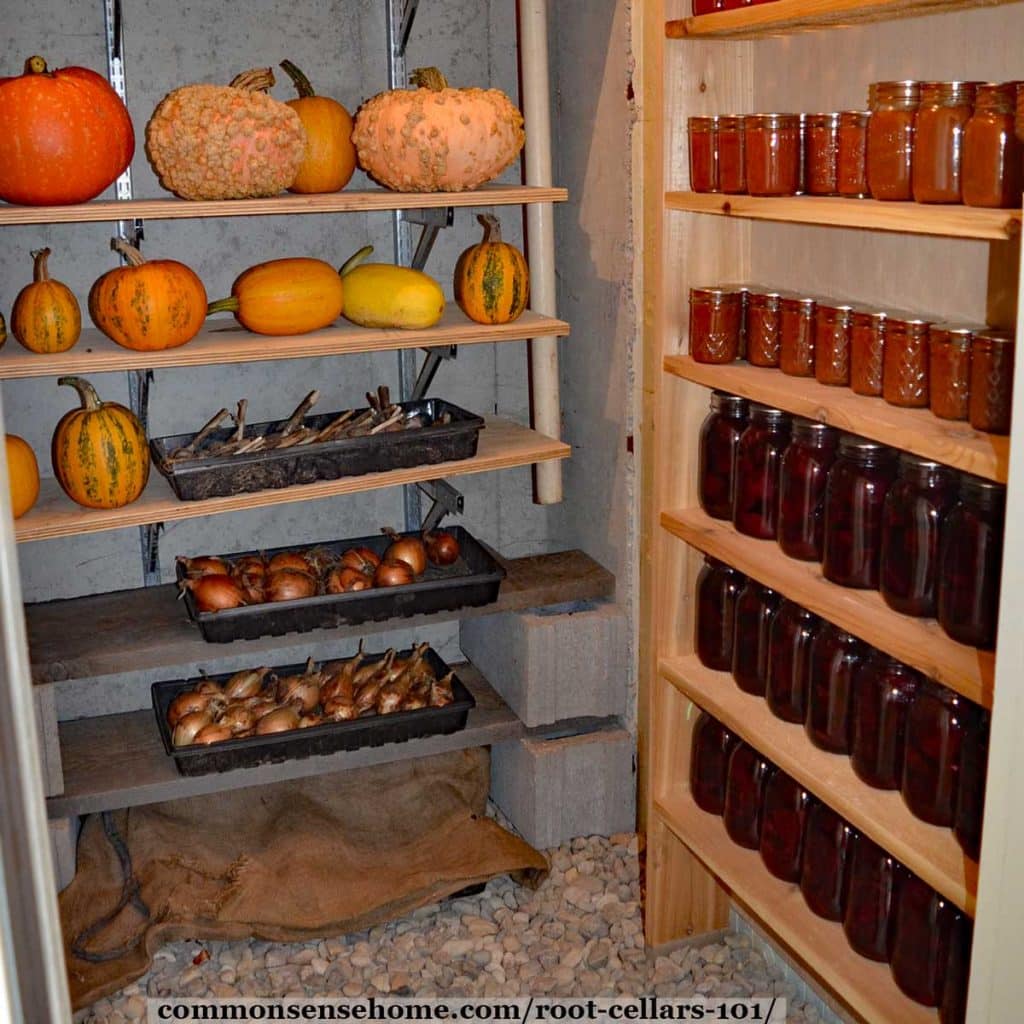
Image from commonsensehome.com.
Effective Storage Arrangements
When arranging your root cellar, consider the specific needs of each type of produce. For example, root vegetables like carrots and potatoes can be stored in bins or boxes filled with sand to help maintain moisture. Meanwhile, fruits such as apples should be kept separate from vegetables to prevent the release of ethylene gas, which can speed up ripening.
Layering and Separating Produce
Layering and separating produce can also help in preserving their quality. Use shelves or crates to create different layers, allowing for better air circulation. This method also makes it easier to access specific items without disturbing others.
For instance, store potatoes and onions in separate bins to prevent them from affecting each other’s flavors. By keeping similar items together, you can easily monitor their condition and ensure they remain fresh.
Monitoring and Removing Spoiled Items
Regularly checking for spoiled items is crucial to prevent them from affecting the rest of your stored produce. As soon as you notice any signs of spoilage, such as soft spots or mold, remove the affected items immediately.
By doing this, you can minimize the risk of contamination and maintain the overall quality of your stored vegetables. It’s also a good practice to clean the storage containers periodically to remove any lingering bacteria or mold spores.
Rotating for Freshness
Rotating your produce is another essential practice for maintaining freshness. When adding new vegetables to your root cellar, place them behind the older ones. This ensures that you use the older produce first, reducing the likelihood of spoilage. For more tips, check out this guide on keeping veggies fresh in a root cellar.
Regular rotation also helps you keep track of the condition of your stored items, allowing you to take action before any issues arise. By implementing these strategies, you can optimize the storage of your vegetables and enjoy fresh produce throughout the year!
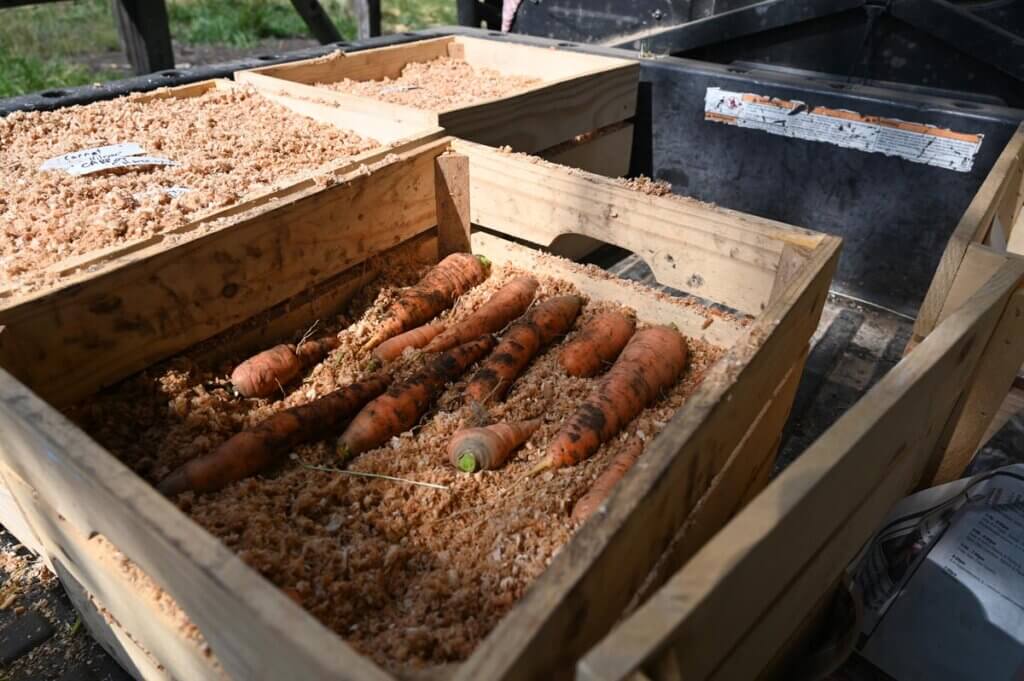
Image from homesteadingfamily.com.
Root Cellar Maintenance and Upkeep
Maintaining your root cellar is a continuous process that requires regular attention. By following a few simple guidelines, you can ensure that your root cellar remains a reliable storage solution for your vegetables.
Checklist for Inspection and Cleaning
To keep your root cellar in top condition, create a checklist for regular inspection and cleaning. This should include checking for signs of pests, mold, or structural issues, as well as cleaning shelves and containers.
Addressing Pest and Mold Issues
Pests and mold can pose significant threats to your stored produce. Therefore, it’s essential to address these issues promptly to prevent them from spreading.
“If you notice any signs of pests, such as droppings or gnawed produce, take action immediately by setting traps or using natural repellents.”
For mold, ensure your root cellar is well-ventilated and maintain appropriate humidity levels. Regular cleaning and monitoring can also help prevent mold growth.
By staying vigilant and addressing any issues promptly, you can maintain the effectiveness of your root cellar and enjoy fresh, homegrown vegetables for months.
Improvements for Efficiency
Improving the efficiency of your root cellar can make a significant difference in preserving your vegetables. Consider upgrading your ventilation system to ensure consistent airflow, which helps maintain the right temperature and humidity levels. Additionally, insulating the walls and ceiling can help stabilize the internal environment, making it easier to control the conditions within the cellar.
Another way to enhance efficiency is by organizing your produce strategically. Use labeled bins or crates to categorize different types of vegetables, making it easier to rotate and monitor them. This not only saves time but also reduces the risk of spoilage. For more on keeping your vegetables fresh, check out this guide to root vegetable storage.

Image from www.hobbyfarms.com.
Final Recommendations
In conclusion, a well-maintained root cellar is an invaluable asset for preserving fresh vegetables throughout the year. By following the tips outlined in this guide, you can create the ideal environment for your produce, ensuring they remain fresh and nutritious for months!
Remember to regularly monitor the temperature and humidity levels, as well as the condition of your stored items. By staying vigilant, you can quickly address any issues that arise, preventing them from affecting the rest of your produce.
Finally, make it a habit to inspect and clean your root cellar regularly. This proactive approach will help you maintain a reliable storage solution for your vegetables and reduce food waste significantly.
Long-Term Storage Benefits
One of the main benefits of a root cellar is its ability to provide long-term storage without the need for electricity. This not only saves on energy costs but also offers a sustainable solution for preserving food. By utilizing a root cellar, you can reduce your reliance on modern refrigeration methods and embrace a more eco-friendly lifestyle.
Additionally, storing your vegetables in a root cellar can help you enjoy fresh, homegrown produce even during the winter months. This not only enhances your self-sufficiency but also allows you to savor the flavors of your garden year-round.
Enhancing Self-Sufficiency
A root cellar plays a crucial role in enhancing self-sufficiency. By storing your vegetables effectively, you can rely less on store-bought produce and enjoy the satisfaction of consuming homegrown food. This not only supports a more sustainable lifestyle but also fosters a deeper connection with the food you eat!
Frequently Asked Questions
To help you make the most of your root cellar, here are some common questions and their answers:
What are the best vegetables to store in a root cellar?
Root vegetables such as carrots, potatoes, and beets are ideal for root cellar storage due to their ability to thrive in cool, humid environments. Additionally, winter squash and pumpkins can be stored in a slightly warmer and drier section of the cellar.
Other suitable vegetables include parsnips, turnips, and onions. Each of these vegetables has specific storage requirements, so it’s essential to understand their needs to maximize their shelf life.
How do I maintain the right humidity levels?
To maintain the right humidity levels in your root cellar, use a hygrometer to monitor the air moisture. If the humidity is too low, place shallow pans of water around the cellar to increase moisture through evaporation. Conversely, if the humidity is too high, improve ventilation or use a dehumidifier to reduce moisture levels.
What should I do if my root cellar is too warm?
If your root cellar is too warm, there are several steps you can take to cool it down. First, ensure that your ventilation system is functioning correctly, as proper airflow helps regulate temperature. You can also insulate the walls and ceiling to prevent external heat from affecting the internal environment.
Another option is to install a small fan or air conditioning unit to help maintain a consistent temperature. By addressing temperature issues promptly, you can preserve the quality of your stored vegetables.
- Check ventilation for blockages and clear them.
- Consider adding insulation to walls and ceiling.
- Use fans or AC units for better temperature control.
Can I store fruits like apples in the root cellar?
Yes, you can store apples in a root cellar, but it’s important to keep them separate from vegetables. Apples produce ethylene gas, which can cause other produce to ripen and spoil faster. Store them in a designated section or use a barrier to prevent gas transfer.
Besides apples, pears and other hardy fruits can also be stored in a root cellar, provided they are kept in appropriate conditions. Always monitor their condition and separate any that show signs of spoilage.
By understanding the specific needs of each type of produce, you can make the most of your root cellar’s storage capabilities.
How often should I check my root cellar for spoilage?
It’s essential to check your root cellar for spoilage at least once a week. During these inspections, look for any signs of mold, rot, or pest infestation. Promptly remove any affected items to prevent them from contaminating the rest of your stored produce.
Regular checks also allow you to monitor temperature and humidity levels, ensuring that your root cellar remains an ideal storage environment. By staying proactive, you can maintain the quality and freshness of your vegetables for an extended period.
Featured Image from www.bhg.com.


