Seasonal Container Gardening Tips: Transitioning with Perennial Winter Pots

Transition your container garden to the winter season & maintain your potted perennials with these seasonal container gardening tips…
Key Takeaways:
- Perennial winter container pots offer year-round garden interest while saving money compared to replanting annually
- For successful winter containers, select plants that are two zones hardier than your growing region
- Container material matters significantly—plastic, composite, and wood withstand freezing temperatures better than ceramic or terracotta
- Proper insulation techniques like larger pots, mulching, and strategic placement dramatically increase winter survival rates
- Proven Winners offers specialized perennials and shrubs specifically bred for container performance through harsh winters
Winter doesn’t mean your garden containers need to sit empty and forgotten! With the right perennial selections and proper preparation, your pots can provide stunning visual interest through even the coldest months. The secret is understanding which plants can withstand container life in winter and how to protect them effectively.
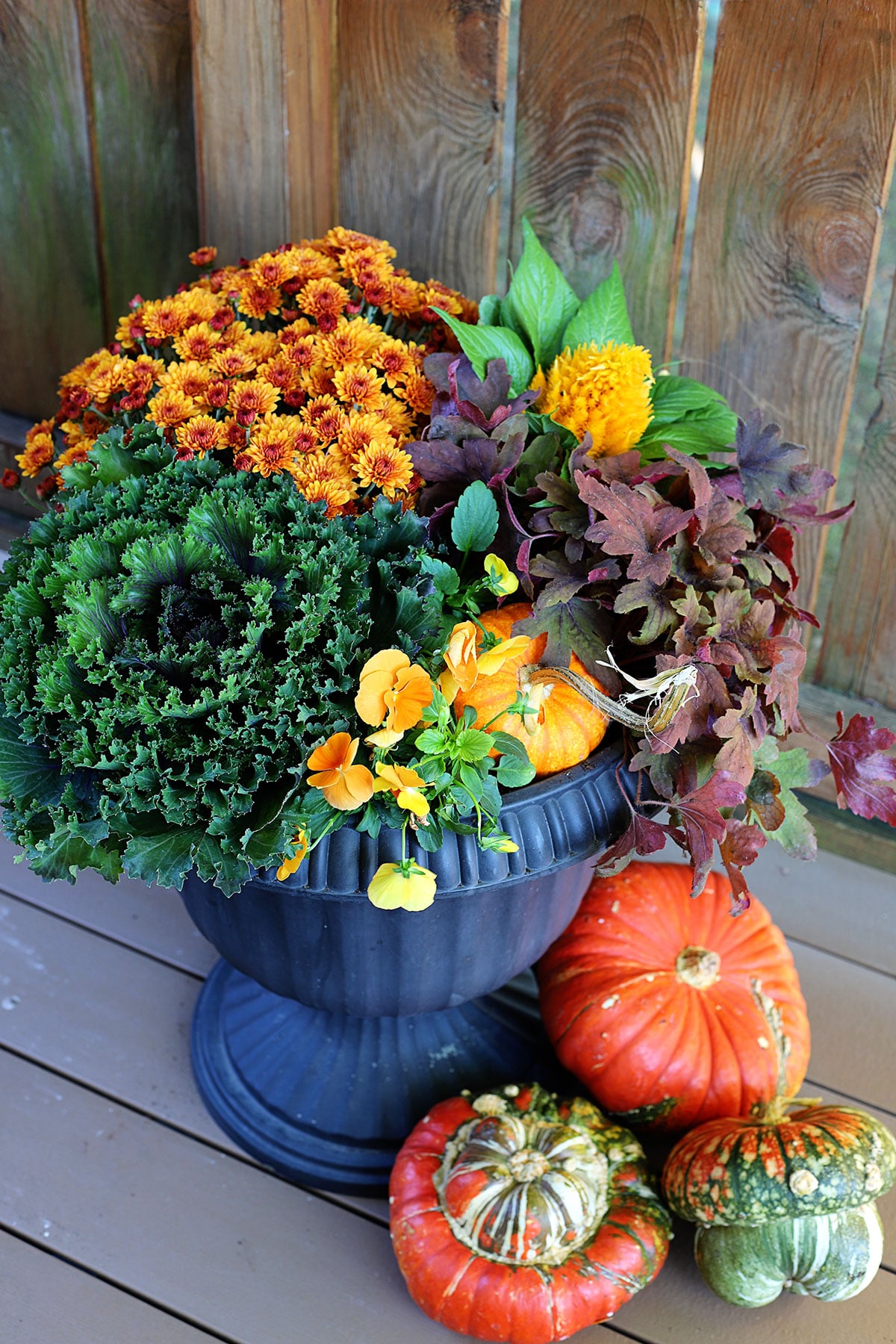
Image from www.houseofhawthornes.com.
Many gardeners mistakenly treat all container plants as disposable annuals, tossing perfectly good perennials at season’s end. This approach wastes both money and beautiful plant material. By transitioning your containers to winter-hardy perennials instead, you’ll create continuous garden interest while building a sustainable collection of plants that return year after year!
Transform Your Garden Pots for Year-Round Beauty
Seasonal transitions in container gardens don’t need to mean completely starting over. The key is selecting perennials and small shrubs that can handle the unique challenges of container living through winter. Unlike plants growing in the ground, container plants experience more extreme temperature fluctuations since their roots aren’t insulated by a large mass of soil. This fundamental difference means we need to approach winter container gardening strategically.
Why Winter Containers Matter
Winter containers serve multiple purposes beyond simply maintaining plant life. They provide crucial visual appeal during months when the landscape can feel barren and lifeless. The right winter container creates focal points that draw the eye, especially important near entryways and viewpoints from inside your home. Additionally, maintaining perennials in containers through winter often results in earlier spring growth, as containerized soil warms faster than garden beds.
Perhaps most importantly, winter containers connect us to our gardens during a season when we might otherwise disengage from outdoor spaces. This connection to growing things during winter months has proven psychological benefits, helping combat seasonal mood changes while providing moments of natural beauty during shorter days.
Key Benefits of Perennial Winter Pots
Investing in perennial winter containers offers significant advantages compared to starting fresh each season. First, there’s the obvious economic benefit—quality perennials might cost more initially but provide years of enjoyment versus single-season plants. Beyond cost savings, established perennials in containers often develop more robust root systems over time, increasing their ornamental value and hardiness.
Winter containers also provide ecological benefits by creating microhabitats for beneficial insects and small wildlife during harsh months. Many winter-interest perennials produce berries or seed heads that feed birds while adding decorative elements to your display. Finally, maintaining perennials through winter eliminates the waste associated with treating plants as disposables, aligning with sustainable gardening practices.
Best Perennials That Thrive in Winter Containers
Selecting appropriate perennials for winter containers follows one critical rule: choose plants rated at least two hardiness zones colder than where you garden. This compensation accounts for the reduced insulation containers provide compared to in-ground planting. For example, if you garden in Zone 6, select perennials rated for Zone 4 or colder to ensure winter survival in containers.

Image from stacyling.com.
Cold-Hardy Perennials for Zones 3-5
For extremely cold regions, focus on native perennials that naturally withstand harsh conditions. For example: Coral bells (Heuchera varieties) offer spectacular foliage that remains attractive through winter, especially varieties with burgundy, caramel, or purple leaves that provide striking contrast against snow. Sedums, particularly the low-growing varieties like ‘Angelina’, maintain their structure and often develop enhanced coloration in cold temperatures. Bergenia, sometimes called pigsqueak, features leathery evergreen foliage that often takes on dramatic red-purple winter tones while serving as an excellent foundation plant in containers.
Small ornamental grasses like blue fescue (Festuca glauca) maintain their structure through winter, creating beautiful frost patterns when temperatures drop. Prairie dropseed (Sporobolus heterolepis) offers a native option that provides exceptional textural interest while supporting local ecology. These extremely hardy perennials anchor winter containers with reliable performance even when temperatures plummet well below freezing.
Moderate Climate Options for Zones 6-7
In more moderate winter regions, your perennial container options expand significantly. Hellebores (Helleborus) earn their “Christmas Rose” or “Lenten Rose” nickname by actually blooming during winter and early spring months in mild or moderate climates, making them spectacular container specimens. Japanese forest grass (Hakonechloa macra) holds its structural form beautifully through winter, especially the golden varieties that glow in winter light. Heathers and heaths (Erica and Calluna species) provide continuous color through their fine-textured foliage that often intensifies in winter months.
Expert Tip: For containers with hellebores, position them where you can easily view the downward-facing blooms. Placing these containers on elevated surfaces like walls or pedestals allows you to appreciate their winter flowering without bending down in cold weather.
Euphorbias, particularly varieties like ‘Ascot Rainbow’ or ‘Blackbird’, maintain impressive architectural structure through winter months while developing rich color responses to cold temperatures. Combining these with winter-flowering pansies or violas creates dynamic containers that actually increase in interest as winter progresses!
Structural Plants That Add Winter Interest
When designing winter containers, structural elements become particularly important as flowering diminishes. Small evergreen shrubs create the backbone of successful winter displays. Dwarf Alberta spruce (Picea glauca ‘Conica’) maintains a perfect conical form that captures snow beautifully. For more architectural interest, consider Japanese holly (Ilex crenata) varieties, which offer formal shapes with dense, small foliage that withstands winter conditions admirably.
Ornamental grasses that hold their seedheads through winter provide movement and sound. Little Bluestem (Schizachyrium scoparium) develops stunning copper-orange winter coloration while maintaining upright structure through snow and ice. For dramatic vertical elements, consider red twig dogwood (Cornus sericea) varieties which reveal brilliant stem coloration once leaves drop—’Arctic Fire’ offers compact growth perfect for containers while providing stunning red stems against winter landscapes.
Evergreens That Perform Beautifully in Pots
Evergreen perennials form the foundation of successful winter containers. Bergenia cordifolia varieties maintain glossy, leathery leaves that often develop rich burgundy tones in cold weather. Helleborus foetidus (bear’s foot hellebore) provides architectural foliage year-round and often begins flowering in late winter. For trailing elements, consider Vinca minor varieties which maintain green foliage through all but the harshest winters while softening container edges.
Low-growing conifers offer excellent container performance with minimal maintenance. Juniperus horizontalis ‘Blue Rug’ cascades over pot edges with steely-blue foliage that takes on purple tones in winter. Dwarf mugo pines (Pinus mugo ‘Pumilio’) provide rounded forms that create perfect focal points while handling harsh conditions. These evergreens maintain visual interest regardless of temperature while anchoring container designs through the bleakest months.
Container Selection for Winter Success
Your container choice significantly impacts winter plant survival. The material must withstand freeze-thaw cycles without cracking while providing adequate insulation for root systems. Container size matters tremendously—the more soil mass surrounding roots, the better insulated they remain during temperature extremes.

Image from www.amazon.com.
Materials That Withstand Freezing Temperatures
Not all containers can survive winter conditions. Terracotta and ceramic pots, while beautiful, absorb moisture and often crack when that moisture freezes and expands. Instead, opt for frost-resistant materials like high-quality plastic, fiberglass, or composite containers that flex slightly during freezing without breaking. Wood containers, particularly cedar or redwood, provide excellent insulation while aging beautifully through the seasons.
Metal containers look striking in winter landscapes but can conduct cold directly to root systems unless properly insulated. If using metal, consider double-potting—placing a plastic container inside the decorative metal one with insulating material between them. Concrete and stone containers withstand freezing but provide minimal insulation, requiring additional protection for plant roots.
Size Matters: Why Bigger Is Better for Winter
Larger containers dramatically increase winter survival rates by providing more soil mass to insulate roots. As a general rule, choose containers at least 14 inches in diameter and equally deep for overwintering perennials. The increased soil volume acts as a buffer against temperature fluctuations, protecting sensitive root systems from rapid freezing. Additionally, larger containers hold moisture longer, reducing the risk of fatal winter dehydration.
Consider grouping multiple containers together for winter, creating a clustered arrangement that allows pots to insulate each other. This communal approach reduces exposure to cold winds while creating more visually impactful displays. Remember that adequate soil volume serves as the primary defense against winter’s worst conditions—never skimp on container size when planning for year-round plantings.
Drainage Considerations for Cold Weather
Proper drainage becomes even more critical during winter months. Excess moisture in containers can freeze, causing root damage or container breakage. Ensure containers have multiple drainage holes and consider elevating them slightly on pot feet or small stones to prevent drainage holes from freezing shut. For added insurance, place a layer of coarse gravel or broken pottery shards at the container bottom before adding soil to create drainage space. For more tips on protecting your plants, consider these overwintering strategies for container gardens.
Proper Soil and Insulation Techniques
The growing medium in winter containers requires special consideration. Standard potting mixes often retain too much moisture for winter conditions, potentially leading to root rot or freeze damage. Instead, create a custom blend that balances moisture retention with excellent drainage.
The Best Soil Mix for Winter Containers
For optimal winter container performance, use a specialized soil mix that drains efficiently while providing adequate nutrients and aeration. Combine equal parts high-quality potting soil, coarse sand or fine gravel, and compost to create a well-draining yet nutritive foundation. This mixture prevents compaction during freeze-thaw cycles while providing proper root aeration throughout winter months.
Avoid using garden soil in containers as it compacts easily and retains excess moisture. Instead, incorporate 10-15% perlite or pumice into your mix to improve drainage while maintaining structural integrity. For acid-loving evergreens like conifers, consider adding pine bark fines to lower pH slightly while improving overall soil structure.
| Soil Component | Percentage | Purpose |
|---|---|---|
| High-quality potting mix | 40-50% | Base medium with balanced nutrients |
| Coarse sand or fine gravel | 20-25% | Improves drainage and prevents compaction |
| Compost | 15-20% | Provides slow-release nutrients and beneficial microorganisms |
| Perlite or pumice | 10-15% | Creates air pockets for root health and drainage |
This specialized winter container soil mix creates an environment where roots can remain healthy during dormancy while providing proper drainage to prevent ice damage. When filling containers, leave approximately two inches of space below the rim to accommodate mulch and prevent soil loss during watering.
Insulating Methods That Protect Root Systems
Container insulation dramatically increases winter survival rates for perennials. Bubble wrap provides excellent protection when wrapped around containers, creating air pockets that buffer temperature extremes. Secure with twine or weatherproof tape, ensuring drainage holes remain unobstructed. For even better insulation, consider specialized pot wraps designed specifically for winter protection, available at some garden centers.
Double-potting creates superior insulation by placing your planted container inside a slightly larger one with insulating material between them. Fill the gap with materials like straw, bubble wrap, or foam insulation sheets. This method essentially creates a double-walled barrier against cold while maintaining the decorative appearance of your primary container. For extreme climates, bury pots up to their rims in mulch, leaves, or straw against a sheltered wall to provide maximum protection.

Image from www.epicgardening.com.
Mulching Strategies for Extra Protection
Apply a 2-3 inch layer of protective mulch over the soil surface in winter containers to insulate roots and prevent moisture loss. Pine straw makes excellent container mulch as it doesn’t compact when wet and allows proper air circulation. Alternatively, shredded bark, coarse compost, or even decorative materials like preserved moss provide both protection and visual appeal while serving crucial insulating functions.
Design Principles for Eye-Catching Winter Displays
Winter container designs require different approaches than summer displays. Instead of focusing primarily on flowers, successful winter containers emphasize form, texture, and structural elements that provide visual interest even during dormancy. Consider these displays as botanical sculptures that incorporate multiple sensory elements from colorful stems to frost-catching seedheads.
The classic design formula of “thriller, filler, spiller” applies to winter containers with slight modifications. Your “thriller” might be an architectural evergreen or colorful-stemmed shrub, while “fillers” include textural perennials with winter-persistent foliage. “Spillers” could be trailing evergreen groundcovers or ornamental grasses that cascade over pot edges. This approach ensures visually balanced compositions that maintain interest throughout winter months.
- Focus on year-round structural plants as container anchors
- Incorporate plants with winter berries or colorful stems
- Include varied foliage textures from fine to bold
- Consider how plants will collect frost, snow, or ice
- Add height variation through plant selection and container placement
Remember that winter gardens are viewed differently—often from indoors through windows or briefly during outdoor activities. Position containers where they’re easily visible from frequent vantage points and consider how lighting (both natural and artificial) will interact with your display during shorter winter days. For more ideas, check out these tips on transitioning container gardens.
Protecting Plants from Harsh Winds
Winter winds can be far more damaging to container plants than cold temperatures alone. Strategic placement becomes crucial for survival—position containers against walls, in sheltered corners, or create windbreaks using burlap screens or temporary fencing. For containers that can’t be relocated, consider wrapping the entire pot and plant in burlap during extreme weather, leaving just the top open for light and air circulation. This simple protection prevents desiccation damage that occurs when cold winds dry out evergreen foliage faster than frozen roots can replace moisture.
When to Skip the Fertilizer
Fertilizing winter containers is generally counterproductive and potentially harmful. Plants enter dormancy in winter, significantly reducing or stopping nutrient uptake altogether. Applying fertilizer during this period can stimulate unwanted growth that’s vulnerable to cold damage or accumulate salts that harm root systems. Instead, ensure plants receive proper fertilization in early fall, at least six weeks before your first expected frost, then suspend feeding until spring growth resumes.
The one exception might be occasional diluted liquid fertilizer for winter-blooming plants like hellebores or winter pansies in milder climates, but even then, apply at quarter-strength of summer rates. Generally, plants need time to naturally harden off before winter, and late-season fertilizing interferes with this essential process.
Spring Revival: Preparing Winter Containers for the New Season
As winter recedes, your container perennials need attention to transition successfully into the growing season. Begin by carefully removing winter mulch and protective wraps as temperatures moderate, but keep these materials handy for covering during late-season cold snaps. Inspect plants thoroughly for winter damage, looking for split stems, discolored foliage, or signs of dessication. Don’t be too quick to remove seemingly dead material—many perennials emerge late from winter dormancy, particularly in containers where soil warms more slowly than expected.
Pruning and Dividing After Winter
Early spring presents the ideal time for maintenance pruning of container perennials. Remove clearly damaged or dead stems, cutting back to healthy tissue identified by green inner bark. For ornamental grasses and perennials with persistent winter stems, cut back to within a few inches of the crown just as new growth appears at the base. Many winter-interest perennials benefit from division after 2-3 years in containers, showing signs like reduced center growth or overcrowding. Perform divisions just as new growth emerges, carefully separating root systems and replanting in fresh soil with added compost to rejuvenate plants for another season.
Transitioning Perennials to Garden Beds
Spring offers an excellent opportunity to relocate container perennials into garden beds if they’ve outgrown their pots or you’re refreshing your container designs. Choose overcast, cool days for transplanting to reduce shock, and prepare garden beds with compost and slow-release fertilizer before moving plants. Water container plants thoroughly the day before transplanting to ensure root balls remain intact during the transition. When moving plants from containers to ground, gently loosen root balls that may have become compressed, particularly at the bottom and sides where circling roots often develop.
For plants remaining in containers, spring provides the perfect opportunity for moving up to larger pots if needed. Increase pot diameter by at least 2 inches when repotting to provide adequate space for new growth while maintaining proper proportions. Always use fresh potting medium when repotting to provide optimal nutrition and soil structure for continued container growth.
Refreshing Soil and Containers
Even perennials remaining in the same containers benefit from spring soil refreshment. Remove the top 2-3 inches of old soil and replace with fresh potting mix enhanced with compost and slow-release fertilizer. This provides essential nutrients for new growth while removing potentially compacted surface soil. Simultaneously, check drainage holes to ensure they remain clear after winter, clearing any blockages that could lead to waterlogging during spring rains.
Inspect container exteriors for damage from winter conditions, particularly looking for cracks that may have developed during freeze-thaw cycles. Repair minor damage where possible or replace containers that show significant structural issues. Clean pot exteriors with a stiff brush and mild soap solution to remove winter algae or mineral deposits that often accumulate during colder months.
As your containers transition to spring, consider adding early-flowering companions like spring bulbs or pansies around perennial bases to provide immediate color while perennials resume active growth. Layering containers this way extends seasonal interest and bridges the gap between winter structure and summer abundance. Tulips, daffodils, and muscari planted in fall provide perfect spring companions for dormant perennials, emerging just as winter wanes!
- Remove winter protection gradually as temperatures stabilize
- Prune back dead foliage once new growth appears
- Top-dress with fresh compost and slow-release fertilizer
- Check and clean drainage holes thoroughly
- Increase watering gradually as growth resumes
With proper spring care, your overwintered container perennials will often outperform newly purchased plants, having already adapted to your specific microclimate and developed robust root systems. This head start results in earlier flowering, stronger growth, and better resilience during summer stress periods—rewarding your winter protection efforts with exceptional garden performance.
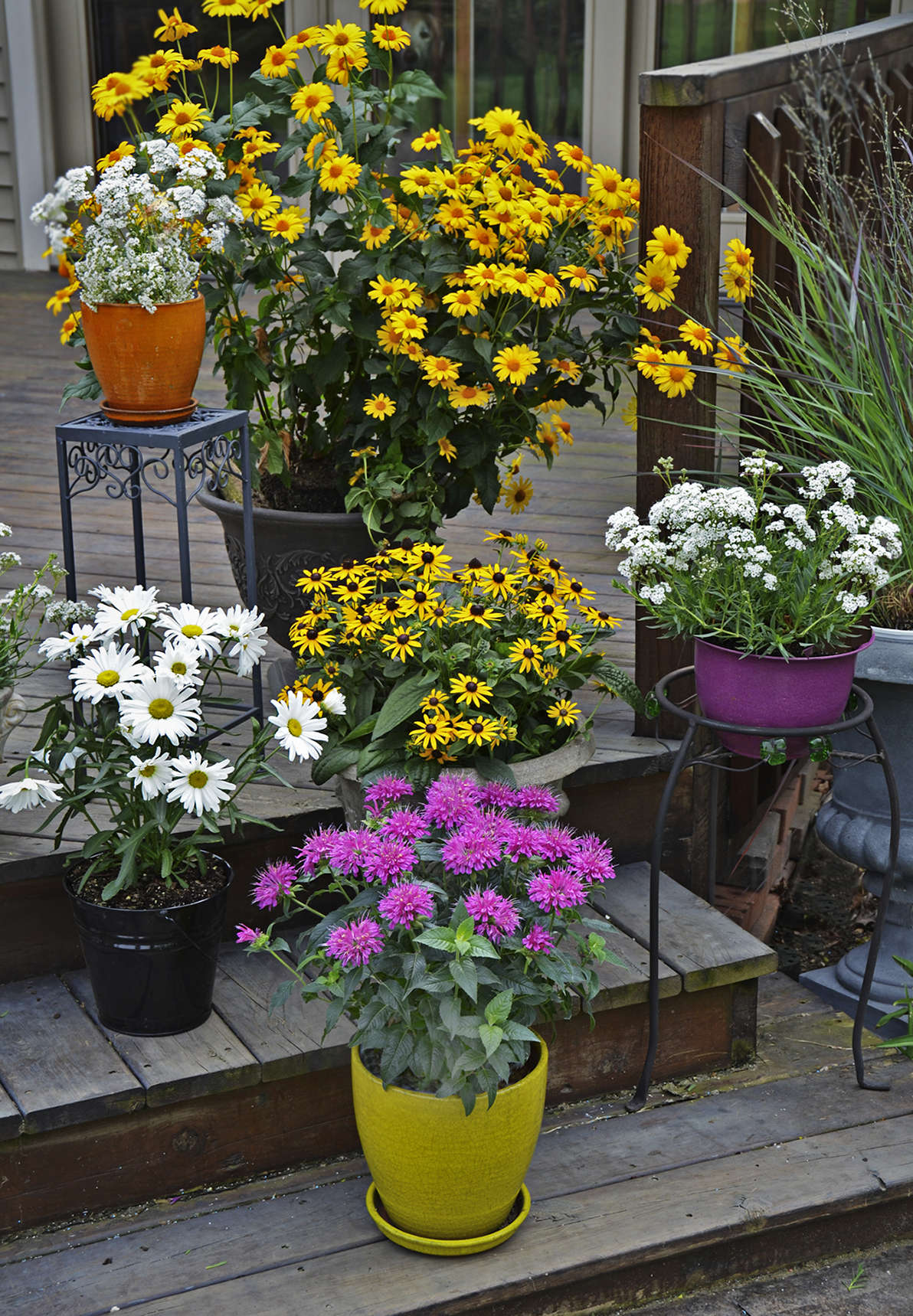
Image from www.waltersgardens.com.
Your Winter Container Gardening Success Plan
Creating a seasonal transition plan ensures your container garden evolves beautifully throughout the year. Begin in early fall by selecting winter-worthy perennials and containers, focusing on plants that offer multiple seasons of interest. Prepare and plant containers at least 6-8 weeks before first frost to allow proper root establishment. Apply winter protection progressively as temperatures drop, adding insulation and windbreaks based on weather forecasts rather than calendar dates. Monitor winter containers periodically, checking moisture levels during thaws and inspecting for pest or weather damage. Finally, begin spring revival processes gradually, removing protection incrementally as temperatures stabilize. This systematic approach transforms container gardening from seasonal replanting to continuous evolution, creating a dynamic garden presence that showcases the unique beauty of each season while building a sustainable collection of resilient plants!
Frequently Asked Questions
Winter container gardening raises many questions, particularly for gardeners accustomed to treating all pots as seasonal displays. The following addresses the most common concerns about maintaining perennials through winter in containers, helping you avoid common pitfalls while maximizing success rates.
Understanding these fundamentals transforms winter containers from experimental projects to reliable garden features that enhance your landscape through every season. With proper planning and protection, your perennial winter pots will provide years of beauty with minimal replacement costs.
Can I leave ceramic pots outside during winter?
Ceramic and terracotta pots generally shouldn’t remain outdoors during freezing conditions unless specifically rated as frost-resistant. Standard ceramic pots absorb moisture that expands when frozen, often creating cracks or complete breakage. If you must use ceramic containers, consider double-potting—place your planted plastic container inside the ceramic pot and move it to protected storage during winter months. Alternatively, empty and clean ceramic pots thoroughly in fall, storing them upside-down in a dry location until spring.
Glazed ceramic pots offer slightly better freeze resistance than unglazed terracotta but still risk damage in sustained cold. If using decorative ceramic containers, position them where they’ll receive maximum winter protection, such as under eaves or on covered porches, and ensure excellent drainage to minimize moisture absorption. For treasured or expensive ceramic containers, the safest approach remains seasonal storage rather than risking winter damage.
How often should I water my winter container plants?
Winter container plants need significantly less water than during growing seasons, but they shouldn’t completely dry out. Check moisture levels during thaw periods by inserting your finger 2-3 inches into the soil—water only when the medium feels dry at this depth. Generally, winter containers may need watering only once every 3-4 weeks during freezing conditions, but requirements increase during winter warm spells. Always water during mid-day when temperatures are above freezing to allow excess moisture to drain before evening temperature drops.
What’s the minimum container size needed for perennials to survive winter?
For successful perennial overwintering, containers should be at least 14-16 inches in diameter and equally deep. This minimum size provides sufficient soil volume to insulate roots against temperature extremes. Larger containers offer even better protection—aim for pots at least 18-24 inches wide for shrubs or larger perennial combinations. Remember that soil mass serves as natural insulation, so container diameter directly correlates with winter survival rates.
Beyond size, consider container shape—wider, squatter pots generally provide better insulation than tall, narrow ones with the same volume. The ideal winter container has substantial width, adequate depth, and thick walls that provide additional insulation. For smaller decorative containers, consider sinking them into larger pots filled with insulating material like straw or mulch during winter months.
Do winter container plants need fertilizer?
Winter container plants should not receive fertilizer during dormant periods. Applying nutrients while plants are inactive can damage root systems and disrupt natural dormancy cycles. Instead, provide a final fertilizer application in early fall, at least 6-8 weeks before first expected frost, using a balanced formula lower in nitrogen to prevent soft growth vulnerable to cold damage. Resume fertilizing in spring only when you observe active new growth, initially at half-strength to avoid shocking emerging plants.
The one exception involves winter-flowering plants in mild climate zones, which might benefit from occasional very diluted liquid fertilizer applications during active blooming periods. Even then, use quarter-strength solutions applied when temperatures remain consistently above freezing for several days. Generally, plants properly fertilized in fall store sufficient nutrients to support their minimal winter metabolic needs without supplementation.
- Stop fertilizing at least 6-8 weeks before first expected frost
- Resume feeding only when active spring growth appears
- Start spring fertilization at half-strength
- Use slow-release formulations to prevent nutrient leaching
- Consider organic options like compost tea for gentle spring feeding
Proper nutrition timing significantly impacts winter hardiness—late-season fertilizing can stimulate vulnerable new growth just before frost, while spring feeding too early can push plants before weather stabilizes. Respecting natural dormancy cycles through appropriate fertilizer management significantly increases overwintering success rates.
Can I mix annuals and perennials in my winter containers?
Combining annuals and perennials in winter containers can create spectacular displays when done thoughtfully. Cold-tolerant annuals like pansies, violas, or ornamental kale provide immediate color around dormant perennials, particularly in milder winter regions. The key to successful combinations lies in matching root needs—select annuals that thrive in the same soil conditions and moisture levels as your perennials to prevent compromising either plant type.
For colder regions, focus on cold-hardy annuals planted around the perimeter of containers where they can be replaced without disturbing perennial root systems if damaged by severe weather. Alternatively, consider adding winter annuals in separate small pots nestled into your main containers, allowing easy removal or replacement without disrupting perennial plantings. This modular approach provides maximum flexibility while maintaining the structural integrity of your primary winter display.
Featured Image from www.merrifieldgardencenter.com.

Related Posts
-
 Soil-Less Gardening Resources for Indoor & Urban Gardeners
- Garden Tower Project: Cultivate a Vertical Veggie Paradise on Your Balcony
- 6 Traditional Garden Alternatives for Growing Your Own Food
- [Video] 12 Garden Tasks to Complete in September
- 20 Tasty Ways to Use Green Tomatoes
- Gardening In An Apartment: A Beginner’s Guide to Starting an Apartment Garden with Limited Space


