Space-Saving Container Gardening Ideas for Apartments

Live in an apartment? You can still garden! Check out these space-saving container gardening ideas for inspiration…
Key Takeaways:
- Choose lightweight, durable containers with proper drainage to prevent waterlogging.
- Select compact, adaptable plants suitable for small spaces and limited sunlight.
- Maximize vertical space using shelves, wall-mounted planters, and hanging gardens.
- Establish a regular watering and fertilization schedule to ensure healthy plant growth.
- Integrate plants into your interior design for a harmonious living space.
Transforming Small Spaces into Lush Gardens
Living in an apartment doesn’t mean you have to give up on your gardening dreams! With a little creativity and the right approach, you can transform even the smallest of spaces into a thriving garden. Container gardening allows you to bring the outdoors in, which can improve air quality, boost your mood, and even supply you with fresh herbs and vegetables for your table! In this comprehensive guide, we’ll explore everything you need to know to start and maintain a flourishing container garden for your apartment, from selecting the right plants to providing proper care.

Image from www.bhg.com.
Importance of Container Gardening in Apartments
Container gardening is great for apartment dwellers for several reasons. First, it allows you to utilize limited space efficiently. By growing plants in containers, you can take advantage of vertical space, such as balconies or windowsills, which might otherwise go unused. Additionally, container gardening is highly adaptable; you can move your plants around to catch the best sunlight or protect them from harsh weather.
Moreover, container gardening offers a level of control that traditional gardening does not. You can easily manage soil quality, water levels, and even the microclimate around your plants. This control is particularly beneficial in urban settings, where environmental conditions can be unpredictable.
Welcoming Nature Indoors: Initial Steps
Starting a container garden in your apartment begins with a little planning. First, assess the space you have available. Consider areas that receive natural light, such as windowsills, balconies, or well-lit corners. Measure these spaces to determine the size and number of containers you can accommodate.
Next, think about what you want to grow. Do you prefer the aesthetic appeal of flowering plants, or are you interested in growing your own herbs and vegetables? Your preferences will guide your plant and container choices.
Choosing the Right Containers for Limited Spaces
Picking the right containers is crucial for the success of your apartment garden. The containers you choose will affect not only the health of your plants but also the overall look of your garden.

Image from lovelygreens.com.
Types of Containers Suitable for Apartments
When it comes to containers, you have a wide variety of options. Here are a few popular choices:
- Plastic Pots: Lightweight and affordable, plastic pots are easy to move and come in a variety of colors and sizes.
- Terracotta Pots: These offer a classic look and are great for plants that prefer drier conditions, as they allow for better air circulation.
- Metal Containers: Durable and stylish, metal containers can add a modern touch to your garden but may heat up quickly in direct sunlight.
- Fabric Pots: These are lightweight, breathable, and can be easily folded and stored when not in use, making them ideal for seasonal gardening.
Material Considerations: Pros and Cons
Choosing the right material for your containers is just as important as the style. Here’s a quick comparison:
| Material | Pros | Cons |
|---|---|---|
| Plastic | Lightweight, affordable, retains moisture | May fade or become brittle over time |
| Terracotta | Porous, aesthetically pleasing | Heavy, can dry out quickly |
| Metal | Durable, modern look | Can overheat, may rust |
| Fabric | Breathable, easy to store | May require more frequent watering |
Understanding Drainage Needs
Proper drainage is essential for healthy container plants. Without it, water can accumulate at the bottom of the pot, leading to root rot and other issues. Ensure that your containers have drainage holes at the bottom to allow excess water to escape. If your chosen pot lacks drainage, you can drill holes or use a liner with drainage capabilities.
Indoor gardeners should place a saucer or tray beneath your pots to catch any excess water and protect your surfaces. This setup will help maintain a clean and tidy garden space while preventing water damage to your apartment. For some tips on starting your indoor garden, check out this guide on indoor seed germination.
Maximizing Vertical Space for Gardening
When you’re working with limited space, vertical gardening becomes your best friend. By growing upwards, you can dramatically increase your gardening area without taking up precious floor space. This method not only maximizes your available area but also creates an attractive green wall effect that can serve as a beautiful focal point in your apartment!
Vertical gardening is particularly effective for trailing plants, such as ivy or strawberries, which naturally grow downwards and can create a lush, cascading effect. It’s also a great solution for herbs and small vegetables that benefit from being closer to light sources.
To make the most of your vertical space, consider the following strategies:
Using Vertical Planters and Shelves
Vertical planters and shelves are excellent tools for expanding your gardening potential. They come in various designs and materials, from wooden ladder shelves to metal racks, allowing you to choose one that fits your style and needs.
When setting up vertical planters, ensure they are stable and secure. You don’t want your plants tumbling down due to a wobbly setup. Arrange plants with similar light and water needs together to simplify maintenance.
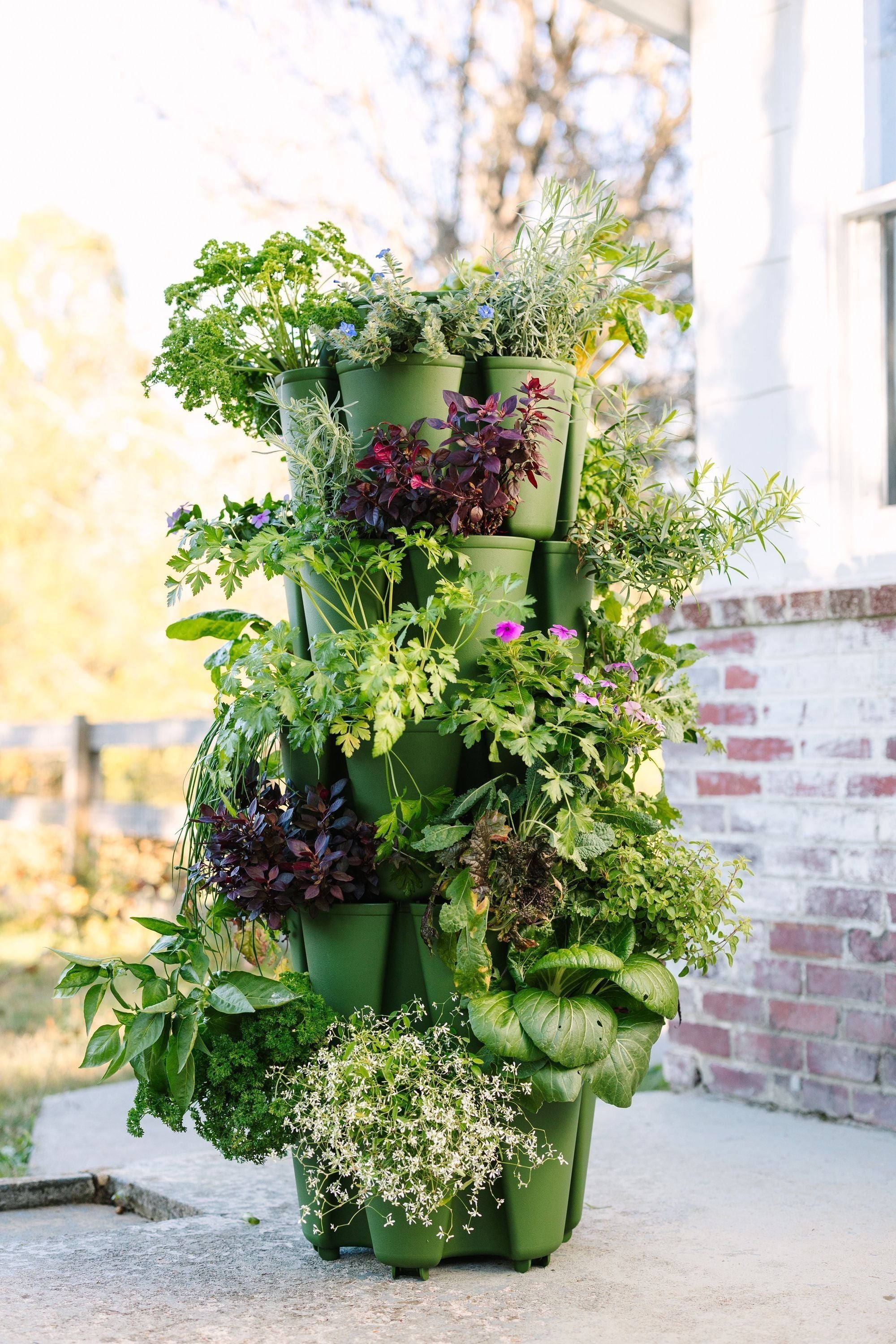
Image from greenstalkgarden.com.
Besides that, consider using tiered shelves. They provide multiple levels for planting and can be easily moved around to catch the best sunlight. With tiered shelves, you can group plants by height, with taller plants at the top and shorter ones at the bottom, creating a layered look.
Implementing Wall-Mounted Plant Solutions
Wall-mounted planters are a fantastic way to utilize vertical space without taking up any floor area. These planters can be hung on walls, railings, or even fences, making them versatile and practical for small apartments. For those interested in creating a living wall, learn more about the WallyGrow Pocket Living Wall Planter options for urban spaces.
Choose planters with a built-in watering system or use drip trays to avoid water damage to your walls. Additionally, ensure that the wall can support the weight of the planters when they are filled with soil and plants.
Crafting DIY Hanging Gardens
Creating a DIY hanging garden is a fun and rewarding project that can add a unique touch to your apartment. You can use simple materials like macramé hangers, rope, or even recycled plastic bottles to create your hanging planters.
When crafting your hanging garden, ensure that each planter has adequate drainage and that the hanging system is strong enough to support the weight. Hang your planters at varying heights for visual interest and to accommodate different plant sizes.

Image from www.youtube.com.
Caring for Your Container Plants
Proper care is crucial to ensure the health and vitality of your container plants. With the right watering, fertilization, and pest management techniques, you can enjoy a thriving indoor garden all year round!
Watering Schedules and Techniques
Watering container plants requires a bit more attention than traditional gardening. Containers dry out faster, especially indoors where air circulation is limited and the air may be warm and dry. Establish a regular watering schedule based on your plants’ needs and the container size.
For example, most herbs and vegetables prefer moist soil, so check them daily and water when the top inch of soil feels dry. Succulents, on the other hand, need less frequent watering and should be allowed to dry out completely between waterings.
To avoid overwatering, use pots with drainage holes and place a saucer underneath to catch excess water. If you’re unsure about your plant’s water needs, invest in a moisture meter to provide accurate readings.
Besides that, consider grouping plants with similar water requirements together. This arrangement simplifies your watering routine and reduces the risk of over or under-watering.
Fertilization Tips for Healthy Growth
Fertilizing your container plants is essential to provide them with the nutrients they need to grow and thrive. Use a balanced, water-soluble fertilizer every 4-6 weeks during the growing season. Follow the instructions on the label to avoid over-fertilizing, which can harm your plants. For specialized potting soil that includes fertilizer, you might want to explore FoxFarm potting mix for container gardening.

Image from extension.umd.edu.
Pest Management and Prevention
Indoor plants are not immune to pests, and it’s crucial to keep an eye out for common culprits like aphids, spider mites, and whiteflies. Regularly inspect your plants for signs of infestation and treat them promptly with insecticidal soap or neem oil.
To prevent pests, maintain good air circulation around your plants and keep the leaves clean by gently wiping them with a damp cloth. Quarantine new plants for a few days before introducing them to your container garden to ensure they are pest-free.
Seasonal Considerations for Indoor Gardening
Seasonal changes can impact your indoor garden, affecting factors like light, temperature, and humidity. By adjusting your plant care routine accordingly, you can keep your garden flourishing year-round.
Adjusting Plant Choices by Season
Some plants thrive better in certain seasons, so consider rotating your plant selection throughout the year. In the spring and summer, focus on sun-loving plants like tomatoes and peppers, which benefit from the increased light. During the fall and winter, switch to shade-tolerant plants like ferns and snake plants, which can handle lower light conditions. For more tips on container gardening, check out this beginner’s guide to growing plants in small spaces.
Additionally, take advantage of seasonal produce by growing herbs and vegetables that are in demand, such as basil in the summer and kale in the winter.
Handling Temperature Fluctuations
Temperature changes can stress your plants, so it’s important to monitor the indoor climate. Keep your plants away from drafts, heating vents, and air conditioning units, which can cause temperature fluctuations. If necessary, use a humidifier to maintain optimal humidity levels, especially during the dry winter months.
Consider moving your plants closer to windows during the colder months to maximize their exposure to natural light. If sunlight is limited, supplement with grow lights to ensure your plants receive the necessary light for photosynthesis.
Bringing Outdoor Plants Indoors: Best Practices
Transitioning outdoor plants to an indoor environment requires careful consideration to ensure they continue to thrive. Start by gradually acclimating your plants to lower light conditions to prevent shock. Move them indoors for a few hours each day, gradually increasing the duration over a week or two (do the opposite if moving plants outdoors from inside).
It’s also important to check your plants for pests before bringing them inside. Inspect leaves, stems, and soil for any signs of insects or disease. Treat any infestations with appropriate measures to prevent them from spreading to your indoor garden.
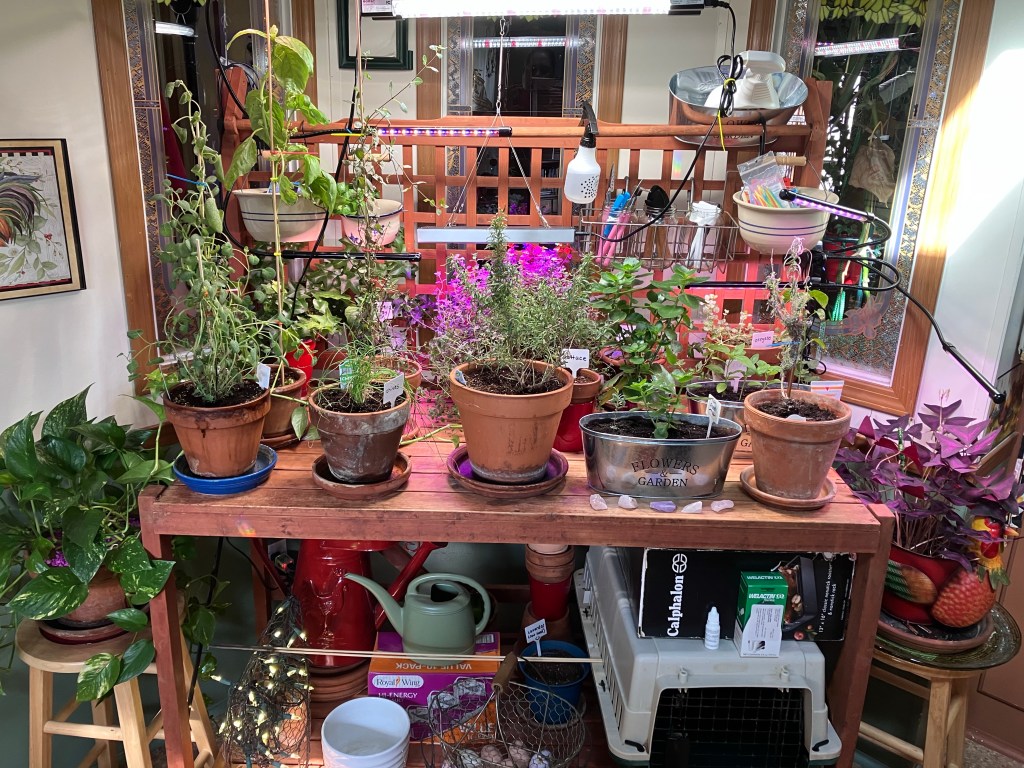
Image from thekuntryklucker.blog.
Once indoors, place your plants in a location that mimics their outdoor conditions as closely as possible. For sun-loving plants, choose a south-facing window with plenty of natural light – and you should probably consider adding a grow light as well. For shade-tolerant plants, a north or east-facing window should suffice.
Creating a Harmonious Indoor Plant Environment
Creating a harmonious indoor plant environment involves more than just choosing the right plants and containers. It’s about integrating your garden into your living space in a way that enhances both your plants’ health and your home’s aesthetic appeal.
Integrating Plants into Interior Design
Plants can be a beautiful addition to your interior design, adding color, texture, and life to your home! Consider using plants as focal points in your rooms, such as placing a large potted tree in a corner or arranging smaller plants on a bookshelf.
Mix and match different plant sizes and types to create visual interest. Combine tall, leafy plants with smaller, flowering ones to add depth and variety to your space. Use decorative pots that complement your decor, and consider grouping plants with similar aesthetics together.
Choosing Suitable Lighting Solutions
Lighting is crucial for indoor plant health. If natural light is limited, consider investing in grow lights to supplement your plants’ needs. LED grow lights are energy-efficient and can be adjusted to provide the right spectrum of light for your plants.
Position your grow lights at an appropriate distance from your plants to prevent overheating. Most importantly, ensure they are on a timer to mimic natural daylight cycles, typically 12-16 hours of light per day.

Image from theprovidentprepper.org.
Avoiding Common Indoor Gardening Mistakes
Indoor gardening comes with its own set of challenges, but many common mistakes can be easily avoided with a little knowledge and preparation.
Overwatering is one of the most frequent errors. Always check the soil moisture before watering and ensure your containers have adequate drainage. Under-watering is also a concern, so establish a consistent watering schedule based on your plants’ needs.
Another mistake is not providing enough light. Assess your light conditions and supplement with grow lights if necessary. Additionally, avoid placing plants in drafty areas or near heating vents, as this can cause stress and hinder growth.
Frequently Asked Questions
Here are some common questions about container gardening in apartments, along with practical advice to help you succeed.
How do I choose the right container for my plants?
When selecting containers, consider the size and growth habits of your plants. Choose pots that are large enough to accommodate root growth but not so big that they retain excess moisture. Ensure your containers have drainage holes to prevent waterlogging.
Materials like plastic, terracotta, and metal each have their benefits and drawbacks, so select one that suits your aesthetic preferences and the needs of your plants.
What are the best low-maintenance plants for apartments?
Low-maintenance plants are ideal for apartment living, especially if you’re new to gardening or have a busy schedule. Consider succulents, snake plants, pothos, and peace lilies, which require minimal care and can thrive in various light conditions.
How can I maximize sunlight for indoor plants?
To maximize sunlight, place your plants near windows that receive the most natural light. Rotate your plants regularly to ensure even growth. If sunlight is limited, use reflective surfaces like mirrors to bounce light onto your plants or invest in grow lights.
What are the signs of overwatering in container gardens?
Signs of overwatering include yellowing leaves, wilting, and a musty smell from the soil. If you notice these symptoms, reduce your watering frequency and ensure your pots have proper drainage. Allow the soil to dry out slightly between waterings to prevent root rot.
Can container plants stay outside year-round?
Whether container plants can stay outside year-round depends on your climate and the hardiness of the plants. In mild climates, many plants can remain outdoors with minimal protection. However, in colder regions, it’s best to bring sensitive plants indoors during the winter or use frost covers to protect them from freezing temperatures.
Container gardening is a fantastic way to bring the joys of gardening to small spaces, such as balconies, patios, or even windowsills. Whether you’re an urban dweller or simply looking to enhance your outdoor space, container gardening offers a versatile and accessible solution!
Featured Image from www.fbpd.org.

Related Posts
-
 [Video] How to Grow More Food in Less Space: Succession Planting Tips for Small Gardens
- VermiHut 5-Tray Worm Compost Bin: An Apartment Dweller’s Guide to Recycling Kitchen Waste
- Bike-Powered Composting: Build Soil & Muscles At the Same Time!
- 8 Must-Have Gardening Tools & Accessories for Small Gardens
- [Video] Stop Buying Potting Mix: 3 Simple DIY Soil Mix Recipes
- How to Select The Right Grow Light for Your Indoor Plants


