Space-Saving Vertical Herb Garden Design Ideas & Tips

Grow a bounty of flavorful culinary herbs on your balcony or patio with these easy space-saving vertical herb garden design ideas…
Key Takeaways:
- Vertical herb gardens can increase your growing space by up to 300% while using the same footprint as traditional planters
- Most vertical herb garden designs can be created with recycled materials, making them both eco-friendly and budget-conscious
- Herbs like thyme, oregano, and mint thrive in vertical systems due to their shallow root systems and trailing growth habits
- Proper drainage is the most critical factor for success in vertical herb gardens, preventing root rot and nutrient leaching
- With the right setup, vertical herb gardens can provide year-round harvests even in apartments or homes with limited outdoor space
Looking to grow fresh herbs but short on space? Vertical herb gardens are the answer you’ve been searching for! These innovative growing systems transform unused vertical space into productive green areas, bringing fresh flavors right to your fingertips regardless of your living situation. Whether you have a tiny balcony, a blank kitchen wall, or just a sunny window, there’s a vertical herb garden design perfect for your needs!

Image from www.rockyhedgefarm.com.
Why Vertical Herb Gardens Are the Perfect Solution for Small Spaces
Traditional gardening requires substantial horizontal space—a luxury many modern gardeners simply don’t have. Vertical herb gardens brilliantly solve this problem by building upward instead of outward. By utilizing walls, fences, doors, and even windows, these gardens transform previously unused vertical spaces into productive growing areas. For urban dwellers especially, this approach can mean the difference between no garden and a thriving herb collection that provides fresh flavors year-round.
Beyond just saving space, vertical herb gardens offer improved accessibility, making harvesting and maintenance significantly easier. No more bending over to snip a few leaves of basil or reaching across a garden bed for that sprig of rosemary. With herbs displayed at eye level, you’ll actually use them more frequently, enhancing your cooking while ensuring your plants remain pruned and productive.
The aesthetic benefits of vertical herb gardens shouldn’t be overlooked either. These living walls add a vibrant touch of greenery to indoor and outdoor spaces, serving as functional art that engages all the senses! The cascading textures and varied colors of different herbs create visual interest while filling your space with delightful fragrances each time you brush past them.
10 Space-Saving Vertical Herb Garden Designs Anyone Can Create
With just a little creativity and some basic materials, you can construct a vertical herb garden that perfectly suits your space and style preferences. The following designs range from weekend projects requiring basic tools to simple setups you can assemble in minutes. Choose based on your available space, skill level, and the herbs you wish to grow.
1. Pallet Herb Garden: Upcycled and Efficient
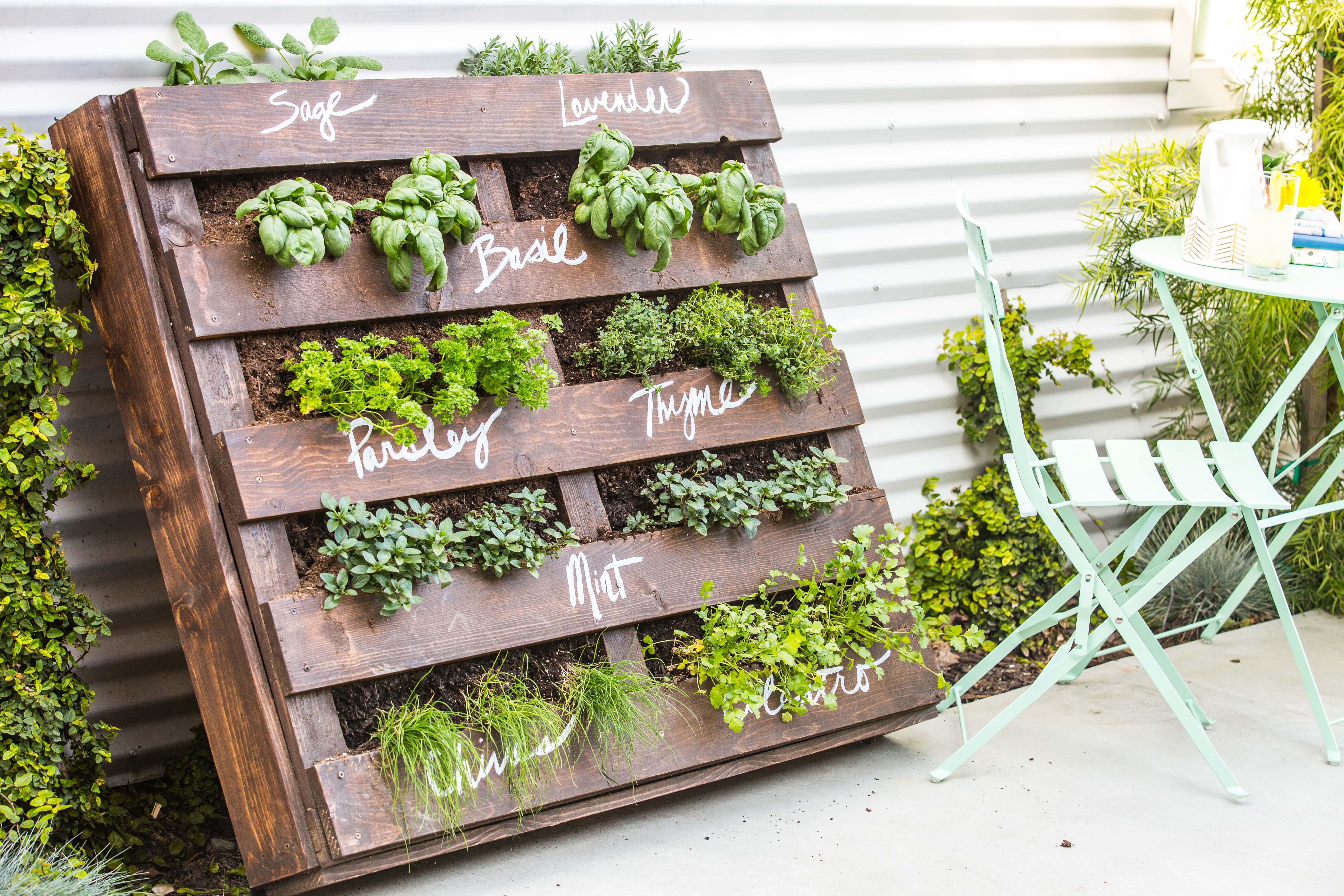
Image from www.bemakeful.com.
One of the most accessible vertical herb garden designs begins with a humble wooden pallet. This versatile structure can be transformed into a productive growing space with minimal effort and cost. Start by selecting a heat-treated pallet (look for the “HT” stamp) to ensure it’s free from harmful chemicals. Sand any rough edges, then attach landscape fabric to the back and bottom to create planting pockets while containing soil. Stand the pallet upright against a wall or fence, securing it properly to prevent tipping, and you’ll have multiple planting rows in a footprint barely larger than the pallet’s thickness!
For maximum growing potential, plant shade-tolerant herbs like mint and parsley in lower sections, while sun-lovers such as rosemary and thyme thrive in the upper rows. The beauty of pallet gardens lies in their adaptability—they can be scaled to fit nearly any outdoor space and can be painted or stained to complement your exterior design. With proper preparation and care, a pallet herb garden can produce abundant harvests for years while keeping growing medium costs remarkably low. For more ideas on creating a sustainable garden with limited space, check out this beginner’s guide to creating a sustainable edible balcony garden.
2. Hanging Pocket Planters for Indoor or Outdoor Use
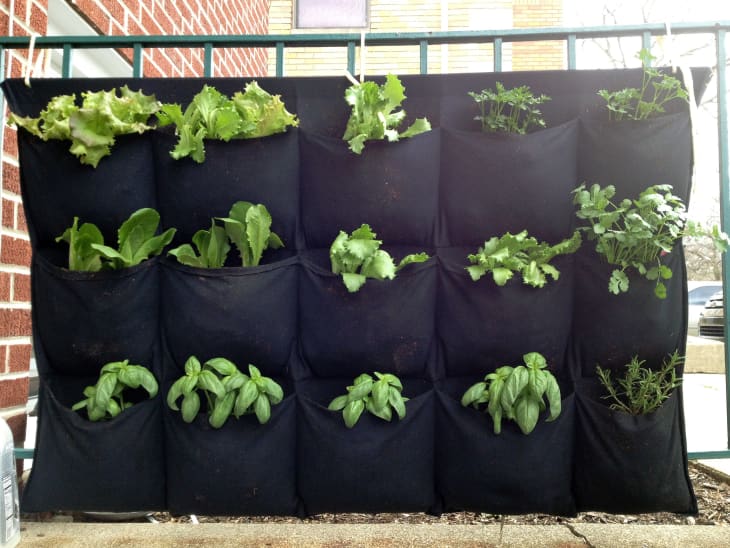
Image from www.thekitchn.com.
Why Fabric Pocket Planters Work So Well for Herbs
Fabric pocket planters provide excellent aeration for herb roots, preventing the soggy conditions that lead to root rot. Their flexible structure allows roots to grow naturally without becoming constrained or circling, resulting in healthier plants. The vertical arrangement maximizes exposure to light while the fabric material helps maintain even moisture distribution—critical for herb success.
Fabric pocket planters have revolutionized vertical herb gardening by offering lightweight, flexible growing spaces that can hang on virtually any vertical surface. These multi-pocketed garden systems can be purchased ready-made or crafted from repurposed shoe organizers (see below), creating instant vertical gardens. Their design allows for individualized soil mixes per pocket, meaning you can customize growing conditions for different herbs in the same planter.
When using pocket planters indoors, place a waterproof barrier or tray behind them to protect your walls from moisture damage. For outdoor use, select UV-resistant materials that can withstand weather exposure. The beauty of these systems lies in their adaptability—they can be hung on doors, balcony railings, fences, or even shower curtain rods in especially bright bathrooms! For optimal results, install a drip irrigation system that waters each pocket individually, preventing the top herbs from receiving too much water while ensuring the bottom pockets receive enough.
For apartment dwellers with strict rules against wall attachments, free-standing versions can be created using a clothing rack base, offering the same vertical growing advantages without permanent installation. This approach creates a mobile herb garden that can follow the sun throughout the day or be moved indoors during harsh weather.
3. Tiered Plant Stands That Maximize Corner Spaces

Image from www.thisoldhouse.com.
Corners represent some of the most underutilized spaces in homes and on patios, but tiered plant stands transform these awkward areas into productive growing zones. These triangular or quarter-circle designs tuck neatly into corners while offering multiple levels for herb containers. The graduated shelving naturally increases light exposure for all plants by preventing the shadowing effect that occurs when containers are placed on a single level.
Wood, metal, or bamboo tiered stands can support traditional pots, creating a customizable system where containers can be rotated or reorganized based on seasonal needs. For maximum space efficiency, select stands with adjustable shelf heights to accommodate herbs of different sizes as they mature. Some innovative designs even incorporate built-in trellises for climbing herbs like nasturtiums or small-leaved varieties of mint. For more creative ideas, check out these vertical gardens for better herbs.
4. Window Box Herb Gardens with Stacked Levels

Image from www.pinterest.com.
Traditional window boxes gain impressive capacity when reimagined as multi-level growing systems. By attaching several window boxes vertically, one above another with appropriate spacing, you can triple or quadruple your growing area while maintaining the same window footprint. This approach works particularly well for kitchen windows, providing easy access to fresh herbs while cooking. The key to success with stacked window boxes lies in creating a properly engineered mounting system that can support the considerable weight of soil, plants, and water while allowing for individual box removal when maintenance is needed. For more vertical gardening ideas, check out these DIY projects.
5. Repurposed Rain Gutter Herb Gardens

Image from preparednessmama.com.
Vinyl rain gutters represent one of the most underrated materials for vertical herb gardens, offering long, narrow growing spaces perfect for shallow-rooted herbs! Cut gutters to desired lengths, cap the ends, drill drainage holes, and mount them to a fence or wall with slight downward tilt for drainage. The linear design of gutter gardens makes them perfect for spaces like narrow side yards or along garage walls that receive adequate sunlight. For enhanced aesthetic appeal, gutters can be painted to complement your home’s exterior or arranged in geometric patterns that add visual interest while maximizing growing space.
6. Mason Jar Wall Gardens: Both Functional and Decorative

Image from www.notjustahousewife.net.
Mason jar herb gardens combine rustic charm with practicality, creating a stunning visual display that doubles as a functional herb garden. Mount metal pipe clamps to a wooden board, slide mason jars into the clamps, and you’ve created an adjustable vertical garden that can be expanded or reconfigured as needed. The transparent glass allows you to monitor water levels and root health, making maintenance more intuitive than with opaque containers.
To prevent water damage to your walls, incorporate a drainage system by drilling holes in jar lids and placing a collection tray beneath. Alternatively, use these jars as water propagation stations for herb cuttings, creating an ever-renewing supply of fresh plants! For added design impact, use jars of different sizes and arrange them in an artistic pattern that complements your space while providing optimal growing conditions for each herb variety.
7. Ladder Herb Display for Easy Access and Watering

Image from gardentherapy.ca.
An old wooden ladder, either leaning against a wall or standing independently, creates an instant vertical growing structure that requires no installation. Each rung provides a natural shelf for herb containers, while the angled design ensures all plants receive adequate light. The beauty of ladder gardens lies in their flexibility—they can be easily moved to follow seasonal sun patterns or brought indoors during harsh weather.
For maximum impact, arrange herbs with cascading growth habits on upper rungs and place larger, bushier varieties on lower levels. The graduated design not only creates visual interest but also simplifies watering, as excess moisture naturally trickles down to plants below. Wooden ladders can be sanded and painted to complement your décor, while metal ladders offer a more industrial aesthetic that pairs beautifully with galvanized containers.
8. PVC Pipe Vertical Gardens for Modern Spaces

Image from www.pinterest.com.
PVC pipe vertical gardens represent one of the most customizable and modern approaches to vertical herb growing. Large diameter PVC pipes can be cut to desired lengths, with growing holes drilled at intervals to create multiple planting pockets. These systems can be mounted horizontally in rows or arranged in geometric patterns that double as garden art. The smooth, clean lines of PVC gardens complement contemporary spaces while offering exceptional growing efficiency.
One of the most significant advantages of PVC systems is their built-in water management capability. By incorporating a slight tilt and strategic drainage, these gardens can be designed with semi-hydroponic properties, conserving water while ensuring each plant receives adequate moisture. For indoor use, PVC systems can be connected to reservoirs that collect and recycle excess water, creating nearly maintenance-free herb gardens that thrive with minimal intervention.
9. Shoe Organizer Herb Gardens for Door or Wall Mounting

Image from www.drinkingwithchickens.com.
Perhaps the simplest vertical herb garden solution, pocket shoe organizers transform into instant growing systems with zero construction required! Simply hang a fabric shoe organizer on a door or wall, fill the pockets with potting mix, and plant your favorite herbs. The individual pockets naturally separate different varieties, preventing aggressive spreaders like mint from overwhelming their neighbors. For best results, choose organizers with clear plastic pockets, allowing you to monitor soil moisture and root health at a glance.
The flexibility of these systems makes them particularly valuable for renters—they can be installed without permanent modifications and moved when needed. For outdoor use on fences or walls, select heavy-duty organizers designed for weather resistance, or bring standard versions indoors during inclement weather. The separated pockets also create natural microclimates, allowing you to tailor watering schedules to individual herb needs rather than treating the entire garden as one unit.
10. Stacked Pot Towers for Patios and Balconies

Image from www.delineateyourdwelling.com.
Stacked pot towers create vertical growing space without requiring any wall attachments, making them ideal for rental properties with strict modification policies. These systems use progressively smaller containers stacked on top of each other, with herbs planted both in the top of each pot and around the perimeter edges. The graduated design ensures each plant receives adequate light while the central support structure (often a pole or dowel) provides stability even in windy conditions.
For enhanced functionality, incorporate a central watering tube that delivers moisture directly to each level, ensuring even distribution throughout the tower. These systems shine in their mobility—they can be rotated to ensure even growth or moved to follow seasonal sun patterns. For winter protection in cold climates, the entire tower can be relocated to a protected area or greenhouse without disturbing the plants. To further enhance your container garden, consider using a drip irrigation kit designed for containers.
Best Herbs That Thrive in Vertical Gardens
Not all herbs perform equally well in vertical systems. Selecting varieties suited to confined spaces and varying light conditions ensures your vertical herb garden remains productive and attractive year-round. The most successful vertical herb gardens feature a thoughtful mix of plants selected specifically for their compatibility with these unique growing environments.
Shallow-Rooted Herbs Perfect for Vertical Systems
The limited soil depth in most vertical gardens makes shallow-rooted herbs natural candidates for these systems. Thyme, oregano, chives, cilantro, and mint thrive in the reduced soil volume of vertical planters, developing robust flavor profiles without requiring extensive root space. These herbs also tend to be more forgiving of the moisture fluctuations sometimes experienced in vertical gardens, bouncing back quickly if watering is occasionally inconsistent.
For the shallowest containers (under 4 inches deep), focus on Mediterranean herbs like thyme and oregano, which naturally evolved in rocky conditions with minimal soil. Medium-depth containers (4-6 inches) expand your options to include basil, cilantro, and chives. When grouped strategically by water needs, these shallow-rooted varieties create highly productive vertical gardens that deliver remarkable harvests from minimal space.
Trailing Herbs That Create Visual Impact
Trailing herbs add dramatic visual appeal to vertical gardens while maximizing growing space. Creeping thyme, prostrate rosemary, trailing oregano, and nasturtium create living curtains of foliage that soften the structural elements of your vertical system. These cascading varieties work particularly well in upper sections of vertical gardens, where their growth habit can be fully appreciated without interfering with lower plantings. For more tips on how to create a lush and sustainable garden in minimal space, check out this guide to creating a sustainable edible balcony garden.

Image from www.gardeningknowhow.com.
Beyond their aesthetic contribution, trailing herbs often demonstrate exceptional resilience in vertical systems. Their naturally spreading growth pattern allows them to seek out available light and nutrients, adapting to the sometimes challenging conditions of vertical gardens. For maximum impact, combine trailing herbs with different leaf colors and textures, creating multi-dimensional displays that engage the eye while providing culinary diversity!
| Herb Type | Container Depth Needed | Sunlight Requirements | Water Needs | Vertical Garden Compatibility |
|---|---|---|---|---|
| Thyme | 3-4 inches | Full sun | Low | Excellent (5/5) |
| Basil | 6+ inches | Full sun | Medium-High | Good (4/5) |
| Mint | 4+ inches | Partial shade to full sun | Medium-High | Excellent (5/5) |
| Rosemary | 8+ inches | Full sun | Low | Moderate (3/5) |
| Chives | 4-6 inches | Partial to full sun | Medium | Very Good (4.5/5) |
Herbs to Avoid in Vertical Gardens
While many herbs thrive in vertical systems, some varieties struggle in these confined environments. Deep-rooted perennial herbs like horseradish, lovage, and standard varieties of sage require substantial soil volume that most vertical containers simply cannot provide. These plants may initially appear healthy but will quickly become stunted and unproductive as their root systems hit container boundaries. Similarly, tall herbs with woody stems like bay laurel and full-sized rosemary varieties can become top-heavy in vertical systems, creating stability issues that compromise the entire garden.
Herbs that spread aggressively through underground runners, such as certain mint varieties, should be approached with caution in shared vertical systems. While these herbs can perform beautifully in isolated containers, their invasive growth habits can quickly overwhelm neighboring plants in connected vertical gardens. If you must include these vigorous spreaders, give them dedicated containers where their expansive tendencies won’t impact other herbs. For more ideas on managing these and other herbs, explore these space-saving herb garden ideas.
Essential Supplies and Materials for Your Vertical Herb Garden
Creating a successful vertical herb garden requires thoughtful material selection beyond just containers and plants. The unique challenges of vertical growing—including gravity’s effects on water movement, limited soil volume, and structural considerations—demand specialized supplies that may differ from traditional gardening setups. Investing in the right materials from the beginning prevents common problems and ensures your vertical herb garden thrives for seasons to come.
Container Options and Their Pros and Cons
When selecting containers for your vertical herb garden, consider both aesthetics and functionality. Terracotta pots provide excellent breathability but dry out quickly and can be heavy when mounted vertically. Plastic containers retain moisture longer and weigh less, making them safer for wall mounting, though they may deteriorate under UV exposure. Metal containers offer modern appeal but can overheat in direct sunlight, potentially damaging delicate herb roots unless properly insulated.
The size of your containers directly impacts plant health and maintenance requirements. While smaller pots create a lighter overall structure, they limit root growth and require more frequent watering. For most culinary herbs, aim for containers at least 6 inches deep with adequate width to accommodate mature plant spread. Always prioritize containers with drainage holes, regardless of material, as waterlogged soil quickly leads to root rot—especially problematic in vertical systems where excess moisture can affect multiple plants.
- Fabric pocket planters: Lightweight, excellent aeration, but dry out quickly
- Plastic gutters or PVC: Water-resistant, lightweight, customizable, but can look artificial
- Wooden containers: Attractive natural look, good insulation, but require weatherproofing
- Repurposed items (tin cans, bottles): Eco-friendly, unique aesthetic, but variable drainage quality
- Ceramic wall planters: Beautiful, good insulation, but heavy and potentially fragile
For maximum versatility, consider modular container systems that allow you to add, remove, or rearrange components as your herb needs change throughout the seasons. These adaptable systems accommodate both annual herbs like basil and cilantro and perennial varieties like thyme, allowing you to refresh certain sections while maintaining others.
Best Soil Mixes for Vertical Herb Gardens
Vertical herb gardens require specialized soil blends that balance moisture retention with excellent drainage. Standard garden soil is far too heavy and compacts quickly in vertical containers, restricting root growth and causing water to run off rather than penetrate. Instead, create a custom mix with equal parts quality potting soil, perlite or pumice for drainage, and coconut coir or well-aged compost for water retention. This lightweight blend wicks moisture effectively while providing adequate aeration, even in shallow containers.
For herbs with particularly sensitive root systems like basil and cilantro, increase the perlite proportion to enhance drainage further. Mediterranean herbs such as rosemary and thyme benefit from a grittier mix with additional coarse sand that mimics their native growing conditions. Whatever blend you choose, avoid soil mixes containing moisture-retaining crystals, as these can create overly wet conditions in the lower sections of vertical gardens, leading to root diseases.
Watering Systems That Prevent Overflows
Watering vertical gardens presents unique challenges, as gravity naturally pulls moisture downward, potentially overwatering lower plants while leaving upper sections dry. Drip irrigation systems with adjustable emitters provide the most controlled solution, delivering precise amounts of water directly to each plant. For simpler setups, consider installing a water collection tray beneath your vertical garden to catch excess runoff, preventing water damage to walls or flooring.

Image from housefulofhandmade.com.
Self-watering systems that incorporate wicking mechanisms can be particularly effective for vertical herb gardens, maintaining consistent moisture without daily attention. These systems use capillary action to draw water from a reservoir into the soil as needed, ensuring plants receive adequate hydration without the risk of overwatering. For outdoor vertical gardens, consider installing a small rain barrel collection system that can be connected to your irrigation setup, creating a sustainable watering solution that reduces both water usage and maintenance requirements.
Support Structures for Heavier Designs
The structural integrity of your vertical herb garden becomes increasingly important as the system grows in size and weight. A fully saturated vertical garden can weigh significantly more than when dry, creating potential safety hazards if improperly mounted. For wall-mounted designs, locate and use wall studs whenever possible, supplementing with heavy-duty anchors appropriate for your wall material. Free-standing designs benefit from a wide, stable base that prevents tipping, especially in locations exposed to wind or household traffic.
Consider the cumulative weight of your containers, soil, plants, and water when selecting mounting hardware. Stainless steel brackets and screws resist corrosion from regular watering, providing longer-lasting support than standard hardware. For especially heavy systems, distribute the weight across multiple mounting points rather than concentrating stress on a single bracket. This distributed approach not only improves safety but also makes the system easier to level and adjust as needed. For more ideas on how to manage weight distribution in your vertical garden, check out these creative vertical garden ideas.
Setting Up Your Vertical Herb Garden Step by Step
Creating a vertical herb garden involves more than simply hanging plants on a wall. A methodical approach ensures your garden will thrive while protecting your home’s structural elements from moisture damage. The planning phase is particularly crucial for vertical systems, as mistakes can be more difficult to correct once the garden is installed and planted.
Choosing the Perfect Location for Light and Access
The success of your vertical herb garden begins with proper placement. Most culinary herbs require at least 6 hours of sunlight daily, with Mediterranean varieties like rosemary and thyme thriving in even brighter conditions. For outdoor gardens, south-facing walls typically provide optimal light exposure in the Northern Hemisphere, while east-facing locations offer gentler morning sun that prevents leaf scorch during summer months. Indoor vertical gardens should be positioned near south or west-facing windows whenever possible, supplemented with grow lights during winter months when natural light diminishes.
Beyond light considerations, prioritize accessibility for regular harvesting and maintenance. Position your vertical garden within easy reach—herbs that require stretching or ladders to access will be harvested less frequently and may become overgrown. For kitchen herb gardens, proximity to food preparation areas encourages regular use, keeping plants properly pruned while enhancing your culinary creations. Leave adequate space around your vertical garden for air circulation, which reduces disease pressure and creates a more favorable microclimate for herb growth.
Installing Proper Drainage to Prevent Root Rot
Effective drainage represents the most critical technical aspect of vertical herb garden installation. Every container, regardless of design, must provide paths for excess water to escape to prevent root suffocation and fungal diseases. For closed containers like Mason jars or tin cans, drill multiple drainage holes in the bottom before mounting. Fabric pocket planters typically offer sufficient drainage through their permeable material but benefit from a layer of small gravel in each pocket to prevent soil compaction around drainage points.
When mounting containers directly on walls, install a waterproof barrier between your garden and the wall surface to prevent moisture damage. Plastic sheeting, corrugated plastic panels, or specialized waterproof membranes create this essential protective layer while still allowing for secure attachment of your garden components. For indoor vertical gardens, incorporate a collection system for drainage water—decorative troughs, narrow planters, or custom-built catchment devices can capture excess moisture while adding an additional growing opportunity for water-loving herbs like mint or watercress.
Planting Techniques for Vertical Spaces
Planting in vertical gardens requires techniques that differ from traditional container gardening. Begin by pre-moistening your soil mix thoroughly before filling containers—dry soil can be difficult to wet properly once installed vertically. Fill each container only about 80% full initially, as the settling that occurs after watering can cause soil to spill over edges. When placing plants, position them slightly deeper than they grew in their nursery containers, encouraging stronger root development that anchors plants more securely in their vertical homes.

Image from www.google.com.
Group herbs with similar water and light requirements together in vertical sections, creating microclimates that simplify maintenance. Generally, place drought-tolerant Mediterranean herbs like oregano and thyme in upper positions where conditions dry more quickly, while herbs with higher moisture needs like parsley and cilantro perform better in middle to lower sections. After planting, apply a thin layer of fine mulch—small gravel, crushed seashells, or fine bark—to reduce soil splashing during watering and slow evaporation from the soil surface.
Securing Your Garden to Prevent Accidents
Safety must remain paramount when installing vertical herb gardens, particularly in households with children or pets. Ensure all mounted components are secured to structural elements like wall studs whenever possible, using appropriate anchors when studs aren’t available. Test the stability of your installation by applying gentle pressure before adding soil and plants—any movement indicates potential failure points that require reinforcement.
For free-standing vertical gardens, create a stable base that prevents tipping, especially in high-traffic areas or windy outdoor locations. Counterweights at the bottom of ladder-style gardens or wide footprints for tiered stands provide this essential stability. Remember that your garden will become significantly heavier when watered, so test structural integrity under maximum weight conditions rather than when components are empty.
Smart Watering Solutions for Vertical Herb Gardens
Consistent, appropriate moisture levels present one of the greatest challenges in vertical herb gardening. The stacked nature of these gardens creates natural moisture gradients, with gravity pulling water downward through the system. This can leave upper sections dry while potentially overwatering lower plants—a situation requiring thoughtful solutions.
Drip Irrigation Systems for Busy Gardeners
Drip irrigation provides precision watering that transforms vertical herb garden maintenance from a daily chore to a weekly check-in. These systems deliver water directly to each plant’s root zone through small tubes and emitters, eliminating the runoff and uneven distribution common with hand watering. For vertical applications, install pressure-compensating drippers that deliver consistent flow regardless of their position in the vertical system, ensuring plants at different heights receive equal moisture.
Modern drip systems can be connected to timers and even smart controllers that adjust watering based on weather conditions, creating truly automated herb gardens that thrive with minimal intervention. For maximum efficiency, group plants with similar water requirements on the same irrigation zones, allowing customized watering schedules for different sections of your vertical garden. While the initial setup requires some investment of time and materials, the water savings and improved plant health make drip irrigation the gold standard for serious vertical herb gardeners.
Self-Watering Options for Vacation-Proof Gardens
Self-watering systems utilize capillary action or wicking to move water from a reservoir into the growing medium as needed, maintaining consistent moisture without daily attention. These systems shine in vertical applications where traditional watering can be challenging and uneven. Commercial self-watering planters can be incorporated into vertical designs, or DIY systems can be created using wicking cords that draw water from a lower reservoir up into the soil.
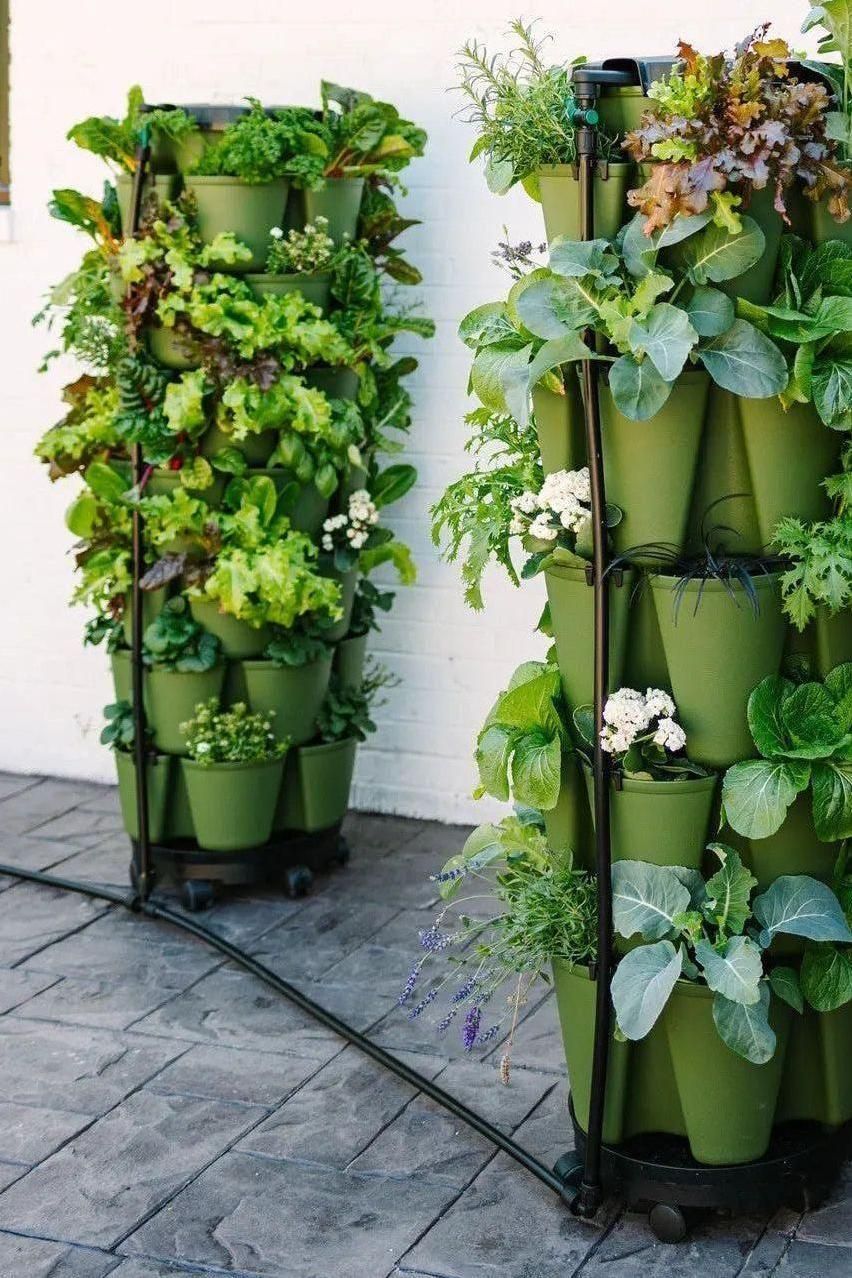
Image from greenstalkgarden.com.
For extended absences, augment self-watering systems with larger reservoirs that provide multiple weeks of water supply. Bottle reservoirs with adjustable flow rates offer another simple solution, slowly releasing water into the soil as moisture levels decrease. These gravity-fed systems work particularly well in vertical gardens where the bottles can be discreetly positioned at the top of the structure, using gravity to distribute water throughout the system.
How to Check Moisture Levels in Vertical Systems
Accurately assessing moisture in vertical herb gardens requires looking beyond the surface, as appearance can be deceptive. While digital moisture meters provide precise readings, the finger test remains remarkably effective—insert your finger about an inch into the soil in different sections of your vertical garden. If the soil feels dry at this depth, it’s time to water; if it feels damp, wait another day. This simple test should be performed in multiple locations throughout your vertical garden, as moisture levels can vary dramatically between upper and lower sections.
For larger vertical systems, consider installing moisture sensor probes at different heights that connect to monitoring systems or automated irrigation controllers. These technologies allow you to track moisture trends over time, identifying potential problem areas before plants show stress symptoms. Look for unexpected patterns—if certain sections consistently dry out faster or retain moisture longer than others, adjust your container positioning or irrigation system to create more uniform conditions throughout your vertical herb garden.
Seasonal Care Tips for Year-Round Harvests
The vertical orientation of herb gardens creates unique seasonal challenges and opportunities. With proper planning and maintenance adjustments throughout the year, these gardens can remain productive across all seasons, even in regions with dramatic climate variations.
Spring and Summer Maintenance Schedule
Spring marks the season of explosive growth in herb gardens, requiring increased attention to pruning and harvesting to maintain plant shape and productivity. Begin by removing any winter protection in early spring once nighttime temperatures consistently remain above freezing. Fertilize lightly with a balanced organic fertilizer diluted to half-strength, applying every 2-3 weeks throughout the growing season to compensate for nutrients that leach more quickly from vertical containers than ground beds.
As summer heat intensifies, adjust watering frequency rather than volume—water more often but avoid oversaturating the soil, which can lead to root diseases in the humid conditions of summer. Monitor for signs of heat stress, particularly in south or west-facing gardens that receive intense afternoon sun. Temporary shade cloth can protect sensitive herbs during heatwaves, while strategic pruning creates better airflow that reduces fungal pressure during humid periods. For culinary herbs, harvest regularly through summer to prevent flowering, which diminishes leaf flavor and redirects plant energy away from foliage production.
Fall Preparations for Outdoor Vertical Gardens
Fall preparation determines the winter survival of perennial herbs and the condition of your vertical garden structure. Begin by evaluating each herb variety—annuals like basil and cilantro should be harvested completely before first frost, while perennials require different protection strategies based on your climate. Clean all containers thoroughly, removing debris that could harbor pests or diseases through winter dormancy. This seasonal cleaning also provides an opportunity to inspect your vertical garden structure for signs of wear or water damage that should be addressed before harsh winter conditions arrive.
For vertical gardens featuring perennial herbs, fall represents the ideal time to divide overcrowded plants, refreshing the soil and ensuring vigorous growth in the coming spring. Reduce fertilization as daylight hours decrease, allowing plants to naturally slow their growth in preparation for winter dormancy. In regions with cold winters, consider relocating especially vulnerable container herbs to protected locations or grouping containers together where they can benefit from shared thermal mass.
Winter Protection Strategies for Cold Climates
The elevated nature of vertical gardens makes them particularly vulnerable to winter temperature fluctuations, as containers lack the insulating properties of ground soil. In cold climates, wrap individual containers with insulating materials like bubble wrap, burlap, or horticultural fleece, securing these protective layers with weatherproof tape or twine. Focus protection efforts on the container sides rather than tops, as soil freezing typically begins from the sides where exposure is greatest.
For wall-mounted vertical gardens, consider installing a removable weather barrier during the coldest months. Clear plastic sheeting creates a greenhouse effect that moderates temperature extremes while still allowing light penetration, while fabric row cover provides insulation without condensation issues. In severe climates, the most effective strategy may involve dismounting portable vertical components and relocating them to protected areas like unheated garages or garden sheds where temperatures remain more moderate.
- Group containers together to create a microclimate with greater temperature stability
- Apply a layer of mulch to container surfaces to insulate soil and reduce moisture loss
- Water perennial herbs thoroughly before hard freezes to help roots survive temperature drops
- Position temporary windbreaks to reduce the desiccating effects of winter winds
- Install holiday lights within the garden structure to provide gentle warming on the coldest nights
For vertical gardens featuring woody perennial herbs like rosemary and lavender, provide additional protection for their exposed stems, which can suffer from winterkill even when roots remain viable. Loosely wrap these plants with breathable materials that prevent wind desiccation without creating humid pockets that encourage fungal growth. Throughout winter, continue monitoring moisture levels in containers housing perennial herbs, as winter drought often damages plants more than cold temperatures alone.
Consider winter as an opportunity to move some vertical components indoors, creating kitchen herb gardens that provide fresh flavors throughout the coldest months. Fast-growing herbs like basil and cilantro can be started from seed indoors in vertical systems, while cold-tolerant perennials remain protected outdoors until spring returns.
Troubleshooting Common Vertical Garden Problems
Even well-designed vertical herb gardens can develop issues that require intervention. Recognizing symptoms early and understanding their causes allows for prompt correction before plant health significantly deteriorates. Most problems stem from moisture management, structural issues, or imbalanced growing conditions that manifest differently in vertical systems than in traditional gardens.

Image from freshmommyblog.com.
Dealing with Uneven Water Distribution
Uneven moisture distribution represents the most common challenge in vertical herb gardens, with upper sections typically drying faster than lower areas. If you notice consistent wilting in upper plants while lower herbs show symptoms of overwatering, adjust your irrigation strategy immediately. Consider installing drip emitters that deliver more water to upper sections and less to lower plants, creating a customized distribution system that compensates for gravity’s effects.
For hand-watered vertical gardens, adopt a top-down approach, watering upper sections more thoroughly than lower ones. Monitor drainage patterns during irrigation—if water runs down the exterior of your containers rather than penetrating the soil, add a small lip or barrier at the upper edge of each container to capture and direct water inward. Hydrophobic soil that resists initial wetting can be remedied by adding a few drops of mild soap to your watering can, which reduces surface tension and allows water to penetrate dry soil more effectively.
Preventing Soil Loss from Vertical Containers
Soil erosion during watering can gradually deplete growing medium from vertical containers, exposing roots and reducing fertility. To combat this, install physical barriers like mesh screens or landscape fabric across the soil surface in areas where erosion occurs. These permeable materials allow water penetration while holding soil particles in place. For containers with particularly fast drainage, consider adding a layer of expanded clay pellets at the bottom to slow water movement without compromising root health.
The watering technique significantly impacts soil retention in vertical systems. Gentle, dispersed watering using shower-type nozzles or drip irrigation prevents the soil disruption that occurs with concentrated water streams. If manual watering remains necessary, use a watering can with a fine rose attachment and hold it close to the soil surface to minimize impact. Over time, incorporate more compost or coconut coir into your soil mix during seasonal refreshing—these materials bind soil particles together while improving overall structure and water retention.
Managing Top-Heavy Growth
Vigorous herbs can become top-heavy in vertical gardens, creating structural stress and potential safety hazards. Regular pruning maintains appropriate plant proportions while stimulating bushier growth that remains in scale with your containers. For trailing herbs, install guide wires or trellises that direct growth along desired paths, preventing unbalanced development that could destabilize your vertical system.
Combating Pests in Confined Spaces
Pest problems can spread quickly in the concentrated environment of vertical gardens, requiring vigilant monitoring and prompt intervention. Inspect plants regularly, paying particular attention to leaf undersides and stem junctions where pests often begin colonizing. The vertical orientation actually offers advantages for pest management—beneficial insects like ladybugs naturally move upward through plants while hunting, providing effective biocontrol when introduced at the base of your vertical garden.
When intervention becomes necessary, opt for targeted treatments rather than broad-spectrum pesticides that could harm beneficial insects. Insecticidal soaps and neem oil provide effective control for most common herb garden pests while remaining safe for culinary plants. The compact nature of vertical gardens makes manual pest removal particularly effective—a strong spray of water dislodges aphids and spider mites, while larger pests can be removed by hand. For persistent infestations, consider temporarily removing affected sections of modular vertical gardens, allowing for treatment away from unaffected plants.
Harvesting and Using Your Vertical Garden Herbs
The ultimate reward of a vertical herb garden comes at harvest time, when fresh flavors enhance your culinary creations!Proper harvesting techniques not only provide the best quality herbs but also promote continued production throughout the growing season. Vertical gardens offer the advantage of easy harvest access, encouraging regular cutting that benefits both your kitchen and your plants.
Proper Cutting Techniques That Promote Growth
Harvesting herbs correctly stimulates branching and denser growth, creating more productive plants that remain in scale with your vertical garden. Always use clean, sharp scissors or pruners to prevent crushing stems, which can introduce disease. For most leafy herbs like basil, mint, and cilantro, harvest by cutting stems just above a leaf node or branching point, which signals the plant to produce two new growing shoots from that location.
Storage Methods for Fresh Herbs
Maximize the usable life of harvested herbs through proper storage techniques tailored to each variety. Soft-stemmed herbs like basil, cilantro, and parsley remain freshest when treated like cut flowers—trim the stem ends and place them in a glass of water at room temperature, changing the water daily. Cover loosely with a plastic bag to create a humidity tent that prevents wilting while allowing airflow that discourages mold development.
Woody herbs such as rosemary, thyme, and sage maintain quality longer when wrapped loosely in damp paper towels and stored in unsealed plastic bags in the refrigerator crisper drawer. This method provides humidity without excess moisture that could promote decay. For maximum convenience, create herb blends matched to your favorite recipes, chopping and mixing fresh herbs immediately after harvest, then freezing them in olive oil in ice cube trays—these flavor bombs can be added directly to cooking pans for instant herb infusion!
Preserving Excess Harvests
Vertical herb gardens often produce abundant harvests that exceed immediate needs, particularly during peak growing seasons. Preservation extends your garden’s benefits throughout the year while preventing waste. Drying represents the simplest preservation method—small bundles of herbs hung upside down in a dark, well-ventilated area retain excellent flavor while requiring no special equipment. For faster results, herb leaves can be dried in a single layer on screens or dehydrator trays, then stored in airtight containers away from light and heat.
For herbs whose flavors diminish when dried, freezing offers superior preservation. Chop tender herbs like basil, cilantro, and parsley, then freeze in water or oil in ice cube trays, transferring the frozen cubes to storage bags once solid. Alternatively, create herb pastes by processing fresh herbs with a small amount of oil and freezing in small portions—these concentrated flavors add brightness to winter soups and stews when garden-fresh herbs are unavailable.

Image from www.bhg.com.
Transform Your Space Today with a Vertical Herb Garden
Vertical herb gardens represent the perfect marriage of practicality and beauty, transforming unused vertical space into productive growing areas that engage all senses. Whether you’re working with a sunny apartment wall, a kitchen window, or an outdoor fence, the techniques and designs we’ve explored offer solutions scaled to your space and skill level. By starting with a thoughtfully designed system and selecting appropriate herbs, you’ll create a living tapestry that enhances your cooking while connecting you to the timeless satisfaction of growing your own food. Your vertical herb garden journey begins with a single container—mount it today and watch as it evolves into a flourishing green space that maximizes flavor in minimal square footage!
Frequently Asked Questions
After helping hundreds of gardeners create successful vertical herb systems, I’ve compiled answers to the most common questions that arise during planning and implementation. These practical solutions address the unique challenges of vertical growing while simplifying maintenance for busy gardeners.
How much sunlight do vertical herb gardens need?
Most culinary herbs require 6-8 hours of direct sunlight daily for optimal flavor development and growth. South-facing vertical gardens typically receive ideal light exposure, while east or west-facing installations may provide adequate light for all but the most sun-loving Mediterranean herbs. If your vertical garden receives less than 6 hours of natural light, consider supplementing with full-spectrum grow lights positioned 12-18 inches from plants and operated for 10-12 hours daily.
Can I grow all types of herbs in a vertical garden?
While most culinary herbs adapt well to vertical gardens, some varieties perform better than others in these systems. Herbs with shallow root systems and compact or trailing growth habits—like thyme, oregano, mint, and chives—thrive in vertical gardens with minimal soil volume. Large, woody herbs such as rosemary and sage require deeper containers (at least 8-10 inches) to develop properly, making them challenging for some vertical designs. Root herbs like horseradish and deep-rooted perennials are generally unsuitable for most vertical systems due to their extensive soil requirements.
How often should I water my vertical herb garden?
Watering frequency depends on your specific vertical garden design, container materials, environmental conditions, and herb varieties. As a general guideline, most vertical herb gardens require watering when the top inch of soil feels dry to the touch, which typically occurs every 2-3 days during active growing seasons. The vertical orientation creates natural moisture gradients, with upper sections typically drying faster than lower ones—check multiple locations when assessing moisture levels.
During hot, windy weather, daily watering may be necessary, particularly for small containers with limited soil volume. Conversely, during cool, humid periods or for gardens featuring drought-tolerant herbs, watering intervals may extend to 4-5 days. Consistent monitoring rather than rigid schedules produces the best results, as vertical garden moisture needs change with seasonal conditions and plant growth stages.
What’s the best way to prevent soil from washing out of vertical planters?
Expert Tip: Line the bottom of vertical containers with fine mesh landscape fabric before adding soil. This creates a permeable barrier that allows water to pass through while keeping soil in place. For pocket planters, place a small piece of fabric in each pocket before adding soil, securing it with a few stitches if necessary. This simple addition prevents soil erosion during watering while maintaining essential drainage for root health.
Beyond physical barriers, soil composition significantly impacts erosion resistance in vertical gardens. Incorporate polymer soil conditioners specifically designed for container gardening—these products bind soil particles together, reducing washout while improving moisture retention. For newly planted vertical gardens, water gently until plants establish strong root systems that naturally hold soil in place.
Your watering technique makes a tremendous difference in soil retention. Apply water slowly and at lower pressure, allowing it to penetrate gradually rather than flowing across the soil surface. Drip irrigation excels in vertical systems precisely because it delivers moisture directly to the root zone without disturbing soil structure. For hand-watered gardens, use watering cans with fine rose attachments rather than hoses with high-pressure spray patterns.
Finally, consider adding a decorative mulch layer to container surfaces—small gravel, crushed seashells, or fine bark create protective barriers that dissipate water impact while adding visual interest to your vertical garden. These materials shield soil from direct water contact while reducing evaporation, creating more stable moisture conditions that benefit herb growth.
Can I move my vertical herb garden indoors for winter?
Many vertical herb garden designs can successfully transition indoors for winter, extending your growing season throughout the year. Modular systems and lightweight containers move most easily, while permanent installations may allow for harvesting cuttings that can be rooted indoors. Before bringing plants inside, inspect thoroughly for pests and diseases, treating any issues before introducing plants to your indoor environment.
Position relocated vertical gardens near south or west-facing windows that receive at least 6 hours of direct sunlight daily. Supplement with grow lights during shorter winter days to maintain plant health and flavor development. Indoor environments typically offer lower humidity and warmer temperatures than outdoor settings, so adjust watering frequency accordingly—check moisture levels more frequently and consider using humidity trays beneath containers to create more favorable growing conditions.
Featured Image from learn.kregtool.com.

Related Posts
-
 Rainwater Harvesting Tips & Benefits for Urban Gardening
- High-Yield Urban Gardening Tips, Techniques & Methods
- [Video] Grow More with Vertical Vegetable Gardening
- How to Build Your Own Worm Farm – Step-By-Step
- [Video] Growing Stealth Veggies for Front-Yard Gardens
- [Video] A Cheap & Easy Way to Support Melons On a Trellis


