Sustainable Gardening Guide: Growing Organic Bok Choi In the Home Garden

Fall is the best time for growing organic bok choi! Here’s how to plant, grow, & harvest this delicious cool-weather crop…
Key Takeaways:
- Bok choi is one of the fastest and easiest organic crops to grow, reaching harvest in as little as 30 days under the right conditions.
- Timing your planting around cool weather is the single most important factor in a successful bok choi harvest — get this wrong and your crop will bolt before you get a chance to eat it.
- Rich, nitrogen-dense soil loaded with compost is the foundation of healthy, organic bok choi growth.
- Both baby and full-size varieties thrive in containers and raised beds, making this a perfect crop for small-space sustainable gardens.
- There is a fall planting window most home gardeners completely overlook — and it may actually produce better results than spring.
Bok choi is the kind of crop that makes you feel like you actually know what you are doing in the garden — fast-growing, nutritious, and incredibly rewarding from seed to plate!
Whether you call it bok choy, pak choi, or Chinese cabbage, this cool-season brassica is one of the most beginner-friendly vegetables you can add to a sustainable home garden. It is packed with vitamins A, C, and K, grows in as little as 30 to 45 days, and adapts beautifully to raised beds, containers, and in-ground plots alike. For gardeners who want to grow more of their own food with less chemical input, bok choi is a natural starting point.

Image from www.almanac.com.
Bok Choi Is One of the Easiest Organic Crops You Can Grow at Home
Bok choi moves fast. From a tiny seed in moist soil to a full, harvestable plant, the turnaround is remarkably quick compared to most vegetables. Baby varieties can be ready in just 30 days, while full-size plants typically mature between 45 and 70 days depending on the variety and growing conditions. That speed means more harvests per season, less waiting, and more food on the table!
What makes bok choi especially well-suited to organic growing is its relatively modest needs. It does not demand a complex feeding schedule or expensive inputs. Give it cool weather, rich soil, consistent moisture, and an organic pest management plan, and it will take care of the rest. It is a plant that rewards attention to fundamentals rather than complicated interventions.
Bok Choi Varieties Worth Growing in Your Home Garden
Not all bok choi is created equal. The variety you choose will shape everything from your harvest timeline to how well the plant handles temperature swings. Broadly speaking, bok choi falls into two camps: baby varieties and full-size varieties. Within those categories, there are bolt-resistant hybrids and heirloom types, each with their own strengths.
| Variety | Size at Harvest | Days to Maturity | Best For |
|---|---|---|---|
| Baby Bok Choi | 6–8 inches | 30–45 days | Containers, quick harvests |
| Full-Size Bok Choi | 10–12 inches | 50–70 days | In-ground beds, larger yields |
| Joi Choi | 10–12 inches | 45–60 days | Spring and fall, bolt resistance |
| Pak Choi | 6–10 inches | 35–50 days | Warmer climates, small harvests |
Joi Choi is worth a special mention for organic gardeners growing in spring. It is a bolt-resistant hybrid, which means it holds its composure longer when temperatures start to climb. That extra window of stability can mean the difference between a full harvest and a plant that goes to flower before you are ready.
Baby Bok Choi vs. Full-Size Varieties: Which Is Right for You?
Baby bok choi is tender, fast, and perfectly sized for container growing or small raised beds. If you are working with limited space or want to succession plant every few weeks for a continuous harvest, baby varieties are your best bet. Full-size bok choi takes a little longer and needs more room — roughly 6 to 12 inches of spacing between plants — but the yield per plant is significantly larger and the stalks are more substantial for cooking.
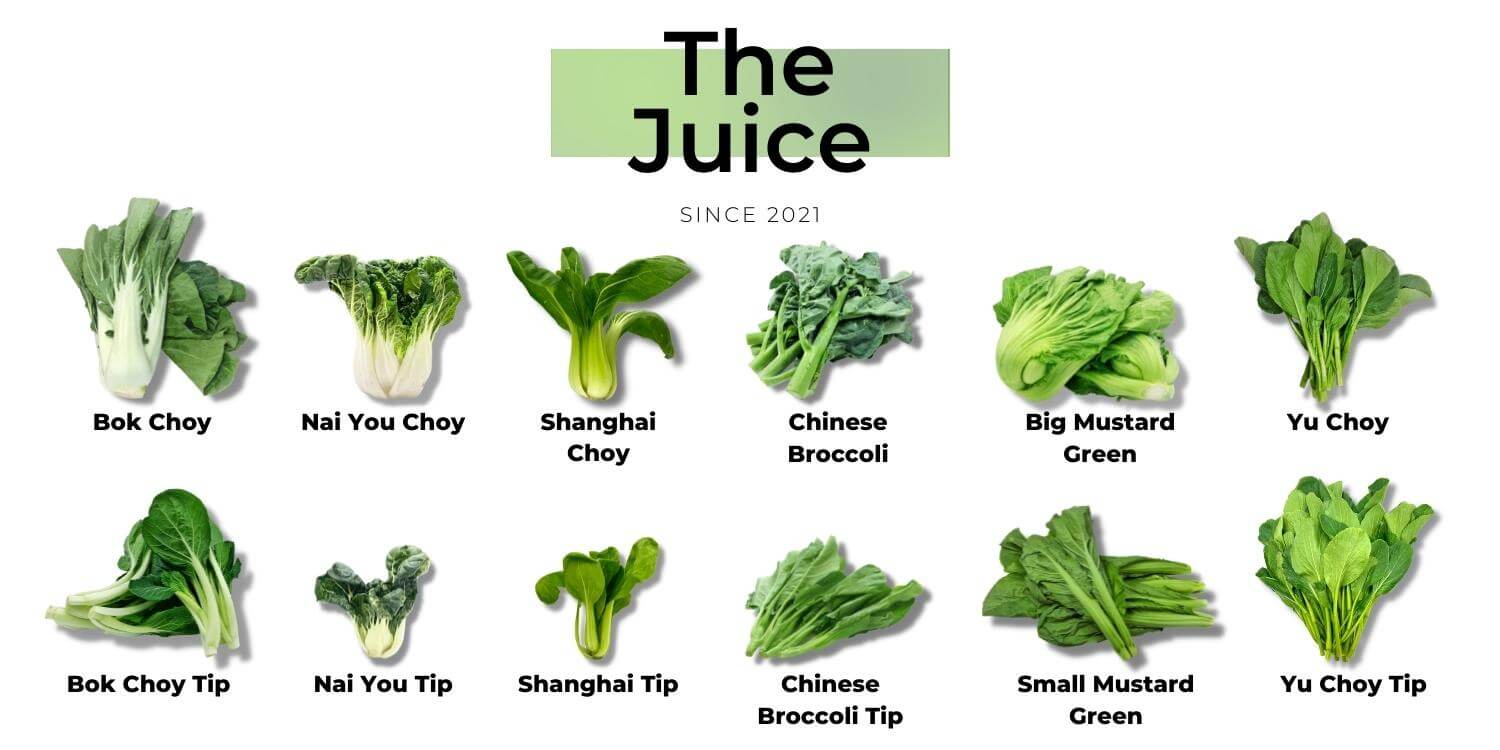
Image from www.purveyd.com.
Best Varieties for Small Spaces and Containers
For small-space and container gardeners, baby bok choi and pak choi are the clear winners. They reach harvestable size quickly, do not require deep root space, and can be grown densely before thinning. A standard 12-inch container can comfortably support two to three baby bok choi plants when thinned properly. Joi Choi also performs well in raised beds where space is limited but you still want a full-size plant with better bolt resistance.
When to Plant Bok Choi for the Best Harvest
Timing is everything with bok choi. This is a cool-season crop, which means it performs best when temperatures stay between 50°F and 70°F (10°C to 21°C). Push it into heat above 75°F and you risk bolting — the plant sends up a flower stalk, turns bitter, and the harvest window closes fast. Get the timing right, though, and bok choi is one of the most productive plants in a home garden.
Spring Planting: Timing Around the Last Frost Date
For spring planting, start seeds indoors 4 to 6 weeks before your last expected frost date, or direct sow outdoors 2 to 4 weeks before that date. Bok choi can handle light frost, so you do not need to wait for perfectly warm soil. The goal is to get the plant established and growing in cool conditions so it can mature before summer heat arrives and triggers bolting.
Fall Planting: The Secret Season Most Gardeners Miss
Fall is arguably the better season for growing bok choi, and most home gardeners overlook it entirely. (This is our favorite time to grow bok choi, and really the only time it’s worth it here in Ohio with our short spring season.) The trick is to count backward from your first expected fall frost. Plant seeds in the ground 6 to 8 weeks before that date, giving the crop time to mature in the naturally cooling temperatures of late summer and early autumn.
Fall-grown bok choi benefits from decreasing day length and dropping temperatures — conditions that align perfectly with what this plant actually wants. There can be less pressure from pests in autumn compared to early summer, and the risk of bolting drops significantly as nights get cooler. If you have only ever grown bok choi in spring and struggled with it bolting, try a fall planting and you may find the whole experience clicks into place! For more tips on what to plant during this time, check out 5 things to plant in August.
Why Bolting Happens and How to Prevent It
Bolting is triggered by heat and long days. When bok choi senses that temperatures are rising and daylight hours are extending, it shifts its energy toward reproduction — sending up a central flower stalk and abandoning the tight, leafy head you want to harvest. The leaves become bitter, the texture toughens, and the plant is essentially finished as a food crop once this happens. To prevent it, choose bolt-resistant varieties like Joi Choi for spring planting, mulch the soil to keep root temperatures stable, and plan your planting dates carefully so the crop matures during the coolest part of your growing window.

Image from www.reddit.com.
The Right Soil Makes or Breaks Your Bok Choi Crop
Bok choi is a heavy feeder by leafy green standards. It draws heavily on nitrogen to produce those lush, thick leaves and firm stalks. Sandy soil with poor organic content will give you weak, slow-growing plants that are vulnerable to stress and pests. Fertile, moisture-retentive soil loaded with compost is where bok choi truly thrives. Aim for a soil pH between 6.0 and 7.5 — slightly acidic to neutral — which supports strong nutrient uptake without locking out key minerals.
How to Build Nitrogen-Rich Soil With Compost and Organic Matter
Before planting, work in a generous layer of well-aged compost into the top 6 inches of soil. Compost does double duty: it feeds the plant with slow-release nitrogen and improves soil structure so water drains well without drying out too quickly. If your soil is particularly poor, you can supplement with an organic nitrogen source like blood meal or composted chicken manure, but for most home gardens with established compost practices, rich compost alone is enough to get bok choi off to a strong start.
Ideal Soil pH for Bok Choi
Bok choi grows best in soil with a pH between 6.0 and 7.5. Below 6.0, the plant struggles to absorb calcium and magnesium, which leads to stunted growth and tip burn on the leaves. You can test your soil easily with an inexpensive home pH kit or a digital meter, and adjust upward with garden lime or downward with sulfur if needed. For most home gardeners who have been adding compost regularly, the pH tends to fall naturally in the right range.
How to Plant Bok Choi: Seeds vs. Seedlings
You have two solid options when it comes to getting bok choi in the ground: starting from seed or transplanting seedlings. Both work well, but each has its own timing and technique. Seeds are cheaper, give you more variety choices, and are perfectly suited for direct sowing. Seedlings give you a head start on the season, which matters more in spring when the warm weather window is tight.
- Direct sowing works best for fall planting when soil is still warm enough to encourage fast germination
- Starting indoors gives you a 4 to 6 week head start, critical for spring crops that need to mature before summer heat sets in
- Transplanting seedlings from a nursery is the fastest route to harvest, though variety selection will be more limited
- Succession sowing every 2 to 3 weeks extends your harvest window across multiple months in both spring and fall
Whichever method you choose, the goal is the same: get the plant established and actively growing during cool weather. A bok choi plant that spends its most active growth phase in temperatures above 75°F is already fighting an uphill battle against bolting.
One thing worth noting is that bok choi does not love having its roots disturbed. If you are starting indoors, use biodegradable peat pots or soil blocks so you can transplant the whole thing without disturbing the root system. This small step makes a meaningful difference in how quickly transplants establish in the garden.
Direct Sowing Seeds Outdoors
Direct sowing is the simplest approach and works particularly well for fall planting. Sow seeds about ¼ inch deep in prepared soil, spacing them roughly 1 inch apart in rows 12 to 18 inches apart. Water gently but thoroughly after sowing, and keep the soil consistently moist until germination occurs — typically within 4 to 7 days in cool, moist conditions. Thin the seedlings once they reach 2 to 3 inches tall, giving each plant the space it needs to develop properly. You can enjoy the thinned seedlings in salads or stir fries!

Image from sarabackmo.com.
PRO TIP: If you are sowing in late summer for a fall harvest, the soil surface can dry out quickly in the remaining heat. A light covering of straw mulch over the seeded area helps retain moisture and keeps the soil temperature from spiking during the day. Remove or thin the mulch once seedlings are up and growing steadily.
Starting Seedlings Indoors and Transplanting Successfully
Start seeds indoors 4 to 6 weeks before your planned outdoor planting date. Use a good quality seed-starting mix — not regular garden soil — and keep the growing environment between 60°F and 70°F for the best germination rates. Bok choi seeds are quick to sprout and will typically show their first true leaves within 10 to 14 days of germination.
Harden off seedlings for 7 to 10 days before transplanting. This means gradually introducing them to outdoor conditions — starting with a few hours of sheltered outdoor time each day and increasing exposure over the hardening period. Skipping this step often leads to transplant shock, leaf burn, wilting, and setbacks that cost you valuable growing time.
- Use biodegradable pots or blocks to minimize root disturbance at transplanting time
- Water seedlings well the day before transplanting to reduce stress on the roots
- Transplant in the evening or on a cloudy day to avoid wilting from direct sun exposure
- Water immediately after transplanting and apply a thin layer of compost around the base of each plant
Once in the ground, most well-hardened bok choi transplants will recover quickly and begin visibly growing within a week. Keep the soil consistently moist during this establishment phase and resist the urge to fertilize heavily right away — the rich compost in your prepared bed is enough to carry the plant through its early growth.
Spacing and Thinning for Healthy Growth
Spacing is one of those details home gardeners tend to underestimate, especially with a crop that germinates so readily. When too many plants compete for the same resources, air circulation drops, moisture stress increases, and the conditions for fungal disease improve. For baby bok choi, aim for 4 to 6 inches between plants. Full-size varieties need 6 to 12 inches of space to reach their potential.
Thinning feels counterintuitive when you have a patch of healthy seedlings in front of you, but it is one of the most important things you can do for a strong harvest. The good news is that the thinnings are entirely edible — tender, mild, and perfect for salads or stir-fries. Think of thinning not as discarding plants, but as harvesting the first small crop of the season!

Image from www.asiancookingmom.com.
Keeping Bok Choi Healthy Through the Growing Season
Once your bok choi is established and growing, the day-to-day care is straightforward. Consistent moisture, appropriate light, and clean organic mulch do most of the heavy lifting. The biggest threats to a healthy crop are irregular watering, temperature spikes, and pest pressure — all of which are manageable with a little attention.
Watering: How Much and How Often
Bok choi needs consistent, even moisture throughout its growing cycle. Irregular watering — long dry spells followed by heavy soaking — stresses the plant, creates conditions that encourage bolting, and can lead to tip burn on the leaf edges. Aim to keep the soil evenly moist but never waterlogged. In most climates, this means watering every 2 to 3 days when small, or more frequently during dry spells.
The best time to water is in the morning, at soil level rather than overhead. Wet leaves sitting in cool evening air create ideal conditions for fungal problems like downy mildew, which can be common on brassicas. A drip irrigation system or soaker hose is worth setting up if you are growing bok choi in any quantity — it delivers water exactly where it is needed and keeps the foliage dry.
Mulching to Lock In Moisture and Suppress Weeds
A 2 to 3 inch layer of organic mulch around your bok choi plants does more work than almost any other single action you can take in the garden. It slows moisture evaporation from the soil surface, stabilizes root zone temperatures, and suppresses the weeds that would otherwise compete with your crop for water and nutrients. Straw, shredded leaves, and untreated wood chips all work well as mulching materials for bok choi beds.
Keep mulch pulled back slightly from the base of each plant stem — direct contact between moist mulch and plant stems can encourage rot at the crown. A small gap of an inch or two around the stem is all it takes to prevent this while still capturing all the benefits of mulching the surrounding soil.
For gardeners in warmer climates where the fall growing window starts while temperatures are still high, mulching is especially important. Keeping root zone temperatures lower during the early weeks of a fall planting delays the plant’s perception of heat stress and buys more growing time before cooler nights take over naturally.
Sunlight Needs: Full Sun vs. Partial Shade
Bok choi grows well in both full sun and partial shade, but the right choice depends on your season and climate. In cool spring and fall conditions, full sun — around 6 hours per day — drives the fastest growth and the most productive harvests. In warmer conditions or during the tail end of summer, partial shade of 4 to 5 hours of direct sun can help slow bolting and extend the growing window. If you are planting in a spot that gets afternoon shade from a fence, trellis, or taller plants, that can actually work in your favor during shoulder-season growing.
Organic Pest Control for Bok Choi
Bok choi is a brassica, which means it shares the same pest vulnerabilities as cabbage, broccoli, and kale. The good news is that most of the common pests that target bok choi are manageable without any synthetic chemicals — and with a proactive organic approach, you can keep them from becoming a serious problem in the first place. Prevention is significantly easier than intervention once a pest population gets established.
The organic approach to pest control in a bok choi bed is built on three pillars: physical barriers, biological controls, and cultural practices. Using floating row cover from the moment of planting is the single most effective step you can take. It physically excludes the most damaging insects — particularly cabbage moths and flea beetles — without any chemical input at all. Pair that with healthy soil biology, good plant spacing, and regular inspection, and most organic bok choi crops will reach harvest with minimal pest damage.
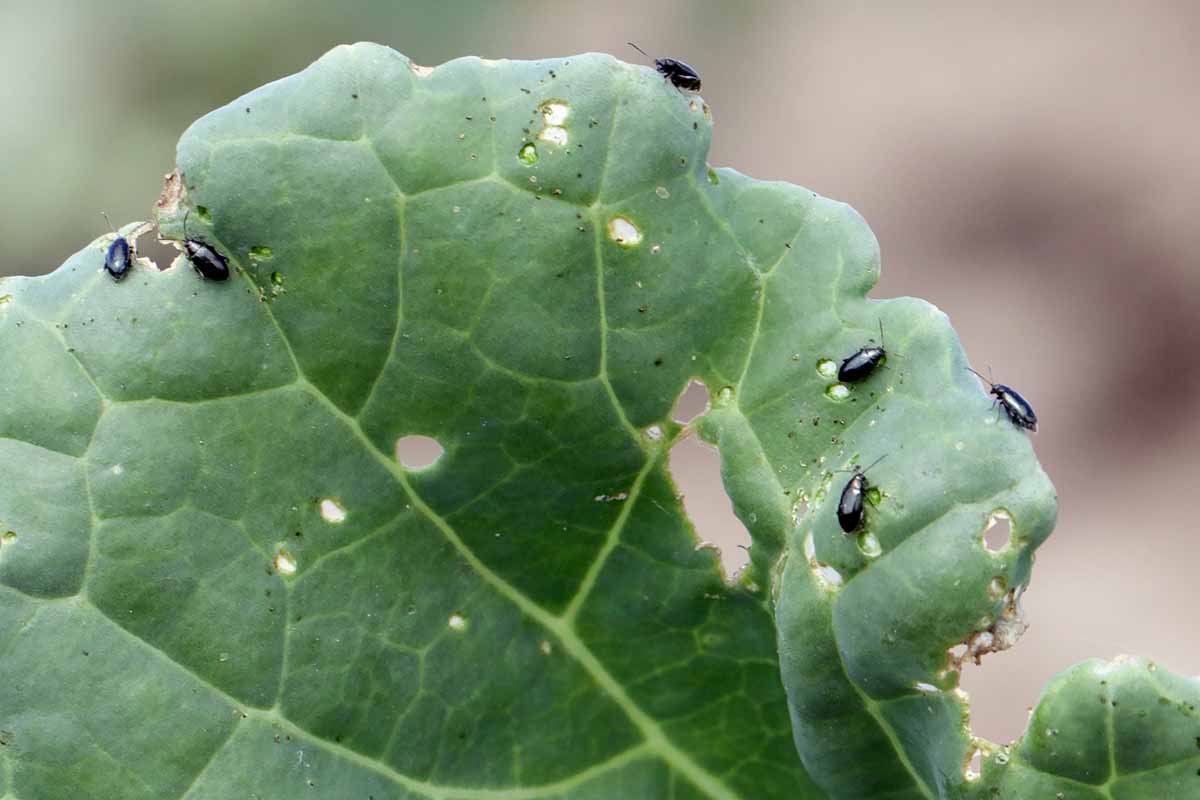
Image of flea beetles on bok choi from gardenerspath.com.
Common Pests That Target Bok Choi
Knowing what you are dealing with makes organic management far more targeted and effective. The pests most likely to cause problems in a home bok choi garden include:
- Flea beetles — Tiny black beetles that leave small round holes across leaves, most damaging to young seedlings
- Cabbage white butterfly larvae — Green caterpillars that blend into leaves and can strip a plant rapidly if not caught early
- Aphids — Soft-bodied insects that cluster on the undersides of leaves, weakening plants and spreading disease
- Slugs and snails — Most active in cool, moist conditions — exactly the weather bok choi prefers — and capable of serious overnight damage to young plants
- Cabbage root maggots — The larvae of a small fly that attacks the root system, causing wilting that can look like drought stress
Natural and Organic Methods to Keep Pests Away
Floating row cover is your first and best line of defense. Lay it directly over newly planted bok choi and secure the edges with soil or garden staples. It lets in light, air, and water while physically blocking the insects that do the most damage. For flea beetles in particular — which can devastate young seedlings within days — row cover is far more effective than any spray-based solution. Remove it briefly when you need to thin or check on plants, then replace it promptly.
Beyond physical barriers, a healthy organic garden ecosystem does a lot of pest management work on its own. Encourage beneficial insects like ground beetles, lacewings, and parasitic wasps by planting flowering herbs nearby — dill, fennel, and cilantro allowed to flower all attract these natural predators. For aphid outbreaks, a strong jet of water dislodges most colonies, and a follow-up spray of diluted neem oil handles persistent populations. For slugs, a shallow dish of beer sunk level with the soil surface is a surprisingly effective trap, or use food-grade diatomaceous earth sprinkled around plant bases in dry conditions. For more tips on sustainable pest control, check out this guide.
How and When to Harvest Bok Choi
Harvesting bok choi at the right time is what separates a good crop from a great one. Leave it too long and the plant puts its energy into bolting rather than producing the tender leaves and firm stalks you have been waiting for. The optimal harvest window is actually wider than most gardeners expect — you have real flexibility, especially if you are using a cut-and-come-again approach rather than pulling the entire plant at once.
Baby bok choi is typically ready at 30 to 45 days after planting, when plants are 6 to 8 inches tall. Full-size varieties are ready between 50 and 70 days, when they reach 10 to 12 inches in height with a tight, full head. The outer leaves should look healthy and vibrant, the stalks should be firm and crisp, and the central head should feel solid when you gently squeeze it. If you see a central stalk beginning to elongate and push upward from the center of the plant, harvest immediately — bolting has begun and the clock is running out.

Image from www.gardenersworld.com.
Signs Your Bok Choi Is Ready to Pick
The clearest signals that your bok choi is at peak harvest readiness are visual and tactile. Look for a compact, upright plant with thick, glossy outer leaves and a firm central head. The base of the plant should feel dense and substantial. Run your hand across the top of the plant — if it feels loose and open, give it a few more days. If the center is tight and the plant has reached the size range for its variety, it is ready.
One of the most reliable indicators is the color of the leaf stalks. White-stemmed varieties like standard bok choi should have bright, clean white bases. Any yellowing of the outer leaves, softening of the stalks, or signs of a stretching central stem are signals to harvest without delay. At the first hint of a flower bud forming in the center of the plant, cut the whole head immediately and use it — bolted bok choi is edible but noticeably more bitter.
Cut-and-Come-Again Harvesting to Extend Your Yield
Rather than harvesting the entire plant at once, you can extend your bok choi yield significantly by using a cut-and-come-again approach. Use a sharp, clean knife to cut outer leaves from the plant at the base, leaving the central growing point intact. The plant will continue producing new leaves from the center, giving you multiple rounds of harvest from a single planting. This works particularly well with baby bok choi varieties and gives you a sustained supply rather than a single large glut. That said, every plant has a limit — once the weather warms or the plant commits to bolting, no amount of cutting will reset it.
Fresh From the Garden: Your Organic Bok Choi Is Worth the Effort
From that first thinning you toss into a stir-fry to the satisfying moment you cut a full, firm head you grew entirely without synthetic inputs, organic bok choi is one of the most rewarding crops a home gardener can grow. The timeline is short, the inputs are minimal, and the payoff — in fresh food, in garden confidence, and in the quiet satisfaction of a well-managed organic bed — is real. Get the soil right, time your planting around cool weather, stay ahead of pests with row cover, and succession plant to keep the harvest coming. This is sustainable gardening at its most practical and most delicious!
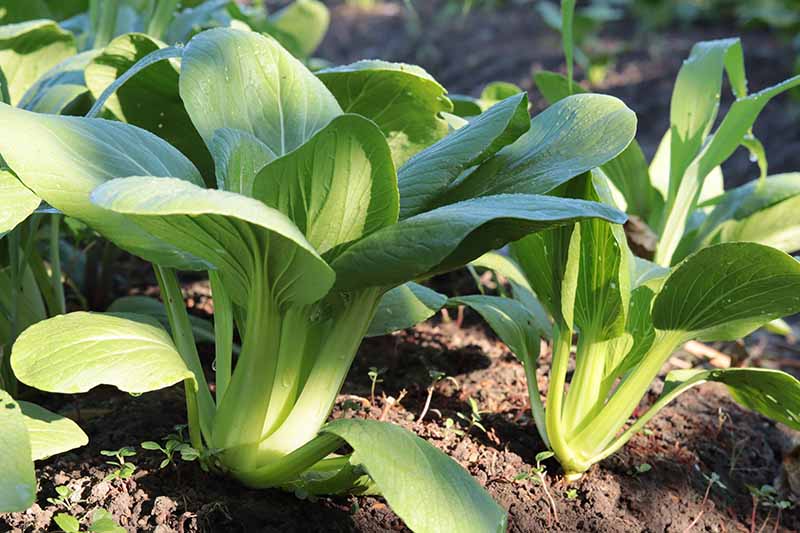
Image from gardenerspath.com.
Frequently Asked Questions
Bok choi is a straightforward crop once you understand its needs, but a few questions come up again and again from home gardeners. Here are the most common ones, answered directly.
Can You Grow Bok Choi in Containers or Raised Beds?
Yes — bok choi is an excellent container and raised bed crop, particularly baby varieties. For containers, choose a pot at least 8 to 12 inches deep with good drainage. Fill it with a rich, compost-heavy potting mix and plant two to three baby bok choi plants per 12-inch container after thinning. Raised beds are arguably the ideal growing environment for bok choi because you have full control over soil quality, drainage, and root zone temperature. Natural cedar raised bed systems, for example, are a popular choice among organic gardeners growing brassicas in a controlled environment, offering the deep soil depth and excellent drainage that bok choi responds to well.
How Long Does Bok Choi Take to Grow From Seed to Harvest?
Bok choi takes between 30 and 70 days from seed to harvest depending on the variety. Baby bok choi is the fastest, ready in as little as 30 to 45 days. Full-size varieties typically take 50 to 70 days under cool growing conditions. Warmer temperatures slow bolting but can also rush the plant past its optimal harvest window, so timing matters more than simply counting days from planting.
What Is the Difference Between Bok Choi and Pak Choi?
Bok choi and pak choi are two common names for essentially the same plant — Brassica rapa subsp. chinensis. The naming conventions vary by region, with “bok choy” more common in North America and “pak choi” more widely used in the UK and parts of Asia. In practice, both names are used interchangeably for the same vegetable. However, some nurseries and seed suppliers use “pak choi” to describe specific varieties that are harvested smaller and are better suited to warmer growing conditions. Key distinctions to keep in mind:
- Bok choy/bok choi — The North American term, typically referring to the full range of varieties from baby to full-size
- Pak choi — Often used in the UK and internationally; sometimes indicates a smaller, faster-maturing type suited to warmer conditions
- Same species — Both are Brassica rapa subsp. chinensis, a member of the mustard family closely related to cabbage and kale
- Flavor profile — Mild, slightly sweet, with tender leaves and crisp stalks regardless of what the label calls it
The practical takeaway is not to get too hung up on the naming. Focus instead on the variety characteristics listed on the seed packet — days to maturity, bolt resistance, and recommended growing season matter far more than whether the label says bok choi or pak choi.
If you are browsing seed catalogues and see both listed, compare the growing notes side by side. You may find that what is sold as “pak choi” in your region has been selected specifically for the climate conditions closest to where you garden, which can make it a smarter choice than a standard bok choi variety even if the flavor and appearance are nearly identical.
Why Is My Bok Choi Bolting and What Can I Do About It?
Bolting in bok choi is almost always triggered by one of two things: heat or long daylight hours. When the plant senses that temperatures are rising above its comfort zone — typically above 75°F (24°C) — or that day length is extending past the threshold it associates with summer, it shifts its biological priority from leaf production to seed production. The central stalk elongates, a flower bud forms, and the leaves become bitter and tough. If your bok choi is bolting, harvest what you can immediately, even if the head is smaller than you hoped. Going forward, adjust your planting dates so the crop matures earlier in spring or later in fall, switch to a bolt-resistant variety like Joi Choi for spring planting, and use mulch to stabilize soil temperatures around the root zone during any warm spells.
Is Bok Choi a Perennial or Annual Plant?
Bok choi is technically a biennial, meaning its natural life cycle spans two years. In the first year it produces the leafy vegetable you harvest, and in the second year it flowers and sets seed. However, most home gardeners grow it as an annual because the plant almost always bolts — going straight to flower — when it encounters warm temperatures or extended daylight, typically before that two-year cycle has a chance to play out.
In practice, you plant bok choi, harvest it in the same season, and replant in the next suitable growing window. This is why succession planting — sowing a small batch every two to three weeks throughout the cool season — is the best strategy for a continuous, reliable harvest rather than waiting to see if a plant will re-grow on its own.
For sustainable gardeners who want to close the loop entirely, allowing one or two plants to bolt and go to seed at the end of the season is a rewarding practice. The seeds are easy to collect once the seed pods dry on the stalk, and saving your own bok choi seed from season to season builds a locally adapted seed stock that can improve your harvest results over multiple growing years.
Featured Image from sowrightseeds.com.


