Sustainable Gardening Guide: Growing Organic Parsnips from Seed

Add some unexpected sweetness to your fall garden by growing organic parsnips! They take a bit of patience, but are overall very easy to grow from seed. Here’s how to get started…
Key Takeaways:
- Fresh seeds are critical for parsnip success – they lose viability quickly, so always purchase new organic seeds each growing season for best results.
- Parsnips develop sweeter flavor after exposure to frost, making them an excellent crop for fall planting and winter harvesting in many growing zones.
- Direct sowing is essential for parsnips as their delicate taproots don’t transplant well – proper spacing and soil preparation prevent misshapen roots.
- Loose, well-draining soil free of rocks and amendments like compost create the ideal growing environment for straight, healthy parsnip roots.
- Sustainable organic growing methods not only produce healthier parsnips but also support beneficial soil organisms that improve your entire garden ecosystem.
Why Organic Parsnips Deserve a Spot in Your Garden
Parsnips are the unsung heroes of the sustainable winter garden! These frost-tolerant root vegetables actually become sweeter after cold exposure, providing a nutritious harvest when other crops have long finished producing. Growing parsnips organically connects you to ancient agricultural traditions – these cream-colored roots have been cultivated since Roman times, offering remarkable nutrition including potassium, fiber, and vitamin C to sustain people through harsh winters. Unlike their commercially grown counterparts, homegrown organic parsnips develop complex, nutty flavors that transform winter soups, roasts, and stews.

Image from snaped.fns.usda.gov.
The sustainability credentials of organic parsnips are impressive. Their long growing season means they’re excellent carbon capturers, drawing CO₂ from the atmosphere throughout their extended growth period. When grown without synthetic fertilizers and pesticides, parsnips support soil health and beneficial organisms that strengthen your entire garden ecosystem. Their deep taproots naturally break up compacted soil layers, improving drainage and aeration even for future plantings. And for the sustainable gardener seeking self-sufficiency, few crops offer the storage longevity of parsnips – they can remain in the ground through winter (with proper protection) or store for months in cool conditions.
Selecting the Perfect Parsnip Seeds for Organic Growing
When embarking on your organic parsnip growing journey, seed selection becomes your first critical decision. Unlike some vegetables where saving seed is straightforward, parsnips require special attention as they’re biennial plants that flower in their second year. For most home gardeners, purchasing certified organic seeds annually ensures both genetic quality and adherence to organic growing principles. Look for seed suppliers who have signed the Safe Seed Pledge, guaranteeing their products are free from genetic modification and were produced using sustainable methods.
Variety selection should factor in your specific climate and growing conditions. Northern gardeners with longer, colder winters might prefer varieties with exceptional cold hardiness like ‘Hollow Crown‘ or ‘Cobham Improved Marrow’, while those in milder regions could consider quicker-maturing options like ‘Albion‘ or ‘White Gem‘. Remember that the parsnip’s long growing season (typically 100-130 days) means you’re making a season-long commitment to your chosen variety.
Fresh Seeds: The Non-Negotiable First Step
Perhaps no vegetable emphasizes the importance of fresh seeds more than parsnips. Their oils deteriorate rapidly, causing germination rates to plummet dramatically after just one year of storage. Even under ideal storage conditions, year-old parsnip seeds might show germination rates below 30% – a frustrating start to any growing project. Always check the packaging date when purchasing, and prioritize suppliers who specify the current year’s harvest.
For maximum viability, store any unused parsnip seeds in airtight containers in your refrigerator, though it’s generally best to purchase only what you’ll use in a single season. Some experienced gardeners recommend pre-soaking parsnip seeds for 24 hours before sowing to improve germination rates, especially with slightly older seeds. If you’re committed to seed saving from your own garden, you should be aware that cross-pollination between cultivated parsnips and wild Queen Anne’s lace (a close relative) can occur, potentially resulting in bitter-tasting roots in subsequent generations. For more tips on growing parsnips, check out this guide.
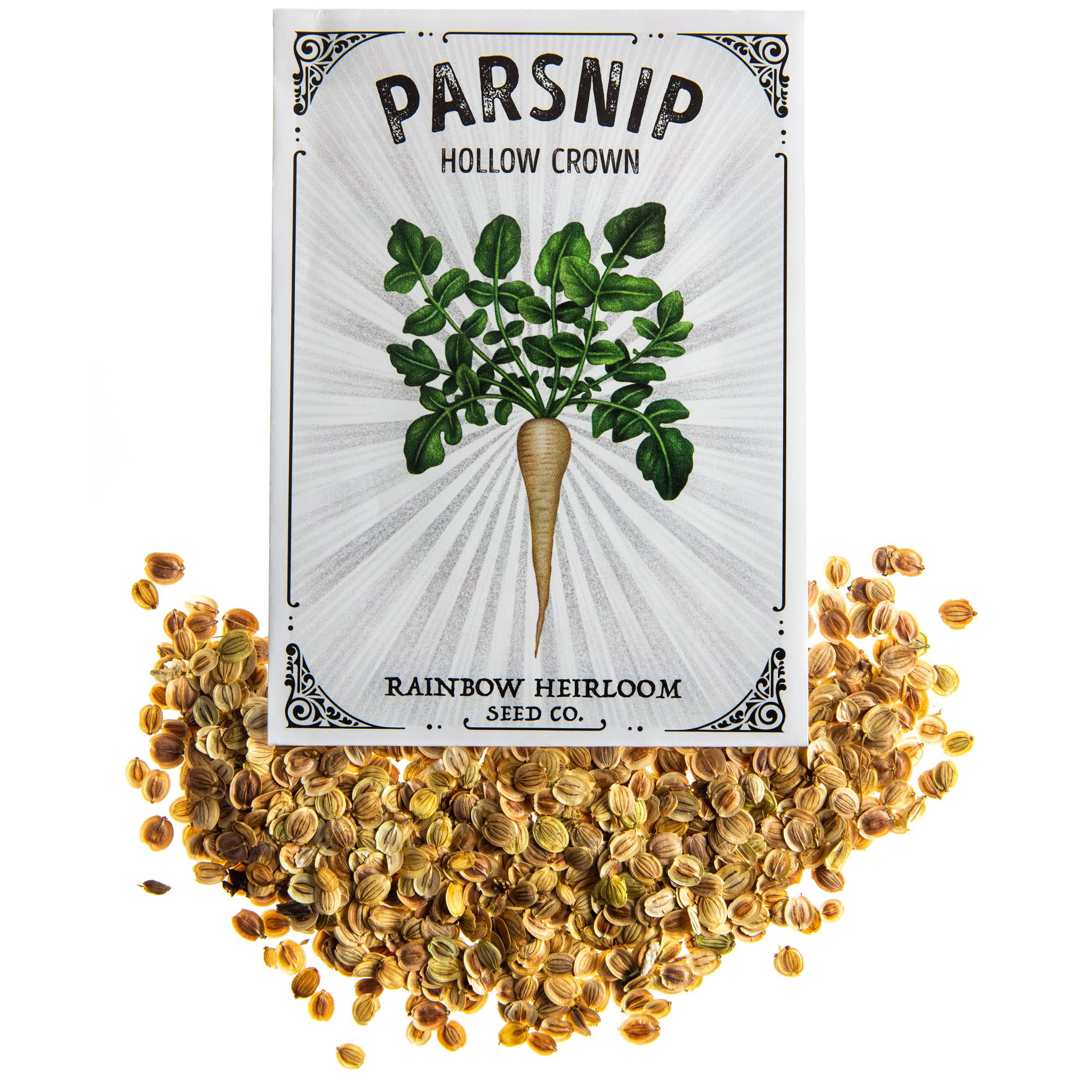
Image from www.amazon.com.
Top Organic Parsnip Varieties for Home Gardens
‘Hollow Crown‘ stands as perhaps the most beloved heritage variety, offering sweet, aromatic flesh and reliable performance across many growing zones. Dating back to the 1820s, this variety exemplifies the connection between sustainable gardening and preserving agricultural biodiversity, and it’s the only parsnip that we grow in our own garden. For those with heavier soils, ‘Tender and True‘ produces slightly shorter, stubbier roots that are less prone to forking in challenging conditions.
‘Gladiator F1’ represents newer breeding work, offering improved disease resistance particularly against canker and crown rot – common challenges in organic parsnip cultivation. While not an heirloom, its vigor can make it an excellent choice for beginners or those gardening in disease-prone environments. For container gardeners or those with limited space, ‘Albion’ develops more compact roots while maintaining excellent sweetness and texture. If you’re interested in learning more about container gardening, check out this guide to creating a sustainable edible balcony garden.
Those seeking unusual varieties might consider ‘White Gem‘ with its shorter, broader roots and exceptional sweetness, or ‘Javelin’ which produces particularly uniform, smooth roots that simplify cleaning and preparation. Each variety offers slightly different maturation times, disease resistances, and flavor profiles – experimentation over several seasons will reveal which performs best in your specific garden ecosystem.
Parsnip Variety Comparison for Organic Growing
Hollow Crown: Heritage variety (1820s), sweet aromatic flesh, 95-120 days to maturity, excellent winter hardiness, traditional long taproot form
Tender and True: Award-winning flavor, shorter roots good for heavy soils, resistant to canker, 110 days to maturity.
Gladiator F1: Improved disease resistance, uniform shape, vigorous growth, 120 days to maturity, excellent for challenging conditions
Albion: Earlier maturity (90-100 days), compact roots good for containers, bright white flesh, excellent sweetness
White Gem: Shorter, broader roots, exceptional sweetness, good for shallow soils, 100-110 days to maturity
Where to Source Quality Organic Seeds
Specialized organic seed companies offer the best selection of parsnip varieties grown under certified organic conditions. Companies like Johnny’s Selected Seeds, High Mowing Organic Seeds, and Fedco Seeds maintain rigorous quality standards and often provide detailed growing information specific to organic systems. Many of these suppliers also participate in seed conservation efforts, helping preserve genetic diversity that strengthens our food system’s resilience against climate change.
Local seed exchanges and gardening clubs can be treasure troves for regionally adapted parsnip varieties. Seeds passed through generations of gardeners in your specific climate often develop subtle adaptations to local conditions, potentially offering improved performance. For those deeper into sustainable gardening, supporting small-scale seed companies aligns with values of localism and agricultural diversity – these businesses frequently maintain varieties that would otherwise disappear from commercial catalogs. Remember that investing in quality organic seeds not only improves your gardening outcomes but also supports the expansion of organic agriculture practices throughout the seed production system.
Preparing Your Garden Bed for Parsnip Success
Successful organic parsnip cultivation begins with thoughtful bed preparation, ideally started several weeks before sowing. Unlike some vegetables that can tolerate mediocre soil conditions, parsnips require meticulous preparation to develop their characteristic long, straight roots. Begin by removing all rocks, sticks, and debris that could cause root forking – even small obstructions can lead to misshapen roots. For established garden beds, consider dedicated parsnip rows where you can create the ideal growing medium without disturbing your entire garden.
Soil Requirements for Healthy Roots
Parsnips thrive in loose, fertile soil with excellent drainage and moderate organic matter content. The ideal pH range falls between 6.0-7.0, slightly less acidic than what many other root vegetables prefer. Heavy clay soils should be amended with well-decomposed compost, leaf mold, or aged sawdust to improve structure without adding excessive nitrogen that stimulates top growth at the expense of root development. Sandy soils benefit from additions of mature compost to increase water retention and provide slow-release nutrients throughout the long growing season.
Creating the Perfect Planting Environment
Double-digging your parsnip bed creates the deep, loose growing medium these root vegetables crave. Work the soil to at least 12-15 inches deep, incorporating a light application of finished compost into the lower layers while avoiding excessive fertilization that can cause root splitting. Consider preparing raised beds for parsnips if your native soil is particularly heavy or poorly drained – the extra depth and improved drainage create ideal conditions for long, straight root development.
Timing your bed preparation to allow the soil to settle before planting prevents air pockets that can distort developing roots. In established garden systems, designate specific beds for root vegetables in your rotation plan, maintaining them with minimal disturbance to preserve soil structure. In cooler climates, consider preparing your parsnip beds in fall for spring planting, allowing winter freezing and thawing cycles to naturally break down soil clumps and create the fine tilth parsnips prefer.
Natural Soil Amendments That Boost Growth
Rock phosphate provides a slow-release source of phosphorus that supports robust root development without the solubility issues of synthetic fertilizers. A light application of well-rotted manure the season before planting (never fresh, which can cause forking) provides balanced nutrition without excessive nitrogen. Trace mineral amendments like kelp meal offer micronutrients that improve both plant health and nutritional value without disrupting soil biology.
Consider applying a thin layer of finished compost to the bed surface rather than working it deeply into the soil – this “top dressing” approach provides nutrients that wash down to developing roots gradually. For acidic soils, powdered eggshells or a light application of garden lime can adjust pH to the parsnip’s preferred near-neutral range. Remember that excess fertility, particularly nitrogen, results in lush top growth at the expense of the roots you’re actually cultivating.
Companion Plants That Help Parsnips Thrive
Strategic companion planting enhances parsnip growth while maximizing garden space. Shallow-rooted crops like leaf lettuce, spinach, and other salad greens make excellent neighbors, occupying the surface soil space while parsnips develop below. Radishes serve a dual purpose – not only do they mature quickly while parsnips are just getting established, but they also naturally mark your slow-germinating parsnip rows and help break soil crust.

Image from www.gardengroupnantucket.com.
Aromatic herbs including rosemary, sage, and mint repel the carrot rust fly, which affects parsnips as well despite their name. Avoid planting parsnips near carrots, celery, or parsley – close botanical relatives that can share diseases and pests. Alliums like onions and garlic make excellent companions, as their strong scent confuses and deters many root vegetable pests. In sustainable garden design, consider how these companion plants support not just your parsnips but the entire garden ecosystem through improved pollination, pest management, and soil health.
Direct Sowing Techniques for Maximum Germination
Parsnips demand direct sowing – their delicate taproots resent disturbance, making transplanting very difficult for success. Wait until soil temperatures consistently reach 50°F (10°C) before sowing, as cold soil significantly delays germination and reduces viability. For most regions, this means sowing from mid-spring through mid-summer, allowing sufficient time for roots to develop before winter harvests.
Prepare shallow furrows approximately half an inch deep, moistening the soil thoroughly before sowing to create the humid environment parsnip seeds require for germination. Consider laying burlap or cardboard over newly sown rows to maintain moisture and regulate temperature during the extended 2-3 week germination period, removing these covers at the first sign of sprouting. Patience becomes the sustainable gardener’s virtue during this waiting period – resisting the urge to disturb the soil or reseed prematurely.
Timing Your Planting for Optimal Results
The ideal planting window for parsnips balances soil temperature, moisture conditions, and your desired harvest timeline. Aim for soil temperatures between 50-70°F (10-21°C) – cooler soils extend germination time dramatically, while warmer conditions may reduce viability. For fall and winter harvests, count backward from your first expected frost date, allowing at least 120 days for full development, with additional time for flavor enhancement through cold exposure after the first frost.
Consider succession planting with different varieties to extend your harvest period, staggering sowings 2-3 weeks apart in spring and summer. In warmer regions (USDA zones 7-9), fall sowing for spring harvest works exceptionally well, allowing roots to develop during cooling weather and mature during winter for early spring harvesting. Monitor weather patterns rather than rigidly following calendar dates – adaptability to your specific microclimate epitomizes sustainable gardening principles.
Step-by-Step Sowing Method
Begin by thoroughly soaking your planting furrows, creating moisture reservoirs that support the lengthy germination process. Sow seeds more densely than their final spacing – approximately 1 inch apart within rows – to account for parsnips’ notoriously uneven germination rates. Cover seeds with just ¼-½ inch of fine soil, tamping gently to ensure good seed-to-soil contact without compacting the growing medium. A light layer of compost or vermiculite over the rows helps retain moisture while preventing soil crusting that can impede emergence.
For challenging conditions or when using slightly older seeds, try the seed tape method: create homemade seed tapes using thin strips of toilet paper, a flour-water paste, and precisely spaced seeds. This approach not only improves germination by maintaining ideal moisture around each seed but also eliminates the need for thinning later. Water newly sown rows with a fine mist rather than a strong spray to prevent seed displacement, and maintain consistent moisture throughout the germination period – never allowing the top layer to dry completely during the critical first three weeks.
Spacing Guidelines for Healthy Root Development
Proper spacing prevents competition and allows each parsnip to develop to its full potential without distortion. Final spacing should allow 4-6 inches between plants within rows and 12-18 inches between rows, providing sufficient room for both underground development and above-ground foliage. Consider your specific variety’s mature size when determining spacing – larger varieties like ‘Hollow Crown’ benefit from the wider spacing, while compact types like ‘Albion’ can manage with slightly closer placement.
Organic Care Throughout the Growing Season
- Maintain consistent soil moisture, especially during germination and the first 6-8 weeks of growth
- Apply organic mulch once seedlings reach 3-4 inches tall to suppress weeds and regulate soil temperature
- Thin seedlings progressively rather than all at once to minimize root disturbance
- Monitor for pests weekly, addressing issues with organic methods before populations escalate
- Avoid high-nitrogen fertilizers that promote lush foliage at the expense of root development
The sustainable approach to parsnip care recognizes that these plants thrive with minimal intervention once established. After the critical germination and early growth phases, parsnips develop self-sufficiency, sending their taproots deep into the soil profile to access nutrients and moisture beyond the reach of many garden plants. This resilience makes them ideal candidates for low-input sustainable gardening systems.

Image from harvesttotable.com.
Developing a rhythm of regular observation rather than intensive management supports both plant health and ecological balance. Weekly garden walks to monitor growth patterns, check moisture levels, and spot early signs of pest pressure allow for timely but minimal interventions. This mindful approach preserves the complex soil food web that sustains organic growing systems while reducing unnecessary labor and resource inputs.
Record-keeping becomes an invaluable tool for the sustainable parsnip grower, documenting germination rates, growth patterns, and harvest quality to inform future planting decisions. These observations, collected over multiple growing seasons, help you develop site-specific wisdom that no general growing guide can provide – the essence of truly sustainable gardening practice.
Water Requirements for Perfect Parsnips
Parsnip Watering Schedule by Growth Stage
Understanding the water requirements for parsnips is crucial to ensure a healthy crop. By following a consistent watering schedule, you can achieve optimal growth at each stage of development.
Germination period (weeks 1-3): Keep soil consistently moist but not waterlogged. Water daily with fine mist if necessary during dry conditions. Cover with burlap or cardboard between waterings to retain moisture.
Early growth (weeks 4-8): Deep water 2-3 times weekly, allowing top inch of soil to dry slightly between waterings. Approximately 1 inch of water per week from all sources.
Root development (weeks 9-16): Maintain even moisture with deep, less frequent watering. Approximately 1-1.5 inches weekly, adjusting for rainfall. Consider using drip irrigation for steady moisture to avoid drought stress which causes woody texture.
Maturation period (beyond week 16): Reduce watering to encourage sweetness. Allow natural rainfall to suffice in all but the driest conditions. Avoid overwatering which can cause root splitting.
Parsnips require a careful balance of moisture – consistent dampness without waterlogging sustains steady growth while preventing the splitting and forking that ruins root quality. During extended dry periods, deep watering that penetrates well below the surface encourages roots to grow downward rather than developing shallow, lateral growth. This promotes the classic parsnip shape while increasing drought resilience.
Drip irrigation provides the ideal delivery system for parsnips, maintaining even soil moisture while keeping foliage dry to prevent fungal issues. Position drip lines along both sides of parsnip rows to ensure uniform water distribution throughout the root zone. For those without irrigation systems, watering in the early morning allows moisture to penetrate deeply before evaporation peaks, while giving foliage time to dry completely before evening.
As parsnips approach maturity, gradually reducing water encourages the conversion of starches to sugars, enhancing the characteristic sweetness prized in culinary applications. This slight moisture stress mimics natural conditions and signals the plant to prepare for winter dormancy. In rainy climates, consider using row covers or high tunnels during the final maturation period to control moisture and prevent splitting from sudden heavy rainfall.
Natural Feeding Schedule
Parsnips thrive with minimal supplemental feeding when planted in properly prepared soil. A light side-dressing of mature compost applied midway through the growing season provides balanced nutrition without excess nitrogen that promotes leafy growth at the expense of root development. Some organic gardeners prefer a diluted compost tea application every 4-6 weeks, particularly in sandier soils where nutrients leach more quickly.
For gardens with lean soil, consider applying fish emulsion diluted to half the recommended strength around the 8-week mark when root expansion begins in earnest. This gentle nitrogen source supports ongoing development without triggering the root splitting often associated with synthetic fertilizers. Seaweed extracts also make excellent micronutrient supplements, supporting stress resistance while enhancing flavor development without disrupting the soil food web that sustains organic gardens.
Weed Management Without Chemicals
Parsnips grow slowly during their first few weeks, making them vulnerable to weed competition that can dramatically reduce yields. Establish a regular hand-weeding schedule during this critical period, being extremely careful not to disturb the developing taproots. Once seedlings reach 3-4 inches tall, apply a 2-inch layer of organic mulch such as straw, shredded leaves, or well-aged sawdust, keeping it slightly away from the plant stems to prevent rot issues.
Consider flame weeding between rows for efficient organic weed control, using specialized propane torches designed for this purpose to sear weed seedlings before they establish. For larger plantings, biodegradable paper or cornstarch-based weed barrier products provide excellent early-season protection while decomposing naturally as the season progresses. Some sustainable gardeners use shallow-rooted living mulches like white Dutch clover between rows, suppressing weeds while fixing nitrogen to benefit subsequent crops in your rotation.
Thinning Seedlings for Stronger Plants
Proper thinning transforms crowded seedlings into productive plants with space to develop quality roots. Begin the thinning process when seedlings develop their first true leaves, initially removing only the weakest plants to achieve approximately 2-inch spacing. This conservative approach preserves your strongest seedlings while reducing competition. Two to three weeks later, complete a second thinning to achieve final spacing of 4-6 inches, selecting for the most vigorous plants with robust foliage.
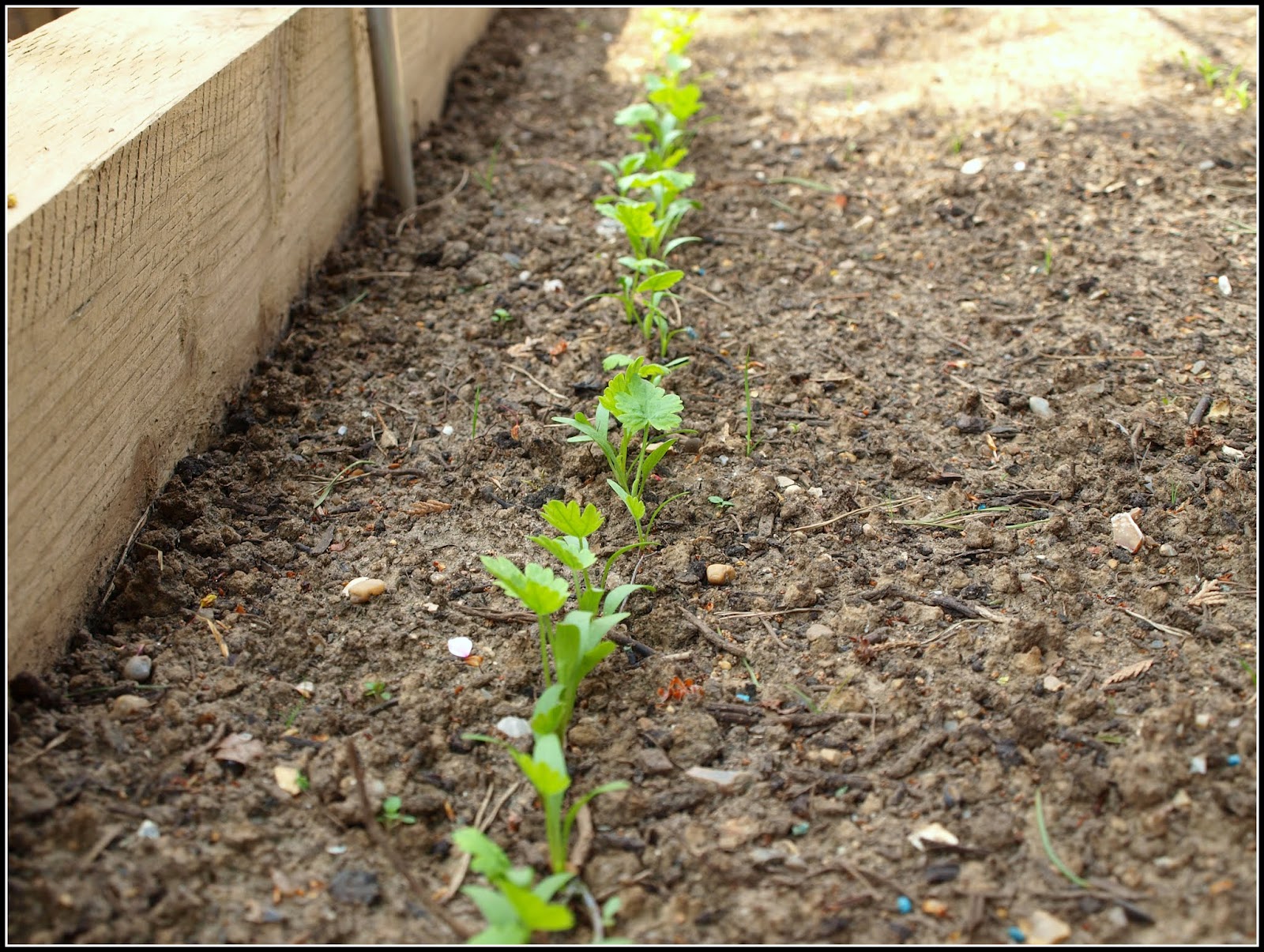
Image from marksvegplot.blogspot.com.
Rather than pulling seedlings (which can disturb neighboring roots), use small scissors to snip unwanted plants at soil level. The remaining root systems will decompose naturally, adding organic matter while avoiding disturbance to developing parsnips. You can also consider harvesting thinnings for microgreens – young parsnip greens make nutritious additions to salads when harvested before they develop the fuzzy texture of mature foliage. This “crop within a crop” approach maximizes garden productivity while following sustainable harvest principles.
Protecting Your Parsnips Naturally
Sustainable pest management for parsnips focuses on prevention through biodiversity and targeted interventions using organic methods. Creating habitat for beneficial insects like ground beetles, lacewings, and predatory wasps establishes natural control mechanisms that function without harmful chemical inputs. Interplanting parsnips with flowering herbs and annuals creates a diversified ecosystem that naturally suppresses pest populations while supporting pollinators that benefit your entire garden.
Physical barriers provide excellent protection during vulnerable growth stages. Floating row covers secured with soil or stakes exclude carrot rust flies and other flying pests while allowing light, air, and water to reach plants. These lightweight fabrics can remain in place throughout most of the growing season, removed only for periodic weeding or during flowering of companion plants to allow pollinator access. For gardens with persistent pest pressure, consider seasonal timing adjustments – earlier or later plantings often avoid peak pest activity periods.
Common Pests and Organic Solutions
Carrot rust fly poses perhaps the greatest threat to parsnip quality, with larvae tunneling into developing roots and creating rust-colored channels that invite secondary rot. Timing plantings to avoid peak fly activity (typically late spring and midsummer) disrupts their life cycle naturally. Vertical barriers of floating row cover or fine mesh extending 18 inches above the soil surface effectively block these low-flying insects, which rarely travel higher than 12 inches. Beneficial nematodes applied to soil can reduce pupating larvae, breaking the reproductive cycle naturally.
Aphids occasionally colonize parsnip foliage, particularly during periods of stress or rapid growth. Rather than reaching immediately for insecticidal soaps, try a strong spray of water to dislodge colonies, followed by introducing purchased or naturally occurring ladybugs and lacewings as biological controls. For persistent infestations, neem oil provides effective control while remaining compatible with organic gardening principles. Remember that healthy plants growing in biologically active soil naturally resist pest pressure – addressing underlying soil health or moisture issues often resolves recurring pest problems without additional interventions.
Preventing Diseases Without Synthetic Fungicides
Canker and crown rot represent the most common disease challenges for organic parsnip growers, particularly in heavy or poorly drained soils. Preventative measures include proper spacing for adequate air circulation, morning watering that allows foliage to dry completely before evening, and strict crop rotation with parsnips returning to the same area only every 3-4 years. Beneficial fungi like Trichoderma species, available as soil inoculants, create natural disease suppression through competitive exclusion of pathogenic organisms.
Powdery mildew sometimes affects parsnip foliage during humid periods, appearing as a white powdery coating on leaves. While primarily cosmetic and rarely affecting root development, severe cases can be addressed with diluted milk spray (1 part milk to 9 parts water) applied weekly, or commercial organic fungicides containing potassium bicarbonate. Maintaining proper spacing and removing affected leaves promptly prevents spread throughout your planting. Liquid seaweed extracts applied as foliar feeds may strengthen plant cell walls, increasing natural resistance to fungal penetration.
Physical Barriers for Pest Control
Beyond floating row covers, several innovative physical barriers provide excellent protection for organic parsnips. Copper tape applied around bed edges deters slugs and snails, which receive a mild electric shock when attempting to cross this barrier. For gardens with rodent pressure, hardware cloth lined beds prevent mice and voles from accessing developing roots from below. Some gardeners create collars from toilet paper tubes or plastic bottles to protect young seedlings from cutworms, removing these barriers once stems toughen.
Diatomaceous earth sprinkled around plants creates a microscopic barrier against crawling insects, with sharp fossilized diatom particles damaging the exoskeletons of many garden pests. While requiring reapplication after rain, this natural material remains effective indefinitely when dry. Sticky traps in yellow or blue (colors that attract many flying pests) help monitor insect populations while reducing numbers through physical capture. These monitoring tools provide early warning of building pest pressure, allowing timely intervention before damage becomes extensive.
Harvesting Techniques for Sweet, Flavorful Parsnips
The patience required throughout the parsnip’s long growing season receives its ultimate reward at harvest time. Unlike many vegetables that demand immediate harvest at peak maturity, parsnips offer remarkable flexibility, allowing the sustainable gardener to harvest on nature’s schedule rather than rushed timeframes. Begin harvesting when roots reach at least 1 inch in diameter at the shoulder, typically 100-120 days after sowing depending on variety and growing conditions. Early harvests yield tender, mild-flavored roots perfect for fresh preparations, while patience rewards with increasingly complex, sweet flavors developed through cold exposure.
Harvest during dry soil conditions whenever possible to minimize cleanup and prevent storage issues from excess moisture. For season-long harvesting, begin with a portion of your crop in late fall, leaving the remainder in the ground (with appropriate protection in severe climates) for winter and early spring harvests. This staged approach maximizes both flavor development and storage life while providing fresh produce during seasons when garden productivity typically declines. The sustainable harvester develops an intimate knowledge of how their specific varieties respond to cold exposure, harvesting each at its peak flavor point.
When to Harvest for Peak Flavor
The timing of parsnip harvest significantly influences both flavor and texture. Early harvests before frost exposure produce mild, slightly sweet roots with firmer texture ideal for recipes requiring distinct parsnip pieces. As temperatures drop and plants experience light frosts, starches convert to sugars through enzymatic processes, creating the characteristic sweet, nutty flavor that makes parsnips culinary stars of the winter garden! Most varieties reach their flavor peak after experiencing several weeks of temperatures between 35-45°F (2-7°C).

Image from www.gardenersworld.com.
For gardens in milder climates, artificial cold exposure can simulate this flavor-enhancing process. Harvest mature roots, clean them gently without washing, and store in perforated plastic bags in the refrigerator for 2-3 weeks before use. While not quite matching the complex flavor development of garden-chilled parsnips, this technique significantly improves sweetness and reduces the starchy quality of early-harvested roots. Professional market gardeners often time their main parsnip harvest for after the first hard frosts but before the ground freezes solid, capturing peak flavor while ensuring manageable harvest conditions.
- Early harvest (before frost): Mild flavor, firm texture, excellent for roasting whole or in chunks
- Mid-season harvest (after light frosts): Developing sweetness, versatile culinary applications
- Late harvest (after extended cold): Maximum sweetness, softer texture, ideal for purees and soups
- Spring harvest (overwintered): Complex flavor with nutty notes, potentially woody core in older specimens
- Successive harvests: Provides opportunity to experience flavor evolution throughout the season
Flavor variations between varieties become most pronounced after cold exposure, with heritage varieties often developing more complex flavor profiles than modern hybrids bred primarily for uniformity and disease resistance. Gardeners particularly interested in culinary quality might consider planting several varieties and conducting personal taste tests throughout the harvest season, documenting which perform best in their specific conditions.
Proper Digging Methods to Prevent Damage
Careful harvesting techniques preserve the quality and storage potential of your organic parsnips. Begin by deeply watering the harvest area the day before digging if soil is very dry, softening the ground to release roots more easily. Use a garden fork rather than a spade for harvesting, inserting it vertically into the soil approximately 6-8 inches away from the row, then leveraging backward to loosen soil without slicing through roots. Work your way around larger plants, loosening soil from multiple angles before attempting to lift the root.
For particularly long varieties or compacted soils, trench harvesting provides the best results. Dig a perpendicular trench alongside your parsnip row, removing soil to below the expected root depth. From this access trench, you can then carefully excavate sideways toward each plant, exposing the full root length without applying direct pressure that might cause breakage. While more time-consuming, this method virtually eliminates the broken roots and damage that reduce storage life and market value.
Handle harvested parsnips minimally, lifting them by their foliage rather than grasping the roots directly whenever possible. Brush off excess soil gently rather than washing roots intended for storage – moisture introduces decay organisms and shortens shelf life. For immediate use, wash thoroughly under cool running water, using a soft vegetable brush to remove soil from crevices. Remember that freshly harvested parsnips often have more tender skin than store-bought specimens, requiring gentler handling to prevent damage that impacts both appearance and storage duration.
Troubleshooting Parsnip Harvest Issues
Forked or misshapen roots: Usually caused by rocky soil, fresh manure application, or root disturbance during growth. Prevent by thoroughly preparing soil and avoiding thinning after roots have begun to develop.
Small, underdeveloped roots: Typically results from competition (inadequate thinning), insufficient growing season length, or poor soil conditions. Ensure proper spacing and adequate growing days for your variety.
Woody core: Common in overwintered or very mature roots, particularly in larger varieties. Harvest younger or remove core after cooking for affected plants.
Root cracking: Results from inconsistent moisture, particularly sudden water availability after drought periods. Maintain even soil moisture throughout growing season.
Hairy secondary roots: Often indicates waterlogged conditions or soil compaction forcing roots to seek oxygen. Improve drainage and soil structure for future plantings.
Storing Your Organic Harvest for Year-Round Enjoyment
Properly stored parsnips extend the harvest for months, providing nutrient-dense food through winter and early spring when fresh garden produce is scarce. Their exceptional storage capability made parsnips historically important for food security before modern refrigeration, and these same characteristics make them valuable components of contemporary local food systems and self-sufficiency efforts. Understand that storage methods should preserve not just the physical integrity of the roots but also their nutritional value and flavor quality.
Each storage method involves tradeoffs between convenience, space requirements, energy inputs, and flavor preservation. The sustainable approach often combines multiple storage techniques, allowing flexible use of your harvest while minimizing resource consumption. Small-space gardeners might emphasize refrigeration and freezing, while those with larger land access might prioritize in-ground storage that requires no energy inputs. Record your experiences with different storage methods to refine your approach for future seasons, noting how specific varieties perform under various storage conditions.
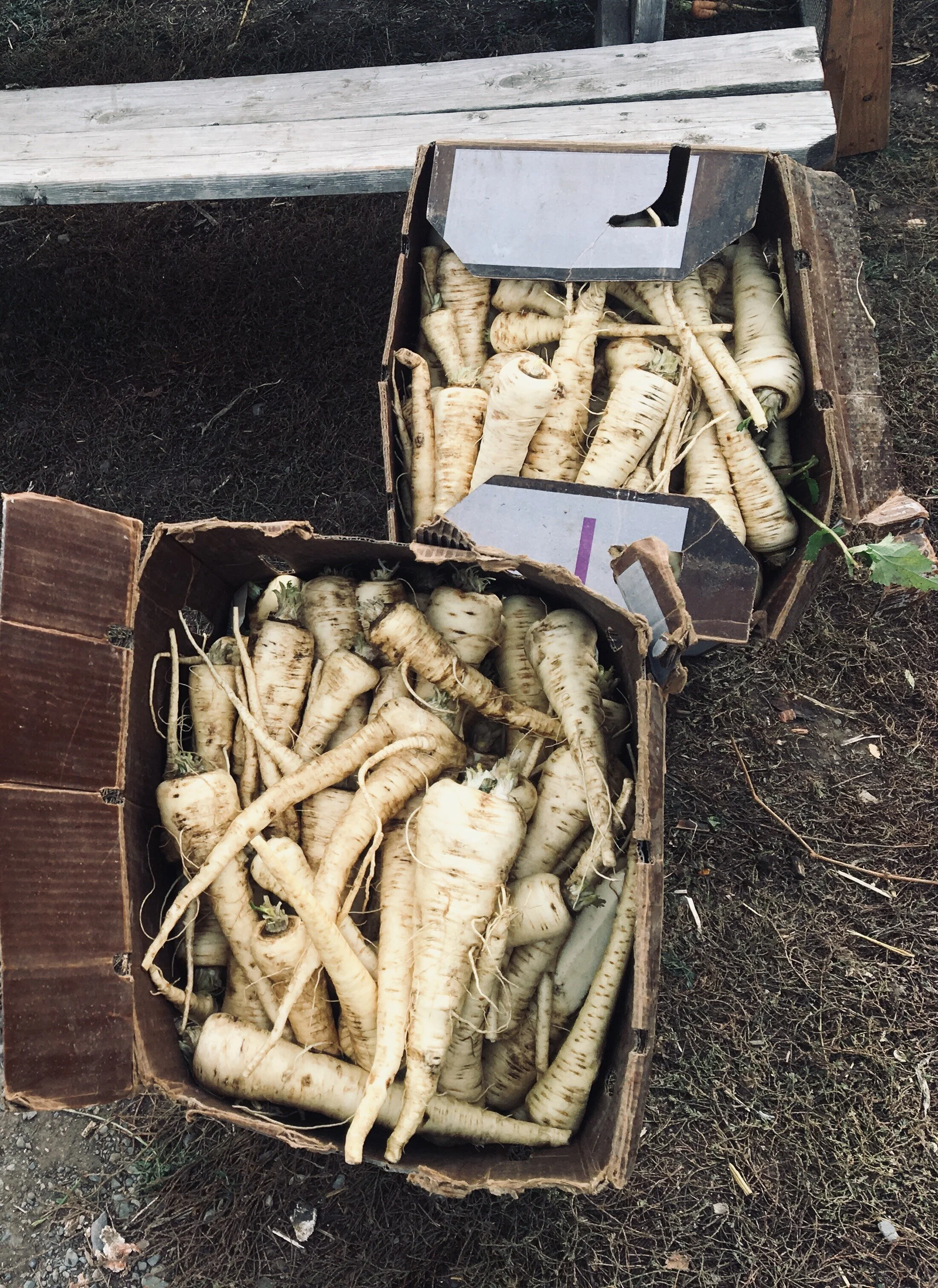
Image from www.gardencityharvest.org.
In-Ground Storage Options
The simplest and most energy-efficient storage method leaves parsnips right where they grew, harvesting as needed throughout winter in climates where the ground doesn’t freeze solid. Prepare in-ground storage by applying a thick 8-12 inch layer of straw, leaves, or other insulating mulch after the first hard frost, extending about 12 inches beyond the row in all directions. In zones with deep freezing, additional protection from row covers, old carpeting, or specialized garden blankets provides insurance against damage from extreme temperature fluctuations. This method preserves maximum flavor development while requiring zero energy input, though accessibility during inclement weather becomes challenging.
Root Cellar and Refrigeration Methods
Traditional root cellars provide ideal storage conditions with temperatures just above freezing (32-40°F/0-4°C) and high humidity (90-95%). Modern adaptations include dedicated refrigerator drawers, unheated garages or basements in colder climates, or buried containers like galvanized trash cans with straw insulation. For refrigerator storage, trim tops to one inch, brush off soil without washing, and place unwashed roots in perforated plastic bags that maintain humidity while allowing ethylene gas to escape. Check stored roots periodically, removing any showing signs of decay to prevent spread to neighboring roots.
Freezing and Preserving Techniques
Freezing transforms parsnips into convenient ready-to-use ingredients for winter meals. Prepare by washing thoroughly, peeling if desired, and cutting into your preferred format – coins, sticks, or cubes depending on intended use. Blanch cut pieces in boiling water for 2-3 minutes depending on size, then plunge immediately into ice water to halt cooking. Thoroughly drain, then freeze in single layers on baking sheets before transferring to airtight containers or vacuum-sealed bags. This two-step freezing process prevents pieces from clumping together, allowing you to remove only what’s needed for each recipe while maintaining the quality of the remaining portion.
From Garden to Table: Enjoying Your Organic Parsnips
The culinary versatility of parsnips rewards the patient organic gardener with endless preparation possibilities! Their natural sweetness intensifies with roasting, creating caramelized exterior and creamy interior textures that showcase their complex flavor. Beyond the familiar parsnip soup and roasted roots, consider more creative applications – parsnip chips thinly sliced and baked until crisp, “parsnip rice” pulsed in a food processor as a grain-free alternative, or even parsnip cake that utilizes their sweetness similar to carrot cake! The satisfaction of transforming these homegrown treasures into nourishing meals completes the sustainable growing cycle, connecting garden effort directly to family nourishment.

Image from www.olivemagazine.com.
Frequently Asked Questions
When growing organic parsnips, questions will inevitably arise throughout the growing season. The following answers address the most common challenges faced by home gardeners, helping you troubleshoot issues before they impact your harvest. Remember that sustainable gardening embraces continuous learning – each season brings new observations and refinements to your growing practice, building agricultural wisdom that deepens your connection to both land and food!
How long does it take for parsnip seeds to germinate?
Parsnip seeds typically take 14-21 days to germinate under ideal conditions, significantly longer than many garden vegetables. Soil temperature dramatically affects this timeline – at optimal temperatures between 55-65°F (13-18°C), expect emergence in about two weeks, while cooler soil can extend germination to 28 days or more. Maintaining consistent moisture throughout this extended period becomes critical for success, as even brief drying can kill developing seedlings.
If you’re experiencing particularly slow germination, consider using pre-sprouting techniques for future plantings. Soak seeds between damp paper towels sealed in a plastic bag, checking daily for signs of sprouting, then carefully transfer germinated seeds to prepared rows. While labor-intensive, this method confirms viable seeds before committing garden space and provides more uniform emergence. Fresh seeds remain vital for success regardless of technique – parsnip seed viability drops dramatically after one year even under ideal storage conditions.
Can I save parsnip seeds from my own plants?
Saving parsnip seeds requires understanding their biennial growth cycle. Plants must overwinter either in the ground (in milder climates) or as carefully stored roots replanted in early spring, then allowed to flower and set seed during their second growing season. Select only your healthiest, most vigorous, and best-shaped roots for seed saving to maintain quality genetics. Remember that parsnips cross-pollinate readily with Queen Anne’s lace and other wild members of the Apiaceae family, potentially resulting in bitter-tasting offspring if wild relatives grow within 1/2 mile.
The seed-saving process extends over several months, as flower umbels develop, bloom, and finally dry on the stalk. Mature seed heads turn brown and dry, typically ready for harvest in mid to late summer of the second year. Collect seed heads in paper bags as they begin to dry but before they shatter and lose seeds, then complete drying in a well-ventilated location away from direct sunlight. Clean seeds by gently rubbing dried umbels between your hands over a fine screen to separate seeds from chaff.
Even under ideal conditions, home-saved parsnip seeds remain viable for only 1-2 years, so careful labeling with harvest dates becomes essential. Store thoroughly dried seeds in airtight glass containers in the refrigerator to maximize longevity. For gardeners committed to seed sovereignty and local adaptation, parsnip seed saving offers the opportunity to develop regionally adapted strains with improved performance under your specific growing conditions over multiple generations.
- Select only perfect specimen roots with ideal shape, size, and vigor for seed saving
- Maintain minimum 1/2 mile isolation distance from wild Apiaceae family plants
- Allow complete seed head drying on plant before harvesting
- Thoroughly dry harvested seeds before storage to prevent mold
- Use seeds within one year for best germination results
Why are my parsnip roots forking or splitting?
Forked or divided roots typically result from physical obstructions in the growing medium – stones, clods, or undecomposed organic matter that force the developing taproot to split around the obstacle. Thorough soil preparation before planting, including removing rocks and breaking up clumps, provides the clear path these roots need for proper development. Fresh manure applications are particularly problematic, causing both forking and potential flavor issues – use only fully decomposed compost or aged manure applied the season before planting.
Inconsistent moisture represents another common cause of root deformities. When developing roots experience drought followed by sudden water availability, rapid growth creates pressure that splits the established root structure. Maintain even soil moisture throughout the growing season, using mulch to moderate water availability and prevent the extreme fluctuations that lead to splitting. Some parsnip varieties naturally show more resistance to forking than others – ‘Albion’ and ‘Javelin’ typically develop straighter roots even under less-than-ideal conditions, making them good choices for challenging soils.
Do parsnips need frost to taste sweet?
Parsnips don’t absolutely require frost exposure to develop sweetness, but cold temperatures significantly enhance their flavor profile through the conversion of starches to sugars. This biochemical process begins when soil temperatures drop below 50°F (10°C) and accelerates with exposure to near-freezing temperatures. The transformation isn’t instantaneous – roots typically need 2-3 weeks of cold soil conditions to develop their characteristic sweet, nutty flavor profile that distinguishes them from their less complex early-season taste.
Gardeners in warmer climates can still grow delicious parsnips by selecting quicker-maturing varieties planted for winter harvest when temperatures naturally moderate. The artificial cold exposure technique mentioned earlier (refrigerating harvested roots for 2-3 weeks) provides a reasonable approximation of natural cold conditioning. Some gardeners in frost-free areas successfully grow parsnips as winter crops, sowing in fall for spring harvest when seasonal temperatures reach their coolest point, maximizing whatever natural cold conditioning their climate provides.
What’s the difference between parsnips and white carrots?
Though visually similar at first glance, parsnips (Pastinaca sativa) and white carrots (Daucus carota) represent distinct species with different growing requirements, flavor profiles, and culinary applications. Parsnips develop broader shoulders, typically grow larger, and taper more dramatically than even the most conical carrot varieties. Their creamy white to pale tan coloration runs consistently throughout the root, unlike white carrots which often retain yellowish cores. The foliage differs significantly as well – parsnip leaves are broader, coarser, and more serrated than the feathery foliage of carrots.
From a culinary perspective, the differences become even more pronounced. Parsnips contain significantly higher starch content, creating a floury texture when cooked that differs markedly from the crisp nature of carrots. Their flavor profile centers around a distinctive sweetness complemented by nutty, earthy, and slightly spicy notes, intensifying dramatically after cold exposure. White carrots maintain the characteristic carrot flavor, merely lacking the beta-carotene that provides orange varieties their color.
The growing requirements reflect their different native habitats. Parsnips need a longer growing season (100-130 days versus 60-80 for most carrots), prefer slightly less acidic soil, and demonstrate superior cold hardiness but less heat tolerance than carrots. Their germination requirements pose greater challenges, with slower emergence and quicker loss of seed viability. While white carrots make delightful additions to colorful root vegetable displays, they cannot substitute for the unique flavor and texture that make parsnips essential components of sustainable winter gardens!
Featured Image from plantura.garden.

Related Posts
-
 Sustainable Gardening Guide: Growing Organic Arugula – The Zesty Green Your Spring Garden is Missing
- [Video] How to Grow Delicious Fall Salad Greens
- [Video] Controlling & Eliminating Tomato Blight Organically
- [Video] 3 Secrets for Growing Huge Organic Vegetables
- [Video] Success Tips for Growing Cauliflower
- [Video] How to Create a Mushroom Log


