Top Compact Composters for Small Spaces: Best Options & Reviews

Yes, you can compost at home – even if you don’t have a lot of space! Here are some of the best compact composters for urban gardens or small areas…
Key Takeaways:
- Compact composters like the Envirocycle Mini are perfect for small spaces, providing efficient composting without taking up much room.
- Look for features like multiple chambers and easy rotation to speed up the composting process.
- Indoor composters such as the Bamboozle Compost Bin can manage kitchen scraps without creating odors.
- Electric composters like the Vevor offer convenience and speed, though they may require a power source.
- Regular turning and a balanced mix of greens and browns ensure efficient compost production
Innovative Composting Solutions for Small Spaces
Living in a small space doesn’t mean you have to miss out on the benefits of composting! With the right tools and a bit of know-how, you can transform kitchen scraps into rich, fertile compost, even in the tiniest of spaces. Compact composters are designed to fit into your lifestyle seamlessly, allowing you to contribute to sustainability and reduce waste.
Most importantly, compact composters are not just for those with limited space. They are also perfect for anyone looking to start composting without the commitment of a larger system. Whether you’re in an apartment or have a small backyard, there’s a compact composter that’s right for you!

Image from www.amazon.com.
In our journey towards sustainable living, compact composters have emerged as a pivotal solution for urban gardeners and those with limited space. These small yet mighty devices allow you to transform kitchen scraps into nutrient-rich compost, perfect for enhancing your garden or indoor plants. Let’s explore some of the best options available today.
Composting might seem daunting, especially in a small apartment or a house with limited outdoor space. However, with the right compact composter, you can easily manage organic waste and contribute to a greener planet. These devices are designed to fit seamlessly into your lifestyle, offering both convenience and efficiency.
- Compact size: Fits in small spaces like balconies or kitchens.
- Odor control: Many models include filters to keep smells at bay.
- Ease of use: Designed for straightforward operation and maintenance.
Benefits of Compact Composting in Small Areas
Compact composting offers several advantages. First, it allows you to manage organic waste efficiently. Instead of throwing away kitchen scraps, you can convert them into valuable compost for your plants. This not only reduces waste but also enriches your garden soil with nutrients.
Moreover, compact composters are designed to fit into small spaces, making them perfect for urban living. They are often aesthetically pleasing and can be placed on balconies, patios, or even indoors. This means you don’t need a large garden to start composting.
What to Look for in a Compact Composter
When choosing a compact composter, consider a few key features. First, check the size and capacity to ensure it fits your space and meets your composting needs. A composter that’s too small may not handle your waste efficiently, while one that’s too large could be cumbersome.
Good airflow is crucial for effective composting, so look for models with ventilation features. Additionally, easy access for turning the compost will make the process more manageable. Some composters come with rotating or tumbling mechanisms to simplify mixing.

Image from www.walmart.com.
How to Use a Compact Composter Efficiently
Using a compact composter is straightforward, but there are a few tips to maximize its efficiency. First, balance your green and brown materials. Green materials include kitchen scraps and coffee grounds, while brown materials are things like dried leaves and paper. For more information on composting, check out this guide to making fast, easy compost.
Next, keep the compost moist but not too wet. A good rule of thumb is to aim for the consistency of a damp sponge. If it gets too dry, add water; if it’s too wet, add more brown materials.
Regularly turning your compost helps speed up decomposition and prevents odors. If your composter has a tumbling feature, use it every few days to mix the contents thoroughly. For more guidance on composting, check out these composting systems for beginners.
Top Compact Composters for Limited Spaces
Now that we understand the basics, let’s dive into some of the best compact composters available. Each of these options has unique features that make them suitable for small spaces.
1. Envirocycle Mini Composter
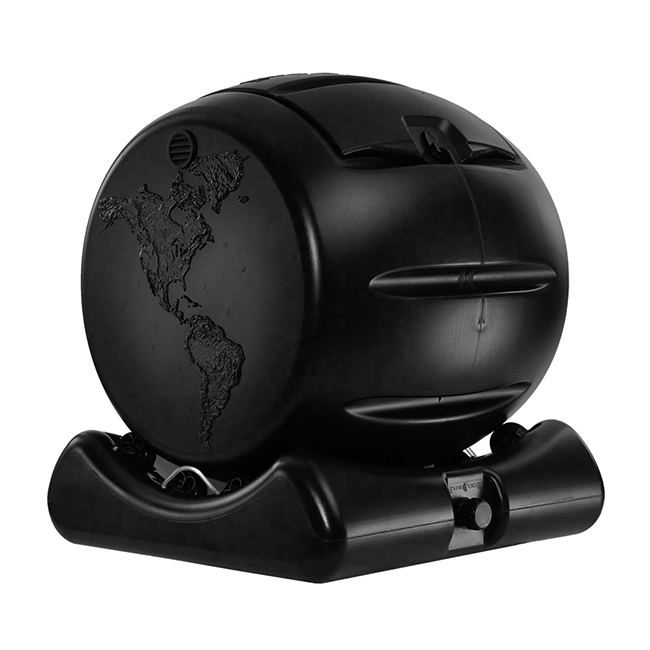
Image from www.envirocycle.com.
The Envirocycle Mini Composter is a favorite among those with limited outdoor space. Its compact size makes it ideal for balconies, small decks, or patios. Despite its small footprint, it offers excellent composting efficiency, making it a great option for urban gardens.
One of its standout features is the built-in compost tea maker, which allows you to collect nutrient-rich liquid compost. This can be used as a powerful fertilizer for your plants. The Envirocycle is also easy to use, with a rotating design that simplifies mixing.
2. Bamboozle Compost Bin

Image from nottodiefor.us.
For those looking to compost indoors, the Bamboozle Compost Bin is an excellent choice. It’s designed to handle kitchen scraps with ease, and its stylish appearance means it won’t look out of place on your countertop.
This bin features a carbon filter to trap odors, ensuring your kitchen remains fresh. It’s also made from biodegradable bamboo fiber, making it an eco-friendly option. The Bamboozle is perfect for anyone who wants to start composting without the hassle of outdoor bins.
3. FCMP Outdoor IM4000 Dual Chamber Tumbling Composter
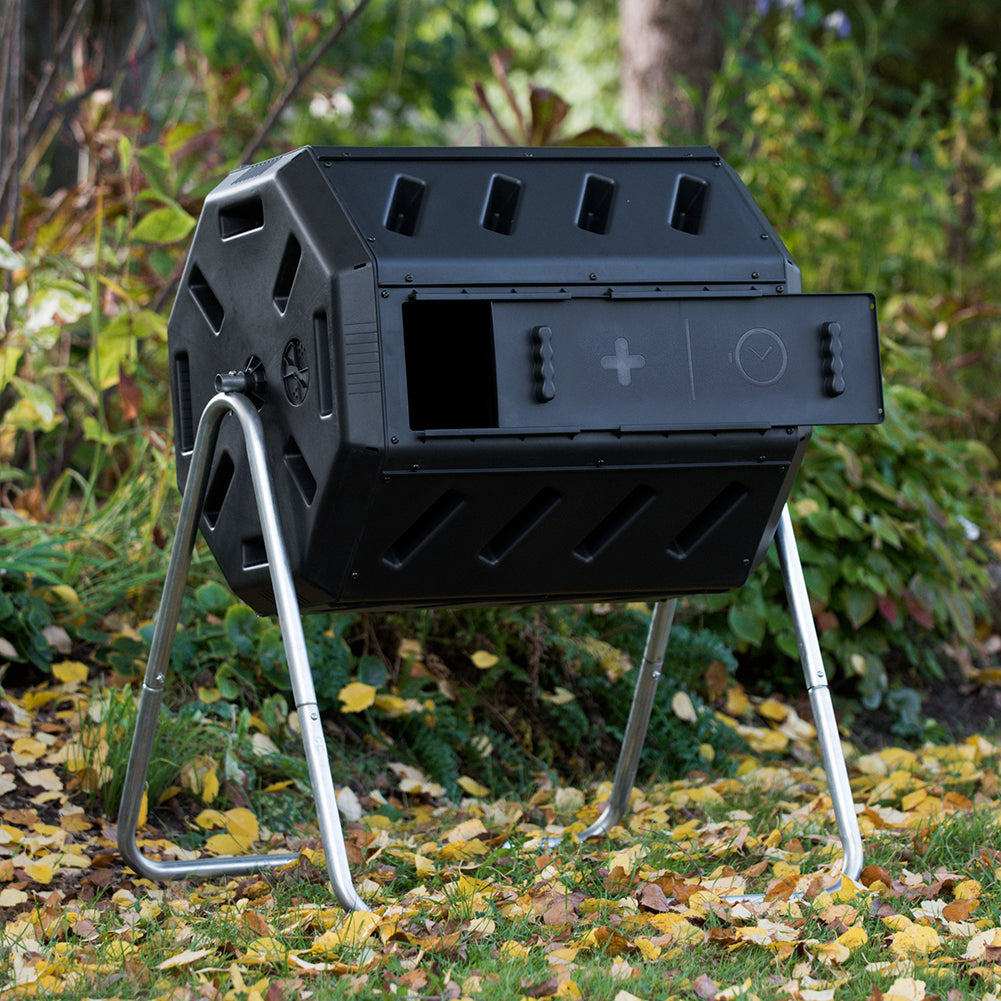
Image from fcmponline.com.
If you have a bit more space outdoors, consider the FCMP Outdoor IM4000. This dual-chamber composter allows you to continuously compost by filling one chamber while the other is curing. Its tumbling design makes it easy to mix the contents, ensuring efficient decomposition.
The IM4000 is made from durable, UV-resistant plastic, so it can withstand the elements. It’s a great option for those who want to produce a larger amount of compost without taking up too much space or having an open compost pile.
4. Vevor Electric Indoor Composter
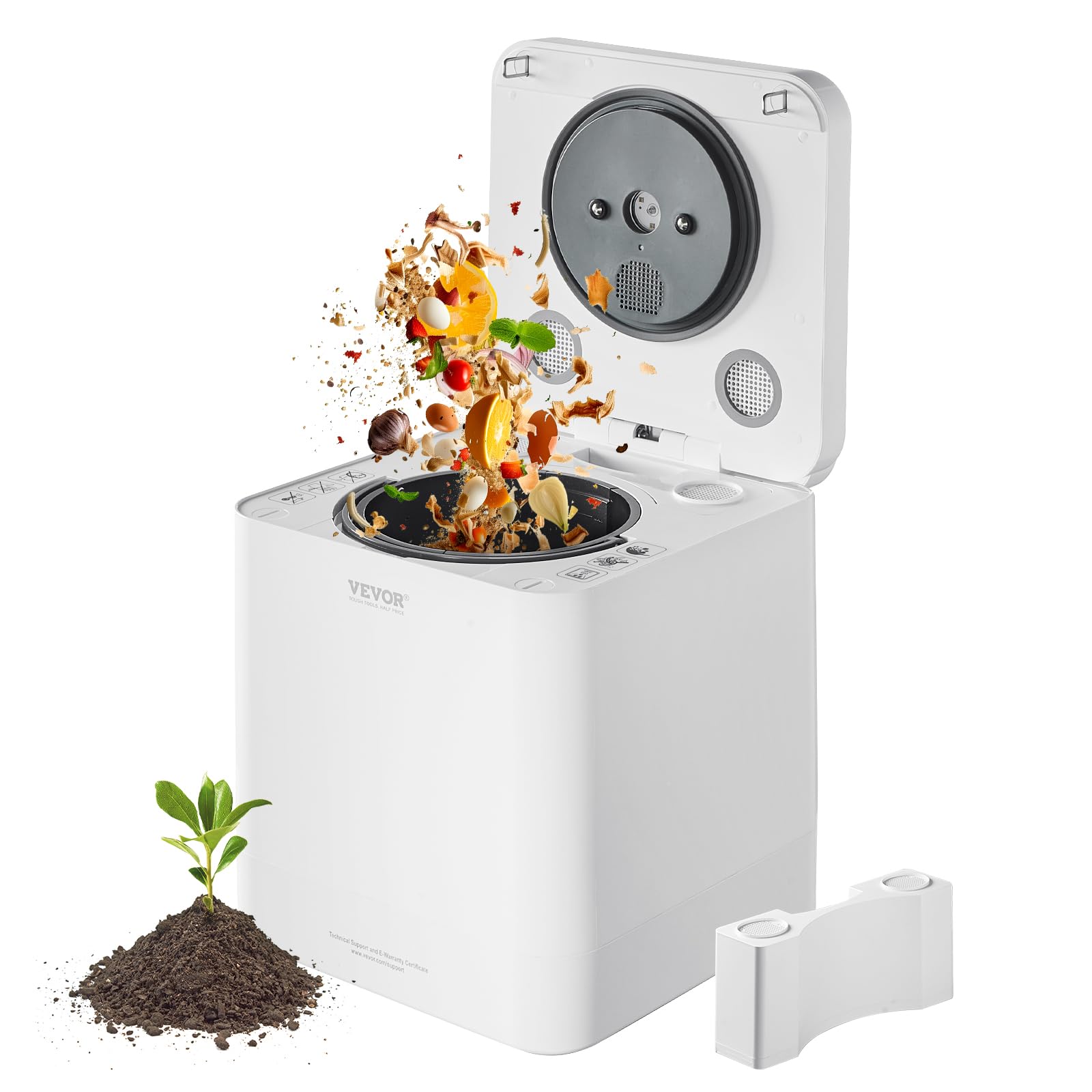
Image from www.amazon.com.
The Vevor Electric Indoor Composter is a game-changer for those who seek convenience and speed in their composting process. This countertop electric composter can process waste quickly, turning scraps into compost in just a few hours. It’s ideal for urban dwellers who might not have the time or space for traditional composting methods.
“Electric composters like the Vevor offer convenience and speed, though they may require a power source.” – Expert Gardening Insights.
One of the standout features of the Vevor is its automated operation. Simply add your kitchen scraps, press a button, and let the machine do the work. It’s designed to be quiet, energy-efficient, and effective, making it a perfect addition to any eco-conscious household.
However, it’s important to note that electric composters require a power source, which may be a consideration for those looking to minimize their energy footprint. Despite this, the Vevor’s ability to produce compost quickly makes it a popular choice among busy individuals and urban gardeners.
Detailed Reviews of Each Composter
Let’s delve deeper into the features and benefits of each of these compact composters. Understanding their strengths and potential drawbacks will help you make an informed decision that best suits your needs and space constraints.
By comparing the options, you can identify which composter aligns with your lifestyle and composting goals. Whether you prioritize aesthetics, efficiency, or ease of use, there’s a solution tailored to your requirements.
Envirocycle Mini Composter: Features and Benefits
The Envirocycle Mini Composter is renowned for its compact design and ease of use. It’s particularly suitable for those with limited outdoor space, such as balconies or small patios. The unit is lightweight, making it easy to move and position as needed.
This composter features a rotating drum that simplifies mixing, ensuring even decomposition of organic materials. The built-in compost tea maker is a notable benefit, allowing users to collect liquid compost for plant fertilization. This dual functionality makes the Envirocycle a versatile choice for urban gardeners.

Image from www.envirocycle.com.
Bamboozle Compost Bin: Aesthetic and Functional Aspects
The Bamboozle Compost Bin is a top pick for indoor composting enthusiasts. Its attractive design and biodegradable construction make it both stylish and sustainable. It’s crafted from bamboo fiber, which is not only eco-friendly but also durable.
- Compact size fits easily on countertops.
- Carbon filter prevents unpleasant odors.
- Easy to clean and maintain.
With the Bamboozle Compost Bin, you can keep your kitchen tidy while contributing to a greener planet. Its odor control features ensure that composting doesn’t interfere with your indoor environment, making it an excellent choice for those new to composting.
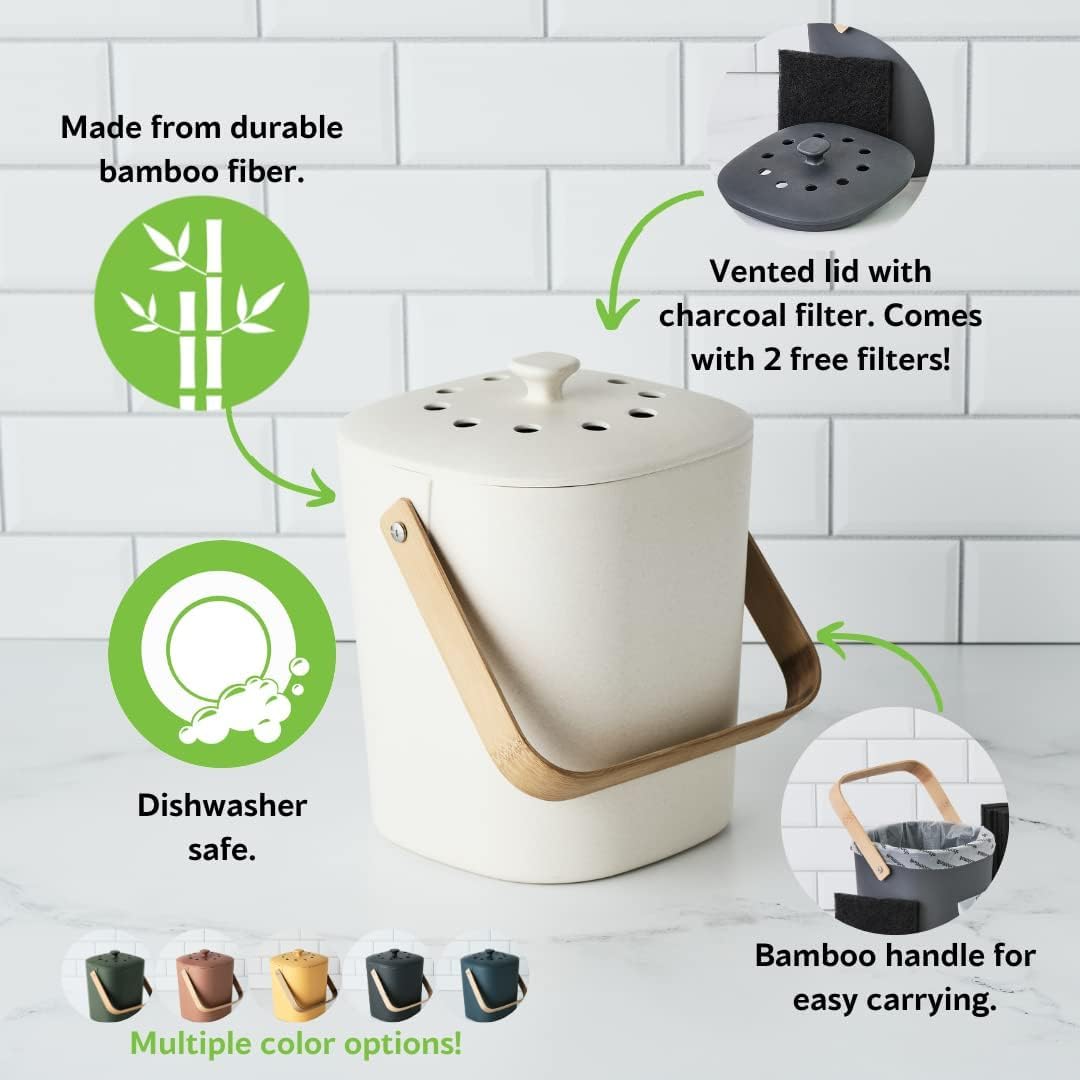
Image from www.amazon.com.
FCMP Outdoor IM4000: Value and Performance
The FCMP Outdoor IM4000 Dual Chamber Tumbling Composter offers a great balance between size and functionality. It’s designed for outdoor use, providing ample capacity for those who generate more organic waste. The dual-chamber system allows for continuous composting, a major advantage for avid gardeners.
Constructed from UV-resistant materials, this composter can withstand various weather conditions, ensuring longevity. The tumbling mechanism is user-friendly, promoting thorough mixing and faster decomposition.
With its larger capacity and efficient design, the FCMP IM4000 is ideal for those who want to maximize their compost output without taking up too much space in their yard.

Image from www.amazon.com.
Vevor Electric Composter: Usage and Efficiency
The Vevor Electric Composter is designed for those who need a quick and efficient composting solution. With its automated process, it can convert kitchen waste into compost within hours, which is ideal for busy households.
Its compact design means it can fit comfortably in most kitchens, and although it requires electricity, its energy-efficient operation ensures minimal impact on your electricity bill. Users appreciate its quiet performance and the convenience of having ready-to-use compost in a short amount of time.

Image from www.amazon.com.
Maximizing Composting Success in Small Spaces
Successfully composting in small spaces requires a bit of strategy and understanding of the composting process. By following a few best practices, you can ensure that your composting efforts are fruitful and rewarding.
First, balance is key. Maintaining the right ratio of green to brown materials will promote efficient decomposition. Greens provide nitrogen, while browns supply carbon, both of which are essential for composting.
Second, moisture management is crucial. Compost should be kept moist but not waterlogged. If it becomes too dry, decomposition will slow down; too wet, and it could start to smell. Regularly check the moisture level and adjust as needed. For a quick guide on composting, you can watch this video on how to make fast, easy compost.
Finally, turning your compost regularly will aerate the mixture, speeding up the breakdown of materials. If you’re using a tumbling composter, give it a spin every few days. For stationary bins, use a garden fork to mix the contents.
“Composting is a simple yet effective way to reduce waste and enrich your garden soil, even in the smallest of spaces.”
Best Practices for Indoor Composting
Indoor composting requires some additional considerations to ensure success. Start by choosing the right composter for your space. Countertop bins are great for small kitchens, while electric composters can handle more waste efficiently.
To manage odors, use composters with carbon filters or airtight lids. These features will trap smells and keep your indoor environment pleasant. Regularly emptying the bin and cleaning it will also help maintain freshness.

Image from www.thegoodtrade.com.
Managing Odors and Moisture
Odor and moisture management are critical components of successful composting, especially in confined spaces. To prevent odors, ensure your compost has the right balance of green and brown materials. Too many greens can lead to unpleasant smells, so add browns like paper or dried leaves to counteract this.
For moisture, aim for a balance similar to a damp sponge. If your compost is too wet, add more dry materials. If it’s too dry, sprinkle some water or add moist greens. Regular monitoring will help maintain this balance and keep your composting process on track.
Future Trends in Compact Composting
The world of composting is constantly evolving, and even those with limited space can look forward to exciting advancements in compact composting. As urban areas grow and more people seek sustainable living solutions, the demand for efficient, space-saving composters is increasing. This has spurred innovation and new technologies that make composting more accessible and effective than ever before.
Advancements in Composting Technology
One of the most promising advancements in composting technology is the development of smart composters. These devices use sensors and digital interfaces to monitor and adjust the composting process automatically. By tracking factors like temperature, moisture, and pH levels, smart composters ensure optimal conditions for decomposition without the need for constant human intervention.
Additionally, improvements in materials used for composters are making them more durable and efficient. For example, composters made from recycled plastics or biodegradable materials not only help reduce waste but also enhance the sustainability of the composting process itself. These materials are designed to withstand harsh environmental conditions while maintaining their integrity over time.
Furthermore, compact composters are becoming increasingly versatile. Some models now incorporate additional features like built-in shredders to break down organic waste more quickly or solar panels to power electric components sustainably. These innovations make composting more convenient and environmentally friendly, even in the smallest of spaces. For those interested in sustainable gardening, consider exploring sustainable fertilizer options that complement your composting efforts.

Image from www.amazon.com.
Sustainability and Eco-Friendly Gardening
As more people embrace sustainable living, compact composting is playing a crucial role in eco-friendly gardening. By turning kitchen scraps into nutrient-rich compost, individuals can reduce their carbon footprint and contribute to a healthier environment. This practice not only diverts waste from landfills but also enriches soil, promoting plant growth and biodiversity.
Moreover, compact composting supports urban agriculture initiatives by providing a local source of organic fertilizer. Community gardens and rooftop farms can benefit from the compost produced by city dwellers, creating a closed-loop system that minimizes waste and maximizes resource use. As awareness of these benefits grows, compact composting will continue to gain popularity as a cornerstone of sustainable urban living.
Frequently Asked Questions
When starting with compact composting, it’s natural to have questions. Here are some of the most common inquiries, along with straightforward answers to help you get started on the right foot.
How often should I turn my compost in a compact composter?
In a compact composter, turning your compost is essential for aeration and speeding up decomposition. For tumbling composters, aim to rotate the drum every few days. If you have a stationary bin, use a garden fork to mix the contents weekly. Regular turning helps maintain an even temperature and prevents odors. For more information on maintaining your compost, check out these balcony composting tips.
Can I use a compact composter indoors?
Some compact composters are designed for indoor use. Models like the Bamboozle Compost Bin and electric composters like the Vevor are perfect for managing kitchen scraps without causing odors. Ensure your indoor composter has a good odor control system, such as a carbon filter, to keep your living space fresh.
What materials are best for a compact composter?
For successful composting, use a balanced mix of green and brown materials. Greens include vegetable peels, fruit scraps, and coffee grounds, which provide nitrogen. Browns, such as dried leaves, paper, and cardboard, supply carbon. Avoid adding meat, dairy, and oily foods, as they can cause odors or attract insects.
Maintaining this balance is crucial for effective decomposition. Too many greens can lead to a soggy, smelly compost bin, while too many browns will slow down the process. Adjust the ratio as needed to keep your compost healthy.
How long does it take to produce compost in a compact unit?
The time it takes to produce compost depends on several factors, including the materials used, the frequency of turning, and the temperature. In a well-maintained compact composter, you can expect finished compost in as little as two to three months. Regular monitoring and adjusting of conditions will help expedite the process. Electronic compostors like the Vevor may produce finished compost in as little as 24 hours.
What should I avoid putting in a compact composter?
To ensure your composting efforts are successful, avoid adding the following items:
- Meat, bones, and fish
- Dairy products
- Oily foods and fats
- Pet waste
- Diseased plants
- Non-biodegradable materials (plastic, metal, glass)
These materials can attract pests, create odors, or introduce harmful pathogens to your compost. Stick to organic, plant-based materials for the best results.
Featured Image from www.thespruce.com.


