Understanding Aeroponic Systems for Efficient Indoor Gardening

Learn the basics of using aeroponic systems for growing food indoors year-round in any climate…
Key Takeaways:
- Aeroponics is a soil-free growing method that uses mist to deliver nutrients directly to plant roots, promoting faster growth.
- Setting up an aeroponic system at home can cost between $100 and $500, depending on the scale and equipment quality.
- Plants grown in aeroponic systems typically consume 90% less water than traditional soil-based gardening.
- Leafy greens, herbs, and tomatoes are some of the best plants to grow in an aeroponic system.
- Regular monitoring of nutrient levels and pH is essential for maintaining plant health in an aeroponic system.
Exploring the Basics of Aeroponic Indoor Gardening
Aeroponic gardening is a fascinating method that allows you to grow plants without using soil. Instead, it uses a mist or fog to deliver nutrients directly to the plant roots. This method is gaining popularity among indoor gardeners because it offers numerous advantages over traditional gardening methods. It’s particularly useful for those who live in urban areas with limited space.

Image from www.a-garden-diary.com.
One of the most exciting aspects of aeroponics is its efficiency. Plants grown in this way tend to grow faster and use less water than those grown in soil. This is because the roots are exposed to more oxygen, which accelerates growth. In this article, I’ll guide you through everything you need to know about setting up and maintaining an aeroponic system in your home.
What is Aeroponics and How Does it Work?
Aeroponics is a plant-cultivation technique in which the roots are suspended in air and periodically misted with a nutrient-rich water solution.
The basic principle of aeroponics involves suspending plant roots in the air and providing them with a nutrient-rich mist. This system ensures that the roots receive ample oxygen, which is crucial for healthy plant growth. The absence of soil also means that plants are less prone to soil-borne diseases.
Aeroponic systems can vary in complexity, from simple setups that you can create at home to advanced systems used in commercial agriculture. Regardless of the scale, the core idea remains the same: deliver nutrients directly to the plant roots using a fine mist.
Benefits of Choosing Aeroponic Systems
Aeroponic systems offer several advantages that make them an appealing choice for indoor gardening. They are particularly beneficial for urban gardeners or anyone with limited outdoor space. Here are some of the key benefits:
- Faster Growth Rates: Because roots have better access to oxygen, plants grow faster in aeroponic systems.
- Water Efficiency: Aeroponics uses significantly less water than traditional gardening methods – and even less water than hydroponic systems.
- Space-Saving: Vertical aeroponic systems allow for more plants to be grown in a smaller area.
- Reduced Pest Issues: The absence of soil reduces the risk of soil-borne pests and diseases.
Key Benefits of Aeroponic Systems
Understanding the benefits of aeroponic systems can help you make an informed decision about incorporating them into your indoor gardening practices. Let’s dive deeper into some of these benefits:
Optimized Nutrient Delivery
In traditional soil gardening, plants must extend their roots to find nutrients, which can be inefficient. Aeroponics eliminates this problem by delivering nutrients directly to the roots. This ensures that plants receive all the nutrients they need for optimal growth.
The nutrient solution used in aeroponics can be precisely controlled, allowing you to tailor it to the specific needs of your plants. This level of control can lead to healthier plants and higher yields.

Image from www.growopportunity.ca.
Water Conservation and Sustainability
Water conservation is a significant advantage of aeroponic systems. By using a mist to deliver nutrients, these systems use up to 90% less water than traditional soil-based gardening. This makes aeroponics an environmentally friendly choice, especially in areas where water is scarce.
Furthermore, the closed-loop systems often used in aeroponics mean that any unused water can be recaptured and reused, further enhancing sustainability.
Enhanced Plant Growth Through Root Oxygenation
Oxygen is vital for plant root health, and aeroponics provides an abundance of it. By suspending roots in the air, aeroponics ensures that they receive more oxygen than they would in soil. This leads to faster growth and stronger plants.
The increased oxygen availability also enhances nutrient uptake, as roots can absorb nutrients more efficiently when they are well-oxygenated. This results in robust, healthy plants that are less susceptible to diseases.
Setting Up Your Aeroponic System
Setting up an aeroponic system might seem daunting at first, but with the right guidance, it can be a straightforward process. The key is to start small and gradually expand your system as you become more comfortable with the technology.
Choosing the Right Space in Your Home
The first step in setting up your aeroponic system is choosing the right location. You’ll need a space that can accommodate your system and provide adequate lighting for your plants. Most importantly, ensure the area is free from extreme temperature fluctuations.
Consider spaces like a spare room, basement, or even a well-ventilated garage. If you’re planning to use artificial lighting, make sure there’s a power source nearby. Adequate ventilation is also crucial to prevent mold and mildew from developing. For more information on how to optimize your indoor gardening setup, you might find this comprehensive guide on aeroponics helpful.

Image from growwithoutsoil.com.
Essential Components and Equipment
Before you start building your aeroponic system, you’ll need to gather some essential components. Here’s a list of the basic equipment you’ll need:
- Reservoir: Holds the nutrient solution.
- Pump: Delivers the nutrient mist to the plant roots.
- Misting Nozzles: Create the fine mist that provides nutrients to the plants.
- Plant Holders: Secure the plants in place while allowing the roots to hang freely.
- Lighting: Provides the necessary light for photosynthesis, especially if natural light is limited.
Step-by-Step Setup Guide
Now that you have your equipment, it’s time to set up your aeroponic system. Follow these steps for a successful setup:
- Assemble the Frame: Create a sturdy frame to support your plant holders and other components.
- Install the Reservoir and Pump: Position the reservoir at the base of your system and connect the pump.
- Attach Misting Nozzles: Place the nozzles strategically to ensure even coverage of the roots.
- Secure Plant Holders: Install plant holders in a way that allows roots to dangle freely.
- Set Up Lighting: Install grow lights if natural sunlight is insufficient.
- Test the System: Run the system without plants to ensure everything works correctly.
Once your system is set up and tested, you can begin planting. Remember to start with easy-to-grow plants like leafy greens and herbs as you familiarize yourself with the aeroponic method.
Maximizing Space and Yield with Vertical Farming
Vertical farming is an innovative approach that maximizes the use of space, making it perfect for urban environments where space is limited. By growing plants in stacked layers, you can increase your yield without expanding your garden’s footprint. This technique is particularly effective when combined with aeroponic systems, as it allows for efficient nutrient delivery to each layer of plants.
Designing Vertical Aeroponic Towers
When designing vertical aeroponic towers, it’s essential to consider the structural integrity of your setup. You want to ensure that the towers are stable enough to support the weight of the plants and the equipment. Materials like PVC pipes or lightweight metal frames are commonly used for constructing these towers.
Another crucial aspect is the arrangement of misting nozzles. They should be placed strategically to ensure that each plant receives adequate misting. This can be achieved by arranging the nozzles at different heights and angles to cover all levels of the tower evenly.
Lighting and Environmental Considerations
Lighting plays a pivotal role in the success of vertical farming. If you’re relying on artificial lighting, LED grow lights are a great choice due to their energy efficiency and ability to provide the full spectrum of light required for plant growth. Position the lights to cover all sections of the tower evenly.
Besides lighting, maintaining the right temperature and humidity levels is crucial. Too much humidity can lead to mold growth, while temperatures that are too high or too low can stress the plants. Invest in a good thermometer and hygrometer to monitor these conditions regularly.
Plant Arrangement for Optimal Growth
Arranging your plants correctly can significantly impact their growth and yield. Taller plants should be placed at the bottom of the tower, while shorter plants or those that require less light can be positioned at the top. This arrangement ensures that all plants receive adequate light and nutrients.
| Plant Type | Ideal Position in Tower |
|---|---|
| Tomatoes | Bottom |
| Leafy Greens | Middle |
| Herbs | Top |
By following these guidelines, you can optimize the growth conditions for each plant type, resulting in a more productive aeroponic garden. For those interested in maximizing their space, exploring these high-yield urban gardening techniques may also be beneficial.
Care and Maintenance of Your Aeroponic Garden
Maintaining your aeroponic garden is crucial for ensuring the health and productivity of your plants. Regular care and monitoring can prevent many common issues and keep your garden thriving.

Image from airgarden.com.au.
Monitoring Nutrient Levels and pH
Consistent monitoring of nutrient levels and pH is vital in an aeroponic system. The nutrient solution must be balanced to provide all necessary nutrients without causing toxicity. A pH level between 5.5 and 6.5 is ideal for most plants.
Invest in a reliable pH meter and nutrient solution tester. Test the solution weekly and make adjustments as needed to maintain optimal levels.
- Test pH and nutrient levels weekly.
- Adjust the nutrient solution based on test results.
- Keep records of changes to track trends and make informed adjustments.
Cleaning and Maintenance Schedule
Regular cleaning is essential to prevent algae buildup and clogging of the misting nozzles. Establishing a maintenance schedule can help keep your system running smoothly.
- Clean the reservoir and pump monthly to prevent algae growth.
- Inspect and clean misting nozzles weekly to ensure even misting.
- Check all connections and equipment for wear and tear regularly.
By following this maintenance schedule, you can prevent common issues and extend the lifespan of your aeroponic system.
Common Troubleshooting Tips
Even with the best care, you may encounter issues in your aeroponic garden. Here are some common problems and their solutions:
If you notice your plants wilting or showing signs of nutrient deficiency, check the nutrient solution concentration. It might be too weak or too strong. Adjust accordingly.
Clogged nozzles can lead to uneven misting. Regular cleaning can prevent this issue. If a nozzle becomes clogged, soak it in vinegar to dissolve mineral deposits.
Choosing the Best Plants for Aeroponic Systems
Not all plants thrive in aeroponic systems, but many do exceptionally well! Choosing the right plants can ensure a successful and bountiful harvest.

Image from verticalfarmingplanet.com.
Ideal Herbs and Leafy Greens
Herbs and leafy greens are some of the best candidates for aeroponic gardening. They grow quickly and require less space, making them ideal for vertical systems.
“Basil, mint, and lettuce are excellent choices for aeroponic systems due to their rapid growth and minimal space requirements.”
These plants are not only easy to grow but also provide fresh ingredients for your kitchen year-round.
Guidelines for Growing Tomatoes
Tomatoes can also thrive in aeroponic systems, but they require more attention than herbs and greens. They need adequate support as they grow, so ensure your system can accommodate their weight.
Regular pruning can help manage their size and encourage fruit production. Keep an eye on nutrient levels, as tomatoes can be heavy feeders.
Exploring Other Suitable Crops
Beyond herbs, greens, and tomatoes, there are other crops you can experiment with. Peppers, strawberries, and cucumbers can all be grown in aeroponic systems with the right care and conditions.
As you become more experienced, don’t hesitate to try different plants and see what works best for your setup! The possibilities are vast, and with each new crop, you’ll learn more about the art of aeroponic gardening.
Inspiring Your Aeroponic Gardening Journey
Embarking on an aeroponic gardening journey can be incredibly rewarding. With the right knowledge and tools, you can cultivate a thriving indoor garden that not only provides fresh produce but also enriches your understanding of plant growth. The key is to start small, learn from each experience, and gradually expand your setup as you gain confidence.
Remember, aeroponic gardening is as much about the journey as it is about the results. Enjoy the process of experimenting with different plants, refining your techniques, and witnessing the fruits of your labor grow right before your eyes.
Plan Your First Planting Cycle
Planning your first planting cycle is crucial for setting the stage for success. Begin by selecting easy-to-grow plants like leafy greens and herbs. These plants are forgiving and will allow you to get familiar with your aeroponic system’s requirements. Once you’ve mastered these, you can move on to more challenging crops.
Map out a planting schedule that considers the growth rates and nutrient needs of your chosen plants. This will help you manage the nutrient solution and lighting effectively, ensuring each plant receives the care it needs to thrive.
Integrating Technology for Smart Gardening
Technology can be a powerful ally in your aeroponic gardening journey. Consider integrating smart gardening tools that allow you to monitor and control environmental factors such as temperature, humidity, and nutrient levels remotely. Devices like automated timers and pH sensors can make managing your garden more efficient and less time-consuming.
Many apps are available that provide insights into plant care and allow you to track growth progress. These tools can be particularly helpful for beginners, offering guidance and reminders to ensure your plants receive optimal care.
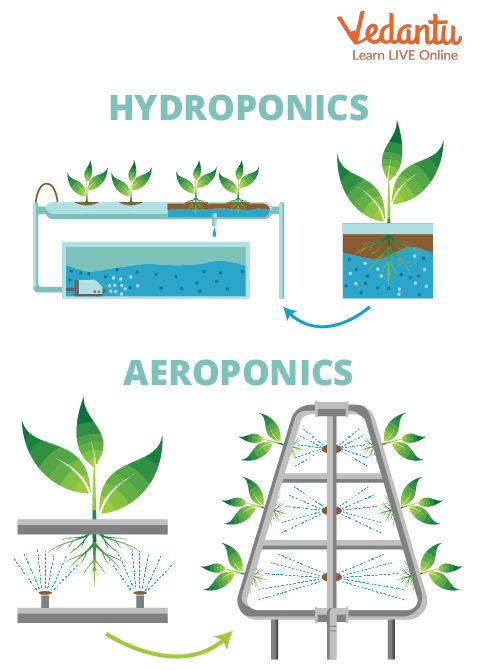
Image from www.vedantu.com.
Joining Online Communities for Support and Ideas
Joining online gardening communities can be a valuable resource for support and inspiration. These communities are full of experienced gardeners who are often willing to share their knowledge and advice. Whether you’re troubleshooting an issue or looking for new plant varieties to try, online forums and social media groups can provide the answers you need.
Engaging with others who share your passion for aeroponic gardening can also motivate you to continue exploring and expanding your gardening skills. Plus, it’s a great way to make new friends who understand the joys and challenges of indoor gardening!
Frequently Asked Questions:
As you delve into aeroponic gardening for the first time, you may a number of questions. Here are some common queries and their answers to help guide you on your journey.
Is Aeroponic Gardening Expensive to Start?
Starting an aeroponic garden can vary in cost depending on the scale and quality of the equipment you choose. A basic setup may cost between $100 and $500. While the initial investment can be higher than traditional gardening, the long-term savings on water and increased yields often justify the expense.
How Often Should I Check Nutrient Levels?
It’s essential to check nutrient levels at least once a week. Regular monitoring ensures that your plants receive the right balance of nutrients for optimal growth. Keep a log of your findings to track any changes and make necessary adjustments promptly.
Can I Grow Root Vegetables in an Aeroponic System?
While it’s possible to grow some root vegetables in an aeroponic system, they generally require more space for root development, and are generally not ideal for beginners.
What Are the Most Common Challenges in Aeroponics?
Common challenges include maintaining the correct nutrient balance, preventing nozzle clogs, and managing environmental conditions. Regular maintenance and monitoring can help mitigate these issues. It’s important to stay vigilant and address problems as they arise to ensure a healthy garden.
What’s the Difference Between Aeroponics and Hydroponic Garden Systems?
The primary difference between aeroponics and hydroponics lies in how nutrients are delivered to the plants. In hydroponics, plant roots are submerged in a nutrient-rich water solution, whereas in aeroponics, roots are suspended in air and misted with nutrients. Both methods have their advantages, but aeroponics offers increased oxygenation, which can lead to faster growth rates.
Featured Image from hydrobuilder.com.

Related Posts
-
 How to Grow Fresh Herbs Year-Round
- 5 Top-Rated Container-Friendly Trellises for Vining Plants
- The Space-Saving Magic of GreenStalk Vertical Planters in Urban Gardens
- Understanding Aquaponics: A Quick & Simple Guide to Growing Food with Fish
- [Video] Using Grow Lights to Start Healthy Seedlings
- Hydroponic Gardening: The Benefits of Soil-Less Growing


