Wondering How to Do an Organic Garden? (Complete Answer)

Learn how to do an organic garden step-by-step: choose a location, build healthy soil naturally, select organic seeds, manage pests without chemicals, and harvest fresh, safe produce. Perfect for beginners in 2026!
Quick Answer (TL;DR)
Wondering how to do an organic garden? Start by selecting a sunny spot (6+ hours daily), test and amend your soil with compost and natural materials, choose certified organic or heirloom seeds, plant in raised beds or containers (great for suburbs or balconies), use companion planting and mulch for natural pest control, water consistently, and rotate crops. Avoid synthetic pesticides and fertilizers—focus on building living soil with compost, beneficial insects, and organic practices. In one season, you’ll enjoy chemical-free veggies, herbs, and fruits while supporting pollinators and the environment!

Understanding the Question
If you’re searching “how to do an organic garden?”, you’re likely motivated by health, sustainability, or family safety. Health-conscious millennials in suburban homes want nutrient-dense food without toxins. Eco-friendly families with young children seek pesticide-free produce. Pre-retirees may enjoy the relaxing hobby of gardening, while urban apartment dwellers can adapt it to balconies or windowsills.
The core challenge? Growing without synthetic chemicals while tackling pests, poor soil, and seed costs. Organic gardening builds a living ecosystem: healthy soil feeds plants, which resist issues naturally. It’s rewarding, cost-effective long-term, and aligns with growing trends toward regenerative practices.
Detailed Explanation
Organic gardening avoids synthetic fertilizers, pesticides, and GMOs, relying on natural methods to nurture soil, plants, and biodiversity. The USDA defines it as using practices that promote ecological balance and conserve resources.
Key principles include:
- Soil as a living organism — Feed it with compost, cover crops, and mulch to foster microbes, worms, and fungi.
- Prevention over cure — Choose resistant varieties, rotate crops, and use companions to deter pests.
- Sustainability — Recycle kitchen scraps into compost, conserve water, and attract pollinators.
It’s adaptable: suburban raised beds, balcony pots, or small plots. Start small to build confidence.
Step-by-Step Process
1. Choose Your Location and Garden Type
Pick a spot with 6-8 hours of sunlight. Ensure good drainage—avoid low spots that pool water.
- Suburban/yard: Use raised beds (4×8 feet) for easy access.
- Urban/balcony: Opt for containers (at least 12-18 inches deep).

2. Test and Prepare Your Soil
Get a soil test (from local extension or kits) for pH (aim for 6.0-7.0), nutrients, and texture.
Amend naturally:
- Add 2-4 inches of compost or aged manure.
- Use leaf mold, worm castings, or cover crops like clover.
- Build raised beds with organic soil mix.
3. Source Organic Seeds and Starts
Choose certified organic, non-GMO, heirloom varieties for best results.
Top recommendations for 2026 include High Mowing Organic Seeds (100% certified organic) and Seeds for Generations.
To get started with high-quality organic seeds, check out Seeds for Generations—reliable, vigorous varieties bred for organic conditions from a family-owned small business. Shop here for savings.
4. Plan and Plant
Map your layout: tall plants north, short south. Companion plant (e.g., marigolds with tomatoes).
Start seeds indoors 6-8 weeks before last frost, or direct sow.
Plant in spring after frost risk, following seed packet instructions.
5. Maintain Naturally
Mulch with straw or leaves to retain moisture and suppress weeds. Water deeply but infrequently. Rotate crops yearly.
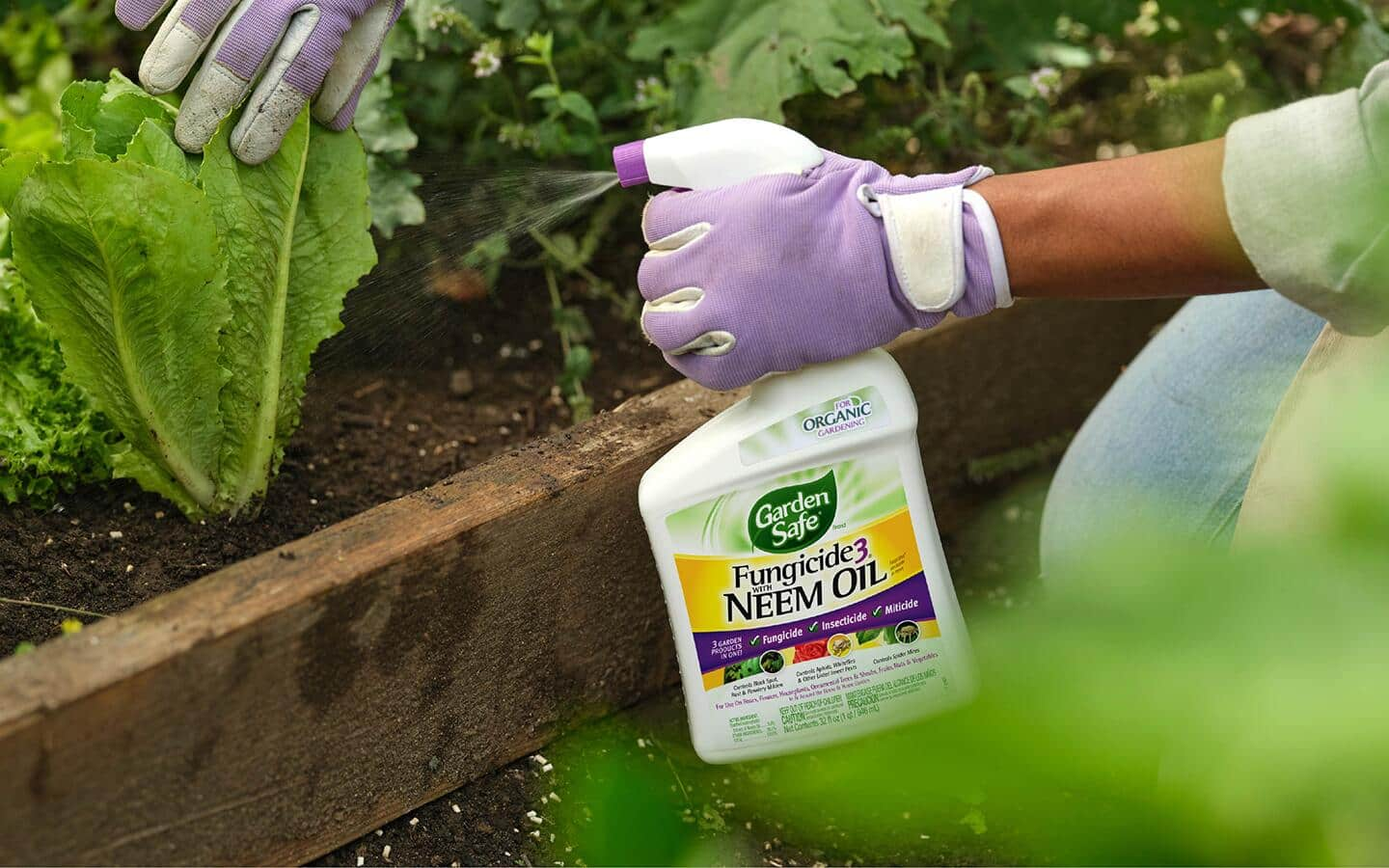
For pest control, use neem oil, handpicking, beneficial insects, or companions.
6. Harvest and Extend the Season
Pick regularly to encourage production. Compost spent plants.
Tips and Best Practices
- Start composting: Build a simple bin for kitchen scraps and yard waste.
- Use mulch everywhere.
- Attract beneficials with flowers.
- Water at the base to prevent disease.
- Track progress in a journal.
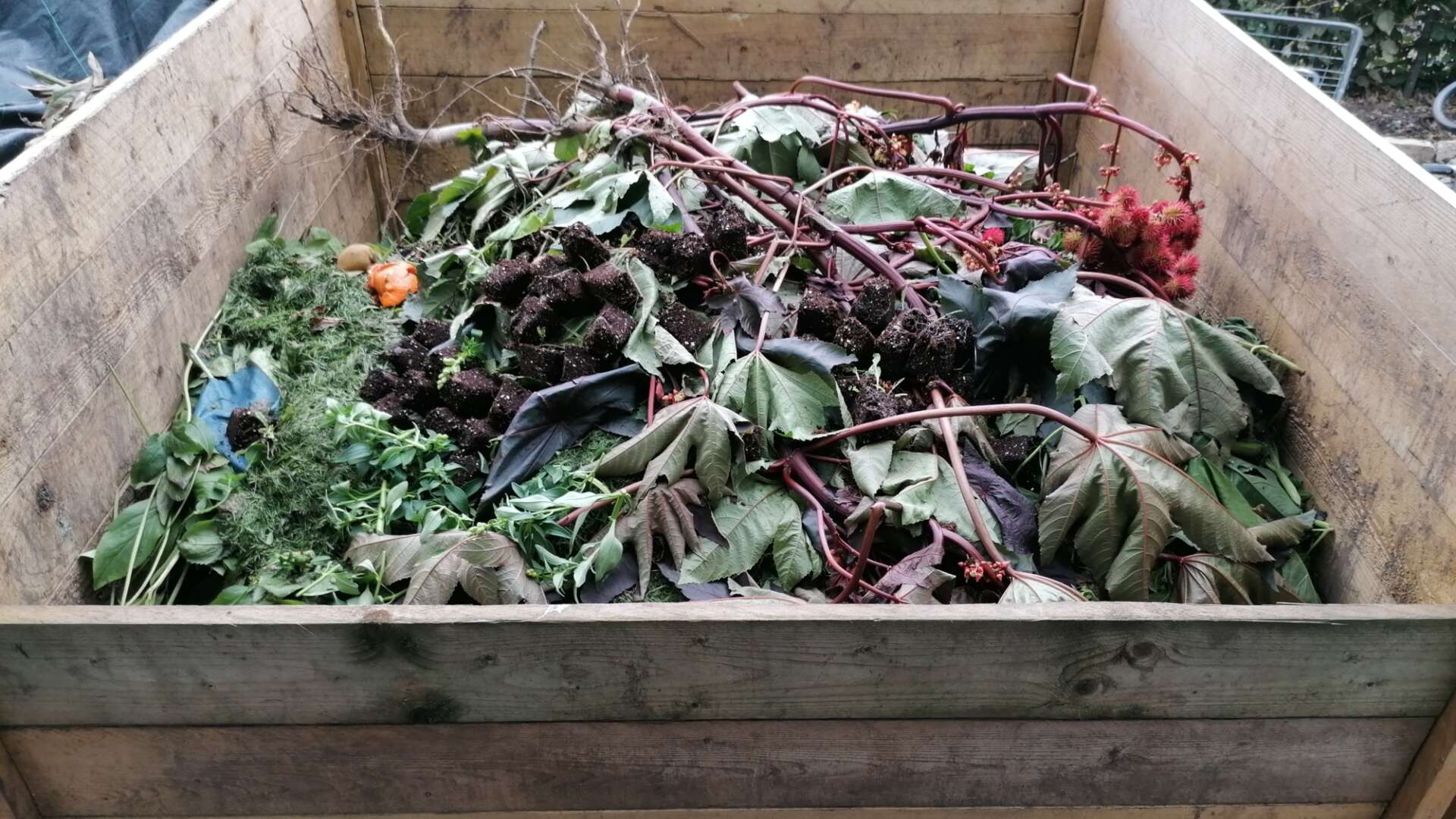
Image via gardenorganic.org.uk
For tools and other garden supplies that make organic gardening easier, explore True Leaf Market’s selection of durable, sustainable equipment and supplies. Browse supplies here for everything from tools to seed-starting equipment, beginner kits, and more.
Common Mistakes to Avoid
- Skipping soil test → Leads to nutrient issues.
- Overcrowding plants → Increases disease risk.
- Using chemical shortcuts → Breaks organic principles.
- Ignoring rotation → Builds pest/disease pressure.
- Poor watering → Causes stress.
Tools and Resources Needed
Essentials:
- Gloves, trowel, hori hori knife.
- Watering can/hose.
- Compost bin.
- Organic mulch, seeds.
For quality supplies, Seeds Now also offers affordable organic, non-GMO seeds with great variety. Start your collection here for beginner-friendly packs.
Conclusion
Consider how to do an organic garden? It’s all about working with nature: healthy soil, thoughtful planning, and natural solutions yield abundant, safe food. Whether suburban raised beds, balcony containers, or family plots, you’ll reduce chemical exposure, save money, and connect with your food!
Start small this 2026 season and you’ll be harvesting fresh produce soon. Embrace the journey; your garden will thrive and so will your well-being!
Frequently Asked Questions
How long does it take to start an organic garden?
Plan in winter, prepare soil in early spring, and plant within weeks. First harvest in 1-3 months depending on crops.
Is organic gardening more expensive?
Initial costs for seeds and plants may be a bit higher, but long-term savings result from composting, fewer inputs, and higher yields.
Can I do organic gardening in poor soil?
Yes—but you’ll need to amend with compost repeatedly; create raised beds to bypass native soil if necessary.
How do I control pests without chemicals?
Use companion planting, organic pest control solutions such as neem oil, row covers, beneficial insects, and hand removal.
What if I have limited space?
Containers work great! You can easily grow tomatoes, herbs, lettuce, and more on balconies. See our balcony gardening resource roundup here for lots of tips, tutorials, and ideas.
Featured image via gardenary.com

Related Posts
-
 Neptune’s Harvest Crab & Lobster Shell Fertilizer Review: What It Actually Does for Your Soil
- [Video] How to Enrich Your Garden Soil for a Great Harvest This Year
- Safety Tips for Growing Food with Animal Manure
- 7 Common Garden Problems & How to Fix Them
- [Video] Growing Wildflowers for Bees & Butterflies
- A Soil Fertility Experiment


