Worm Castings Magic: Boosting Your Lettuce Yield Organically

Learn about the magic of using worm castings to give your lettuce yields an organic boost!
Key Takeaways:
- Worm castings are nutrient-rich, offering essential elements like nitrogen, phosphorus, and potassium.
- They enhance soil structure and texture, leading to better root development and plant growth.
- Using worm castings can increase lettuce yield by up to 200% compared to traditional methods.
- Applying worm castings is simple and can be done through direct soil amendment, side dressing, or foliar spray.
- Worm castings support beneficial microorganisms, improving soil health and plant resistance to diseases.
Let’s dive into the fascinating world of worm castings and discover how they can elevate your lettuce gardening experience.
Introduction to the Benefits of Worm Castings for Lettuce
In the quest for a bountiful lettuce harvest, gardeners often seek methods that are both effective and environmentally friendly. Worm castings, often referred to as “black gold,” offer a natural solution that enhances plant growth while nurturing the soil.
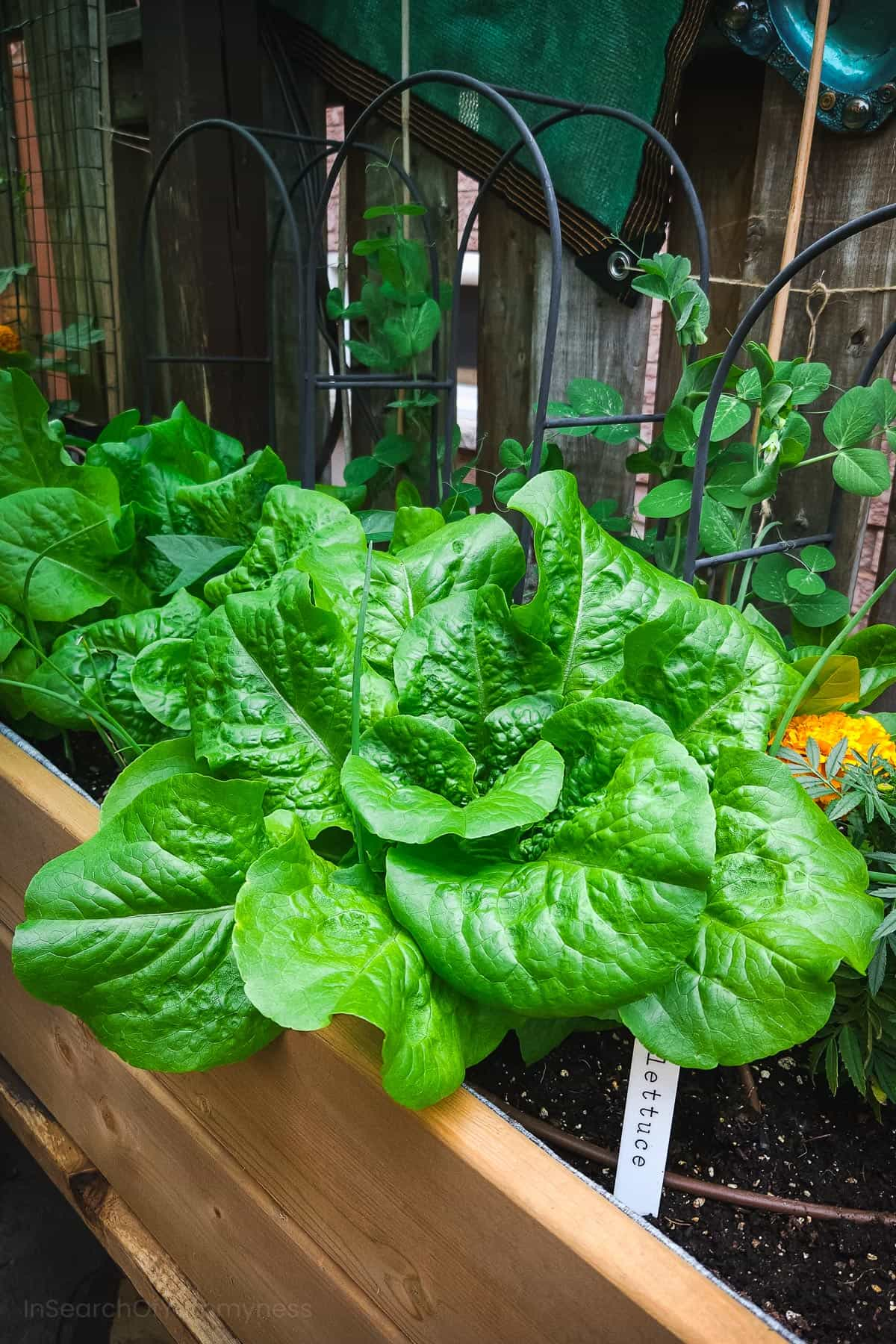
Image from insearchofyummyness.com.
Importance of Organic Growth
Organic gardening is more than just a trend; it’s a commitment to sustainable practices that protect our environment. By using organic materials like worm castings, we reduce the reliance on chemical fertilizers that can harm soil health and water quality. Besides that, organic methods promote biodiversity, which is crucial for maintaining a balanced ecosystem.
Moreover, organic growth ensures that the produce we consume is free from harmful residues, making it healthier for us and the planet. By choosing worm castings as fertilizer, you’re taking a step towards a more sustainable and health-conscious gardening approach.
Nutrient-Rich Advantages
Worm castings are packed with essential nutrients that plants need to thrive. They contain a well-balanced mix of nitrogen, phosphorus, and potassium, often referred to as NPK, which are vital for plant growth.
These nutrients are released slowly, providing a steady supply to the plants without the risk of burning or over-fertilizing. This slow-release mechanism ensures that lettuce plants receive a constant supply of nutrients, promoting steady growth and robust health.
Comparative Benefits Over Chemical Fertilizers
“Worm castings not only provide nutrients but also improve soil structure and support beneficial microorganisms, unlike chemical fertilizers that can degrade soil health over time.”
Chemical fertilizers might offer a quick nutrient boost, but they often come with long-term drawbacks. Over time, they can lead to soil degradation, reducing its ability to retain water and nutrients. In contrast, worm castings enhance soil quality, leading to better water retention and nutrient availability.
Moreover, the beneficial microorganisms found in worm castings play a crucial role in breaking down organic matter and making nutrients more accessible to plants. This natural process is something chemical fertilizers simply can’t replicate.

Image from wormpeople.com.
How Worm Castings Improve Soil Quality
Healthy soil is the foundation of a thriving garden. Worm castings contribute significantly to soil health by improving its structure, texture, and microbial activity.
Enhancing Soil Structure and Texture
Worm castings act as a natural soil conditioner, improving its structure and texture. The castings help bind soil particles together, creating a crumbly texture that allows roots to penetrate easily. This improved soil structure facilitates better air and water movement, essential for healthy root development.
Increasing Soil Microbial Activity
Microorganisms are the unsung heroes of the garden, playing a vital role in nutrient cycling and soil fertility. Worm castings are teeming with beneficial microbes that enhance soil microbial activity. These microbes break down organic matter, releasing nutrients that plants can readily absorb.
Most importantly, these microorganisms help suppress soil-borne diseases, reducing the need for chemical pesticides. This natural disease suppression is a significant advantage for organic gardeners aiming for a chemical-free garden.
“Research has shown that worm castings can increase soil microbial activity by up to 20%, leading to healthier plants and higher yields.”
Balancing Soil pH Levels
Soil pH is a critical factor that affects nutrient availability and plant health. Worm castings help balance soil pH levels, making it more conducive for plant growth. They act as a buffer, preventing extreme pH fluctuations that can harm plants.
By maintaining an optimal pH level, worm castings ensure that nutrients are readily available to plants, promoting healthy growth and development. For more tips on enhancing plant growth, explore the best liquid seaweed fertilizers for organic gardening.
Nutritional Components in Worm Castings
“Worm castings are a powerhouse of nutrients, providing a balanced mix of essential elements that plants need to thrive.”
Understanding the nutritional components of worm castings can help you appreciate their value in organic gardening. Let’s explore these components in detail.

Image from steemit.com.
Essential Nutrients: Nitrogen, Phosphorus, and Potassium
Worm castings contain a balanced mix of nitrogen, phosphorus, and potassium, essential for plant growth. Nitrogen promotes leafy growth, making it ideal for lettuce. Phosphorus supports root development and flower production, while potassium enhances overall plant health and disease resistance.
Beneficial Microorganisms and Enzymes
Besides essential nutrients, worm castings are rich in beneficial microorganisms and enzymes. These microorganisms break down organic matter, releasing nutrients that plants can readily absorb. Enzymes play a crucial role in nutrient cycling, ensuring a steady supply of nutrients to plants.
The presence of these beneficial microorganisms and enzymes makes worm castings a superior choice for organic gardeners seeking to enhance soil health and plant growth.
Impact on Lettuce Growth and Health
Worm castings have a profound impact on the growth and health of lettuce. They provide a balanced supply of nutrients that support vigorous growth and robust health. The slow-release nature of these nutrients ensures that lettuce plants receive a consistent supply, promoting steady growth without the risk of nutrient burn. For more information on how to use worm castings effectively, check out Uncle Jim’s Worm Farm.
Moreover, the beneficial microorganisms found in worm castings help protect lettuce plants from soil-borne diseases. These microorganisms create a hostile environment for pathogens, reducing the incidence of diseases and enhancing plant resilience.
In addition to disease resistance, worm castings improve the overall quality of lettuce. Plants grown with worm castings tend to have larger, crisper leaves with a richer color, indicating better nutrient uptake and overall health.

Image www.wormcompostinghq.com.
Application Methods for Maximum Yield
- Direct soil amendment before planting
- Side dressing during the growing season
- Foliar spray for added nutrient absorption
Applying worm castings correctly is crucial to maximizing their benefits. Each method has its unique advantages, and choosing the right one depends on your specific gardening needs.
Direct soil amendment involves mixing worm castings into the soil before planting. This method ensures that the nutrients are readily available to the plants from the start, promoting strong root development and early growth.
Side dressing is another effective method, where worm castings are applied around the base of the plants during the growing season. This provides an additional nutrient boost, supporting continued growth and development.
Direct Soil Amendment before Planting
To use worm castings as a direct soil amendment, simply mix them into the soil before planting your lettuce. A general guideline is to use about one part worm castings to four parts soil. This mixture provides a nutrient-rich environment that encourages healthy root development and vigorous plant growth. For more detailed guidance, you can explore how to use worm castings effectively in your garden.
Side Dressing During the Growing Season
Side dressing involves applying worm castings around the base of lettuce plants during the growing season. This method provides an additional nutrient boost, supporting continued growth and development. To side dress, simply sprinkle a thin layer of worm castings around the base of the plants and gently work it into the soil.
This method is particularly beneficial during periods of rapid growth, such as the early stages of leaf development. The additional nutrients help support the plant’s increased energy needs, promoting strong, healthy growth.
Foliar Spray for Added Nutrient Absorption
Foliar spraying is an excellent way to provide a quick nutrient boost to lettuce plants. To create a foliar spray, steep worm castings in water for 24 hours, then strain the mixture and use it to spray the leaves of your lettuce plants. This method allows the plants to absorb nutrients directly through their leaves, providing a rapid nutrient boost.
Case Studies of Improved Lettuce Yields
Real-world examples demonstrate the effectiveness of worm castings in boosting lettuce yields. From small-scale home gardens to commercial organic farms, worm castings have proven to be a valuable tool for enhancing plant growth and productivity.

Image from www.reddit.com.
Small-Scale Home Gardens
In small-scale home gardens, gardeners have reported significant improvements in lettuce yields after incorporating worm castings into their gardening practices. Many have observed larger, healthier plants with increased resistance to pests and diseases.
One gardener noted, “After adding worm castings to my soil, my lettuce plants grew larger and produced more leaves than ever before. The difference was remarkable, and I couldn’t be happier with the results.”
Commercial Organic Farms
Commercial organic farms have also experienced the benefits of worm castings. These farms often face challenges related to soil fertility and pest management, making worm castings an ideal solution. The improved soil structure and increased microbial activity provided by worm castings have led to healthier plants and higher yields.
Comparative Yield Analysis with and without Worm Castings
Comparative yield analysis further highlights the benefits of worm castings. Studies have shown that lettuce plants grown with worm castings produce significantly higher yields compared to those grown without. In some cases, yields have increased by up to 200%, demonstrating the powerful impact of worm castings on plant productivity!
Best Practices for Using Worm Castings
To maximize the benefits of worm castings, it’s essential to follow best practices for their use. This includes understanding the optimal ratios for application, timing, and frequency, as well as how to combine them with other organic amendments.
Optimal Ratios for Application
When using worm castings, it’s important to apply them in the right ratios. A general guideline is to use one part worm castings to four parts soil for direct soil amendment. For side dressing, a thin layer around the base of the plants is sufficient. Adjust these ratios based on your specific soil conditions and plant needs.
Using the right amount ensures that plants receive the nutrients they need without the risk of over-fertilizing. This balanced approach promotes healthy growth and maximizes the benefits of worm castings.

Image from www.revivalgardening.com.
Timing and Frequency for Best Results
Timing is crucial when applying worm castings to your lettuce garden. For the best results, incorporate worm castings into the soil before planting. This ensures that the nutrients are readily available as soon as the plants start to grow. A spring application aligns perfectly with the growing season for lettuce.
During the growing season, you can apply worm castings as a side dressing every 4 to 6 weeks. This frequency provides a continuous nutrient boost, supporting the plants as they mature. Regular applications help maintain optimal soil fertility, leading to healthier plants and higher yields.
Combining with Other Organic Amendments
Worm castings can be effectively combined with other organic amendments to enhance their benefits. Compost, for example, can be used alongside worm castings to improve soil structure and increase nutrient availability. The combination of these two amendments creates a rich, fertile environment that supports robust plant growth.
Another effective combination is worm castings and organic fertilizers. While worm castings provide a slow-release source of nutrients, organic fertilizers can offer a more immediate nutrient boost. Together, they create a balanced nutrient profile that meets the diverse needs of lettuce plants.
Conclusion on Enhancing Lettuce Yield With Worm Castings
Worm castings are a powerful tool for any organic gardener looking to boost lettuce yields. Their nutrient-rich composition, combined with their ability to enhance soil health, makes them an invaluable addition to any garden. By incorporating worm castings into your gardening practices, you can achieve higher yields, healthier plants, and a more sustainable garden!

Image from www.rogersgardens.com.
Whether you’re a home gardener or a commercial farmer, the benefits of worm castings are clear. They offer a natural, effective solution to the challenges of growing healthy, productive plants. By embracing this organic approach, you’re not only improving your garden but also contributing to a healthier planet.
Key Takeaways for Successful Gardening with Worm Castings
To summarize, worm castings provide a host of benefits for lettuce gardening:
- They are rich in essential nutrients like nitrogen, phosphorus, and potassium.
- Worm castings improve soil structure and support beneficial microorganisms.
- Applying them regularly can increase lettuce yield by up to 200%.
- They can be used in combination with other organic amendments for enhanced results.
- Worm castings support sustainable and environmentally friendly gardening practices.
Encouragement to Integrate Worm Castings
If you haven’t yet tried using worm castings in your garden, now is the perfect time to start! The benefits are undeniable, and the process is simple and rewarding. By integrating worm castings into your gardening routine, you’ll not only see improved yields but also contribute to a healthier, more sustainable environment.
Take the first step towards organic gardening success by incorporating worm castings into your soil. Your lettuce plants will thank you with lush, vibrant growth and bountiful salad harvests. Happy gardening!
Frequently Asked Questions
Here are some helpful answers to common questions about using worm castings in lettuce gardening.
How often should I apply worm castings to my lettuce plants?
Apply worm castings before planting and then every 4 to 6 weeks during the growing season. This schedule ensures a continuous supply of nutrients, supporting steady plant growth and development.
Can I use worm castings in conjunction with other fertilizers?
Yes, you can. Combining worm castings with organic fertilizers such as seaweed or fish emulsion provides a balanced nutrient profile, offering both immediate and long-term nutrient availability to your plants.
Do worm castings attract pests to the garden?
No, worm castings do not attract pests. In fact, they can help deter certain pests by promoting healthy, resilient plants that are better able to withstand pest pressures.
What is the shelf life of stored worm castings?
Worm castings can be stored for up to a year, provided they are kept in a cool, dry place. Ensure the storage container is well-ventilated to maintain the quality of the castings.
Are there any specific types of worms best for producing castings?
Red wigglers (Eisenia fetida) are the most commonly used worms for producing castings. They are efficient composters and produce high-quality castings that are rich in nutrients and beneficial microorganisms.
Featured Image from homesteadandchill.com.


