Year-Round Gardening Tips, Strategies & Solutions

Enjoy an ongoing source of fresh food & a more sustainable lifestyle with year-round gardening. Here’s what you need to know to get started…
Key Takeaways:
- Year-round gardening offers continuous harvests, enhancing both food security and nutrition.
- Understanding your local microclimate is crucial for selecting the right crops and planning effectively.
- Utilizing techniques such as cold frames and greenhouses can extend your growing season significantly.
- Succession planting and companion planting are key strategies for maximizing garden yields.
- Addressing common gardening challenges, like pests and soil health, ensures a thriving garden all year.
The Importance of Year-Round Gardening
Year-round gardening isn’t just a hobby; it’s a sustainable practice that can transform how we eat and interact with our environment. By continuously harvesting crops, we not only secure a steady supply of fresh produce but also reduce our carbon footprint. Imagine the joy of picking fresh, vibrant greens in the dead of winter or harvesting a year’s worth of garlic from your own garden in early summer! This continuous cycle of growth and harvest brings numerous benefits.

Image from bcfarmsandfood.com.
Benefits of Continuous Harvest
One of the most significant advantages of year-round gardening is the ability to enjoy fresh produce throughout the year. This not only enhances food security but also ensures that your diet is rich in nutrients! Freshly picked vegetables often contain more vitamins and minerals compared to store-bought ones that have been in transit for days or weeks.
Besides that, continuous harvesting reduces waste. You can grow what you need and harvest it when you need it, avoiding the excess that often leads to spoilage. Moreover, year-round gardening can be a therapeutic activity, offering a peaceful escape from the hustle and bustle of daily life!
Environmental and Health Impacts
Gardening year-round contributes positively to the environment. It reduces dependency on store-bought produce, which often travels long distances, contributing to carbon emissions. By growing your own food, you play a part in reducing these emissions and promoting a healthier, more sustainable planet. For more ideas on sustainable gardening, explore creative uses for recycled materials in urban gardens.
Furthermore, the health benefits of gardening can be significant. The physical activity involved in gardening can improve cardiovascular health, while the mental satisfaction of nurturing plants can reduce stress levels. In essence, it’s a win-win situation for both your health and the planet!
Planning Your Year-Round Garden
To successfully garden year-round, careful planning is essential. It begins with understanding your specific growing conditions and extends to selecting the right crops and designing a comprehensive seasonal plan. Let’s delve into how you can set the stage for a thriving garden all year.
Understanding Your Microclimate
Your microclimate is the local atmospheric zone where your garden is situated. It’s influenced by factors like sunlight, wind, and proximity to bodies of water. Knowing your microclimate helps you select crops that will thrive in your conditions.
For example, if you live in a cooler region, consider crops that are frost-tolerant or can be grown indoors. On the other hand, if you have a sunny, warm garden, you can grow heat-loving plants like peppers and tomatoes.
Selecting Appropriate Crops
Choosing the right crops for your year-round garden is pivotal. Consider varieties that are known for their resilience and adaptability. Hardy greens like kale and Swiss chard can withstand colder temperatures, while root vegetables such as carrots and beets store well and can be harvested over time – even when temperatures dip below freezing.
Always opt for high-quality seeds and plants from reputable sources. They tend to be more robust and less prone to disease, ensuring a more successful gardening experience.

Image from homesteadingfamily.com.
Creating a Seasonal Garden Plan
Once you’ve identified your microclimate and chosen your crops, it’s time to create a garden plan. This involves mapping out when and where each crop will be planted and harvested. A well-thought-out plan maximizes space and time, ensuring a continuous supply of produce.
Consider using a garden planner tool or drawing a simple sketch of your garden layout. Mark areas for each crop and note the expected planting and harvesting times. This visual aid can be incredibly helpful in keeping you organized and focused.
Essential Tips for Seasonal Gardening
Gardening successfully throughout the year requires specific techniques tailored to each season. By understanding and implementing these, you can overcome challenges and enjoy a bountiful garden year-round. Here are a few tips to focus on for each season.
- Winter Gardening Techniques: Use cold frames or greenhouses to protect plants from frost.
- Spring Planting Tips: Start seeds indoors to get a head start on the growing season.
- Summer Growth Management: Mulch to retain soil moisture and control weeds.
- Fall Harvest and Preparation: Plant cover crops to enrich the soil for the next season.
Most importantly, each season presents unique opportunities and challenges. By adapting your techniques to the time of year, you can maintain a thriving garden and enjoy fresh produce no matter the season!
Winter Gardening Techniques
Winter may seem like a time to rest, but with the right techniques, your garden can remain productive. One effective method is using cold frames. These are simple structures with transparent tops that trap heat, creating a microclimate suitable for growing hardy vegetables like kale, spinach, and lettuce. Cold frames can extend your growing season well into the colder months.
Besides cold frames, consider utilizing greenhouses. They provide a controlled environment where you can manage temperature and humidity, making it possible to grow a wider variety of plants, even in winter. Remember to insulate your greenhouse and use thermal mass, such as water barrels, to store heat during the day and release it at night.
Spring Planting Tips
Spring is a time of renewal, and your garden should reflect that. Start by preparing your soil. Remove any debris from winter, and incorporate organic matter like compost to enrich the soil. This will provide a nutrient-rich environment for your spring crops.
It’s also the perfect time to start seeds indoors. This gives your plants a head start, especially in areas with late frosts. Use seed trays and place them in a sunny spot or under grow lights. Once the seedlings are strong enough, and the risk of frost has passed, you can transplant them into your garden.
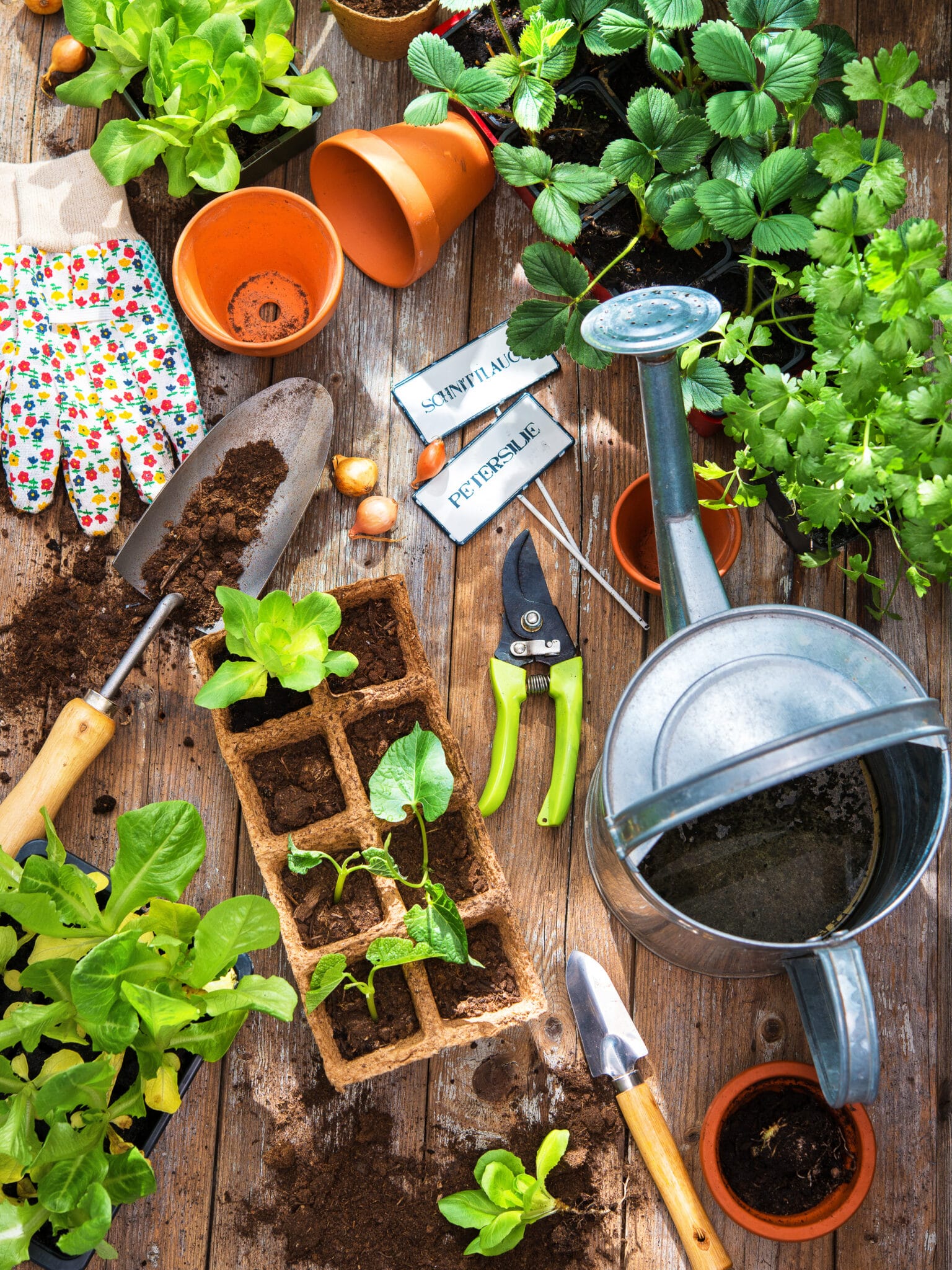
Image from www.littleyellowwheelbarrow.com.
Summer Growth Management
Summer is when your garden is in full swing, but it also requires careful management to ensure success. One crucial task is mulching. Mulch helps retain soil moisture, suppress weeds, and maintain an even soil temperature. Organic mulches like straw or wood chips are excellent choices.
Watering is another key aspect of summer gardening. It’s best to water deeply and less frequently to encourage deep root growth. Early morning is the ideal time to water, as it reduces evaporation and fungal diseases. Keep an eye on your plants and adjust your watering schedule as needed.
Fall Harvest and Preparation
As the days grow shorter, it’s time to focus on harvesting and preparing your garden for the next cycle. Harvest your summer crops and preserve them by canning, freezing, or drying. This ensures you have a supply of homegrown produce throughout the winter!
Fall is also an excellent time to plant cover crops like clover or vetch. These crops improve soil fertility and structure, reduce erosion, and suppress weeds. They can be added to the compost pile or tilled into the soil in spring, providing a natural boost for your next planting season.
Maximizing Yields with Strategic Planting
To get the most out of your garden, strategic planting is essential. By understanding the principles of succession planting and companion planting, you can maximize your yields and enjoy a diverse array of crops.
Strategic planting involves planning your garden layout and timing to make the best use of available space and resources. This approach not only increases productivity but also helps manage pests and diseases.
Succession Planting Basics
Succession planting is the practice of planting crops in a staggered manner to ensure a continuous harvest. This method is particularly useful for fast-growing crops like radishes, lettuce, and carrots. By planting small batches every few weeks, you can maintain a steady supply of fresh produce throughout the growing season.
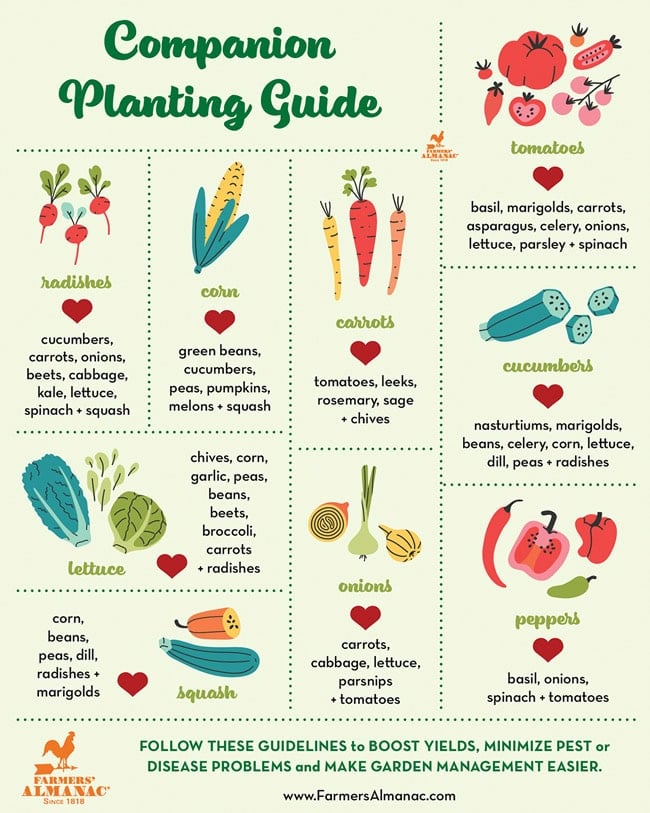
Image from www.farmersalmanac.com.
Companion Planting Guide
Companion planting involves growing different plants together to enhance growth and deter pests. For example, planting basil alongside tomatoes can improve tomato flavor and deter pests like aphids. Similarly, marigolds can be planted around the garden to repel nematodes and other harmful insects.
Consider using a companion planting chart to help you plan your garden layout. This visual aid can guide you in selecting beneficial plant pairings and optimizing your garden’s health and productivity.
Solutions to Common Gardening Challenges
Every gardener faces challenges, but with the right strategies, these can be overcome. From pests to soil health, understanding and addressing these issues is crucial for a successful garden.
Dealing with Pests and Diseases
Pests and diseases can wreak havoc on your garden, but there are natural and effective ways to manage them. Regularly inspect your plants for signs of trouble and act quickly to prevent outbreaks.
Use organic pest control methods like neem oil or insecticidal soap to manage pests. Encourage beneficial insects, such as ladybugs and lacewings, which prey on harmful pests. Additionally, practice crop rotation and proper spacing to reduce the risk of disease.
Managing Soil Health
Maintaining healthy soil is fundamental to year-round gardening success. Healthy soil provides essential nutrients, supports plant growth, and helps resist pests and diseases. Start by testing your soil to understand its pH and nutrient levels. You can amend your soil based on the test results, adding lime to raise pH or sulfur to lower it, as necessary.
Organic matter, like compost, is a gardener’s best friend. It improves soil structure, increases water retention, and provides a slow release of nutrients. Regularly add compost to your garden beds, and consider using cover crops or green manure to further enrich your soil.
Weather and Climate Adaptations
Weather can be unpredictable, but adapting to climate conditions is crucial for a thriving garden. For instance, in regions prone to heavy rain, raised beds can improve drainage and prevent root rot. Conversely, in arid areas, drip irrigation systems can conserve water while ensuring plants receive adequate moisture.

Image from www.swansonsnursery.com.
Additionally, consider using shade cloths to protect delicate plants from excessive heat and sun exposure. Windbreaks, such as hedges or fences, can shield your garden from strong winds, reducing stress on plants and preventing soil erosion. For more information on sustainable practices, explore these rainwater harvesting tips.
Innovative Techniques for Year-Round Growth
To keep your garden productive throughout the year, using some innovative techniques is essential. These methods not only extend the growing season but also increase the variety of crops you can cultivate.
Cold frames and greenhouses are invaluable tools for protecting plants from harsh weather conditions. They create a controlled environment where you can grow cold-sensitive crops even in winter. Hydroponics and indoor gardening are also excellent options for year-round production, especially in urban settings with limited outdoor space.
By integrating these techniques, you can enjoy fresh produce regardless of the season, making your garden a continuous source of nourishment and satisfaction! For more insights, explore this guide on year-round harvest strategies.
Using Cold Frames and Greenhouses
Cold frames are simple, low-cost structures that capture solar energy to warm the soil and air inside, extending the growing season. They are ideal for starting seeds early in the spring and protecting plants from early frosts in the fall. To build a cold frame, you can use old windows or clear plastic sheeting mounted on a wooden frame. You can even build a cold frame using old hay or straw bales.

Image from www.nytimes.com.
Greenhouses offer more comprehensive protection, allowing you to grow a wider range of plants year-round. With a greenhouse, you can control temperature, humidity, and light levels, creating the perfect conditions for your crops. Consider investing in a small greenhouse kit if you’re serious about year-round gardening.
Hydroponics and Indoor Gardening
Hydroponics is a soil-less growing method that uses nutrient-rich water to cultivate plants. It’s perfect for indoor gardening and can be set up in small spaces like kitchens or basements. Hydroponic systems can produce high yields of herbs, leafy greens, and even fruiting plants like tomatoes.
Indoor gardening allows you to grow plants in controlled environments, making it possible to cultivate tropical or exotic species that wouldn’t survive outdoors. With the right lighting, such as LED grow lights, and proper care, you can maintain a thriving indoor garden all year long.
“I started a small hydroponic setup in my apartment and was amazed at the speed and quality of the herbs I grew. Fresh basil and mint are now always at my fingertips!” – Indoor Gardener
By embracing these innovative techniques, you can overcome the limitations of your local climate and enjoy the benefits of fresh, homegrown produce any time of the year!
Conclusion: Embracing Year-Round Gardening
Year-round gardening is a rewarding endeavor that offers numerous benefits, from continuous access to fresh produce to a deeper connection with nature. By understanding your microclimate, selecting appropriate crops, and utilizing season extension and other innovative techniques, you can create a thriving garden that flourishes in every season.
Remember, “Gardening is a journey, not a destination. Each season brings new challenges and opportunities for growth.”
With careful planning and dedication, your garden can become a sustainable source of food and joy, enriching your life and contributing positively to the environment!
Now that you’re equipped with these tips and strategies, it’s time to dig in and start your year-round gardening adventure. Happy gardening!
Frequently Asked Questions
Let’s address some common questions that arise when embarking on the journey of year-round gardening. These insights will help you navigate challenges and make informed decisions.
Is year-round gardening possible in all climates?
Year-round gardening is possible in almost all climates with the right techniques and adaptations. In colder regions, using greenhouses, cold frames, and indoor gardening can extend the growing season significantly. In warmer climates, you may need to focus on heat-tolerant crops and employ shading methods during the hottest months.
What are some vegetables I can grow year-round?
Examples of year-round vegetables include:
- Leafy Greens: Kale, spinach, and Swiss chard are hardy and can be grown in cold frames or indoors.
- Root Vegetables: Carrots, beets, and radishes are excellent choices for extended harvests.
- Herbs: Basil, mint, and parsley thrive in hydroponic systems or indoor pots.
By selecting a variety of crops suited to your climate and growing conditions, you can enjoy a diverse and continuous harvest all year long!
With these answers and strategies in hand, you’re well-prepared to tackle the challenges of year-round gardening and enjoy the fruits of your labor throughout every season.
Featured Image from blogs.ifas.ufl.edu.


